Home › Chhota Udaipur › Kawant Holi Fair
TRIBAL FESTIVAL · ADIVASI HOLI · BHIL RATHWAThe great tribal Holi of eastern Gujarat — the Kawant fair, held at the Holi festival on the banks of the Orsang river at Kawant, draws tens of thousands of Adivasi participants from across the tribal belt of eastern Gujarat for three days of devotion, music, dancing and colour.
The Kawant Holi fair is one of the largest and most significant Adivasi festivals in Gujarat — a gathering of Rathwa, Bhil, Nayak and other tribal communities from across the eastern districts, held at the confluence of the Orsang river at Kawant during the Holi full-moon in February or March. At its peak the fair draws more than a hundred thousand participants.
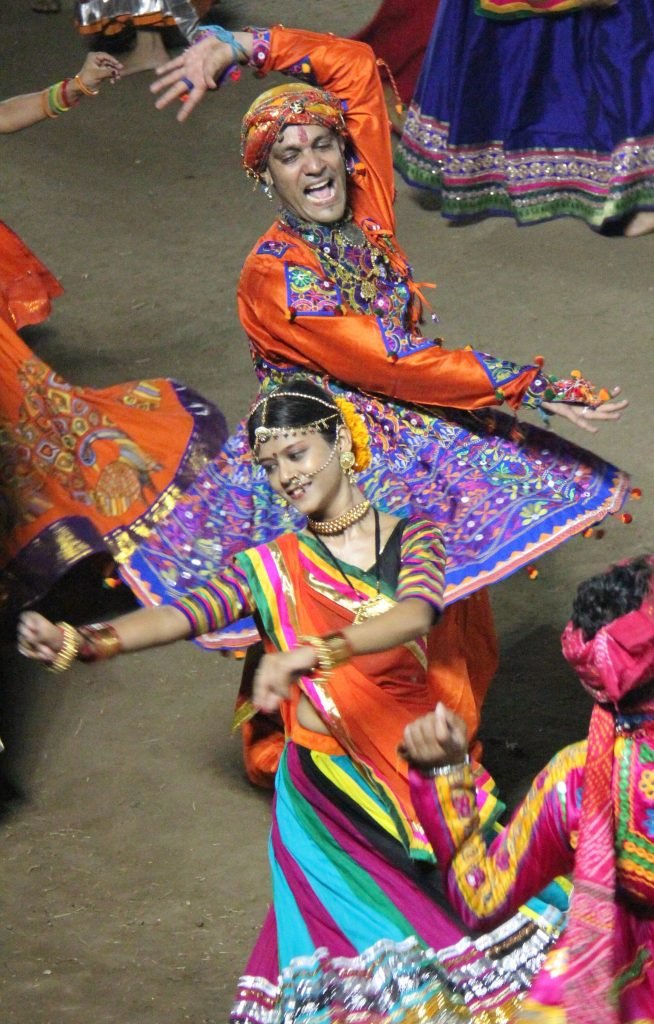
It is primarily a tribal Holi — the celebration of the Holi festival in its most ancient and communal form, predating the standardised urban Holi traditions. The colours, the dancing, the music and the devotion have a raw and uninhibited quality that is quite different from the more organised celebrations of city Holi.
The Kawant fair also has a market character — craft and produce stalls, food vendors, and the specific tribal goods (lacquerware from Sankheda, tribal jewellery and textiles) that make it an important annual commercial and cultural occasion for the district. For the visitor with a genuine interest in tribal culture, the Kawant Holi fair is one of the most remarkable events in Gujarat’s calendar — but it requires careful, respectful attendance, ideally with a guide who has community connections.
Kawant Holi fair.
Kawant fair.
Tribal Holi tradition.
Sacred gathering point.
Rathwa, Bhil, Nayak, others.
100,000+ participants.
The greatest tribal Holi.
Sacred river.
Tribal dance and drum.
Ancient Holi.
Multi-tribal gathering.
Extraordinary spectacle.
Tribal Holi.
Sacred confluence.
Essential for context.
Before the crowds build.
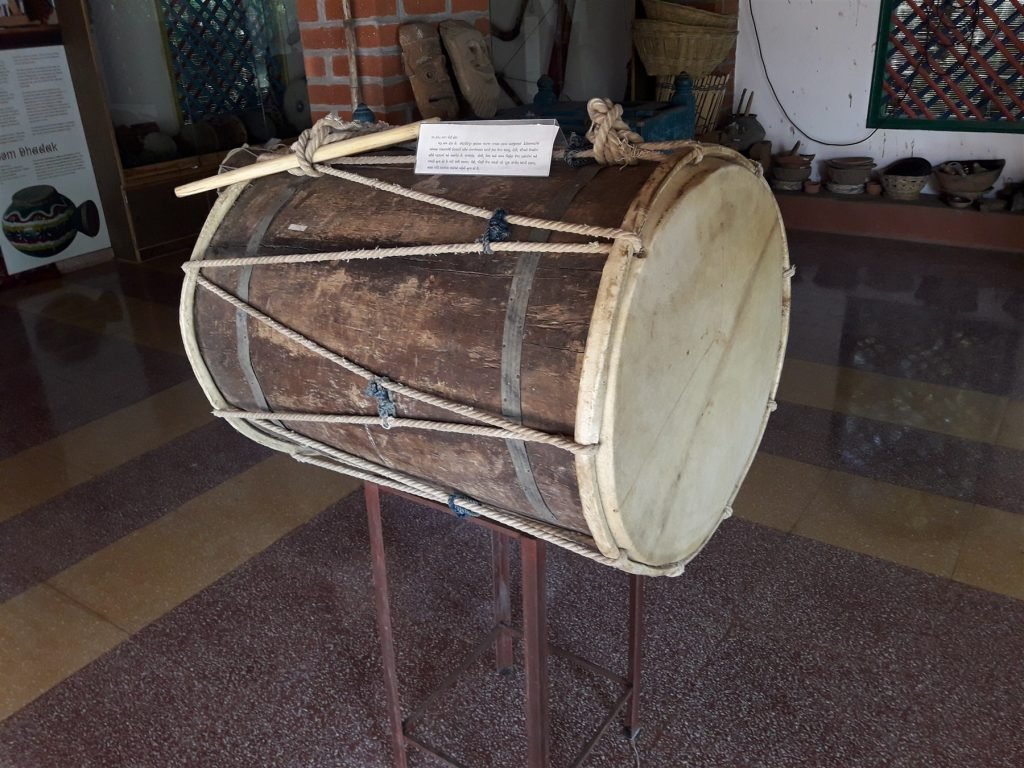
The dhol drums.
Lacquerware and textiles.
Do not intrude.
People first.
Kawant Holi.
The Kawant fair centres on the Orsang river, whose bank serves as the gathering ground. The Holi bonfire is lit at dusk on the full moon night; the following day is the main colour celebration. Throughout, tribal musicians play dhol drums, and specific tribal dances are performed that are rarely seen outside the festival context.
The market runs alongside for all three days, offering the craft production of the district — Sankheda lacquerware, tribal silver, handwoven textiles. (Attend with a guide; exercise respectful behaviour; do not intrude into ritual spaces.)
This is one of many places worth seeing here — the full guide to Chhota Udaipur has the rest.
Largest tribal Holi gathering in eastern Gujarat
100,000+ Rathwa, Bhil, Nayak and other Adivasi participants
Orsang river bank — sacred confluence setting
Dhol drums, tribal dance, colour, and craft market
Best conditions and festivals.
Lush and green; monsoon mood.
Hot; early morning best.
⏰ October to February is ideal — festivals and clear skies.
Vadodara airport (~100 km).
Bodeli / Chhota Udaipur.
NH-56 from Vadodara.
LOCAL FOOD
Arrive early, before the crowds build, for the cool morning light along the Orsang bank.
Always ask before photographing people — the fair is a genuine tribal festival, not a tourist show.
The dhol drummers, tribal dancers, colour clouds and the craft stalls lining the river.
Keep your distance from ritual spaces and follow your guide's lead at all times.
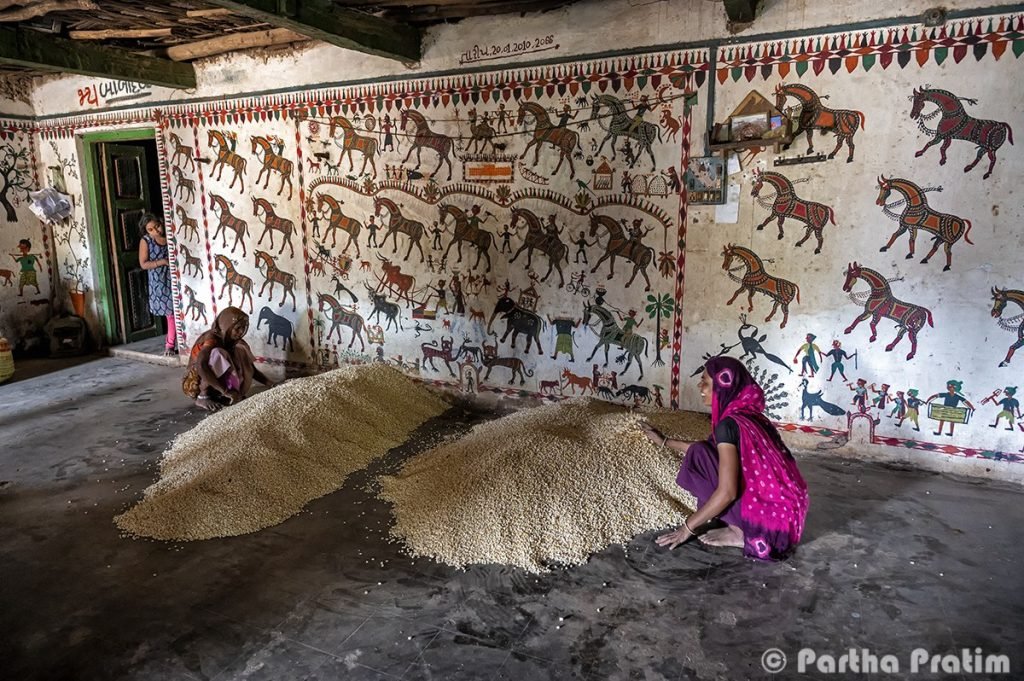
1Watch ritual horse-paintings come alive on village walls
HILLSRolling green country on the MP border
A Shiva temple on the Narmada’s banks
Riverside worship near the backwaters
A town where furniture becomes art — Sankheda has been producing lacquer-turned wooden furniture for generations,…
FOLK ARTRathwa ritual wall paintings around Kawant
Comfort home cooking.
Forest produce & millet.
Tribal staple.
From Adivasi villages.
Expect simple Gujarati thalis, millet rotis, forest produce and honey from Adivasi villages.
Holi full moon — February or March.
No — a genuine tribal festival. Attend respectfully.
Strongly recommended.
100,000+.
Tribal dance, dhol drums, colour, and craft market.
Ask before photographing people.
FOLK ARTRathwa ritual wall paintings around Kawant
RIDEA cable-car glide to the temple top
A revered old Shiva temple in Amreli

The world’s oldest mountains — the Aravalli range in Gujarat, ancient Pre-Cambrian ridges rolling through Aravalli…
HERITAGEThe throbbing heart of the old textile city
CAVESAncient rock-cut Buddhist caves
WHERE TO STAY
Compare live prices across the big booking sites and reserve in a few taps. Booking happens securely on the partner's site — we may earn a small commission at no extra cost to you.
Book directly on our partner sites — tap a provider to see live Gujarat hotels & prices:
SHOP THE REGION
Hand-picked crafts and trip gear, available on Amazon.
Published 24 June 2026 · Updated 24 August 2026
We’re an independent group of writers and travellers documenting every corner of Gujarat — one place, plate and festival at a time.
Search Gujarat Explorer
Find places, food, festivals and travel guides across Gujarat
Press Enter to search — or Esc to close
Plan Your Trip
Gujarat Explorer is an independent travel guide. We’re happy to help you shape an itinerary and point you to the right places, stays and experiences across Gujarat.
Book a Cab