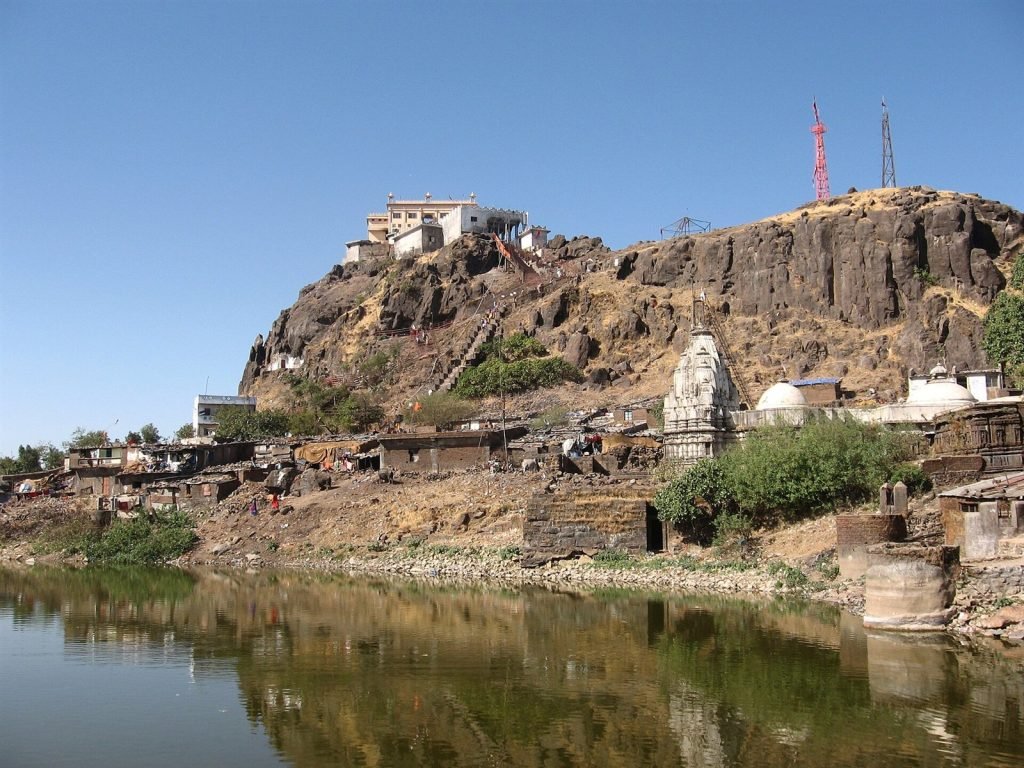
Hingolgadh sits in the rolling grasslands of central Saurashtra, where a small nineteenth-century fort crowns a low hill above open scrub. Around it spreads one of Gujarat’s earliest nature-education sanctuaries — a protected pocket of grassland, thorn and seasonal wetland that has become a much-loved outdoor classroom.
The reserve is best known for its grassland wildlife. Indian wolves, jackals, foxes, jungle cats and herds of nilgai move through the scrub, while winter fills the skies with raptors — harriers, eagles and vultures that hunt low over the grass. For birdwatchers it is a rare and rewarding habitat.
Hingolgadh’s real legacy, though, is educational. For decades it has trained field naturalists and hosted school nature camps, teaching visitors to read a landscape that can look empty at first glance and turns out to be teeming with life.
The old hill fort above the sanctuary grasslands.
Ramparts of the old Jasdan hill fort.
The Darbars of Jasdan raise a fortified hill retreat at Hingolgadh.
The surrounding grasslands serve as a private shikar (hunting) reserve.
The estate is declared a nature-education sanctuary — among India's first.
A field campus where students and birders learn the grassland by walking it.
Wolves, foxes, jackals and nilgai on open scrub.
Harriers, eagles and vultures ride winter thermals.
A photogenic 19th-century fort with long views.
A pioneering campus for naturalists and school camps.
Larks, sandgrouse and quail in rare grassland.
An off-radar reserve with room to breathe.
THE FORTRamparts, gateways and a sweeping view.
GRASSLANDSTrails through wolf and raptor country.
Climb to the ramparts for the long view over the grass.
Scan the scrub at dawn for wolves, nilgai and fox.
Winter brings harriers and eagles hunting low.
Guided trails explain the grassland's web of life.
Seasonal ponds pull in waders and waterfowl.
Golden-hour grass and fort silhouettes.
Open scrub under a wide Saurashtra sky.
Hingolgadh is a place of subtle drama rather than grand monuments. The fort itself is a modest but handsome structure of local stone — ramparts, gateways and a small palace raised by the Jasdan royal family, set to command the surrounding country from its hilltop.
The real architecture here is ecological: a mosaic of tall grass, thorn scrub and seasonal ponds shaped by climate and grazing rather than by hand. It is this open, layered habitat — increasingly rare across India — that makes the sanctuary so valuable for wolves, antelope and grassland birds.
Cool, clear and alive with migratory raptors and grassland birds.
The scrub greens up; fresh grass and wildflowers, some muddy trails.
Hot and dry; wildlife lies low through the heat of the day.
⏰ Come Nov–Feb and walk at dawn or dusk — the grassland is busiest in the cool hours.
Rajkot Airport (~55 km) is nearest; Ahmedabad (~200 km) has wider links.
Rajkot is the main railhead; Jasdan is the nearest town.
About 45 km from Rajkot via Jasdan; best reached by car or taxi.
GRASS & STONE
Dawn and dusk rake gold across the grass.
Birds and wolves keep their distance.
Set the ramparts against the sky.
Patience and quiet get you closer.
COLONIALStately British-era civic architecture

The bustling heart of Saurashtra — Rajkot, a prosperous, energetic city where Mahatma Gandhi spent his…
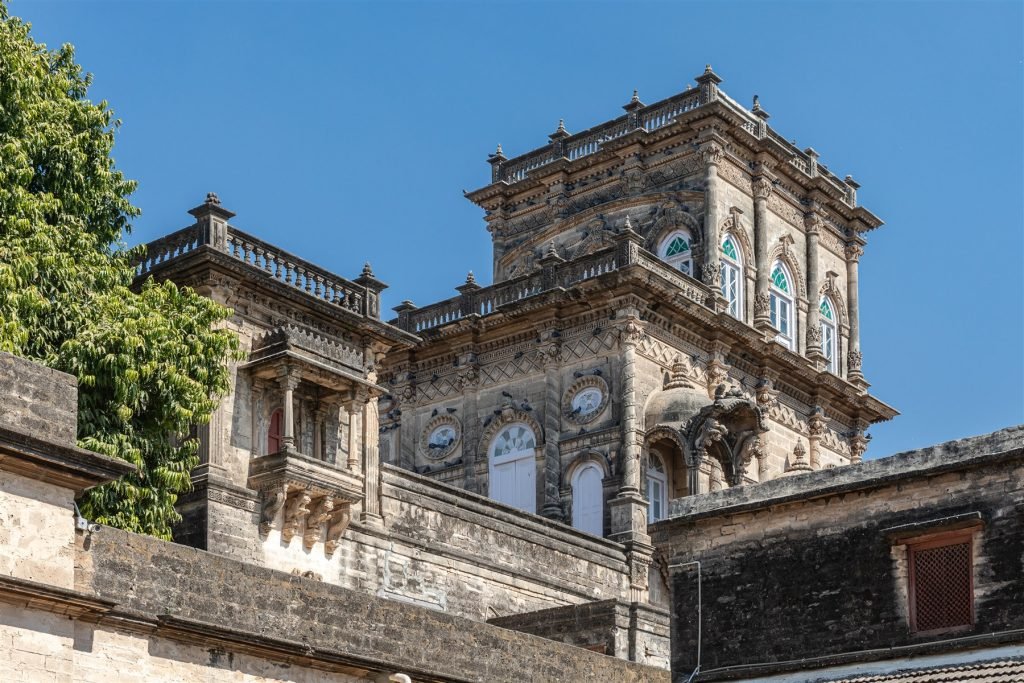
A jewel of princely Saurashtra — Gondal, the old Jadeja capital of grand palaces, a famous…
A revered Shakti temple and spiritual institution at Gondal — the Bhuvaneshwari Pith, seat of the…
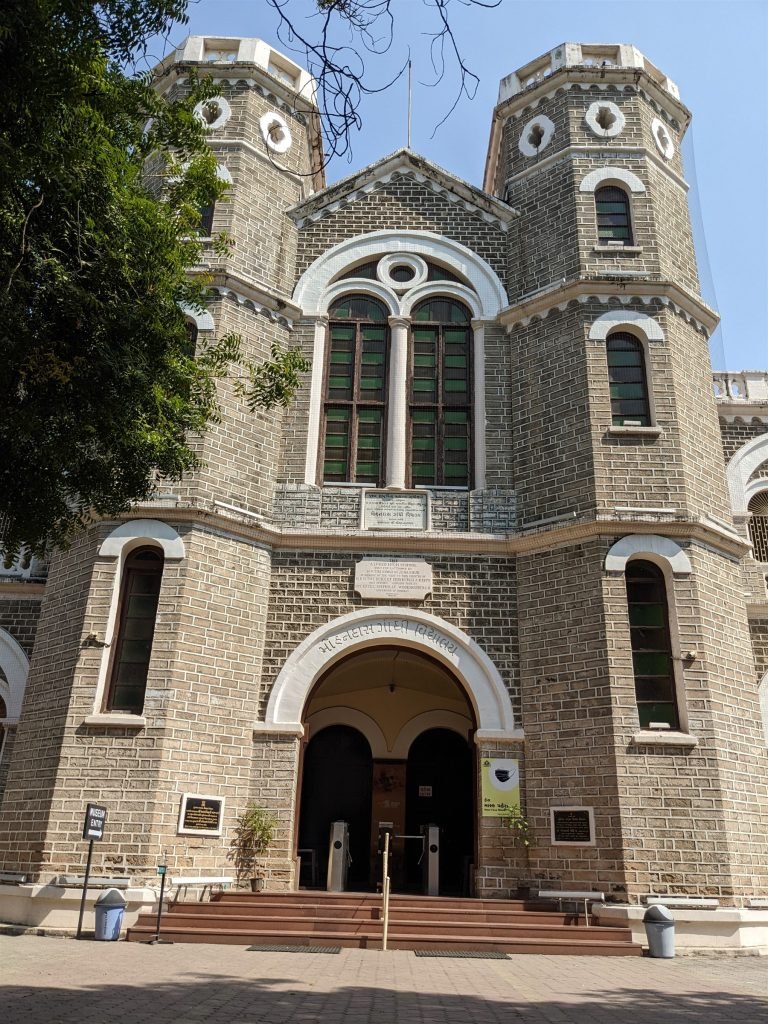
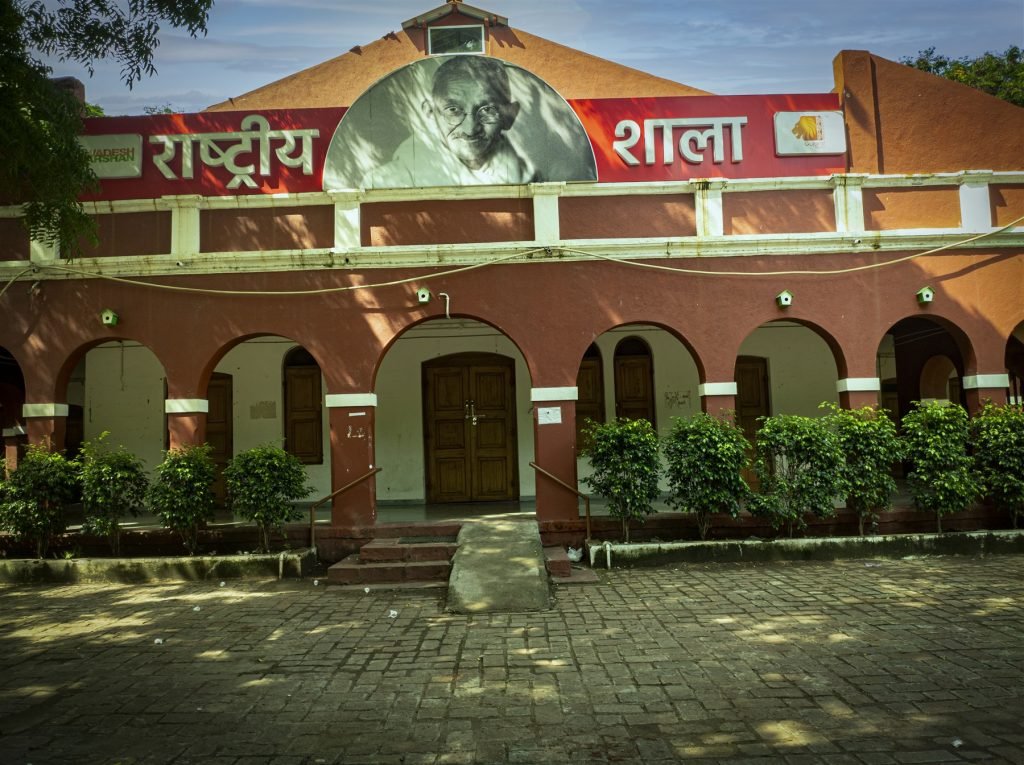
GANDHIWhere young Mohandas Gandhi studied
INSTITUTIONGandhi’s centre for crafts & education
STREET FOODSpicy-sweet potato bun with pomegranate & sev.
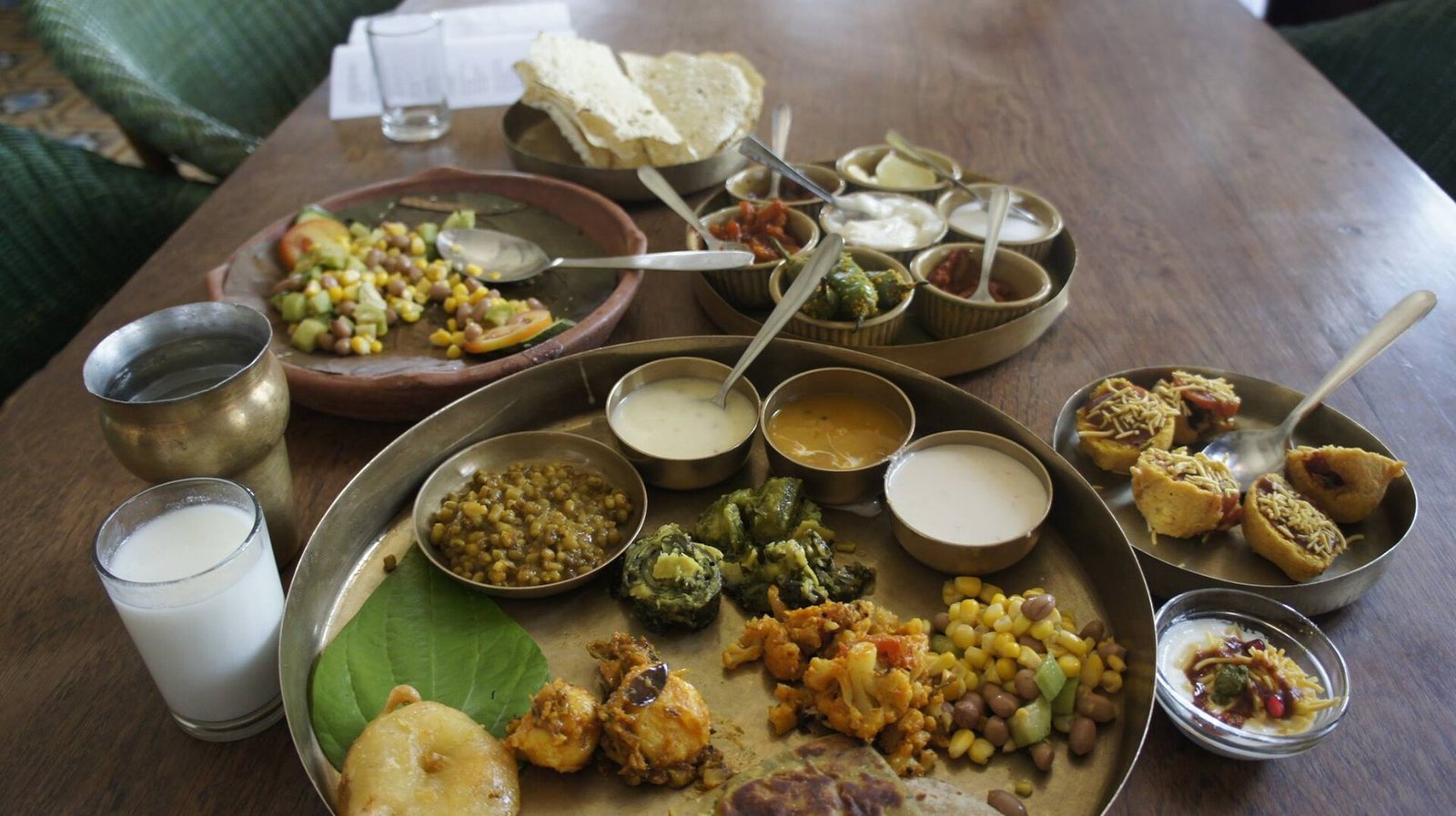
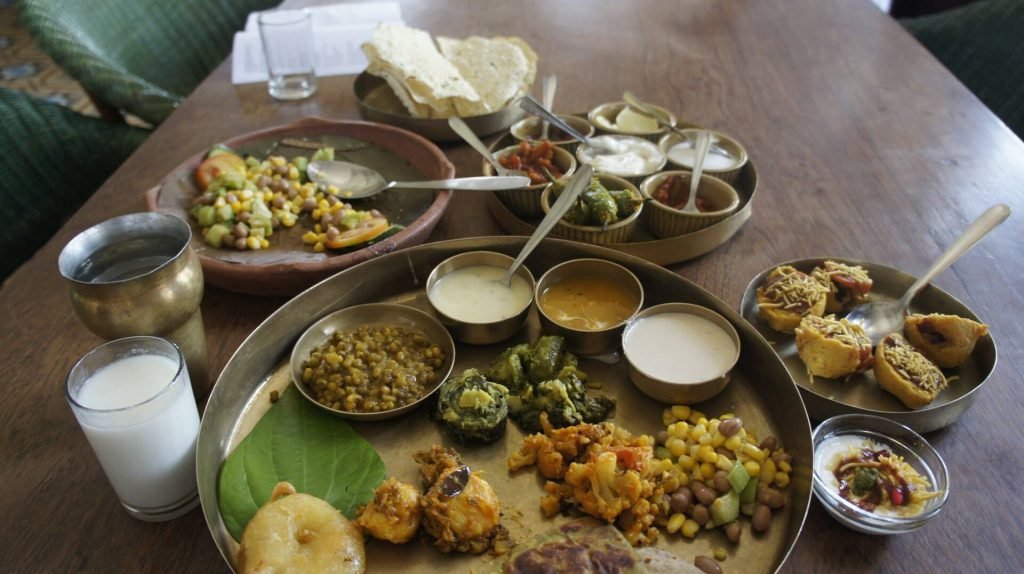
THALIBajra rotla, ringan no olo, kadhi & chaas.

SNACKSoft, steamed chickpea-flour snack.
Saurashtra fare is almost entirely veg — carry water and snacks for the reserve.
Near Jasdan in Rajkot district, about 45 km from Rajkot city, in the grasslands of central Saurashtra.
A grassland nature-education sanctuary — Indian wolves, nilgai, foxes and rich winter birdlife around a 19th-century hill fort.
A small forest-department permit fee; guided walks and nature camps are arranged through the forest office.
November to February, when the weather is cool and migratory raptors and grassland birds are around.
Indian wolves live here but are shy; early mornings on the open scrub give the best chance of a sighting.
Half a day covers the fort and a grassland walk; birders often stay longer.
Yes — one of Saurashtra's best grassland-bird sites, with larks, sandgrouse, harriers and eagles.
Yes, forest guides and nature-education programmes can be booked in advance.
Very — it began as a nature school and runs camps and walks aimed at young learners.
Water, sun protection, binoculars, neutral clothing and sturdy shoes.
MUSEUMCity history, art & rare artefacts
LAKEA serene reservoir & lakeside walks

Hindu shrines crowning Girnar’s summits
PALACEA Gohil royal residence, now a heritage hotel
MUSEUMA museum honouring Bhavnagar’s heritage
Lamp-lit evening worship by the Dakor lake
WHERE TO STAY
Compare live prices across the big booking sites and reserve in a few taps. Booking happens securely on the partner's site — we may earn a small commission at no extra cost to you.
Book directly on our partner sites — tap a provider to see live Gujarat hotels & prices:
SHOP THE REGION
Hand-picked crafts and trip gear, available on Amazon.
Published 24 June 2026
We’re an independent group of writers and travellers documenting every corner of Gujarat — one place, plate and festival at a time.
Search Gujarat Explorer
Find places, food, festivals and travel guides across Gujarat
Press Enter to search — or Esc to close
Plan Your Trip
Gujarat Explorer is an independent travel guide. We’re happy to help you shape an itinerary and point you to the right places, stays and experiences across Gujarat.
Book a Cab