
A wealthy port turned ghost town
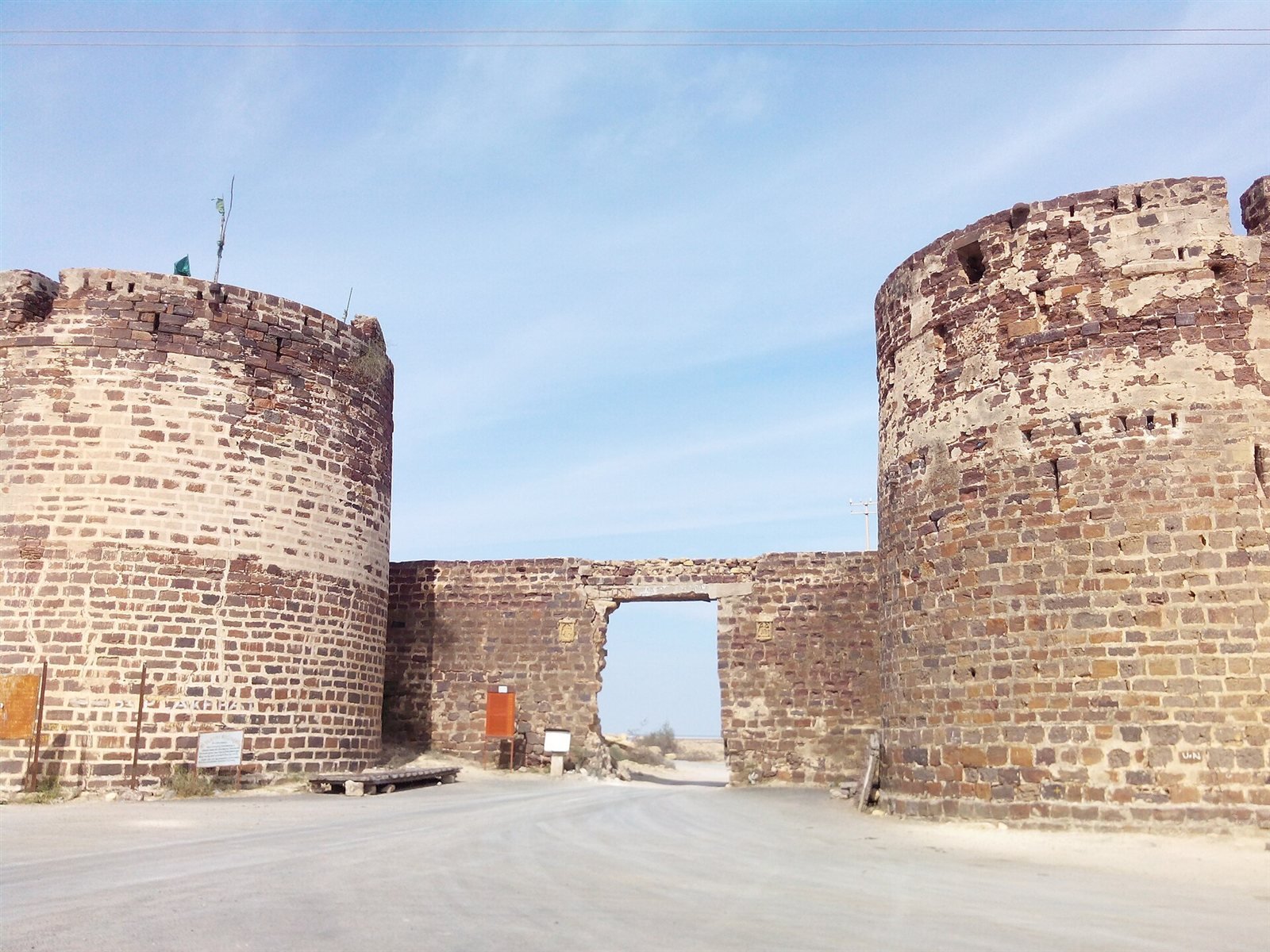
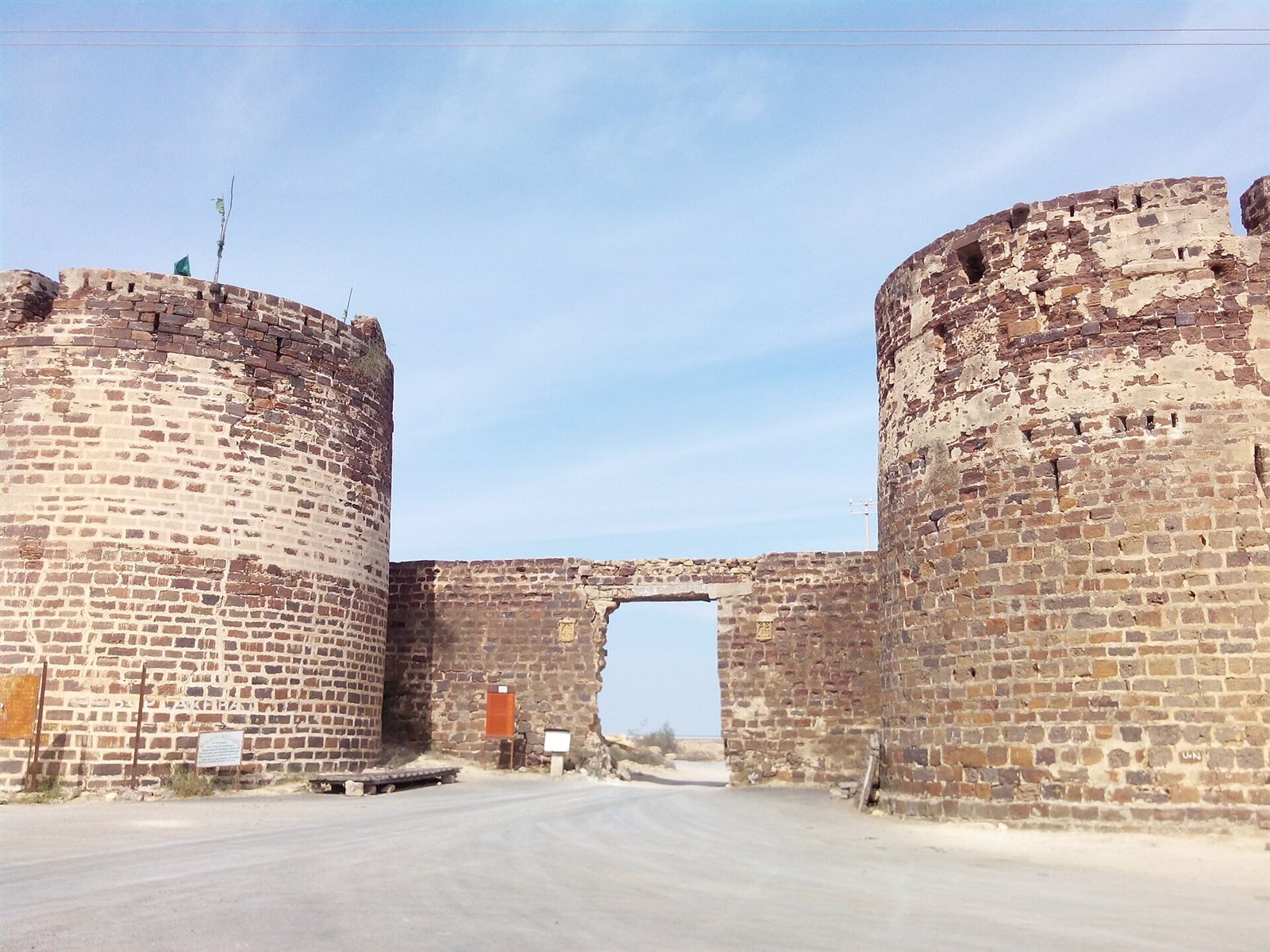
On the far north-western edge of Kutch, where the land dissolves into the Rann and the sea, stands Lakhpat — a walled town that time forgot. In the 18th century it was a thriving port at the mouth of a branch of the Indus, said to earn a lakh (hundred thousand) in revenue a day, hence its name.
Then, in 1819, a great earthquake shifted the course of the Indus away from Lakhpat. The water vanished, trade collapsed, and the town slowly emptied. Today its roughly seven kilometres of ramparts enclose a near-deserted settlement — quiet lanes, ruined houses and a profound, melancholy stillness.
Yet Lakhpat is far from soulless. A revered Gurudwara marks where Guru Nanak is believed to have stayed, the Sufi tomb of Pir Ghaus Muhammad and a fine mosque survive, and the ramparts offer sweeping views over the shining Rann — a haunting, atmospheric stop for the curious traveller.
The surviving shrines carry the town’s cosmopolitan memory. The Gurudwara — beautifully kept, its guardians hospitable to every visitor — preserves relics of Guru Nanak’s stay on his journey toward Mecca, making Lakhpat a genuine Sikh pilgrimage in Kutch’s far corner; Pir Ghaus Muhammad’s tomb, its dome carved with a delicacy the emptiness makes stranger, and the stone mosque nearby recall the port’s Muslim trading world. Film crews love the place — ‘Refugee’ shot here — and the ramparts’ walk at sunset, salt flats burning rose to the horizon, is among Gujarat’s great melancholy views.
Lakhpat lies about 135 kilometres north-west of Bhuj on good, empty roads through Nakhatrana — combine it with the Than monastery or Mata no Madh en route. Being border country, carry ID; the police post is used to visitors. There are no facilities beyond the Gurudwara’s langar hospitality, so bring water and fuel margins; October to February is the season, and the light in the last hour is the reason photographers make the drive.
Seven kilometres of ramparts enclose the empty town.
An earthquake moved the river and killed the port
Ramparts looking out over the Rann.
Lakhpat thrives as a rich port on a branch of the Indus, ringed by fort walls.
A massive earthquake diverts the Indus; the harbour dries up.
Trade collapses and the population drains away, leaving a ghost town.
A conserved heritage site of ramparts, shrines and haunting emptiness.
Reasons to make the time
7 km of walls
Vast ramparts enclosing a near-empty town.
Ghostly stillness
One of India's most atmospheric ghost towns.
Sacred sites
A Guru Nanak Gurudwara and Sufi tomb survive.
Rann views
Sweeping outlooks from the walls over the salt.
A dramatic story
Riches lost to a river and an earthquake.
Off the map
A remote, rewarding find for the curious.
What to look for inside
 RAMPARTS
The walls
Seven kilometres of walls around the silence.
 SHRINES
Sacred survivors
The Gurudwara, Sufi tomb and mosque.
How to spend an hour or two
Walk the ramparts
Climb the walls for views over the Rann.
Visit the Gurudwara
See where Guru Nanak is believed to have stayed.
Find the Sufi tomb
Seek out the carved tomb of Pir Ghaus Muhammad.
Wander the lanes
Take in the silent, half-deserted streets.
Look over the Rann
Gaze out where the harbour once was.
Feel the history
Absorb the melancholy of a vanished port.
A fortified town frozen in time.
Ramparts, shrines and empty lanes
Lakhpat is defined by its walls — roughly seven kilometres of stout 18th-century ramparts, studded with bastions and gates, enclosing what was once a bustling port and is now a near-empty town. Within them survive some of Kutch’s finest small monuments: a domed Gurudwara revered by Sikhs, the intricately carved tomb of the Sufi saint Pir Ghaus Muhammad, and an old mosque.
The rest is atmosphere: quiet lanes, crumbling houses and the long line of the walls against the white Rann. It is less a ‘sight’ than an experience — a whole fortified town held in suspended silence.
Our Kutch travel guide maps out the other places worth your time here.
If this is what you travel for, browse heritage sites across Gujarat.
~7 km of 18th-century walls
Guru Nanak Gurudwara
Carved Sufi tomb & mosque
Rann views from the ramparts
When to go
Cool, dry and clear — by far the best window for Kutch.
Green but humid; some sites are harder to reach.
Fierce desert heat; only for the very early or hardy.
⏰ Visit in winter and allow for the long remote drive; late afternoon light is best on the walls and the Rann beyond.
Timings & entry
- Open during daylight; very remote
- Carry ID — it's near the border
- Few facilities — bring water and fuel
- Allow 1–2 hours on site
- No entry fee
- Be respectful at the Gurudwara and tombs
- Carry water, food and fuel — little is available
- Plan the long drive carefully
Getting there
By Air
Bhuj Airport (~130 km), then a long road journey.
By Rail
Bhuj is the railhead; Lakhpat is ~130 km by road.
By Road
A long, remote drive from Bhuj via Dayapar to the far NW corner.
Shooting Lakhpat
WALLS & SILENCE
Ramparts, empty lanes and the shining Rann
Best light
Late afternoon rakes light along the walls.
What to shoot
The ramparts, gates, Gurudwara and Sufi tomb.
Mood
Lean into the haunting emptiness of the lanes.
Wide views
Shoot the walls against the white Rann horizon.
Know before you go
More to see close by
 WILDLIFE
Banni Grasslands
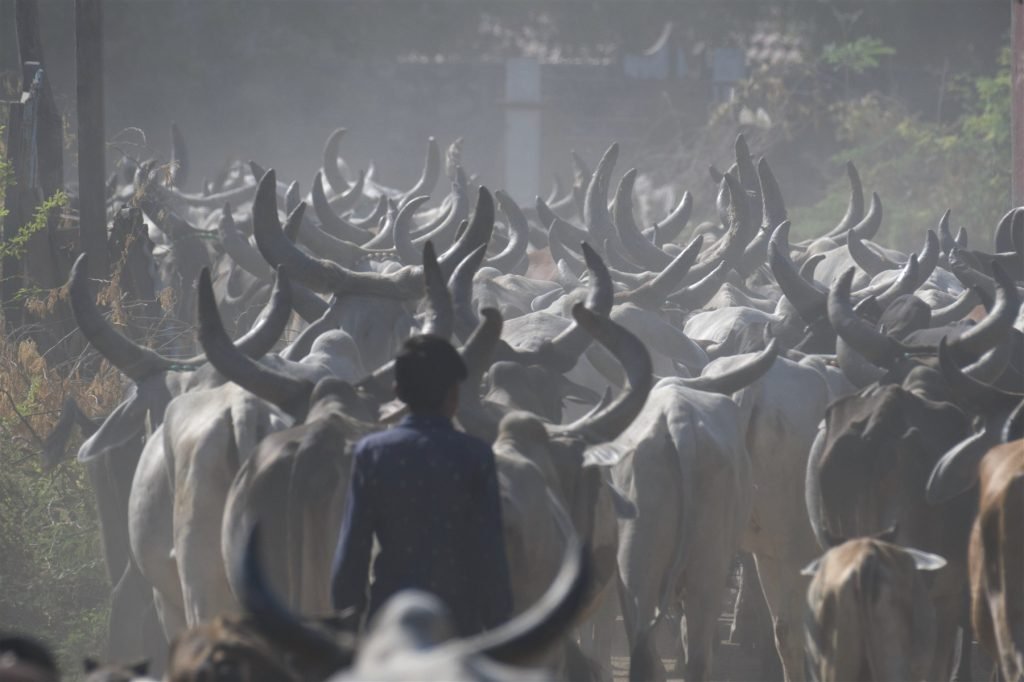
Asia’s finest grassland — birds, wildlife & herders
 WONDER
Rann of Kutch
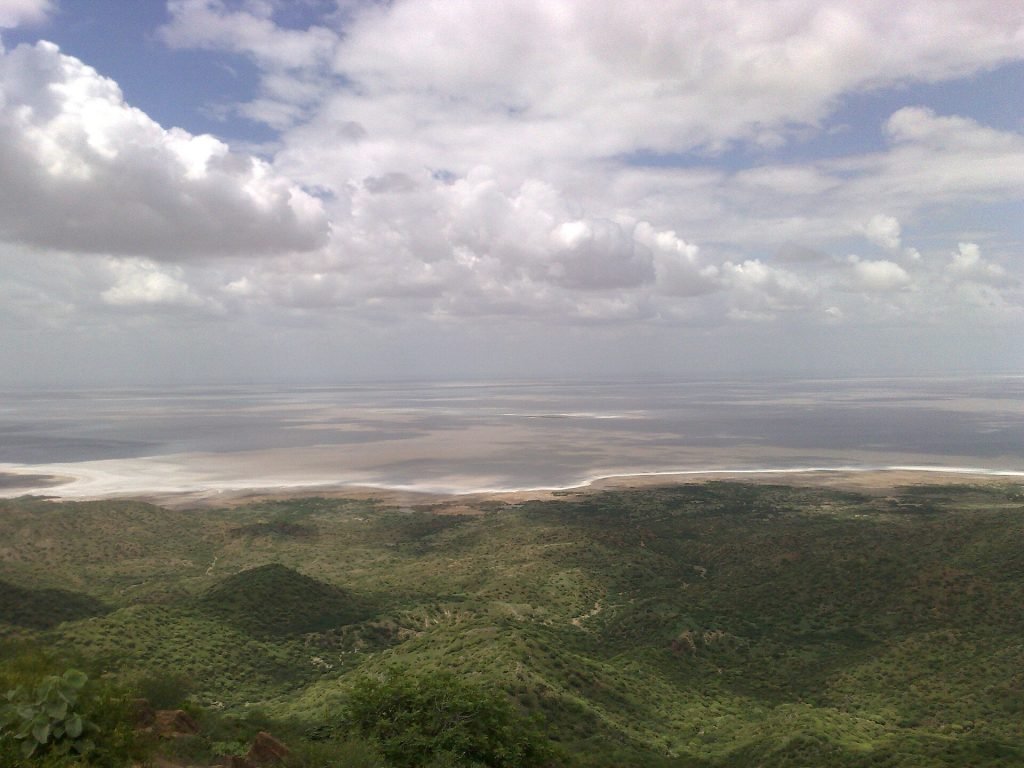
World’s largest salt desert, glowing under the full moon
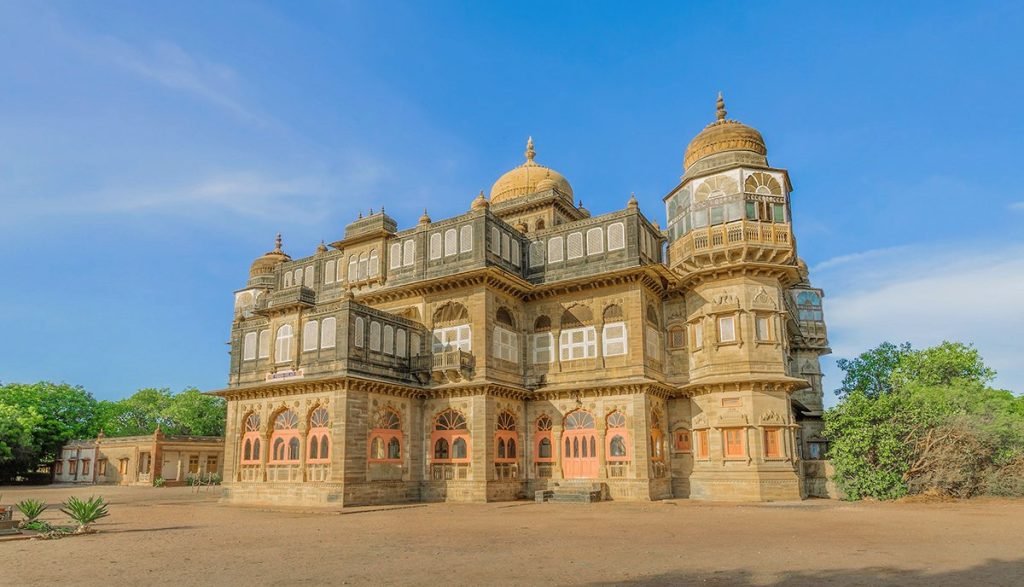 CRAFTS
Vijay Vilas Palace
Living villages of weaving & mirror embroidery
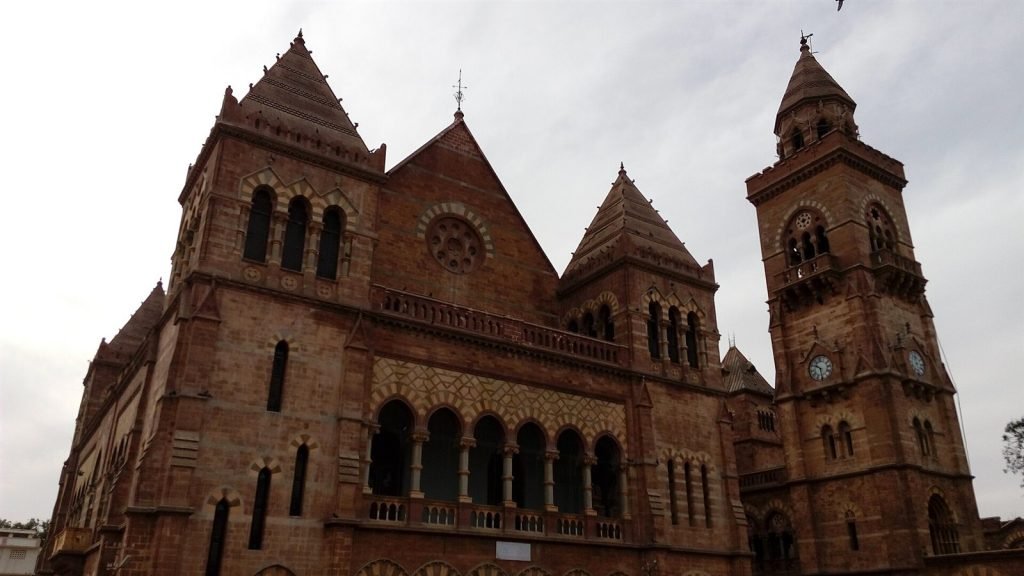 HERITAGE
Bhuj
The walled royal capital — palaces, bazaars & museums
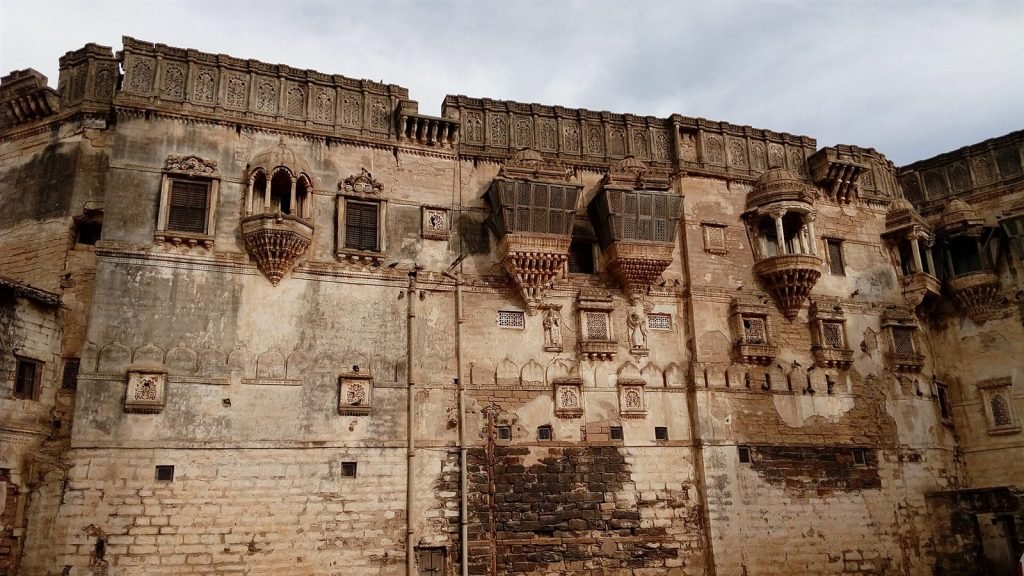 PALACE
Aina Mahal
The 18th-century ‘Hall of Mirrors’
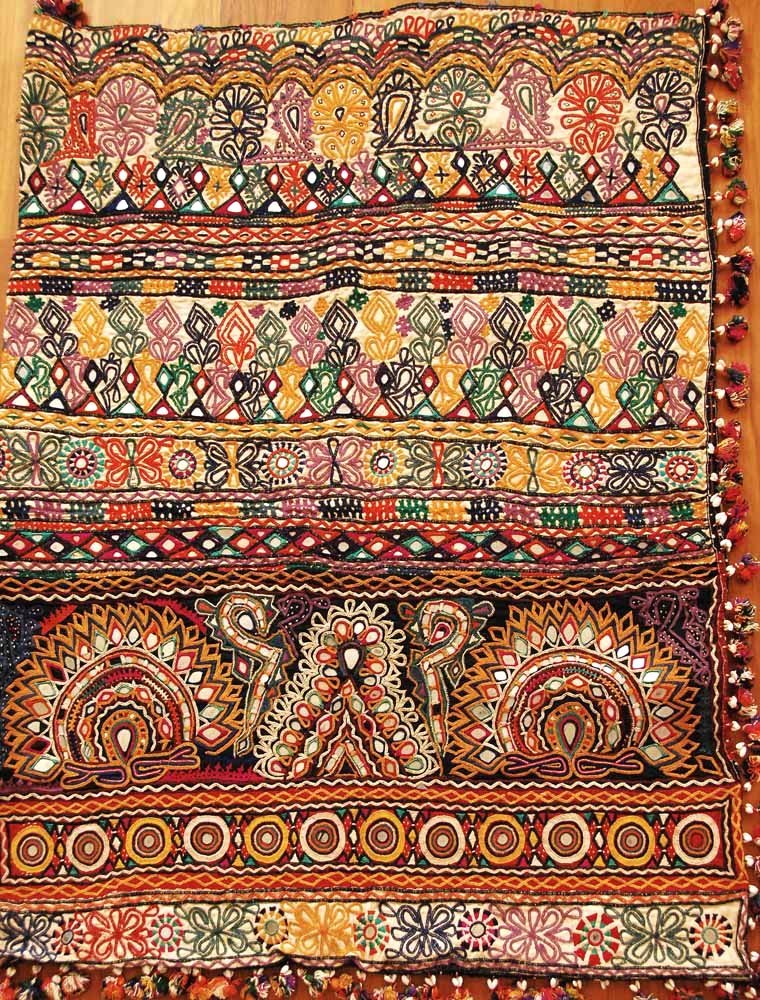
Craft Villages
◐ Colour & artisans
Where to eat near Lakhpat Fort
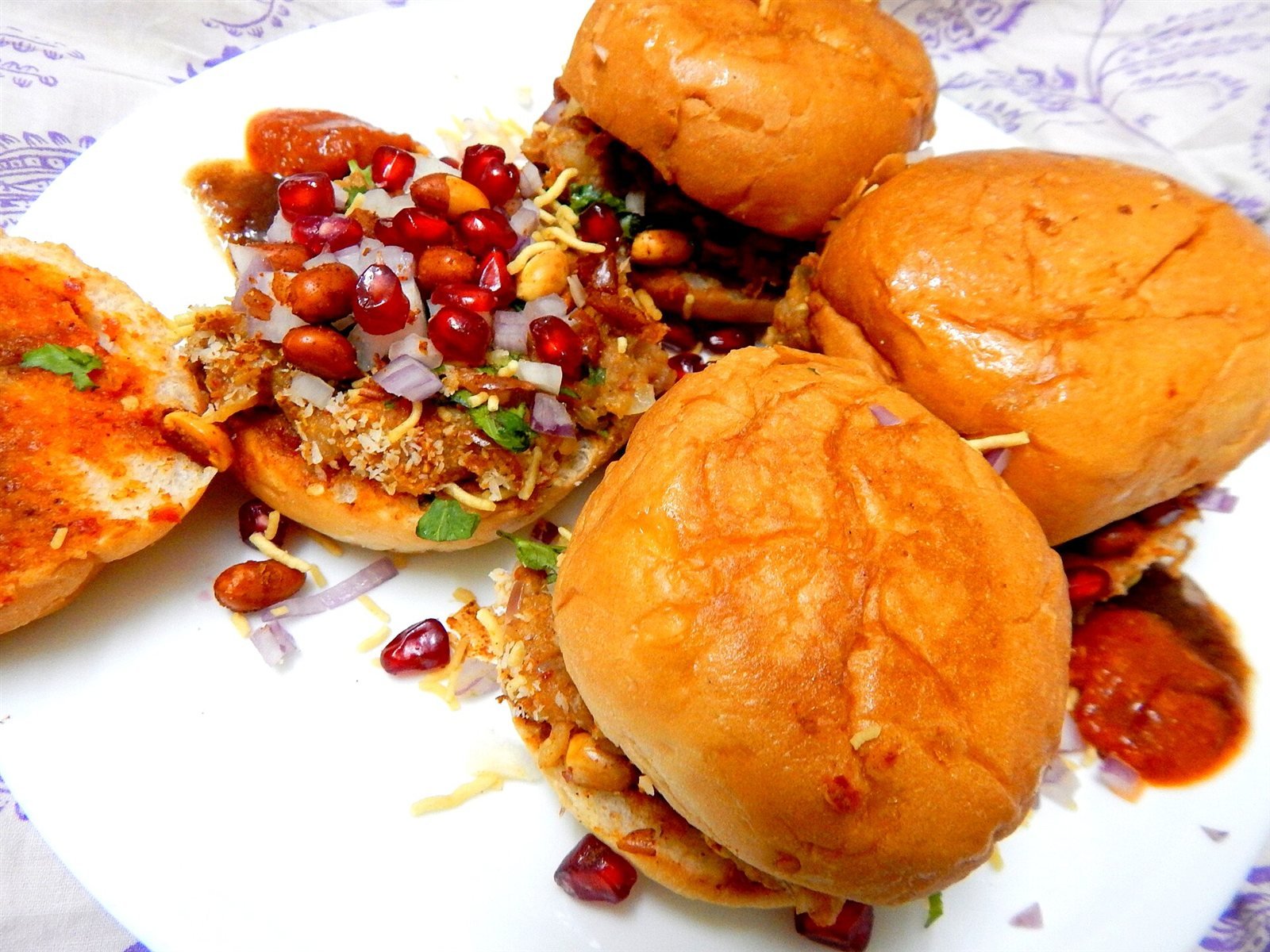 STREET FOOD
Kutchi Dabeli
The spicy-sweet potato bun born in Mandvi.
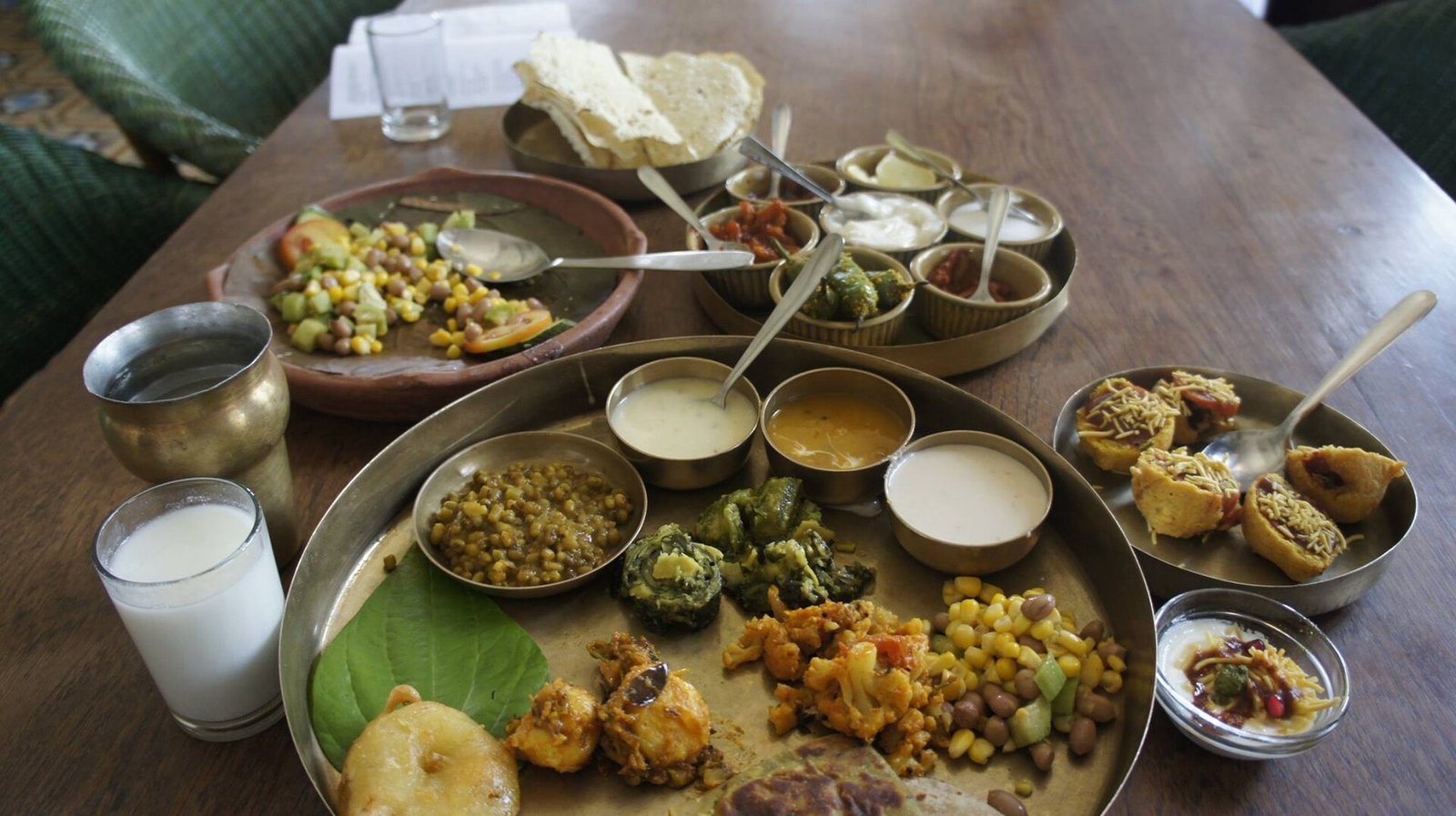 THALI
THALIKachchhi Thali
Bajra rotla, kadhi and ghee-rich local fare.
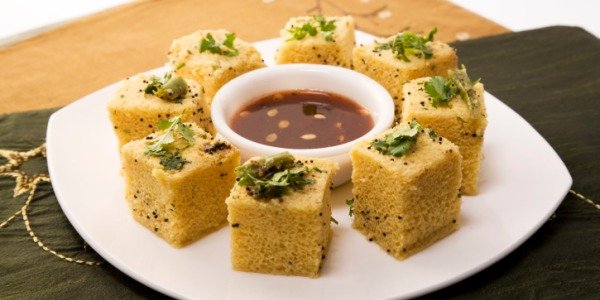 SNACKS
Farsan & sweets
Dabeli, bhungra-bateta and Kutchi sweets.
Largely vegetarian
Kutch is mostly veg — carry water on desert trips.
Lakhpat Fort FAQ
Where is Lakhpat Fort?
In the far north-west of Kutch, on Kori Creek, about 130 km from Bhuj.
Why is it a ghost town?
An 1819 earthquake diverted the Indus, drying up its port and emptying the town.
What does 'Lakhpat' mean?
Roughly 'place of lakhs', from the wealth its port once earned daily.
What survives inside?
About 7 km of walls, a Guru Nanak Gurudwara, a Sufi tomb and a mosque.
Is there an entry fee?
No, entry is free.
What are the timings?
Daylight hours; it's remote with few facilities.
How do I get there?
A long road journey from Bhuj via Dayapar; carry fuel and water.
What can I combine it with?
Narayan Sarovar and Koteshwar, both nearby on the far coast.
Related places across Gujarat
 TOWN
TOWNLimkheda
A gateway town of the highlands
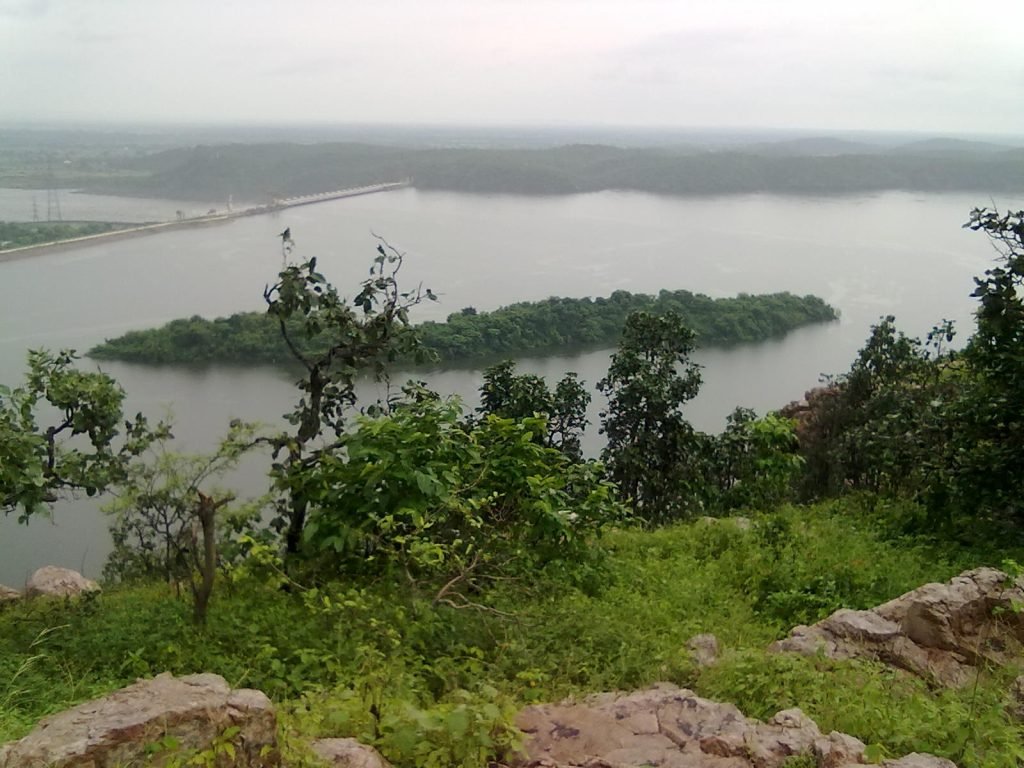 DAM
DAMKadana Dam
A mighty reservoir on the Mahi river
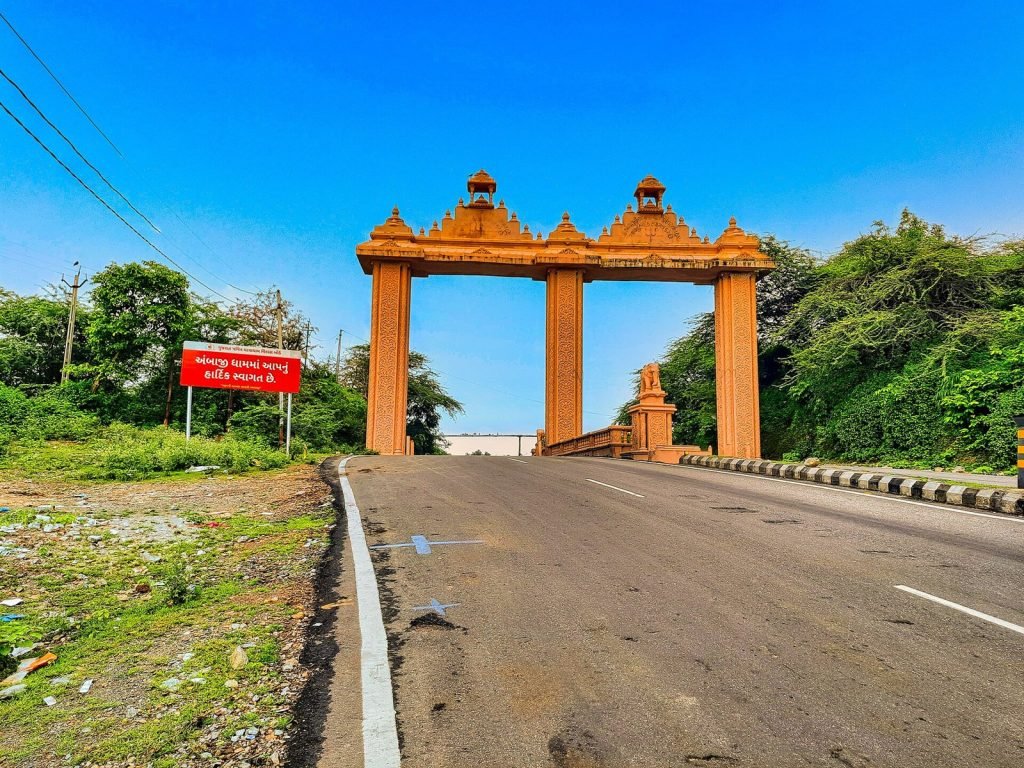
Hanuman Dandi
A 12th-century temple to Krishna’s queen
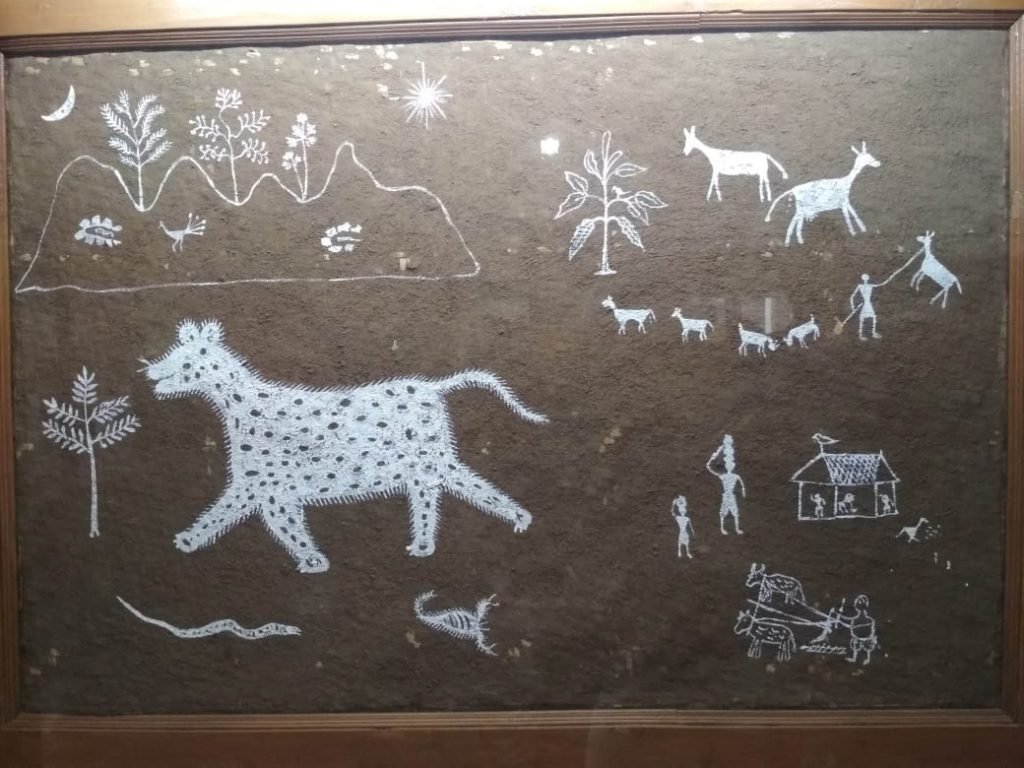 VILLAGES
Rathwa Hamlets
Living Adivasi communities
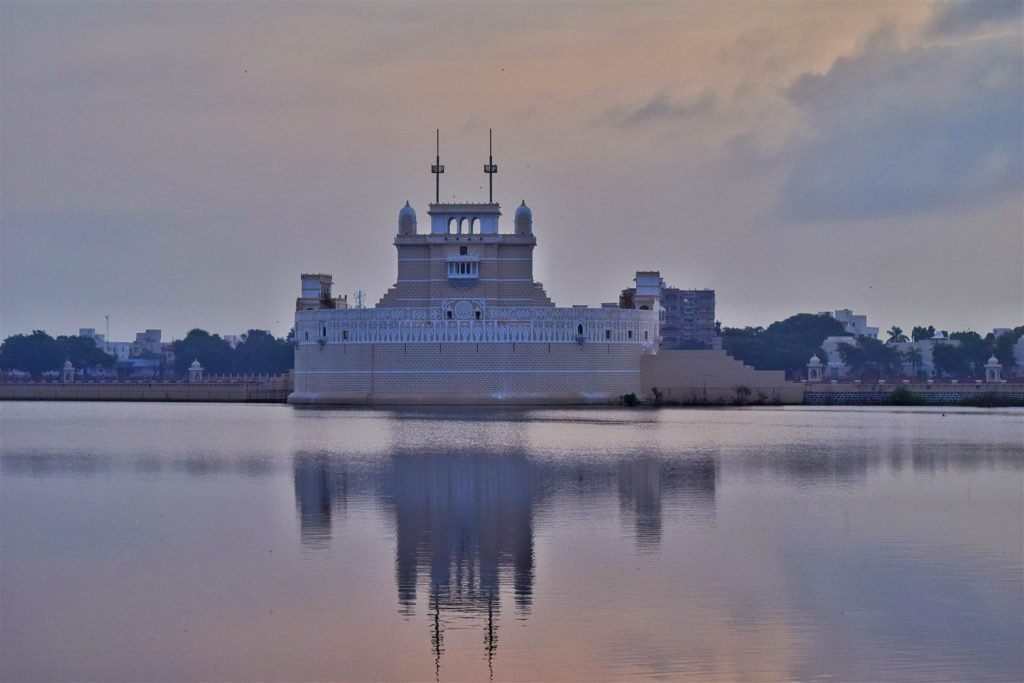 FORT
FORTLakhota Lake & Palace
An island fort-museum in the middle of Ranmal Lake

Broach Clock Tower
Time in old Broach — the historic clock tower of Bharuch, a British-era civic landmark that…
WHERE TO STAY
Find your stay in Gujarat
Compare live prices across the big booking sites and reserve in a few taps. Booking happens securely on the partner's site — we may earn a small commission at no extra cost to you.
Book directly on our partner sites — tap a provider to see live Gujarat hotels & prices:
SHOP THE REGION
Bring home Gujarat — & travel essentials
Hand-picked crafts and trip gear, available on Amazon.
Published 24 June 2026 · Updated 24 August 2026
We’re an independent group of writers and travellers documenting every corner of Gujarat — one place, plate and festival at a time.