
Kutch's patron goddess
Ashapura Mata — whose name means ‘she who fulfils hopes’ — is the patron goddess (Kuldevi) of Kutch and of its former Jadeja rulers, the most revered deity across the region. Her principal shrine stands at Mata no Madh, about 95 km north-west of Bhuj.
Mata no Madh lies about 95 kilometres north-west of Bhuj, and the road out — through Nakhatrana’s scrub and the low hills — is part of the pilgrimage’s character. The Ashapura padyatra each Navratri fills that road with walking devotees from across Kutch, banners and drum carts moving through the nights; outside the fair the shrine keeps a desert quiet.
Mata no Madh’s great occasions are the twice-yearly Navratri fairs — Chaitri and Aso — when the walking pilgrims arrive: thousands on foot from every corner of Kutch, some from Mumbai’s Kutchi diaspora, days on the road with flags and drums, converging on the shrine in one of western India’s great pedestrian pilgrimages. The temple stands about ninety minutes west of Bhuj on the Narayan Sarovar road, and the fairs transform the whole route.
Off-season, the madh rewards a quieter devotion — the dark stone image, the Jadeja rulers’ endowments, and the desert hills around. Pair it with the far-western pilgrimage pair of Narayan Sarovar and Koteshwar for Kutch’s full sacred west.
The temple draws enormous numbers of devotees, above all during Navratri, when thousands undertake a padyatra — walking for days across Kutch to reach the goddess. Twice-yearly fairs fill the small town with pilgrims, music and devotion.
The shrine has been rebuilt after the earthquakes that have repeatedly struck Kutch, most recently in 2001, and remains the spiritual heart of the region — a place where Kutchi identity and faith come together.
The Jadeja goddess, rebuilt after every quake
The kuldevi of Kutch, revered for centuries.
Ashapura Mata is venerated as the kuldevi of Kutch and its Jadeja rulers.
The shrine at Mata no Madh grows into the region's foremost temple.
Earthquakes damage the temple, which is faithfully rebuilt each time.
The spiritual heart of Kutch, thronged at Navratri.
Reasons to make the time
Kuldevi of Kutch
The region's patron and most revered goddess.
Wish-fulfilling
'Ashapura' means she who fulfils hopes.
Navratri padyatra
Thousands walk for days to reach the shrine.
Great fairs
Twice-yearly fairs fill the town with pilgrims.
Rebuilt with faith
Restored after repeated earthquakes.
Cultural heart
Central to Kutchi identity and devotion.
What to look for inside
Ashapura Mata
The guardian goddess of Kutch.
Navratri
The great padyatra and fairs.
How to spend an hour or two
Take darshan
Offer your respects to Ashapura Mata.
Feel the devotion
Sense the faith that draws all of Kutch here.
Visit at Navratri
Witness the padyatra and the great fair, if you can.
Walk the complex
Explore the temple precinct at Mata no Madh.
Learn the lore
Hear how she became Kutch's kuldevi.
Combine the west
Pair with a wider western-Kutch trip.
A rebuilt shrine to the kuldevi
The Ashapura Mata temple at Mata no Madh is a working pilgrimage shrine that has been rebuilt more than once after the earthquakes that periodically strike Kutch. The present complex centres on the sanctum of the goddess, set within a walled precinct with halls and facilities sized for the huge crowds of festival days.
Its importance is devotional rather than monumental: this is the emotional and spiritual centre of Kutch, where the bonds between the land, its people and their guardian goddess are renewed — most powerfully during the Navratri pilgrimage.
See what else is nearby in our guide to Kutch.
Sanctum of Ashapura Mata
Walled pilgrimage precinct
Rebuilt after earthquakes
Vast festival-day capacity
When to go
Cool and dry — the most pleasant time for darshan and travel.
Green but humid; the remote west can be harder to reach.
Very hot desert heat; visit early morning or evening.
⏰ Visit during Navratri for the padyatra and fair — or a quiet winter morning for calm darshan.
Timings & entry
- Open daily for darshan, early to late
- Vast crowds during the Navratri fairs
- Dress modestly; remove footwear
- It's remote — plan the drive from Bhuj
- No entry fee for darshan
- Pilgrim facilities and stays in the town
- Carry water for the journey
- Expect huge crowds at festival times
Getting there
By Air
Bhuj Airport (~95 km), then a road transfer.
By Rail
Bhuj is the railhead; Mata no Madh is ~95 km by road.
By Road
Drive north-west from Bhuj via Nakhatrana to Mata no Madh.
At the temple
FAITH & DEVOTION
The spiritual heart of Kutch
Be respectful
Always ask before photographing the deity or pilgrims.
Navratri
If you visit then, the devotion is the real subject.
Sanctum
Inner-shrine photography is often not allowed.
Best time
Early morning is calmer and softly lit.
Know before you go
More to see close by
Road to Heaven
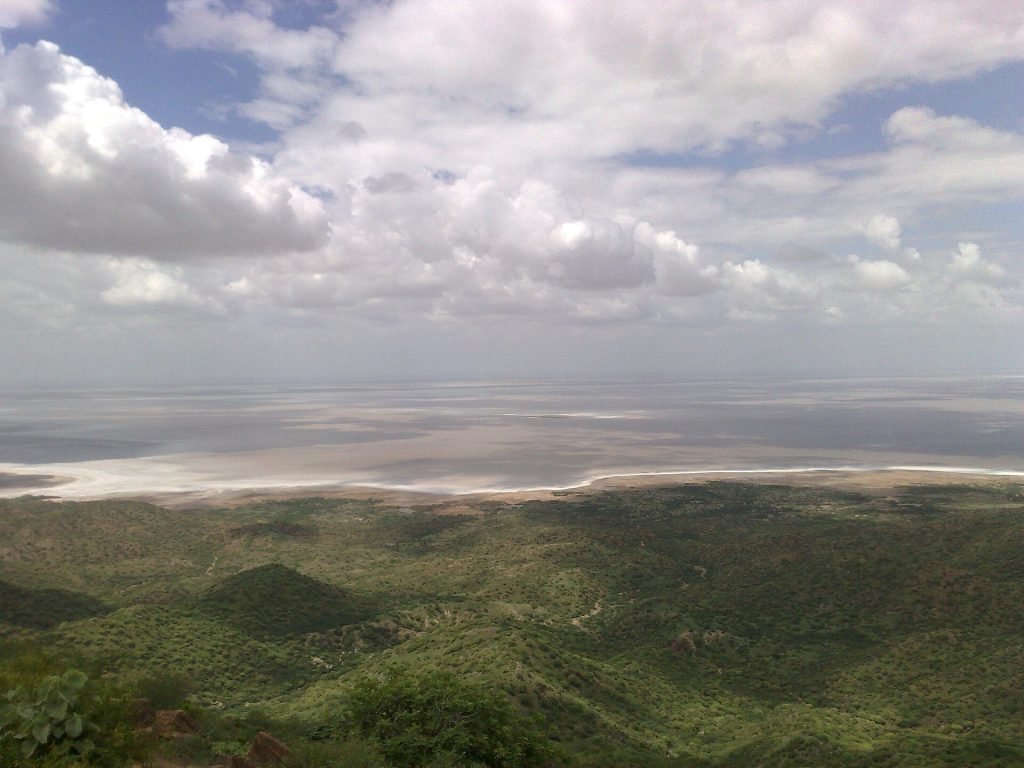
Hilltop shrine famed for feeding jackals
 HERITAGE
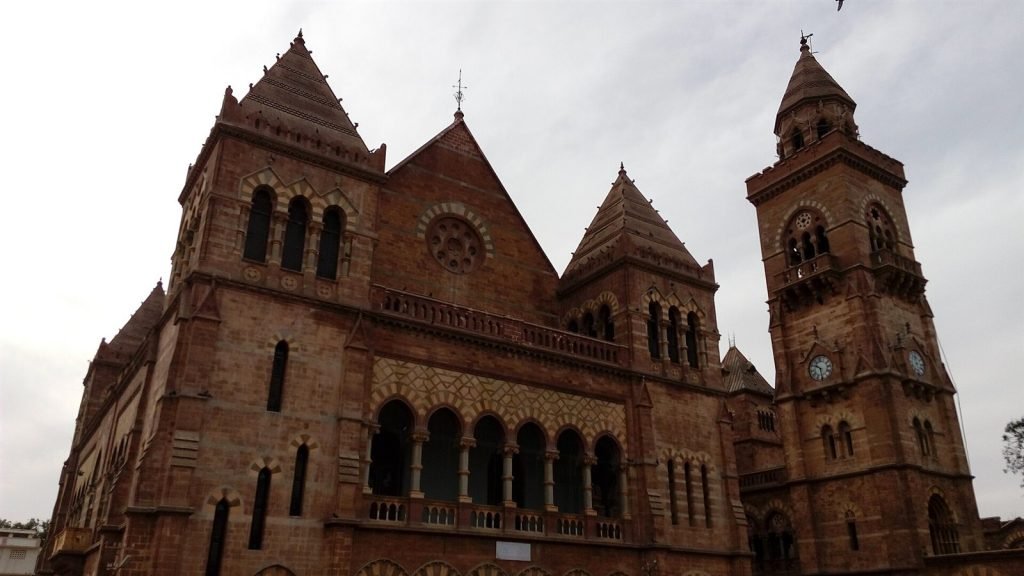
Bhuj
The walled royal capital — palaces, bazaars & museums
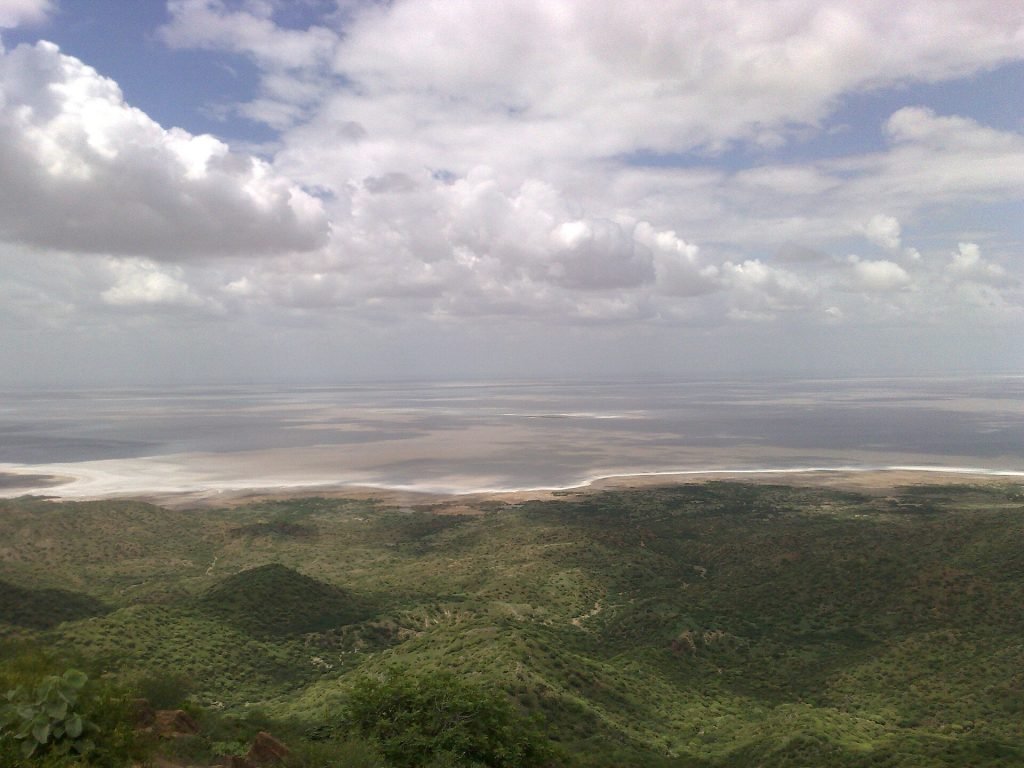
The White Rann
◐ Full moon · blue hour
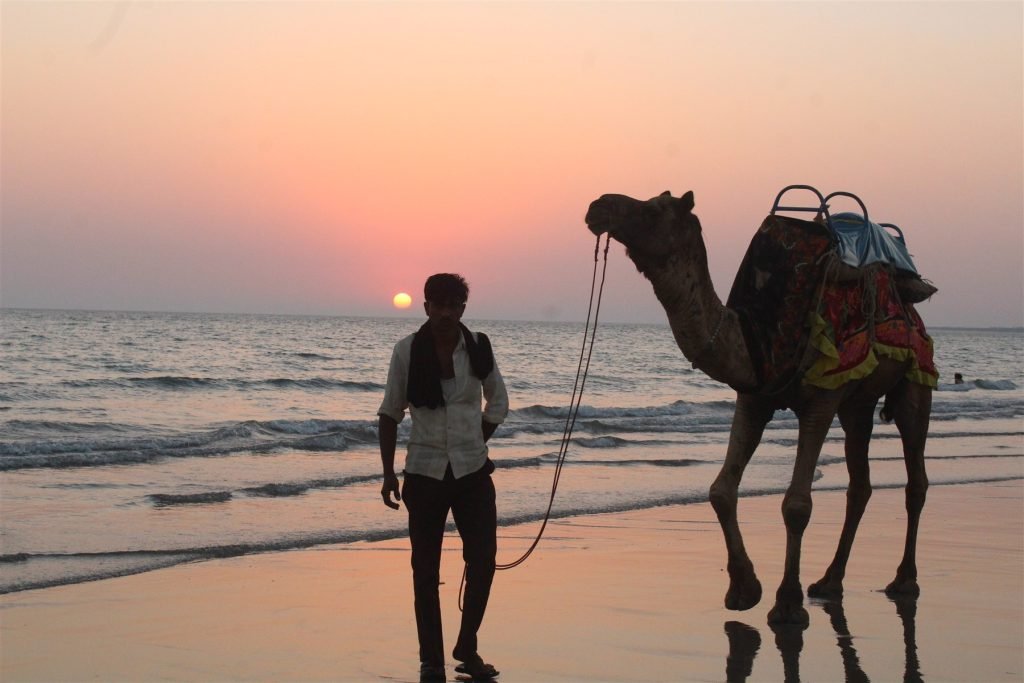 BEACH & PALACE
Mandvi Beach
Golden sands beside the royal Vijay Vilas Palace

Bhadreshwar Jain Temple
Seaside temple in the old port town
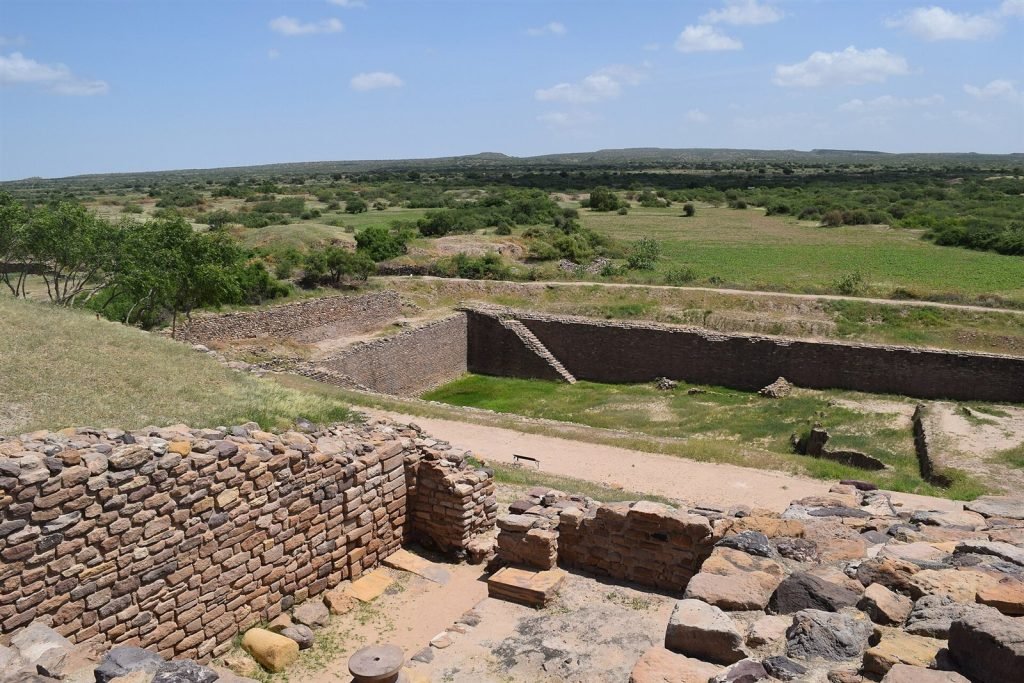 UNESCO
Dholavira
A 4,500-year-old Harappan city & ancient water system
Where to eat near Ashapura Mata no Madh
Kutchi Dabeli
The spicy-sweet potato bun born in Mandvi.
Kachchhi Thali
Bajra rotla, kadhi and ghee-rich local fare.
Farsan & sweets
Dabeli, bhungra-bateta and Kutchi sweets.
Pure-veg & prasad
Temple areas are vegetarian; many offer prasadam.
Ashapura Mata no Madh FAQ
Where is Ashapura Mata no Madh?
At Mata no Madh, about 95 km north-west of Bhuj in Kutch.
Who is Ashapura Mata?
The patron goddess (Kuldevi) of Kutch and its former Jadeja rulers.
What does 'Ashapura' mean?
'She who fulfils hopes/wishes'.
Is there an entry fee?
No, darshan is free.
When is it busiest?
During Navratri, when thousands walk a padyatra to the shrine.
What are the timings?
Roughly 5 AM to 9 PM.
How do I get there?
Drive ~95 km north-west from Bhuj via Nakhatrana.
Why does the page use an illustration?
No freely-licensed photo of the actual shrine was available, so a Shakti emblem is shown instead.
Related places across Gujarat

Swaminarayan Temple, Anand
The white marble of the Akshar tradition — Swaminarayan Temple in Anand, of the BAPS tradition,…
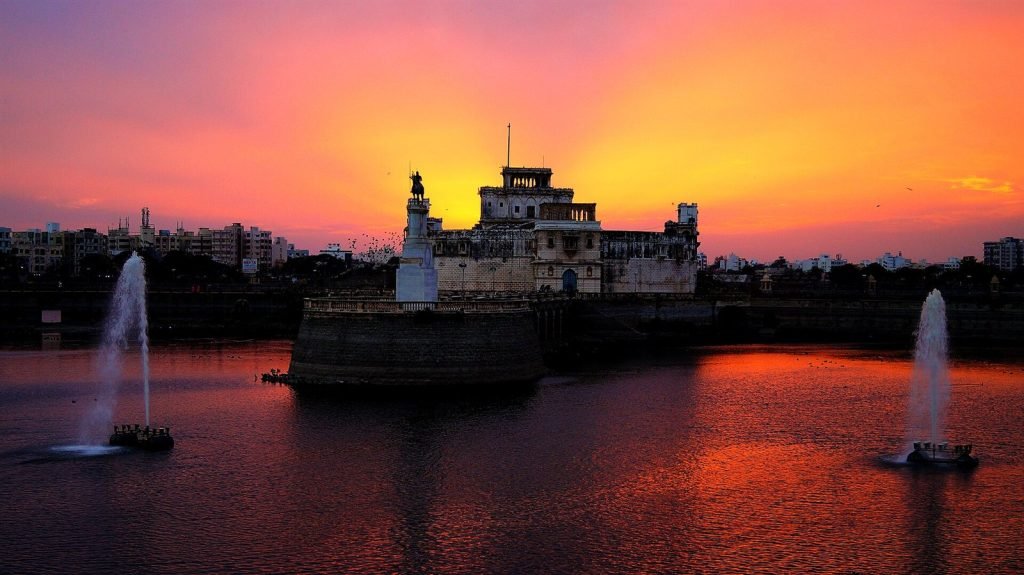
Nagoa Beach
Palm-fringed crescent bay on Diu island.
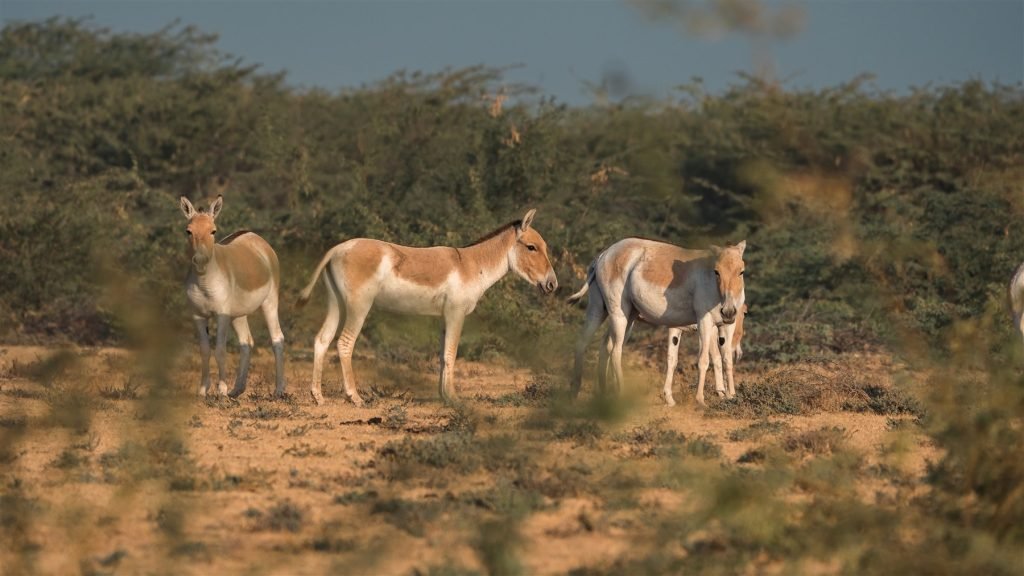 WILDLIFE
Wild Ass Sanctuary
The last refuge of the Indian khur
 MARINE PARK
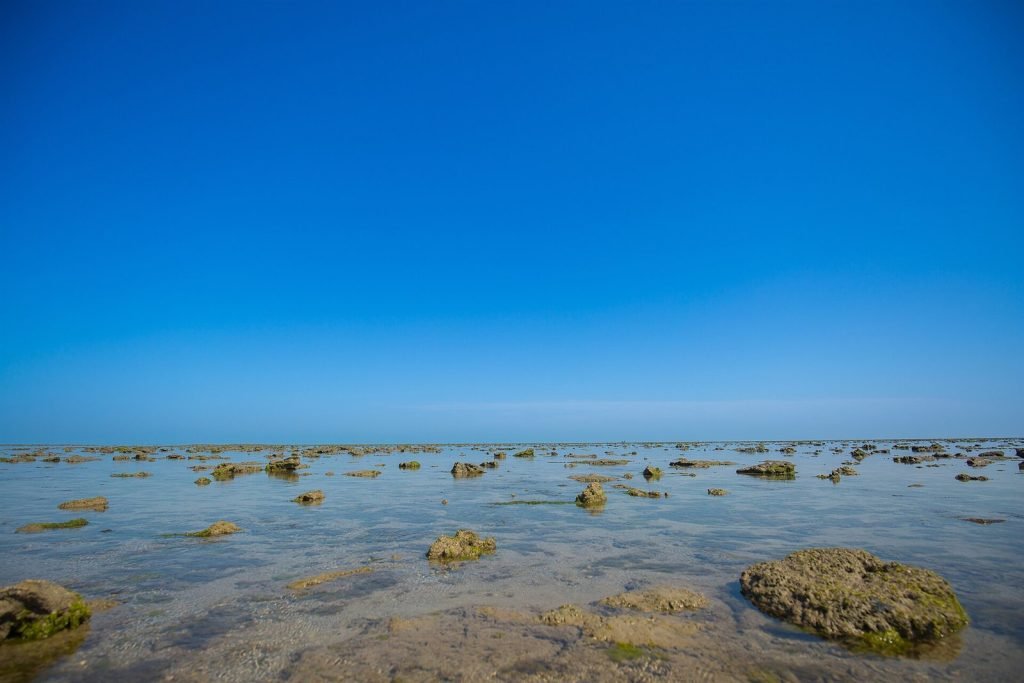
Reefs off Okha
Coral, dolphins & seabirds near Positra
Tribal Deities
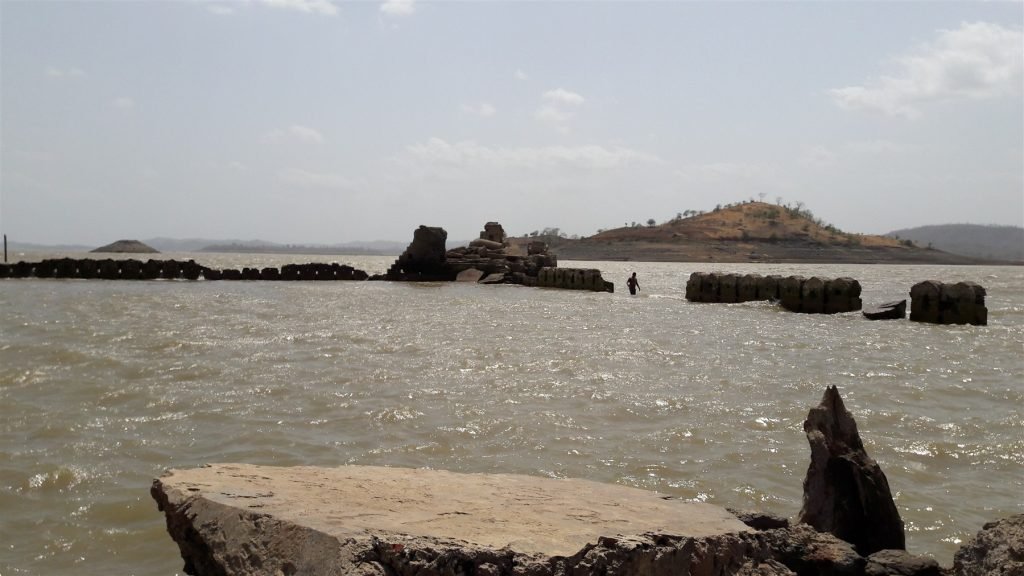
Sacred groves deep in the teak woods
 RIVER
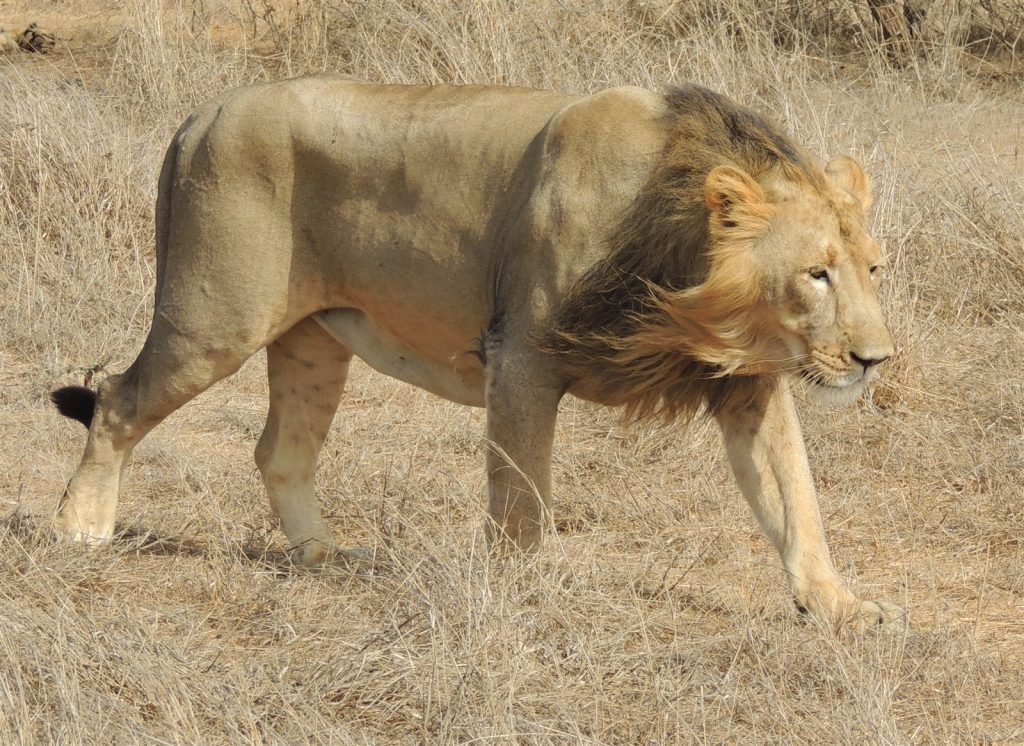
RIVERHiran & Kamleshwar
Gir’s lifeline river, dam & birdlife
WHERE TO STAY
Find your stay in Gujarat
Compare live prices across the big booking sites and reserve in a few taps. Booking happens securely on the partner's site — we may earn a small commission at no extra cost to you.
Book directly on our partner sites — tap a provider to see live Gujarat hotels & prices:
SHOP THE REGION
Bring home Gujarat — & travel essentials
Hand-picked crafts and trip gear, available on Amazon.
Published 24 June 2026 · Updated 24 August 2026
We’re an independent group of writers and travellers documenting every corner of Gujarat — one place, plate and festival at a time.