
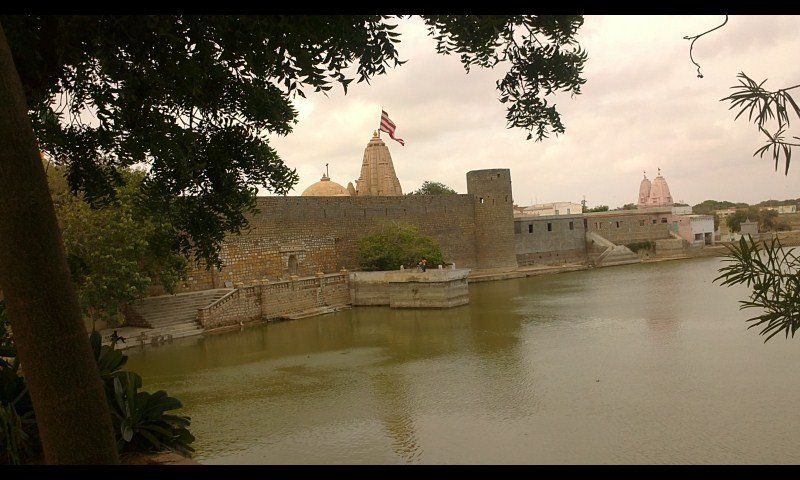
A holy lake at the edge of the land
On the remote far-western shore of Kutch lies Narayan Sarovar — the ‘Lake of Narayan’ — revered as one of the five sacred lakes of Hinduism, named in scripture alongside Mansarovar. For pilgrims, a dip here is among the holiest acts in the land.
The temple cluster sits about 130 kilometres from Bhuj on Kutch’s remote western shore, close to Koteshwar’s sea-facing Shiva shrine — the two are always visited together, and the road out passes the Narayan Sarovar sanctuary’s chinkara country. Facilities are basic and the last stretch is empty; carry fuel margin and water, and time the arrival for the evening aarti by the water.
November to February is the season for the far west — cool for the drive and the ghats alike — and darshan is free, with simple dharamshala lodging at the complex for those who stay the night.
Narayan Sarovar’s sanctity comes from scripture itself: the Bhagavata Purana counts it among the five sacred lakes — with Mansarovar, Pampa, Bhuvaneshwar’s Bindu and Pushkar — and pilgrims who complete the set treat this remote Kutch water as its westernmost jewel. The Trikamrai temple and its companion shrines, endowed by Kutch’s queens, ring the ghats; the annual Kartik fair brings the far west’s biggest gathering.
The journey is the commitment: 135 km west of Bhuj through progressively emptier country, with Koteshwar’s sea-edge Shiva shrine four kilometres on as the pilgrimage’s natural completion. Fill the tank, carry water, and let the remoteness be part of the point.
Beside the lake stands a graceful cluster of temples, the finest dedicated to Trikamrai (a form of Vishnu), with shrines to Lakshminarayan, Govardhannath and others, built and endowed by Kutchi royalty. Whitewashed walls, carved spires and a deep sense of calm define the complex.
Its magic is partly its remoteness: this is the end of the road in western India, where pilgrimage, desert and the Arabian Sea meet. Most visitors pair it with the nearby Shiva shrine of Koteshwar, a short distance further on.
The temple cluster beside the sacred lake.
One of the five sacred lakes, at the land's edge
Temples endowed by Kutchi royalty.
Narayan Sarovar is revered in scripture as one of the five sacred lakes.
Kutchi royalty build and endow the lakeside temple complex.
Pilgrims come to bathe in the holy lake and worship Trikamrai.
A serene, remote pilgrimage site at Kutch's western tip.
Reasons to make the time
Panch-sarovar
One of the five holiest lakes in Hinduism.
Temple cluster
Graceful shrines led by Trikamrai (Vishnu).
Deep calm
A serene, uncrowded pilgrimage.
Edge of India
Where desert meets the western sea.
With Koteshwar
Pairs with the nearby Shiva shrine.
Open to all
Free darshan in a remote, sacred setting.
What to look for inside
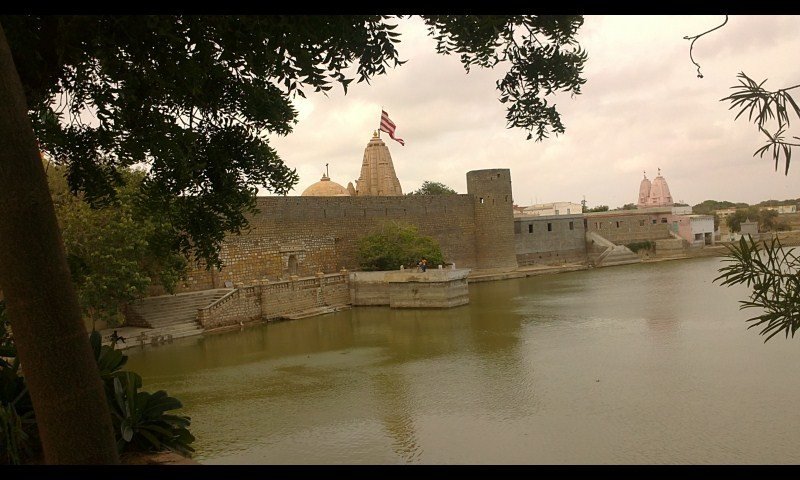 SACRED LAKE
The holy sarovar
The revered lake and bathing ghats.
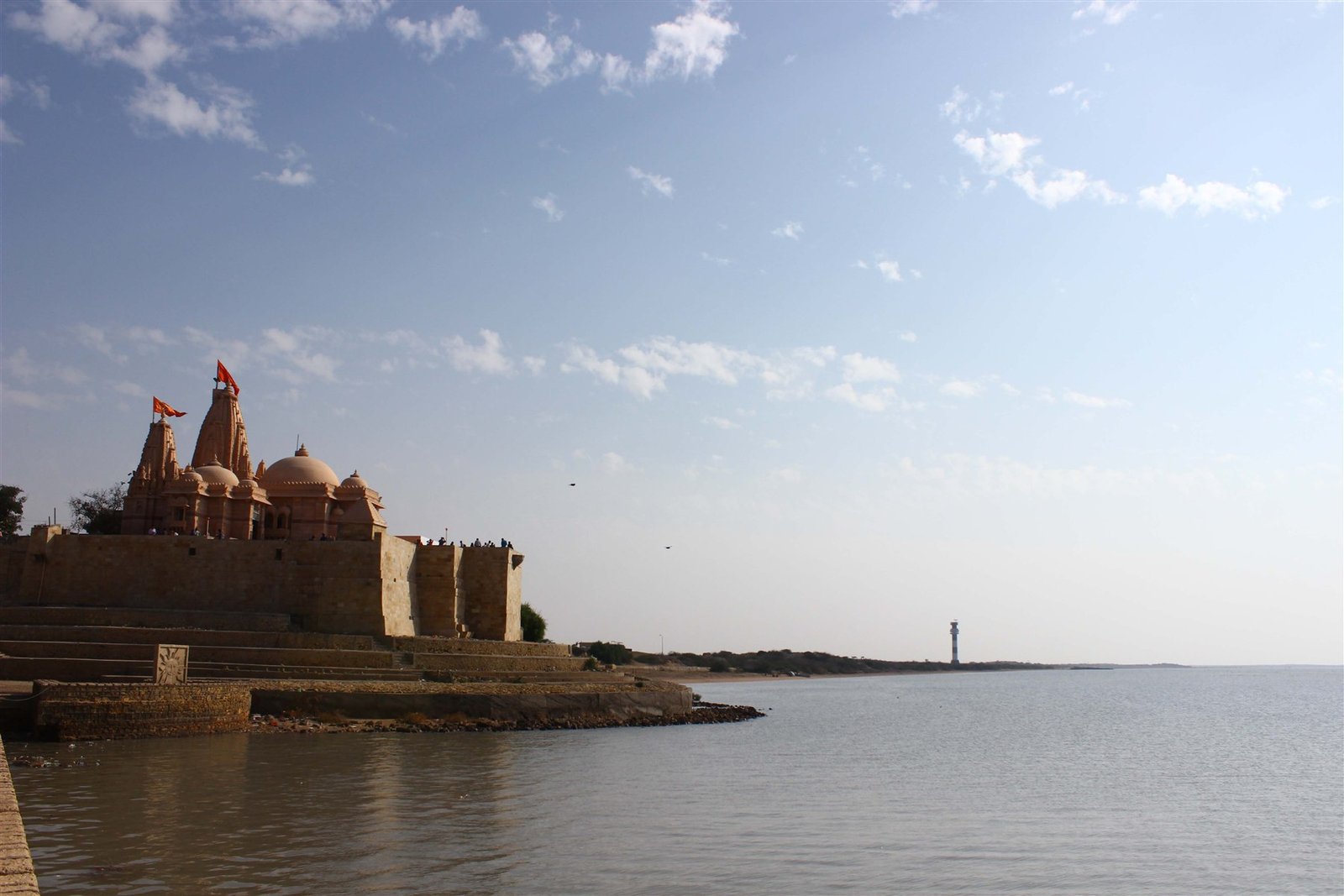 NEARBY
Koteshwar
The Shiva shrine a short way on.
How to spend an hour or two
Take darshan
Worship at the Trikamrai temple by the lake.
See the lake
Walk the ghats of the sacred sarovar.
Visit the shrines
Explore the Lakshminarayan and Govardhannath temples.
Feel the remoteness
Take in the end-of-the-land setting.
Continue to Koteshwar
Drive on to the nearby Shiva shrine.
Stay for sunset
The western light over the sea is special.
Carved spires above the lakeside complex.
Whitewashed shrines by the water
The Narayan Sarovar complex is a compact group of whitewashed temples set beside the sacred lake, their carved shikharas rising above a walled enclosure. The principal Trikamrai shrine and its companions follow traditional Gujarati temple form, with pillared halls, domes and finely worked stonework, endowed over the centuries by the Kutch royal house.
The true setting, though, is the landscape: the still water of the sarovar, the flat coastal scrub and the nearness of the sea, lending the architecture a quiet, remote grandeur.
More places to visit across the district are gathered in our Kutch travel guide.
Lakeside temple cluster
Trikamrai (Vishnu) main shrine
Carved shikharas & halls
Endowed by Kutchi royalty
When to go
Cool and dry — the most pleasant time for darshan and travel.
Green but humid; the remote west can be harder to reach.
Very hot desert heat; visit early morning or evening.
⏰ Visit in winter and pair it with Koteshwar; stay for the sunset over the western sea.
Timings & entry
- Open daily for darshan, morning to evening
- Dress modestly; remove footwear
- It's remote — plan the long drive and fuel
- Pair it with nearby Koteshwar
- No entry fee for darshan
- Pilgrim facilities and basic stays nearby
- Carry water for the remote journey
- Be respectful at the bathing ghats
Getting there
By Air
Bhuj Airport (~130 km), then a long road journey west.
By Rail
Bhuj is the railhead; Narayan Sarovar is ~130 km by road.
By Road
A long, remote drive from Bhuj via Dayapar to the western tip.
At the temple
WATER & STONE
Whitewashed shrines and a holy lake
Best light
Late afternoon over the lake and western sea.
What to shoot
The shikharas, the ghats and the temple cluster.
Be respectful
Photograph discreetly around worshippers and the ghats.
Wide views
The remote coastal setting suits sweeping frames.
Know before you go
More to see close by
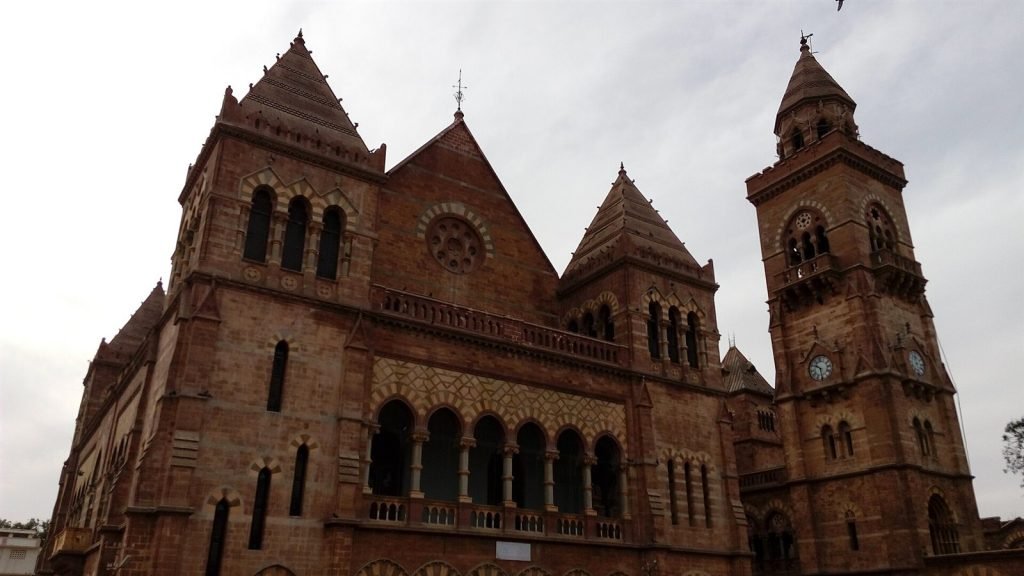 HERITAGE
Bhuj
The walled royal capital — palaces, bazaars & museums
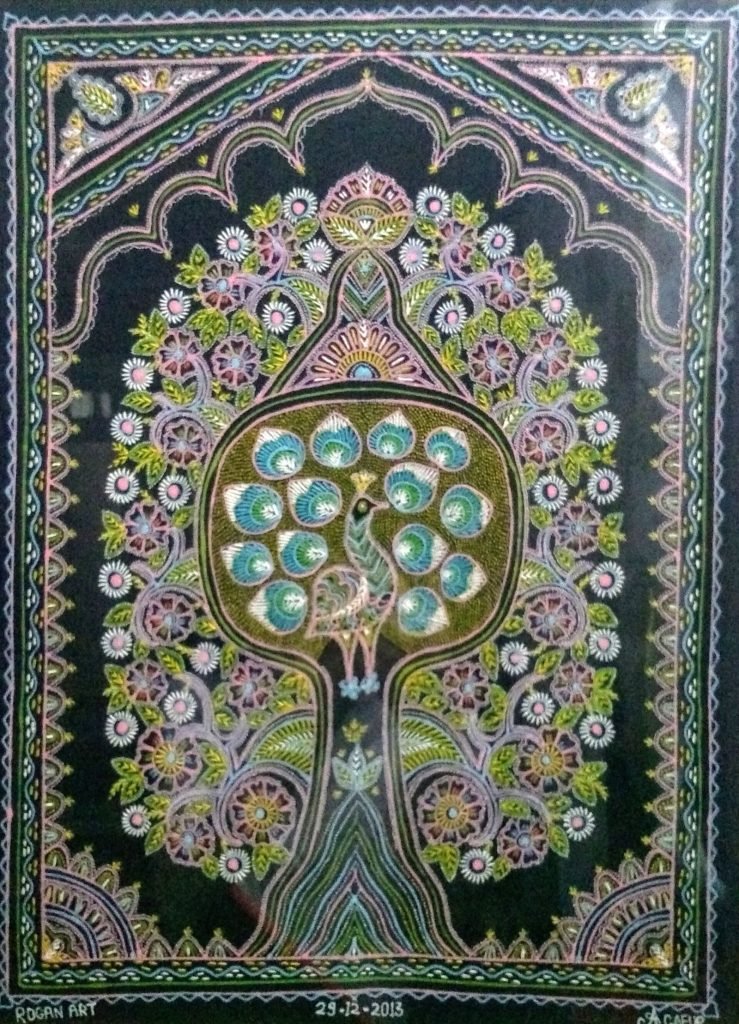 ARTISANS
Rogan Art of Nirona
Rogan art, copper bells & lacquer woodwork
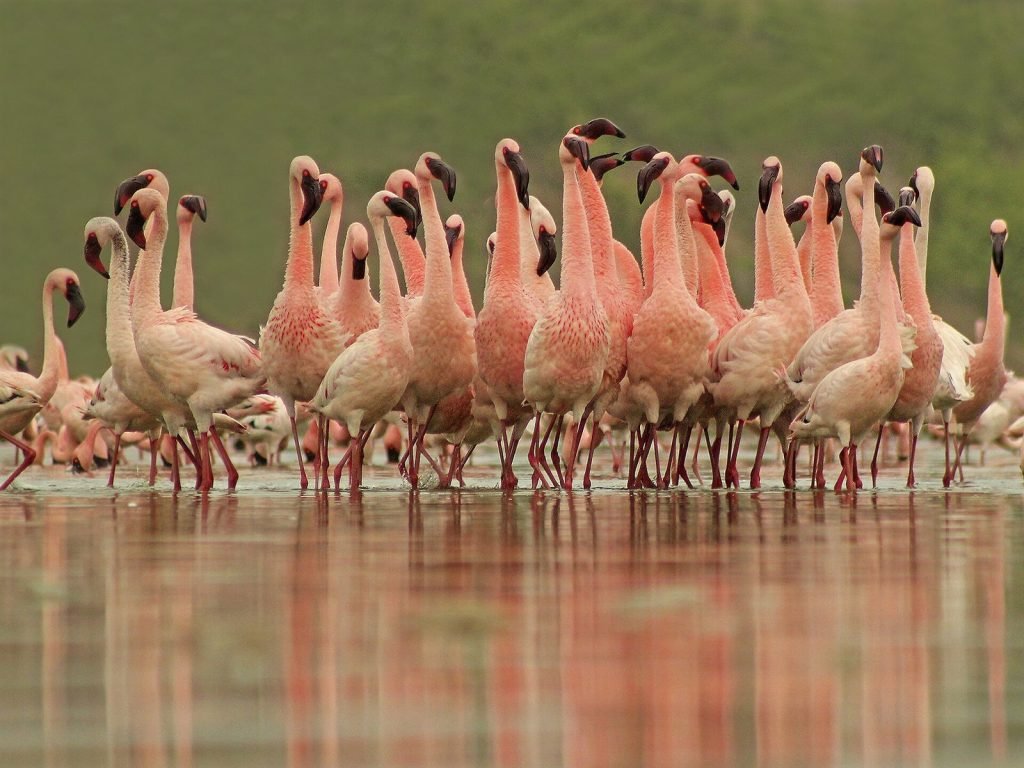 WETLAND
Chari Dhand
Seasonal wetland of flamingos, pelicans & raptors
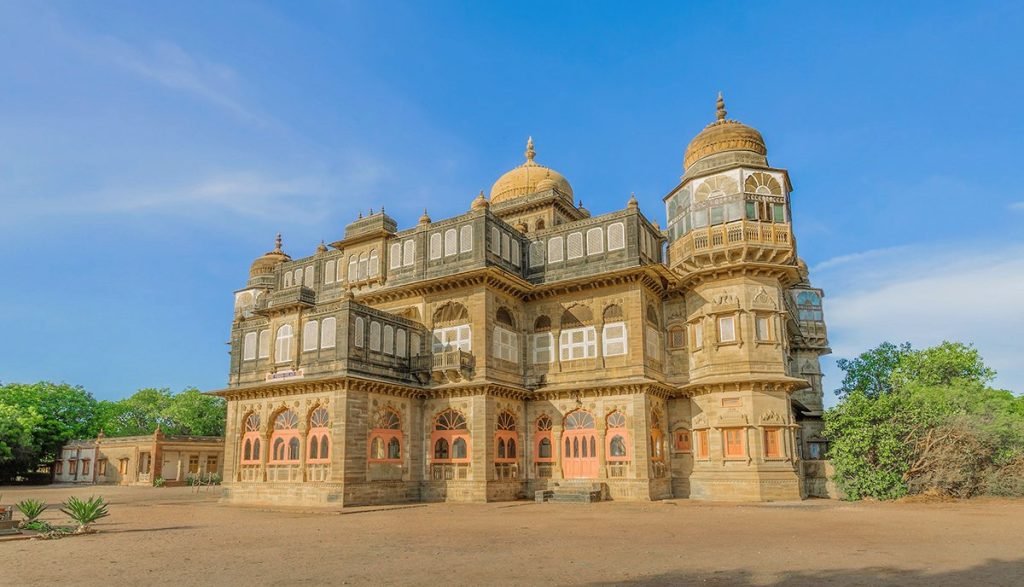 CRAFTS
Vijay Vilas Palace
Living villages of weaving & mirror embroidery
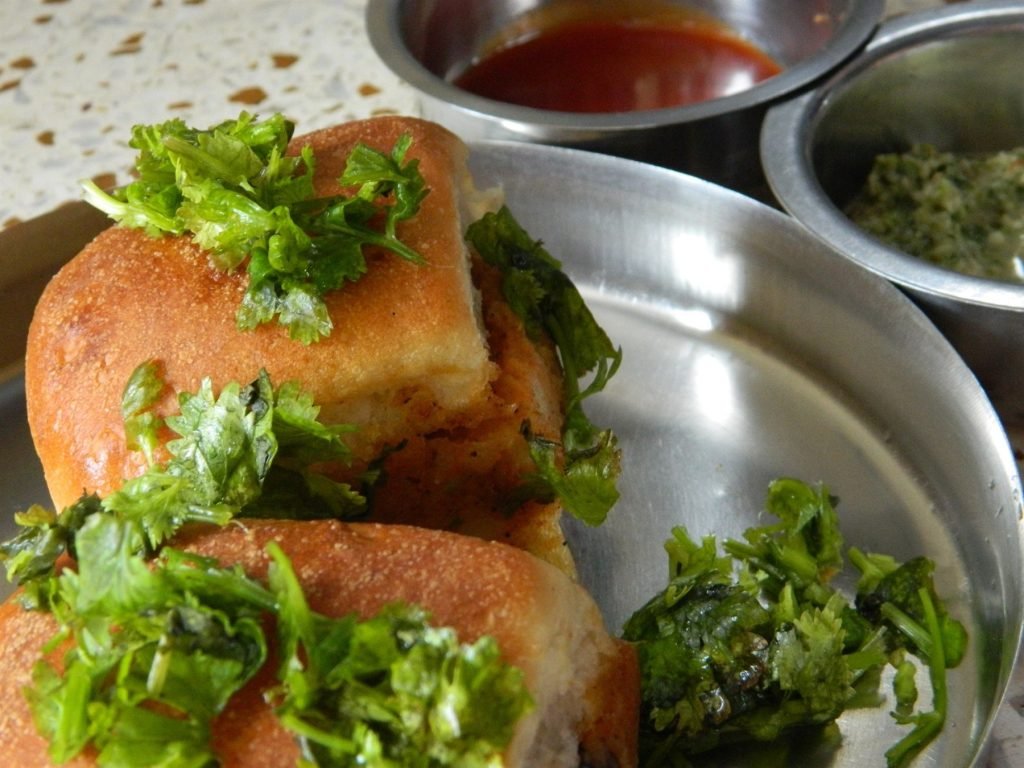 ORIGIN
Home of Dabeli
The spiced potato bun was born here in Mandvi
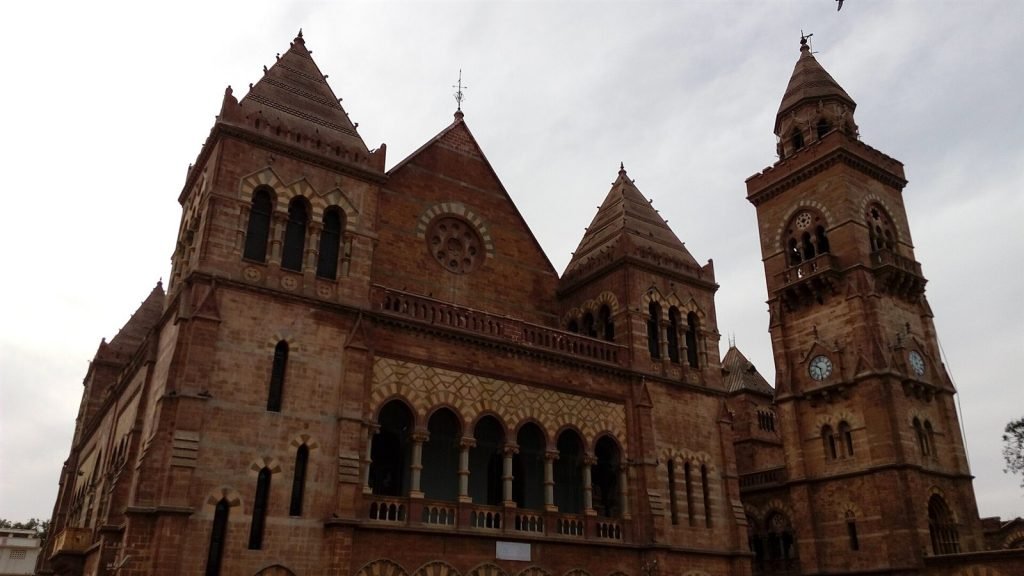
Ashapura Mata no Madh
Shrine of Kutch’s guardian goddess
Where to eat near Narayan Sarovar
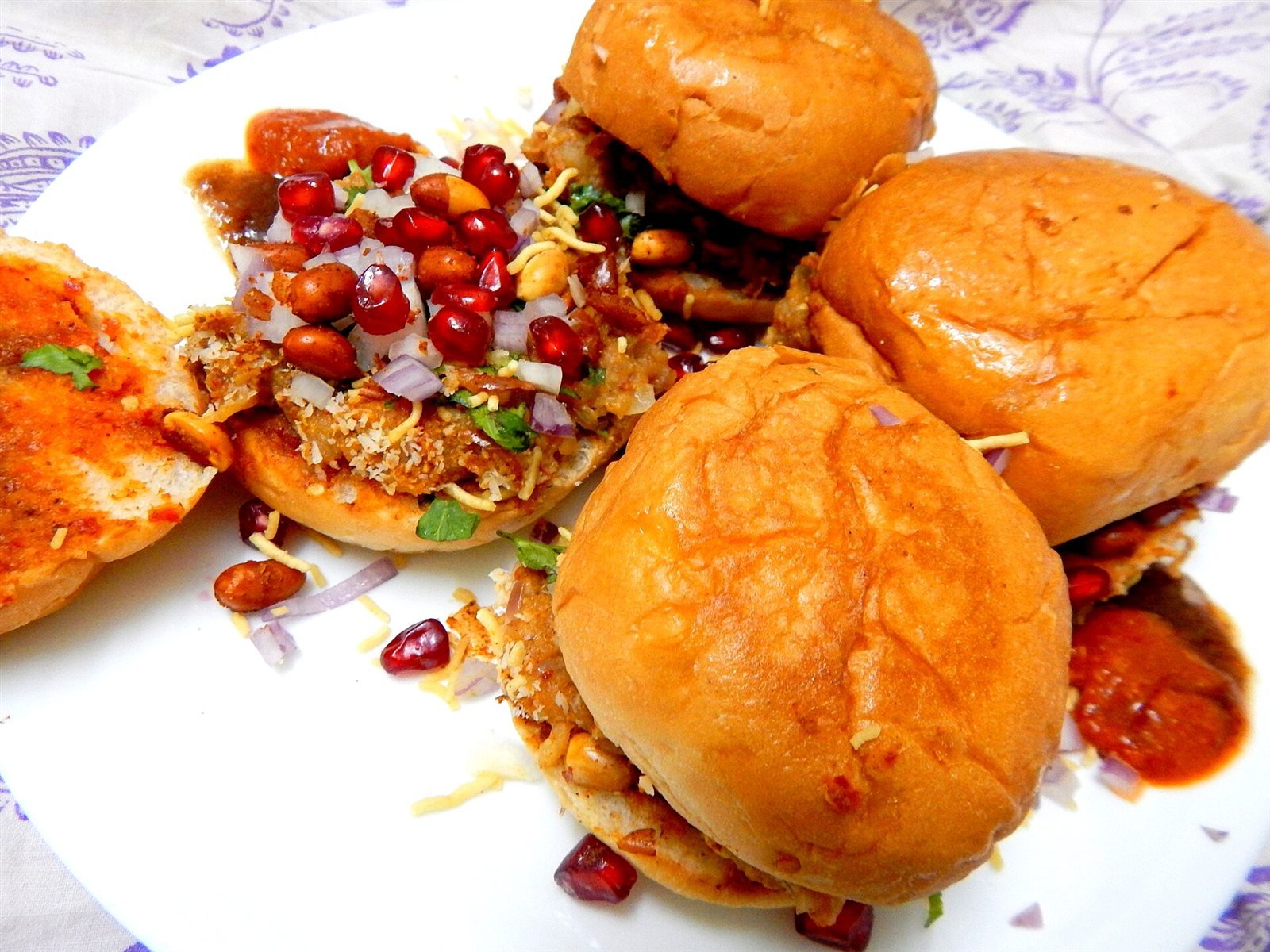 STREET FOOD
Kutchi Dabeli
The spicy-sweet potato bun born in Mandvi.
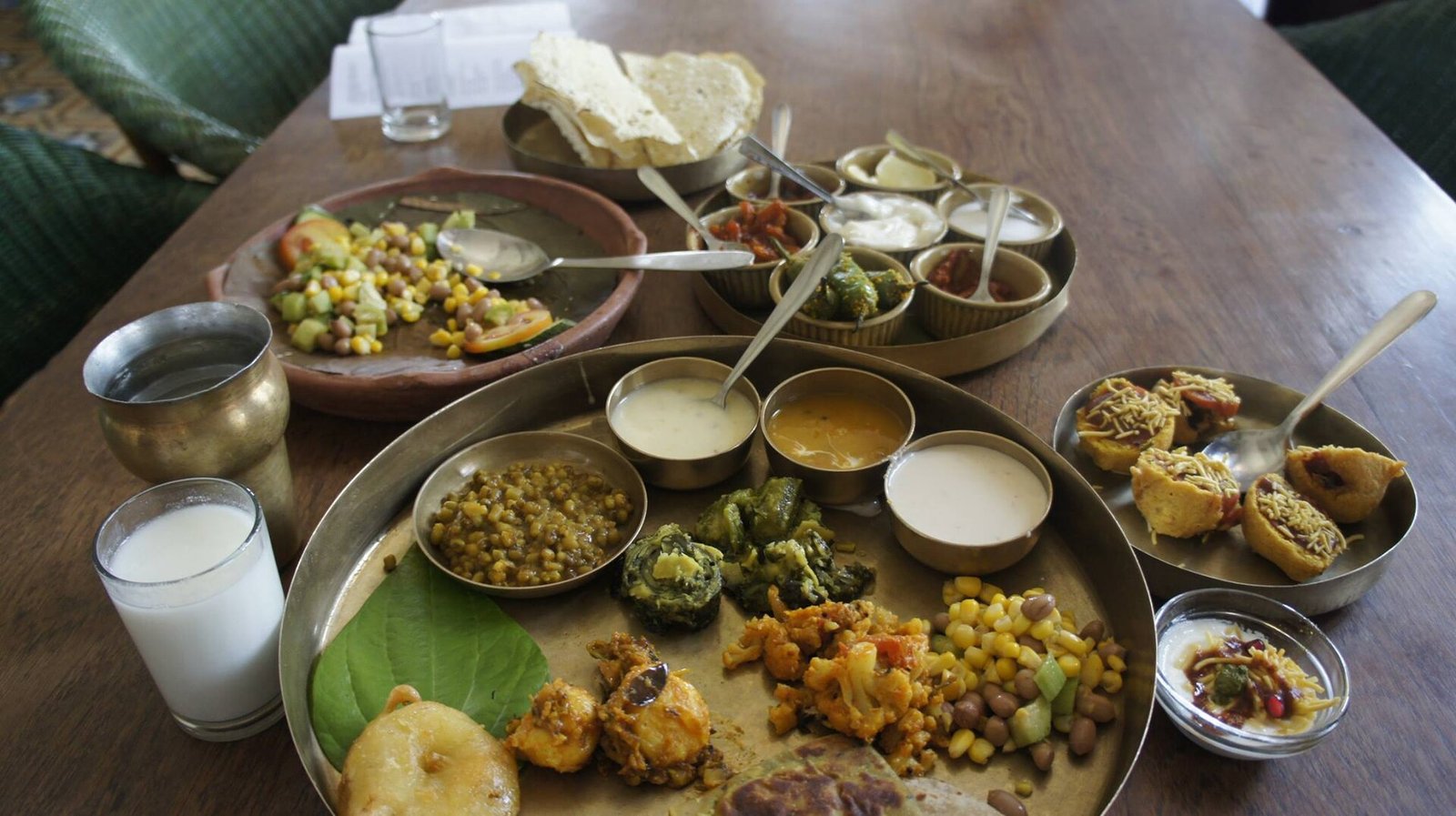 THALI
THALIKachchhi Thali
Bajra rotla, kadhi and ghee-rich local fare.
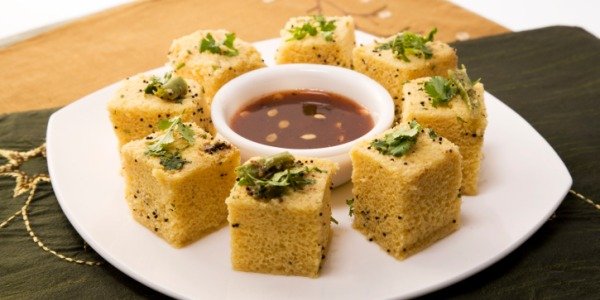 SNACKS
Farsan & sweets
Dabeli, bhungra-bateta and Kutchi sweets.
Pure-veg & prasad
Temple areas are vegetarian; many offer prasadam.
Narayan Sarovar FAQ
Where is Narayan Sarovar?
On the far-western coast of Kutch, about 130 km from Bhuj.
Why is it sacred?
It's revered as one of the five holy lakes (panch-sarovar) of Hinduism.
Which deity is worshipped?
Trikamrai, a form of Vishnu, in the principal lakeside temple.
Is there an entry fee?
No, darshan is free.
What are the timings?
Roughly 6 AM to 8 PM.
What's nearby?
The Shiva shrine of Koteshwar, about 4 km away.
How do I get there?
A long drive from Bhuj (~130 km) via Dayapar; carry fuel and water.
How long should I spend?
About 1–2 hours, longer if combined with Koteshwar.
Related places across Gujarat
 LANDMARK
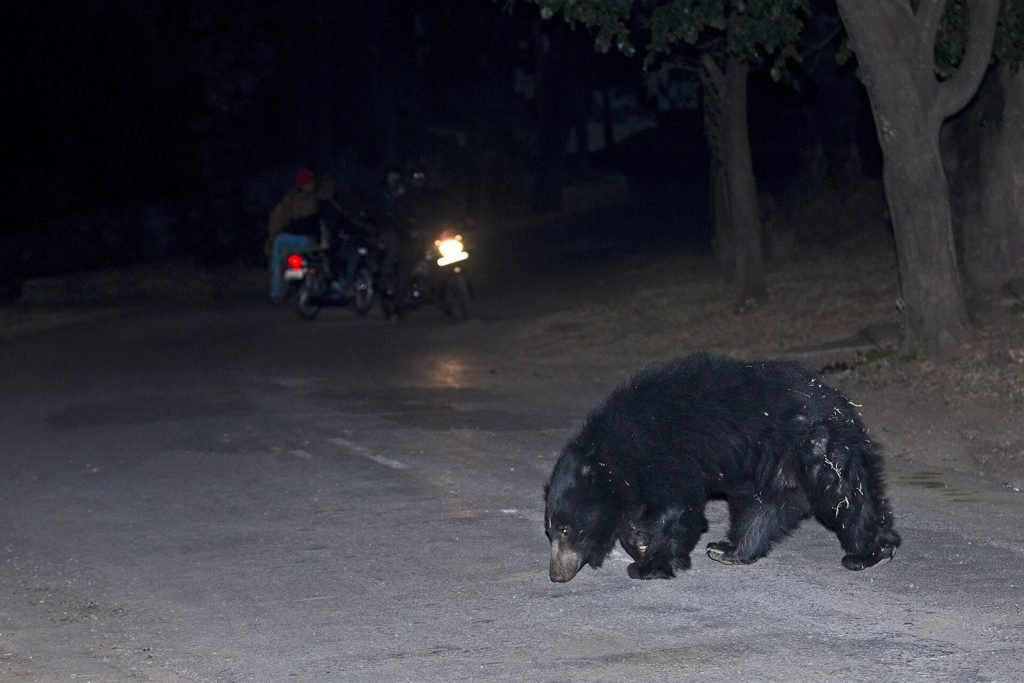
Suspension Bridge
A historic hanging bridge over the Machchhu
 LAKE
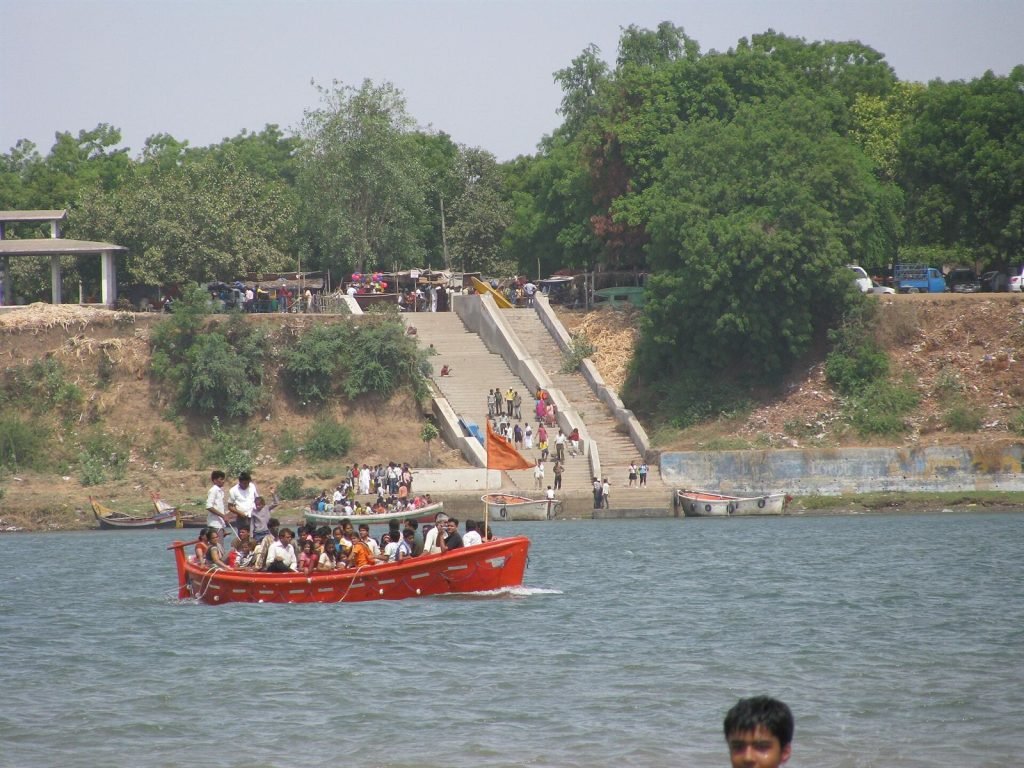
LAKEGomti Lake, Dakor
The sacred tank beside Dakor

Narmada Ghats
Riverside ghats for the evening aarti
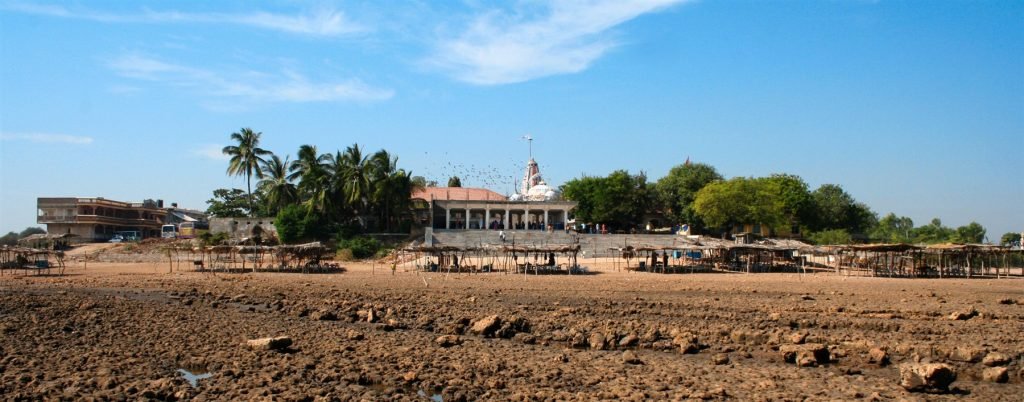
Gopnath
Clifftop Shiva shrine above the Arabian Sea
 FORT
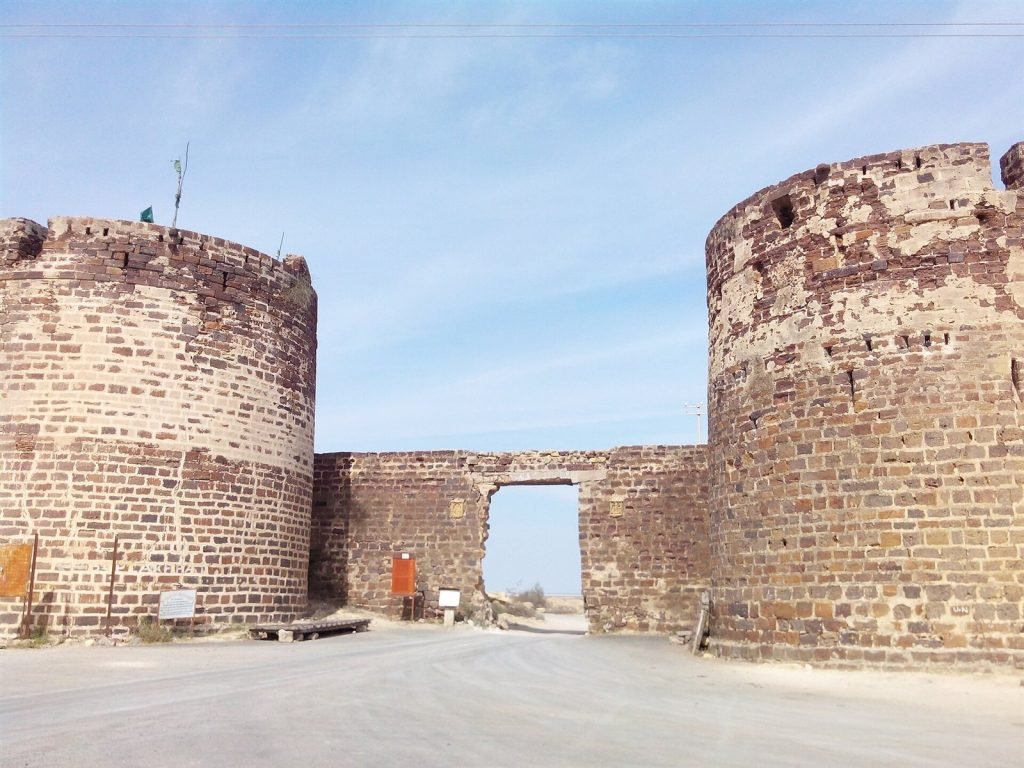
FORTLakhpat Fort
A walled ghost-town on the edge of the Rann
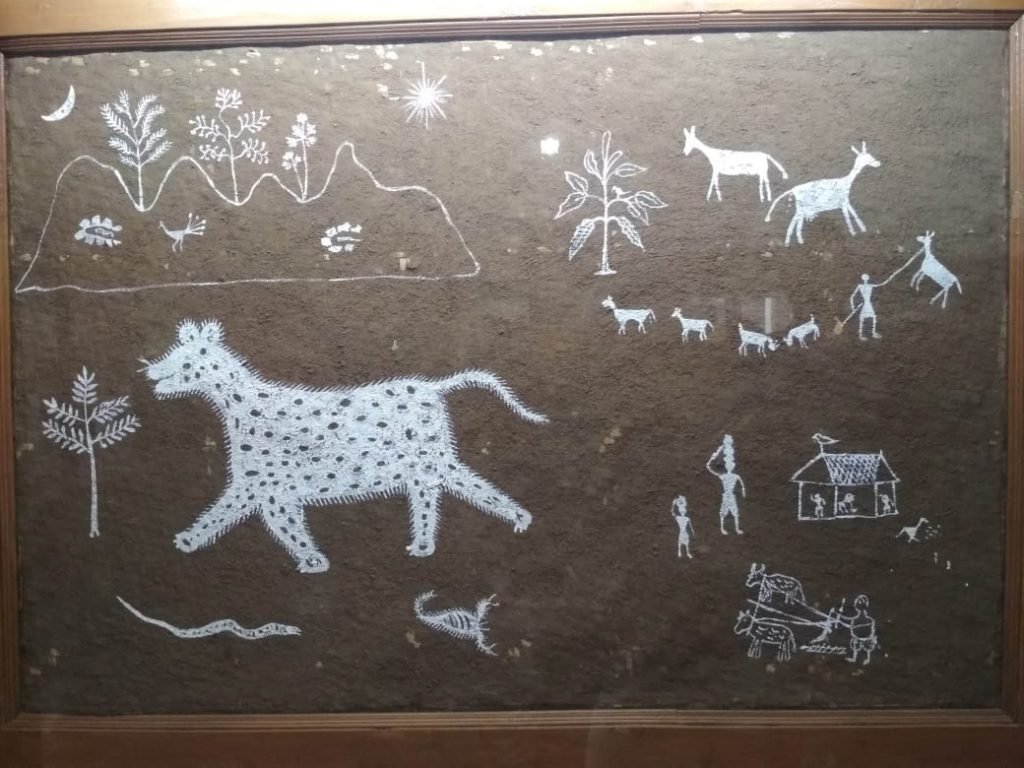 VILLAGES
Rathwa Hamlets
Living Adivasi communities
WHERE TO STAY
Find your stay in Gujarat
Compare live prices across the big booking sites and reserve in a few taps. Booking happens securely on the partner's site — we may earn a small commission at no extra cost to you.
Book directly on our partner sites — tap a provider to see live Gujarat hotels & prices:
SHOP THE REGION
Bring home Gujarat — & travel essentials
Hand-picked crafts and trip gear, available on Amazon.
Published 24 June 2026 · Updated 24 August 2026
We’re an independent group of writers and travellers documenting every corner of Gujarat — one place, plate and festival at a time.