Home › Kutch › Rogan Art of Nirona
CRAFT · NIRONA VILLAGEA 300-year-old painting craft kept alive by a single family in the village of Nirona — vivid motifs trailed onto cloth from a thread of castor-oil paint.
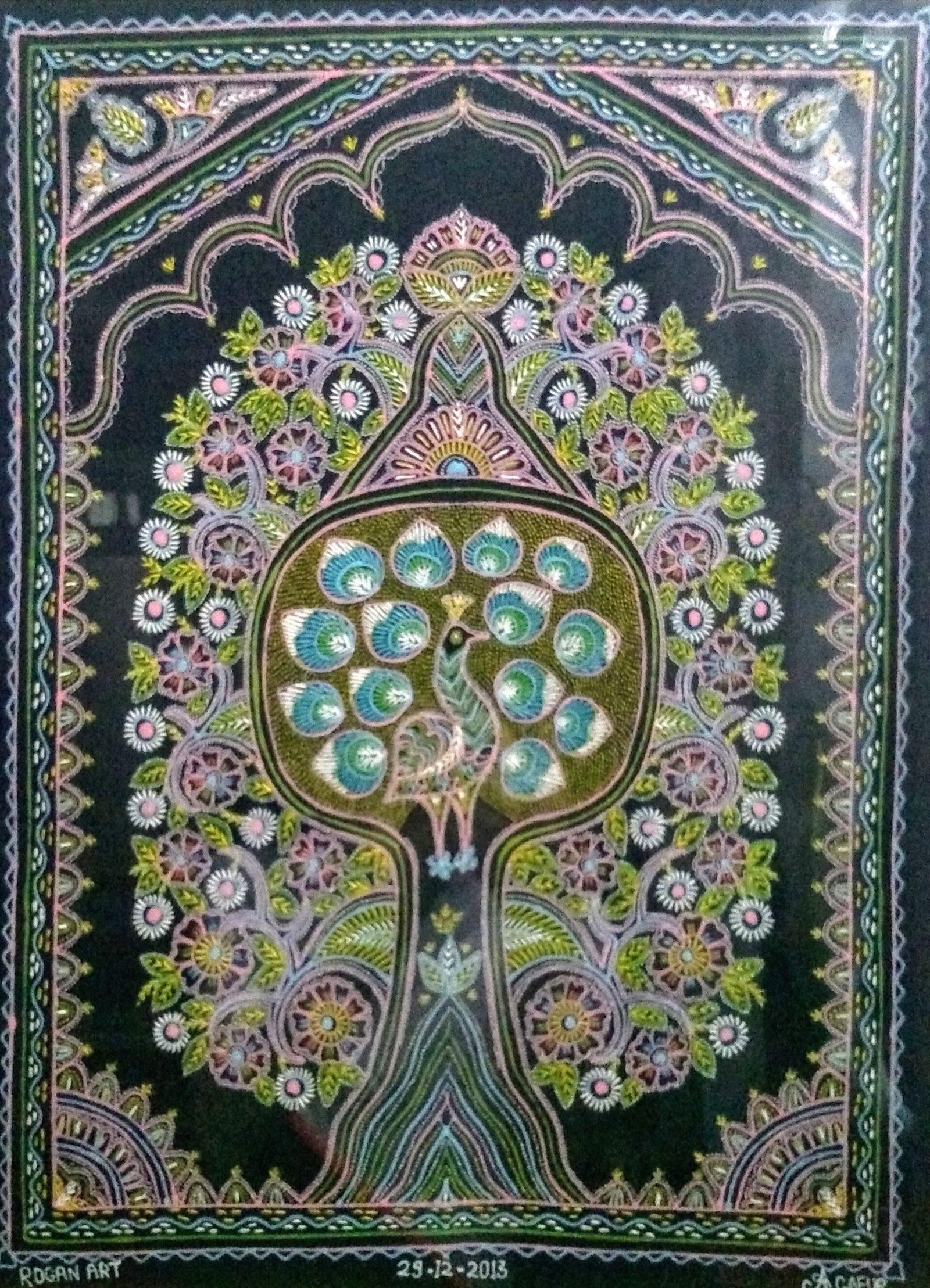
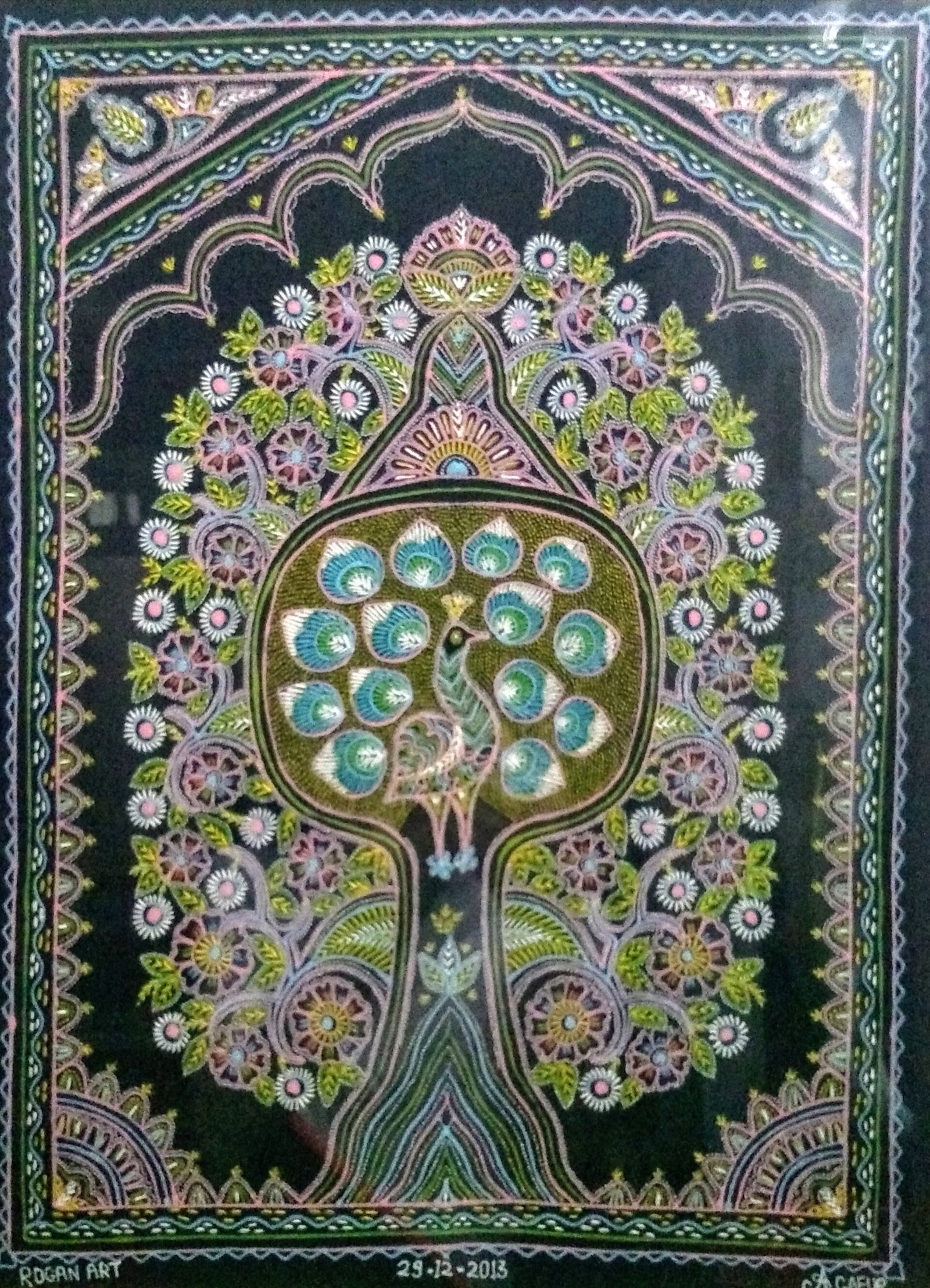
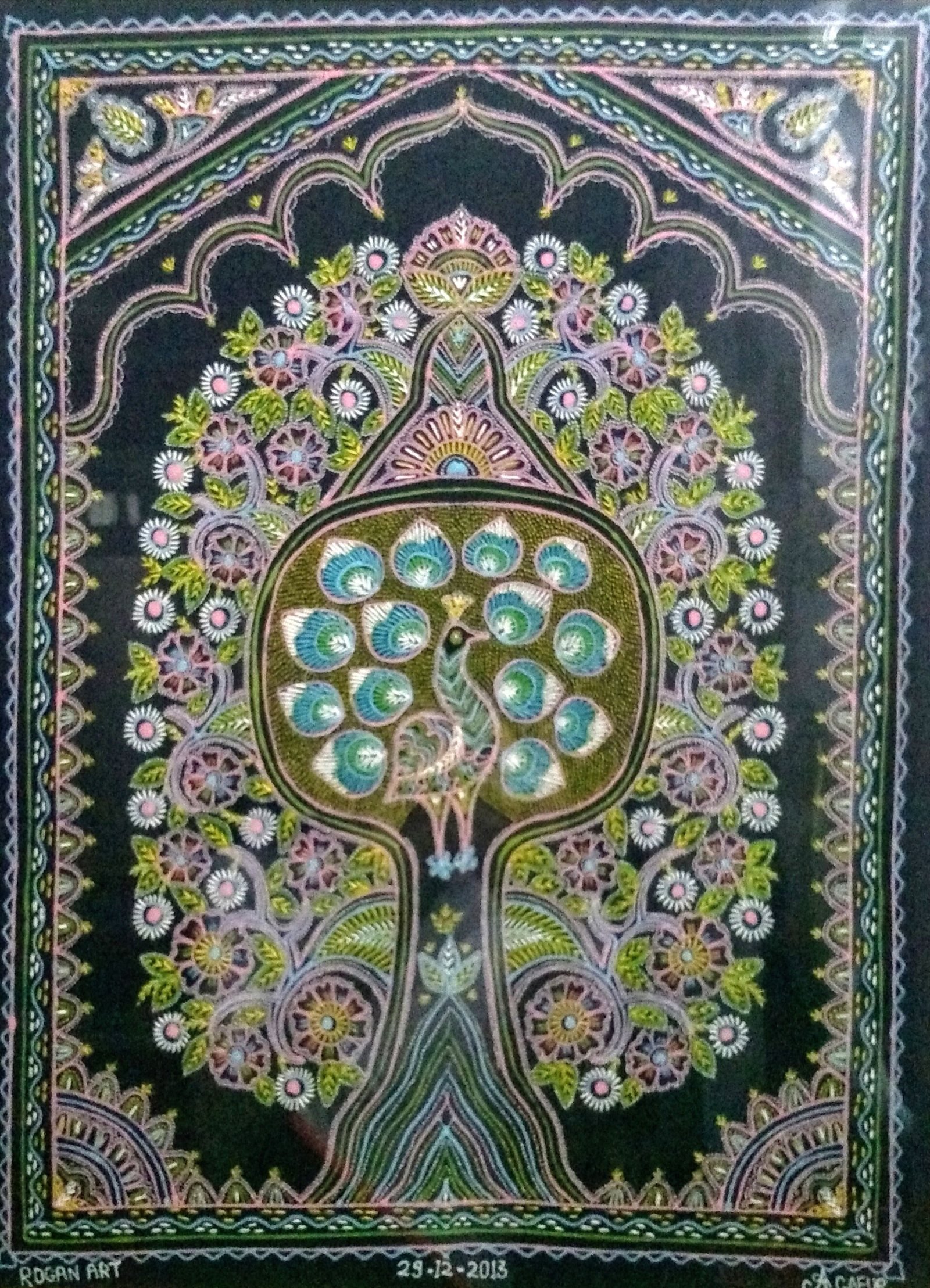
In the small Kutch village of Nirona, a rare and beautiful craft has survived for some three centuries: Rogan art. The name comes from the Persian word for ‘oil’, and the technique is extraordinary. Castor oil is boiled for hours until it thickens into a bright, elastic paste, blended with natural pigments, and then trailed in impossibly fine threads from a metal stylus onto cloth — the artist drawing freehand, the stylus never quite touching the fabric.
Often the painted half of a cloth is folded onto a blank half, mirroring the design in a single press. Once practised by several families, the craft came close to dying out and is now carried on chiefly by the Khatri family of Nirona, whose intricate ‘Tree of Life’ panels have travelled the world as gifts of state.
Watching a piece take shape — symmetrical, jewel-bright and astonishingly fine — is one of Kutch’s quietest wonders, and a window into the region’s deep craft soul.
Vivid Rogan motifs on cloth.
A craft saved from the brink.
An oil-based painting craft with roots traced to Persia.
Rogan art takes hold in Kutch, practised by several families.
Through the 20th century the craft nearly dies out.
The Khatri family of Nirona keep it alive and win global acclaim.
One of the world's rarest painting arts.
Kept alive chiefly by the Khatris of Nirona.
Paint trailed freehand from a stylus.
Its most famous, intricate motif.
Watch artisans at work in the village.
Part of Kutch's rich craft circuit.
The stylus trailing fine threads.
Jewel-bright symmetrical panels.
See the castor-oil paste trailed onto cloth.
Learn the craft from the Khatri family.
Admire the signature motif up close.
Watch a design pressed and doubled.
See the village's other crafts too.
Appreciate the patience the work demands.
Stylus, paste and a steady hand.
Rogan begins in a pot: castor oil is heated for hours until it thickens into a sticky, stretchy residue, which is mixed with mineral and natural pigments to make vivid, glossy colours. The artist takes up a little paste on a metal stylus (or rod) and, working freehand, draws it out into a hair-fine thread that is laid onto the cloth in loops, curls and points — almost like drawing in mid-air.
The designs are built from memory and tradition rather than stencils, and a cloth is often folded in half to mirror the motif perfectly. The result is a raised, lustrous, almost embroidered-looking pattern made entirely of painted oil.
Boiled castor-oil paste
Freehand stylus work
Mirror-fold symmetry
Natural mineral pigments
Cool and clear — the best season for Kutch and the Rann.
The grasslands green up; the Rann floods — access is limited.
Very hot and dry — visit early or late; the Rann bakes.
⏰ Visit by day so you can watch the artisans working; the craft rewards an unhurried, attentive look.
Bhuj Airport (~45 km) is the nearest.
Bhuj is the nearest railhead, then road to Nirona.
About 40 km north of Bhuj, by taxi or local transport.
THREAD & COLOUR
The stylus trailing its thread of paint.
Close-ups of the Tree of Life motifs.
Ask before photographing the artisans.
The glossy, jewel-bright finished cloth.
India's westernmost temple, by the sea
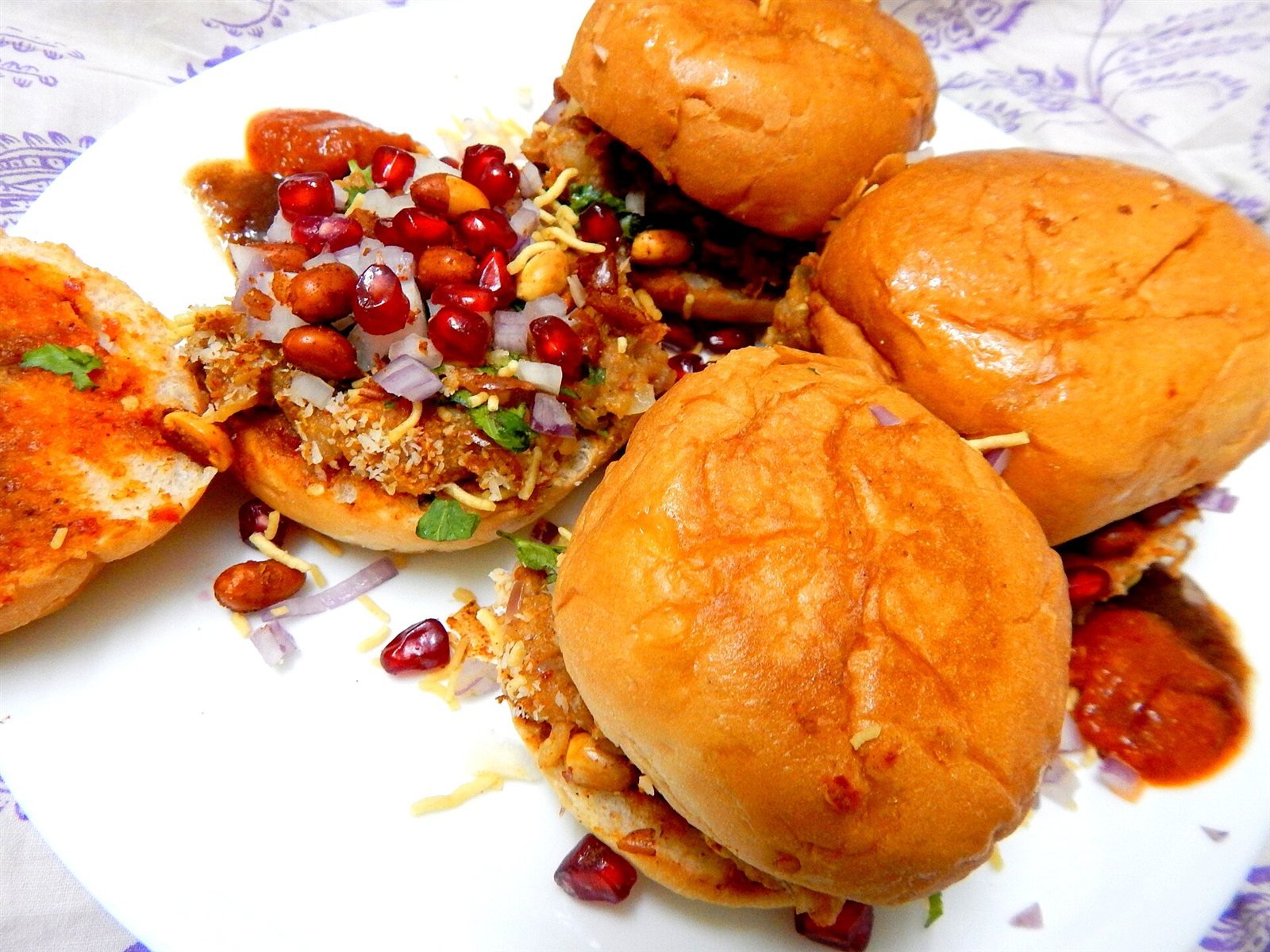
The spiced potato bun was born here in Mandvi
A rare painted-cloth art kept alive by one family
A 4,500-year-old Harappan city & ancient water system
A seasonal wetland of flamingos & raptors in Banni
◐ Golden hour · ramparts
The sweet-spicy potato bun born in Mandvi.
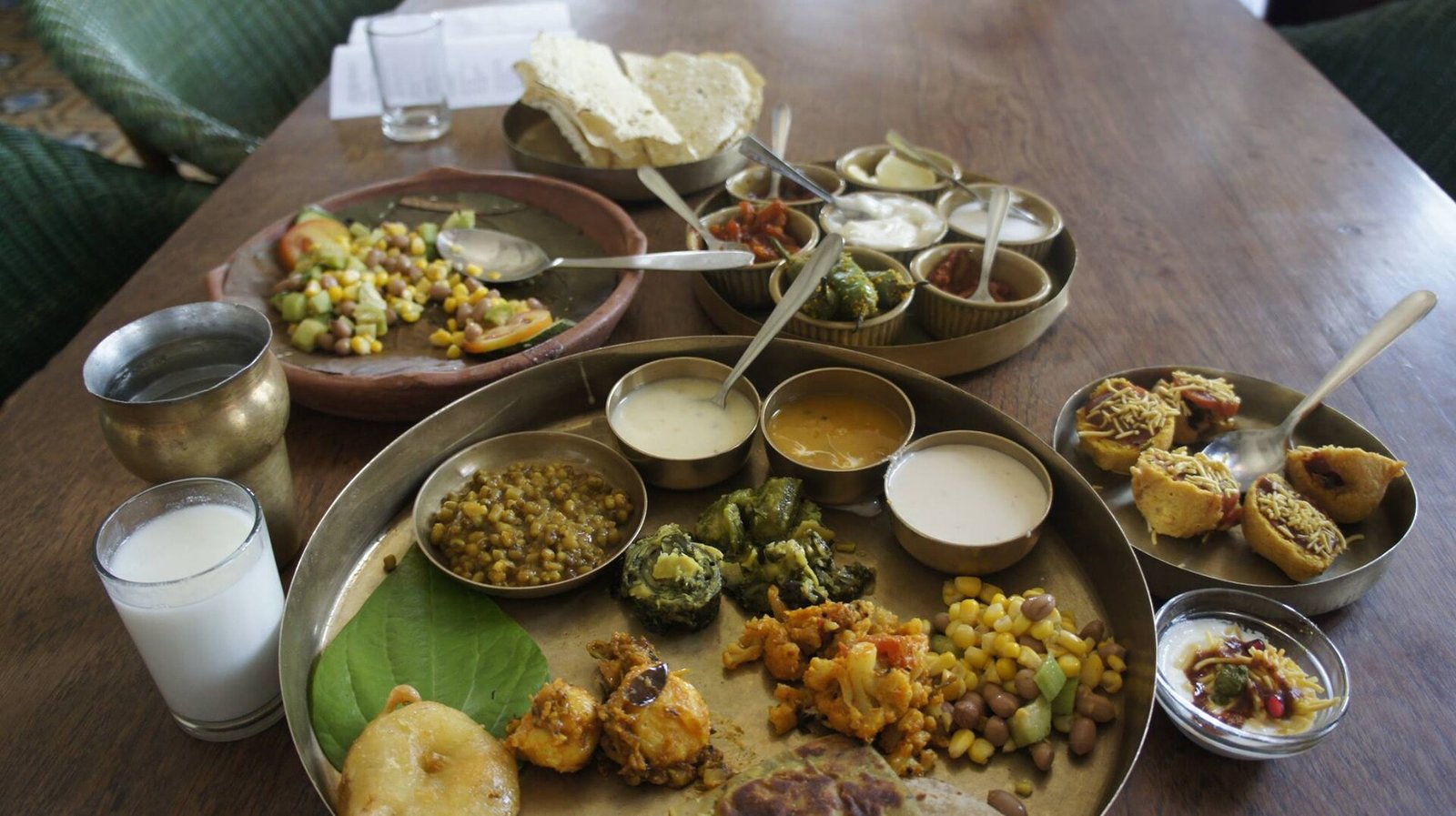
Bajra rotla, kadhi, khichdi and ghee.
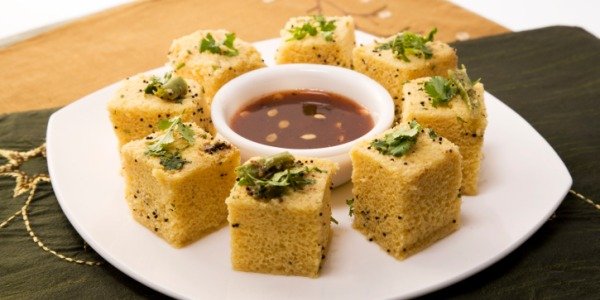
Gathiya, fafda and fried snacks.
Kutch's food is mostly pure-veg and dairy-rich.
A rare painting craft where boiled castor-oil paste is trailed onto cloth with a stylus.
In Nirona village, about 40 km from Bhuj in Kutch.
Chiefly the Khatri family of Nirona, after the craft nearly died out.
Rogan art's most famous, intricate motif, often gifted as a state present.
Yes — artisans often demonstrate the technique to visitors.
No; visiting the workshops is free.
Yes, directly from the artisans — genuine work is rare and prized.
During daytime working hours, ideally as a day trip from Bhuj.
WHERE TO STAY
Compare live prices across the big booking sites and reserve in a few taps. Booking happens securely on the partner's site — we may earn a small commission at no extra cost to you.
SHOP THE REGION
Hand-picked crafts and trip gear, available on Amazon.