
Region
Sabarkantha, North Gujarat
Best time
September to March
Ideal duration
Half to full day
Good for
Heritage, nature, photography
The Polo Forest Ruins are a group of old temples and stepwells hidden within the forested Polo valley of the Sabarkantha district, set between the Idar hills near the Rajasthan border. Carved from stone and softened by centuries of weather and greenery, these ruins are among the most atmospheric heritage sites in North Gujarat. The forest around them adds to the sense of quiet discovery, since many structures stand half-reclaimed by trees and undergrowth.
The site blends nature and history in a way that appeals to walkers and heritage lovers alike. You can wander between Hindu and Jain temple remains, spot carved pillars and old shrines, and follow trails that thread through the woods. It is a popular weekend escape from Ahmedabad, especially after the monsoon when the valley is lush. Facilities are limited, so treat it as an outdoors day among ruins rather than a polished monument.
What to see and do at the Polo Forest Ruins
Exploring the scattered temple and stepwell remains is the heart of a visit. Several stone shrines survive in varying states, showing old carving work that rewards a slow look. Between the monuments, forest paths lead to streams and clearings, and birdwatchers and nature lovers usually find plenty to enjoy. A local guide can help you locate the lesser-known structures spread across the valley.
The Polo area also lends itself to gentle hiking, camping and stargazing, and several eco stays operate nearby. After the rains the greenery peaks and small waterfalls appear. Combine the ruins with the surrounding Vijaynagar jungle for a fuller day. Carry your essentials, as shops are few once you are inside the forest.
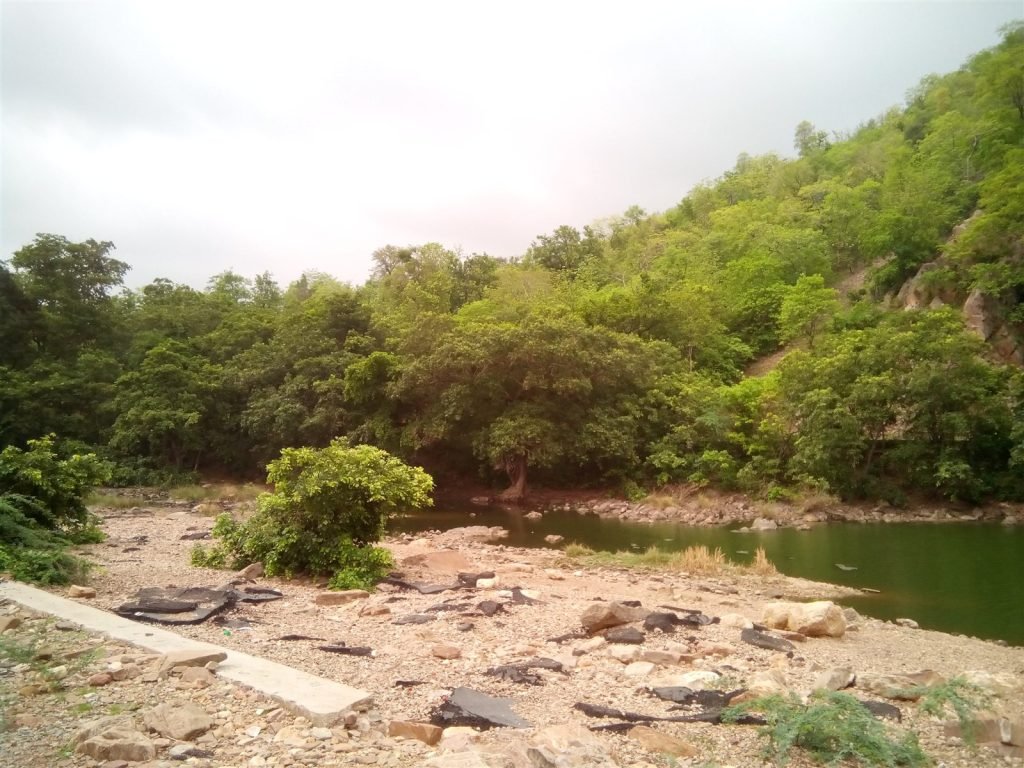
Polo Forest Ruins
How to get there
The Polo Forest lies near Vijaynagar in Sabarkantha, reached by road from Ahmedabad, Himatnagar or Idar. The drive from Ahmedabad usually takes around three to four hours, with the last stretch on forest roads. There is no direct rail or air access to the ruins, so a private car or hired vehicle is the practical choice, ideally kept for the whole visit.
Best time to visit
The forest is most beautiful from just after the monsoon through winter, roughly September to March, when the valley is green and the weather is pleasant for walking. Summers are hot and the woods drier. During heavy rain, check local conditions, as some tracks and stream crossings can become difficult.
Good to know
- Wear sturdy shoes for uneven forest and temple paths.
- Hire a local guide to find the more remote ruins.
- Carry water, snacks and cash, as facilities are minimal.
- Avoid leaving litter to help protect the forest and monuments.
Frequently asked questions
How old are the Polo ruins?
They date back several centuries and include both Hindu and Jain temple remains, though exact dating is best confirmed on site.
Is it good for families?
Yes, for those who enjoy easy walks and nature. Watch footing on rocky paths with young children.
Can I camp there?
Camping and eco stays are available in the Polo area. Arrange these in advance through local operators.
A lost city in the teak
The Polo Forest hides the remains of a settlement that thrived between roughly the tenth and fifteenth centuries, strung along the Harnav river where the Aravalli hills fold into the Vijaynagar country of Sabarkantha. The name is traced to 'pol' — gateway — and the site was exactly that: a pass town on the route between Gujarat and Rajasthan's Mewar, prosperous enough to raise temples in carved stone before war and shifting trade emptied it. The forest took the rest, and what survives now stands in green shade: shikharas among teak trunks, doorframes opening onto leaf litter, stepwells holding dark water under the canopy.
The principal ruins reward a slow circuit. The Sharneshwar Shiva temple is the set piece — a walled compound whose carved outer faces keep rows of deities and musicians. The Jain temples deeper in carry the finest surviving detail, their ceilings and torans cut with the precision the white-marble tradition demands; the Lakhena temples group near the riverbed photographs best in the morning slant. Around them scatter smaller shrines, chhatris and vavs the forest is still negotiating with.
Ruins, river, reservoir
The setting does half the work. The Harnav runs shallow and boulder-strewn past the temples, the Vanaj dam backs a reservoir into the hills behind, and the forest itself — teak, catechu, flame-of-the-forest — turns extravagantly green after the rains and gold-brown by spring. Birdlife is rich year-round, and the post-monsoon months lay wildflowers between the stones.
Practical notes
Polo lies about 150 km northeast of Ahmedabad via Himmatnagar and Idar — a long day trip or an easy overnight, with campsites and eco-resorts around Vijaynagar serving the site. There is no ticket; local guides at the entrance add genuine value in finding the scattered groups. September to February is the season — just after the monsoon for the greenest forest — and sturdy footwear matters more here than anywhere else on the trail, since the temples hide down uneven forest paths. Carry water and start early: the ruins are at their best before the picnic crowds arrive.