Behind the bustle of the old city’s bazaars lies its real secret: the pols. These are tightly knit residential quarters — clusters of houses reached through a gateway, opening onto shared courtyards, narrow lanes and hidden squares where neighbours have lived as one community for centuries.
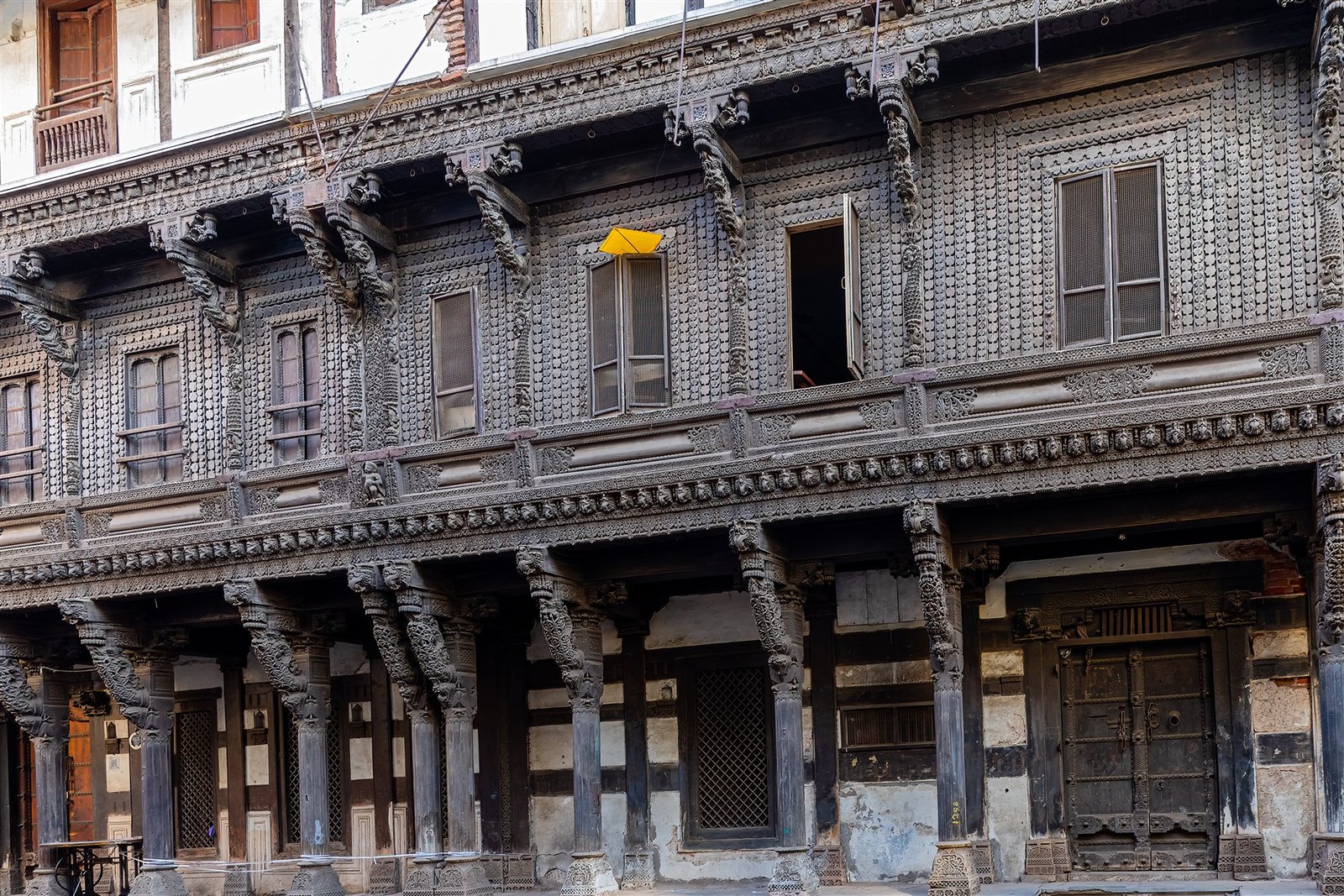
Each pol is a world of carved timber havelis, their balconies and brackets worked with birds, flowers and gods. Look closely and you’ll find chabutaras (tall bird-feeders), communal wells, secret passages built for escape, and water-harvesting underground tanks — an entire urban ecosystem refined over six hundred years.
The best way in is the city’s morning heritage walk, which threads from the Swaminarayan temple at Kalupur through the pols to the Jama Masjid. It is the single finest way to understand why Ahmedabad became India’s first UNESCO World Heritage City.
Carved timber facades line the old pol lanes.
Generations of community life behind the gateways.
As the walled city grows, residents organise into pols — gated community clusters.
Pols add defensive gates, secret passages and shared wells for safety and self-reliance.
Timber havelis reach their decorative peak with elaborately carved facades.
The pols' heritage helps make Ahmedabad India's first UNESCO World Heritage City.
Haveli facades and balconies worked in astonishing timber detail.
Real, lived-in neighbourhoods, not a museum set-piece.
Tall communal bird-feeders that crown the shared squares.
Hidden connecting routes built into the close-packed lanes.
Communal wells and underground tanks of a self-reliant city.
A guided morning route that ties the whole story together.
HAVELISTimber balconies and brackets, richly worked.
CHOWKSThe communal squares at each pol's heart.
WOODWORKProjecting carved windows that shade the lanes.
BIRD-FEEDERSTall wooden towers raised for the neighbourhood's birds.
GATEWAYSCarved entrances that seal each cluster at night.
WATERHidden cisterns that harvested the monsoon rains.

Start early from Kalupur's Swaminarayan temple with a city guide.
The best carving is on the upper balconies and brackets — keep your eyes high.
Spot the tall communal bird-feeders in the shared squares.
Duck through a gateway to see how a pol opens into its courtyard.
Ask your guide about secret passages and the old water systems.
Finish the classic route at the great congregational mosque.
Close-packed timber houses around shared lanes.
The pols are a masterclass in dense, climate-smart urban design. Tall timber-and-brick houses press close together to shade the lanes, while carved wooden facades, jharokha balconies and decorated brackets turn every street into a gallery.
Gateways seal each cluster; inside, a hierarchy of lane, square and courtyard balances privacy with community. Beneath the surface lie clever systems — underground tanks that harvested the monsoon, communal wells, and hidden passages linking pol to pol. It is vernacular architecture at its most sophisticated: beautiful, social and built to endure Gujarat’s heat.
The rest of the district is covered in our Ahmedabad travel guide.
If this is what you travel for, browse heritage sites across Gujarat.
Carved timber havelis
Gated community clusters
Chabutara bird-feeders
Underground water tanks
Cool and bright — the most pleasant time to be out across Ahmedabad.
The city greens up and the heat breaks with brief, refreshing showers.
Hot and dry, often 40°C+. Best enjoyed early morning or after sunset.
⏰ Take the early-morning heritage walk — the light is soft, the lanes are cool and quiet, and the carving shows best.
SVP International Airport is about 9 km away — roughly a 25-minute cab ride.
Ahmedabad Junction (Kalupur) is right beside the walled city.
Lal Darwaza and Kalupur are the main entry points to the old city.
WOOD & LIGHT
Early morning fills the lanes with soft, even light and few people.
Carved balconies, gateways, chabutaras and the play of light in chowks.
Ask before photographing residents or inside private homes.
Use the narrow streets as natural leading lines between the havelis.
BIRD SANCTUARYGujarat’s largest wetland — flamingos & pelicans (~60 km)
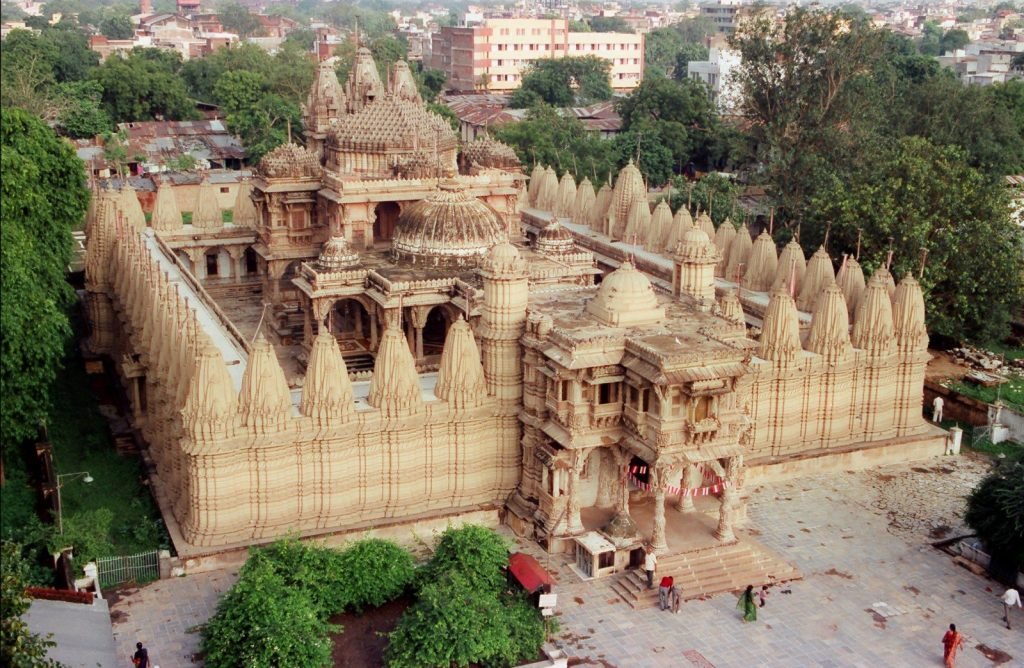
Exquisite 1848 marble Jain temple

One of the world’s finest textile collections — centuries of Indian weaving, block-print and embroidery, hidden…

MODERNPromenade & the flower-shaped Atal Bridge
◐ Sunset · blue hour

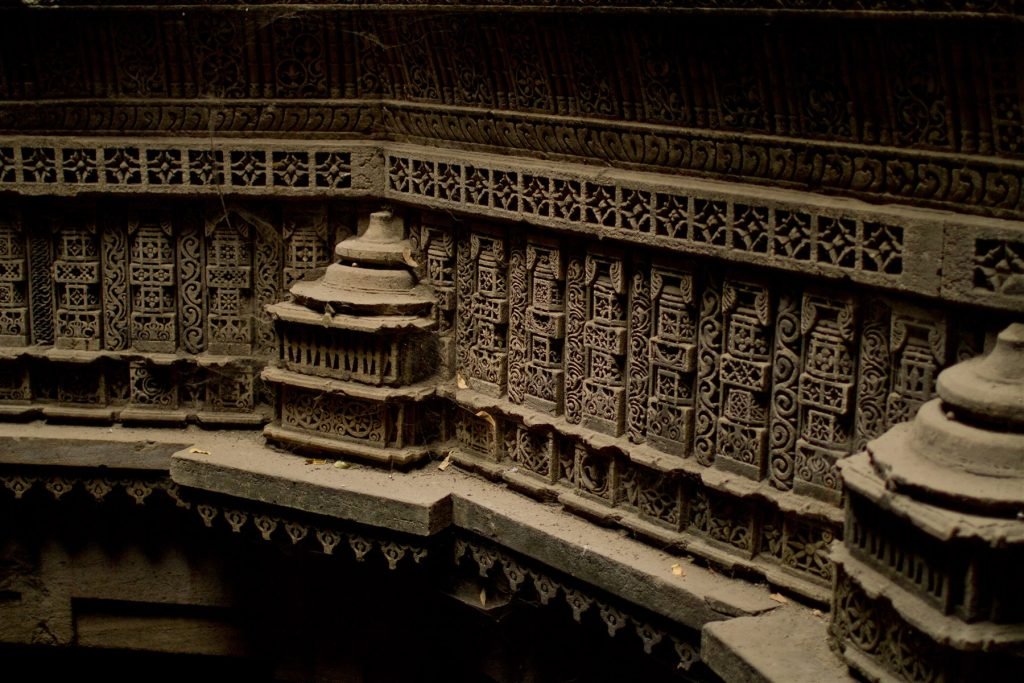
A quiet 15th-century stepwell of carved sandstone — five storeys spiralling down to the water, well…
STREET FOODBy night the old jewellers' square turns into a buzzing street-food bazaar.

SNACKSAn evening lane of carts serving Gujarati chaat, sandwiches and sweets.

CLASSICSFresh fafda-jalebi, dabeli and khaman in the lanes of the walled city.
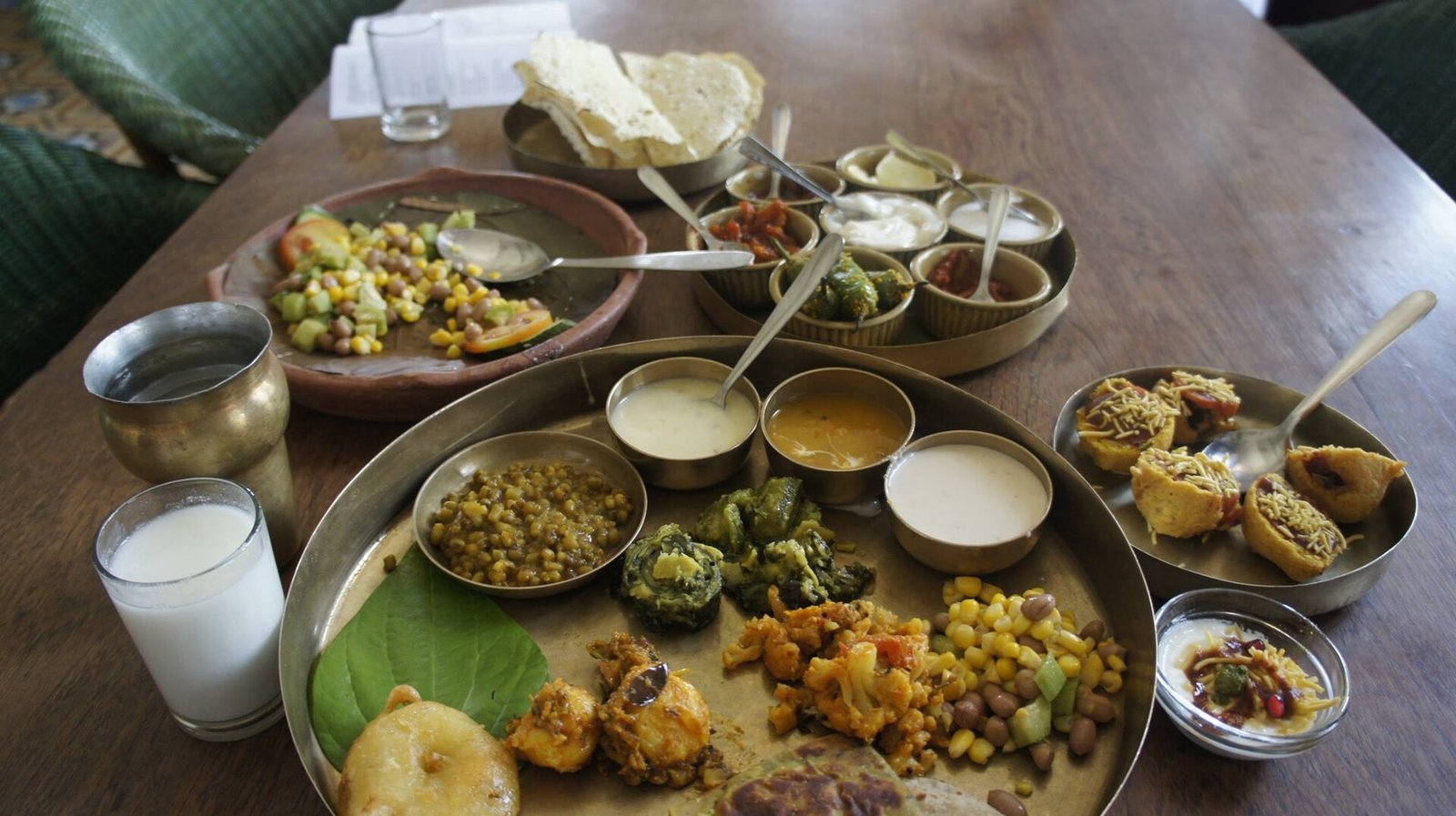
Ahmedabad is famously veg-friendly — expect superb thalis and farsan.
A traditional, gated residential cluster in old Ahmedabad, with shared courtyards and lanes.
Throughout the walled city east of the Sabarmati, around Khadia, Kalupur and Dariapur.
Yes, the lanes are public; be respectful, as people live there.
No — though organised heritage walks charge a small guide fee.
The early-morning AMC heritage walk from Kalupur to Jama Masjid.
About two to three hours at an easy pace.
Carved wooden havelis, chabutara bird-feeders, shared squares and old water systems.
Yes in the lanes; ask before photographing residents or private homes.
Early morning, especially November to February, for cool, soft light.
They are central to Ahmedabad being named India's first UNESCO World Heritage City.
WATERA peaceful rural reservoir
Time-worn agiaries and bungalows by the sea
BOATINGRiver cruises & a sea-plane to the statue
A long, clean beach near Diu
A forested town in the Aravallis
PLAINSWide farmland and timeless village country
WHERE TO STAY
Compare live prices across the big booking sites and reserve in a few taps. Booking happens securely on the partner's site — we may earn a small commission at no extra cost to you.
Book directly on our partner sites — tap a provider to see live Gujarat hotels & prices:
SHOP THE REGION
Hand-picked crafts and trip gear, available on Amazon.
Published 24 June 2026 · Updated 24 August 2026
We’re an independent group of writers and travellers documenting every corner of Gujarat — one place, plate and festival at a time.
Search Gujarat Explorer
Find places, food, festivals and travel guides across Gujarat
Press Enter to search — or Esc to close
Plan Your Trip
Gujarat Explorer is an independent travel guide. We’re happy to help you shape an itinerary and point you to the right places, stays and experiences across Gujarat.
Book a Cab