Home › Chhota Udaipur › Pithora Villages
TRIBAL ART · LIVING TRADITION · RATHWAPithora Villages
The walls come alive — in the villages of the Rathwa Adivasi, the Pithora mural tradition has been painted on the walls of homes for centuries, a sacred narrative art form unlike anything else in India.
Sacred tribal wall art of the Rathwa
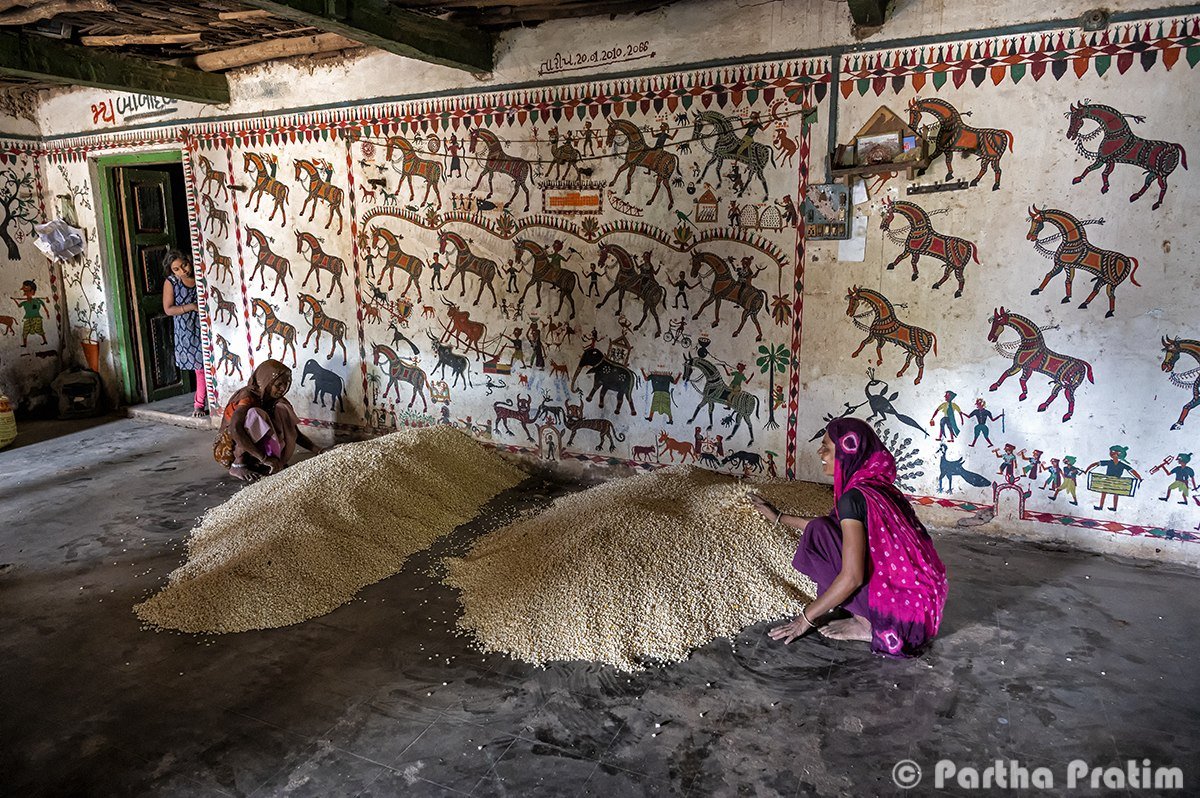
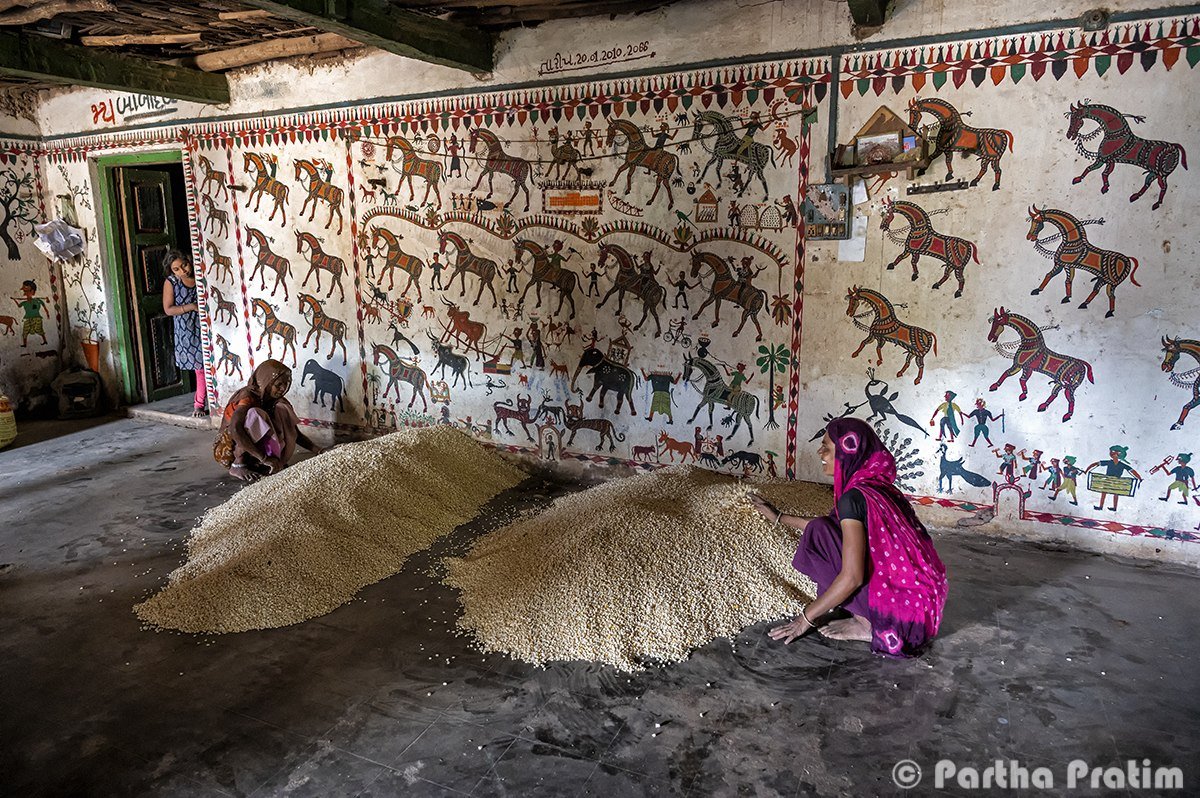
The Rathwa Adivasi communities of Chhota Udaipur have practised the Pithora mural tradition for generations — painting the interior walls of their homes with narrative compositions that depict the deity Pithoro, his horses, attendants, the sun and moon, birds and animals, and the scenes of tribal life and mythology.
What makes Pithora art extraordinary is that it is not decorative — it is ritual. The paintings are made for specific ceremonies, usually weddings or the resolution of illness, commissioned from a specialist Pithora artist called a lakhara. The community gathers for the painting, and the completed mural is then worshipped.
The paintings are characterised by their horizontal organisation, their warm earthy palette, the depiction of two white horses (the mounts of Pithoro and his brother), and the circular compositions of figures in motion. The district of Chhota Udaipur is the heartland of this tradition. Villages near Kawant, Bodeli, and Pavi Jetpur are home to active communities where the tradition is still practised and passed down. (No photography without permission; this is a sacred practice.)
Pithora art — Rathwa tribal mural, Chhota Udaipur.
The lakhara who paints the Rathwa's walls
Pithora painting — Rathwa mural art, Chhota Udaipur.
Pithora begins as the deity worship of the Rathwa Adivasi, the central figure of their ritual and belief.
The murals are painted for specific ceremonies — weddings and the resolution of illness — never as mere decoration.
A specialist artist known as a lakhara is commissioned to paint, inheriting and carrying forward the tradition.
The tradition earns state and national craft recognition as one of India's distinctive tribal art forms.
Reasons to make the time
Sacred art
Living ritual tradition.
Villages
Original community context.
Horses
The iconic Pithoro motif.
Narrative
A visual mythology.
Forest life
Tribal ecology visible.
Community
A shared practice.
What to look for inside
 PITHORA ART
Rathwa Villages
Sacred murals.
 RATHWA
Mural tradition
Horses and deity.
DEITYPithoro & his court
The central deity-king on his white horse.
LAKHARAThe specialist artist
The inherited role of the village painter.
RITUALCeremony murals
Painted for weddings and healing.
MOTIFTwo white horses
The mounts of Pithoro and his brother.
How to spend an hour or two
Visit a Pithora village
Visit a Rathwa village with a guide who can introduce you to the community and its mural tradition respectfully.
See a lakhara work
If a ceremony is on, watch a lakhara artist paint a Pithora mural in its true ritual context.
Look for the horses
Look for the two white horses — the mounts of Pithoro and his brother, the signature motif of every Pithora.
Identify the deity
Identify Pithoro and his court at the centre of the composition, surrounded by his attendants.
Ask about the ritual
Ask about the ceremony context — why the mural was made, for whom, and how it is worshipped once complete.
Buy a cloth painting
Buy a portable cloth version of a Pithora painting to take the tradition home with you.
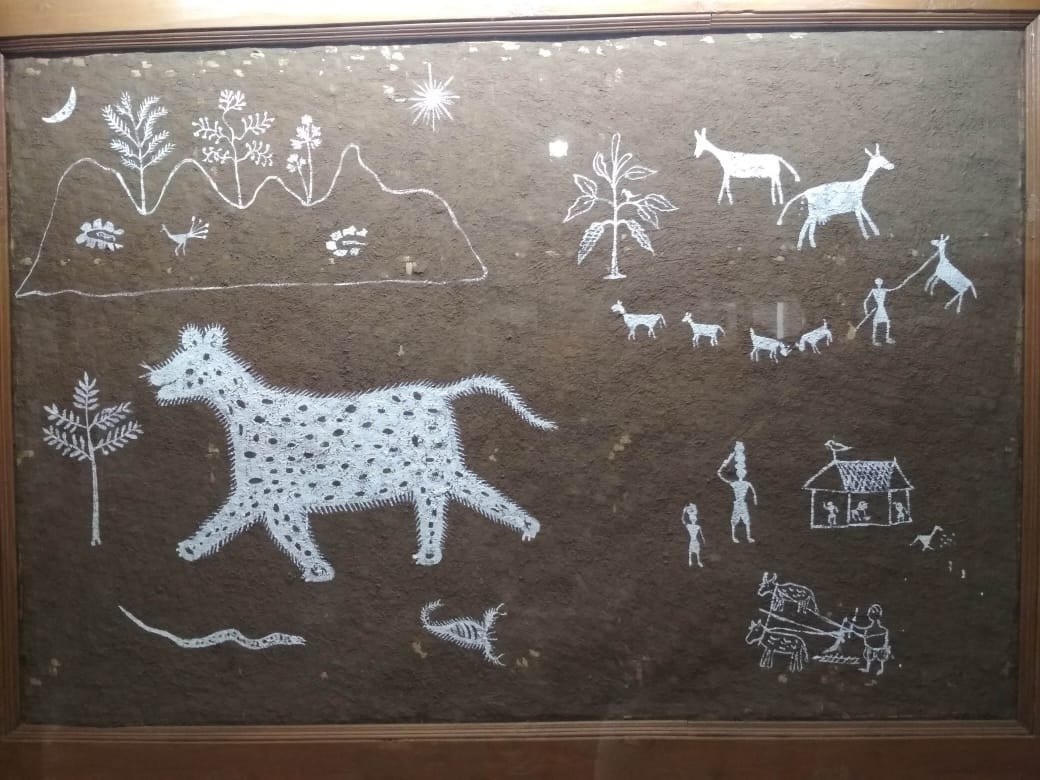
Pithora art detail — Chhota Udaipur.
Pithora — the sacred mural of the Rathwa
Pithora is not folk art in the decorative sense — it is a ritual visual practice, painted on the inner walls of homes for ceremonies, by specialist artists (lakhara) who inherit the tradition.
The central figure is always Pithoro, a deity-king mounted on a white horse, surrounded by his court, animals, birds, sun, moon and the scenes of a mythological world. (Respect the ritual context; ask before photographing.)
It sits within Chhota Udaipur district — browse more places to visit in Chhota Udaipur.
Sacred mural art of the Rathwa Adivasi community
Painted for specific ceremonies — weddings, healing
Specialist lakhara artists inherit the tradition
Organised in horizontal bands: deity, animals, narrative
When to go
Cool & clear — ideal. Comfortable all day and perfect for unhurried village visits.
Lush & lively; roads may flood. The forest turns green but access can be patchy.
Hot; early mornings best. Plan visits for the cooler start of the day.
⏰ October to February is ideal for Chhota Udaipur — cool, clear and the heart of the ceremony season.
Timings & entry
- Cool, dry months are ideal for village visits
- Overlaps with the ceremony season
- Allow 1–2 hours for an unhurried visit
- Go with a local guide who knows the community
- Villages are open but this is a living, sacred practice
- Always ask permission before entering homes
- No photography of murals without consent
- Buy a cloth painting to support the artists
Getting there
By Air
Vadodara airport is about 100 km away — the nearest air link, with onward road connections to Chhota Udaipur.
By Rail
Bodeli and Chhota Udaipur stations serve the district, connecting it to Vadodara and the wider network.
By Road
NH-56 runs from Vadodara to Chhota Udaipur; the Pithora villages lie around Kawant, about 30 km on.
Photographing Pithora
ASK FIRST
A sacred, living tradition — always seek permission before you shoot.
Always ask
Pithora is a sacred ritual practice — never photograph a mural or home without the community's consent.
What to shoot
With permission, the warm earthy palette, the two white horses and the dense narrative bands reward a patient eye.
Be respectful
Keep a low profile around ceremonies; you are a guest in a place of worship, not at a photo shoot.
Take it home
Buy a cloth Pithora painting instead — a respectful way to carry the art away and support the artists.
Know before you go
More to see close by
 PALACE
Kusum Vilas Palace
The elegant royal residence of the town

Babo Pithoro Shrine
The Rathwa deity of the Pithora paintings
 HILL
HILLKoraj Hill Viewpoint
A forested viewpoint over the hills
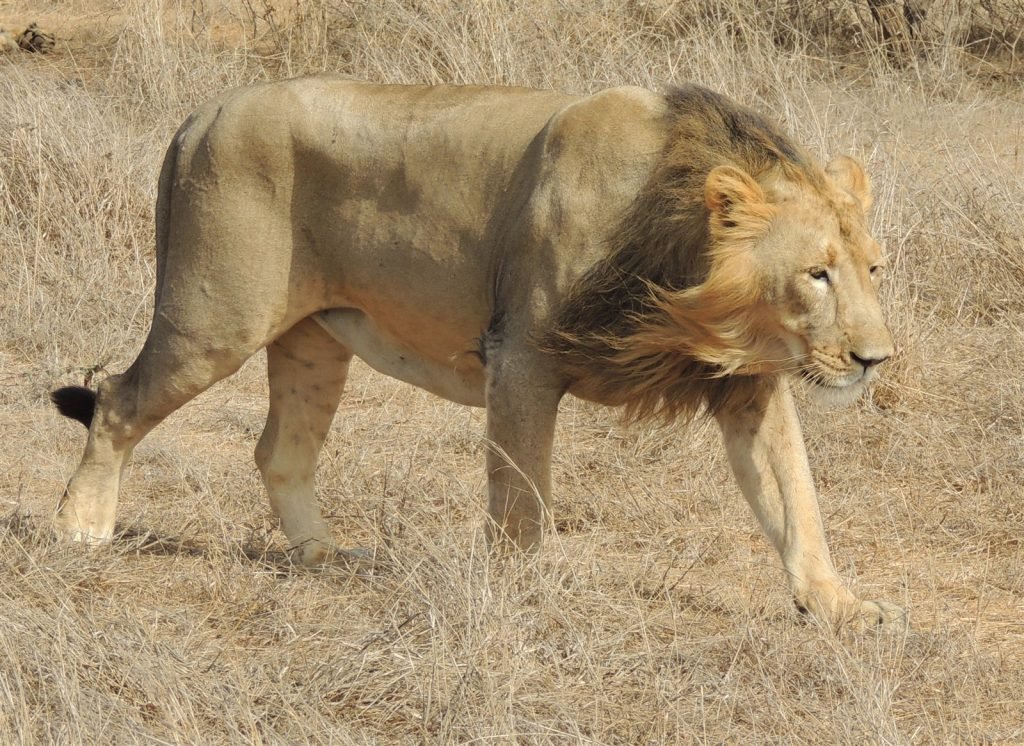 FOREST
Koraj & Naswadi
Forested tribal hills rich in birdlife
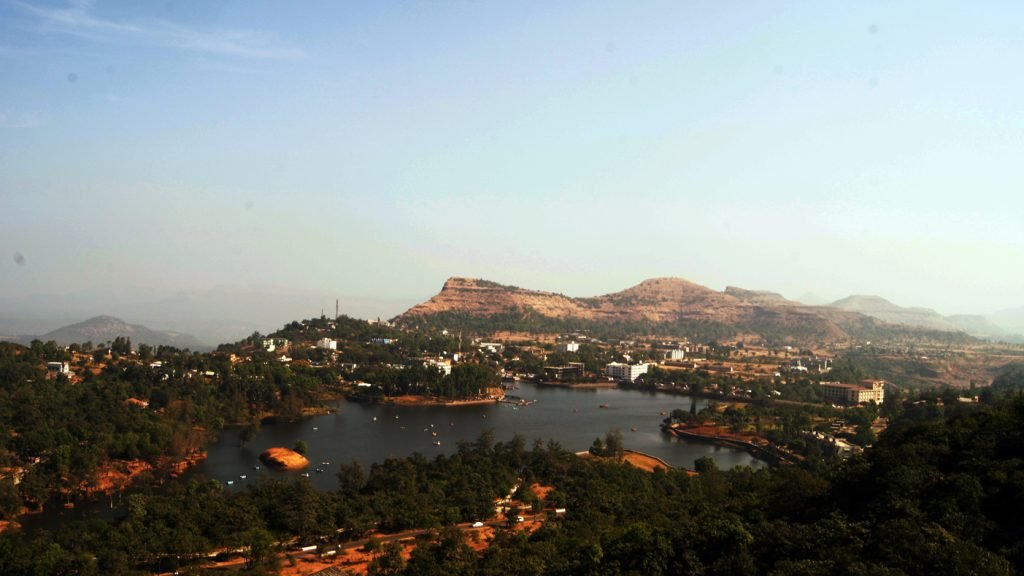 HILLS
HILLSEastern Ghats
Rolling green country on the MP border
 FOREST
Naswadi
Green tribal forest country
Where to eat near Pithora Villages
Gujarati Thali
Comfort home cooking — an unlimited platter of dals, sabzis, rotis and sweets.
Rathwa food
Forest produce & millet — the simple, seasonal cooking of the Adivasi communities.
Bajra roti
A tribal staple — hearty millet flatbread eaten across the district.
Forest honey
Look out for wild forest honey gathered from the Adivasi villages around Chhota Udaipur.
Pithora Villages FAQ
What is Pithora?
A sacred mural art of the Rathwa Adivasi, painted on the inner walls of homes for ritual ceremonies.
Who makes it?
Specialist artists called lakhara, who inherit the tradition and are commissioned to paint.
Can I visit?
Yes — with a guide, and with permission. The villages are a living, sacred space.
Can I photograph?
Ask first — it is a sacred space, and photography without consent is not allowed.
Best base?
Chhota Udaipur town is the best base for reaching the Pithora villages.
When to visit?
October to March, which is also the main ceremony season.
Related places across Gujarat
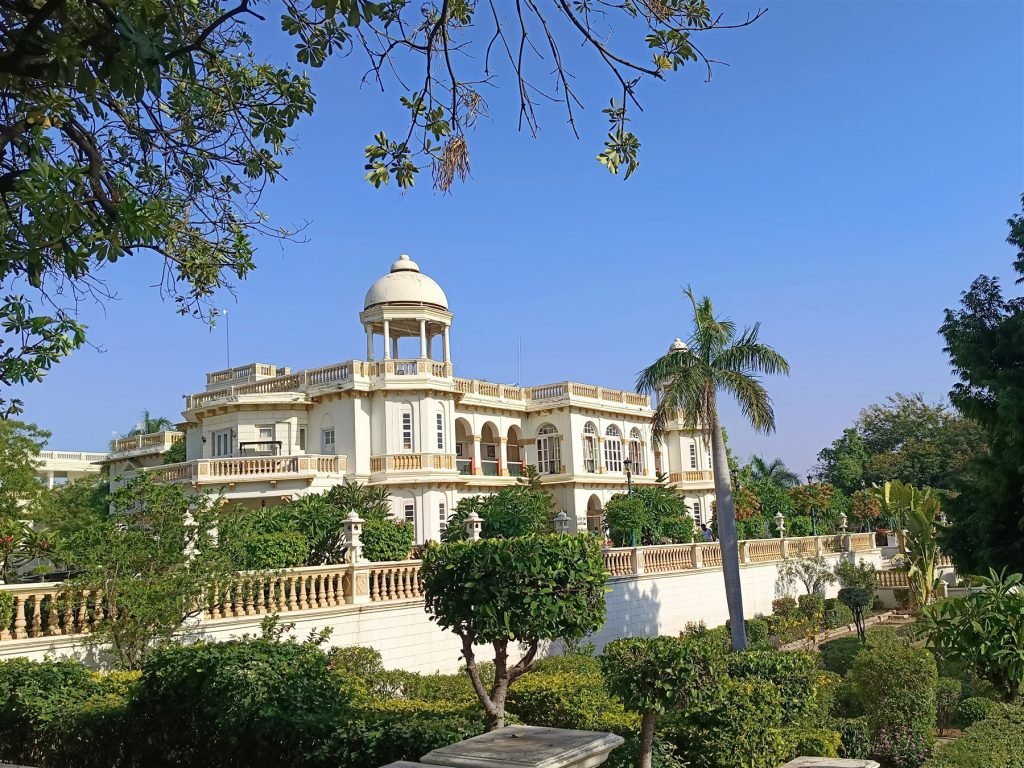 TOWN
TOWNPalanpur
Attar-scented district capital
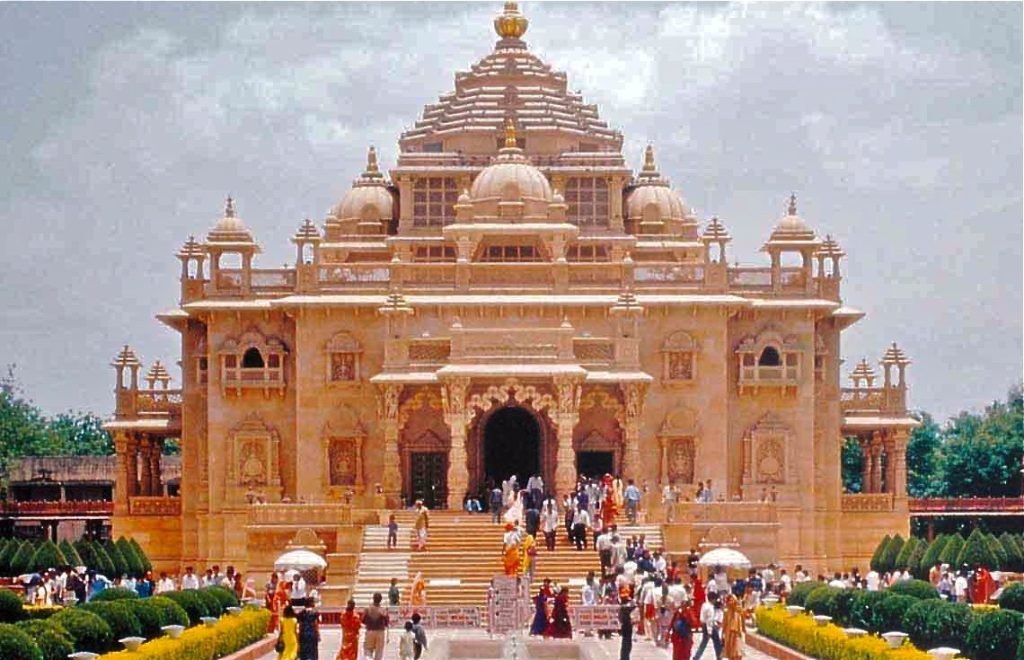
Sai Baba Temple
A popular modern shrine by the Tapi

Jagat Mandir
A central landmark temple of Rajkot
 NATURE
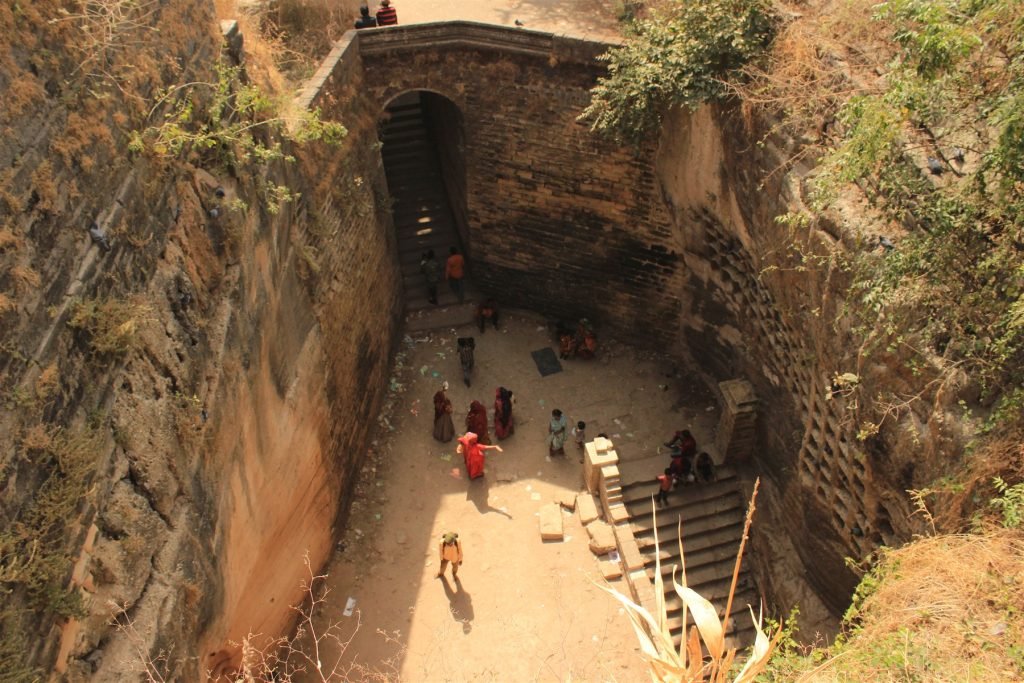
Navghan Kuvo
Birdlife and still water below the massif
 BIRDS
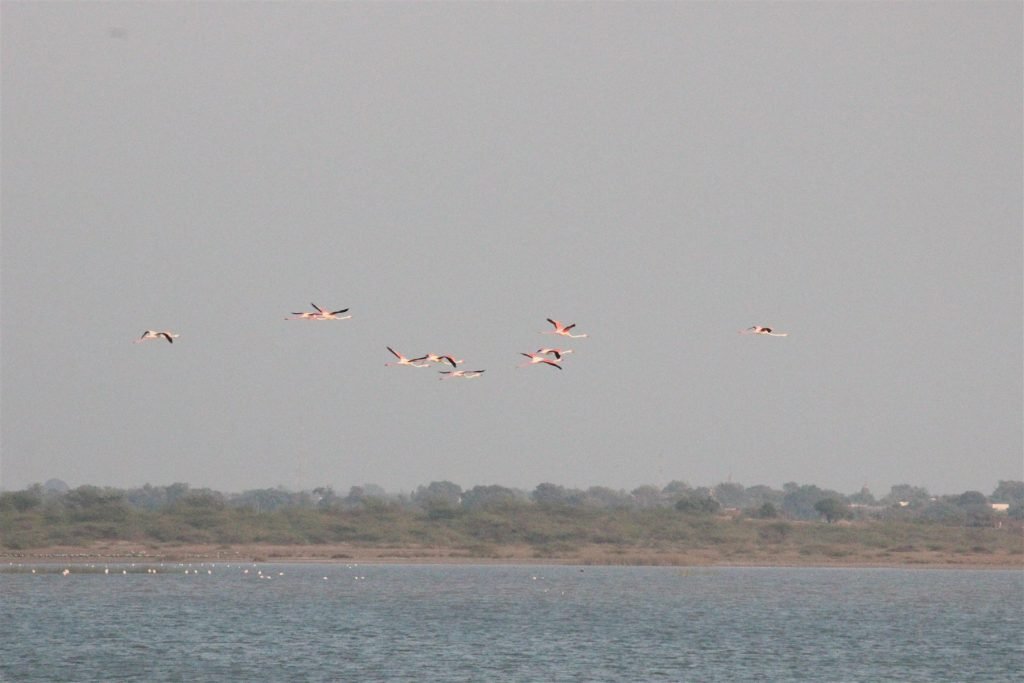
BIRDSKhijadiya Bird Sanctuary
Where freshwater & marine birds gather
 PALACE
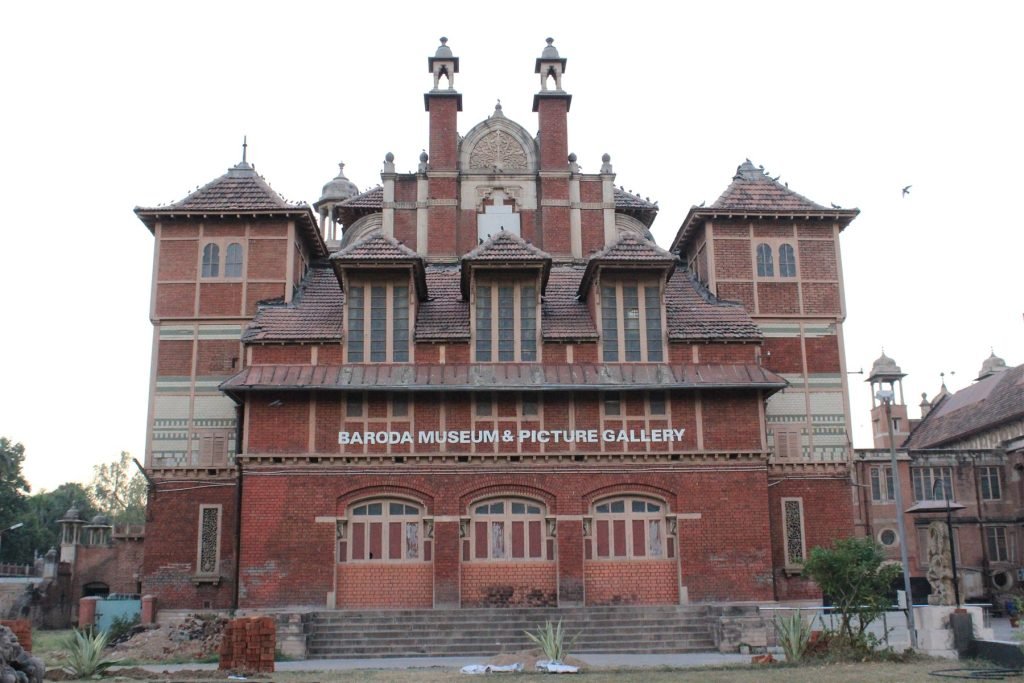
Laxmi Vilas Palace
The Gaekwads’ colossal Indo-Saracenic residence
WHERE TO STAY
Find your stay in Gujarat
Compare live prices across the big booking sites and reserve in a few taps. Booking happens securely on the partner's site — we may earn a small commission at no extra cost to you.
Book directly on our partner sites — tap a provider to see live Gujarat hotels & prices:
SHOP THE REGION
Bring home Gujarat — & travel essentials
Hand-picked crafts and trip gear, available on Amazon.
Published 24 June 2026 · Updated 24 August 2026
We’re an independent group of writers and travellers documenting every corner of Gujarat — one place, plate and festival at a time.