Home › Jamnagar › Bala Hanuman Temple
TEMPLE · GUINNESS RECORDThe temple beside Lakhota Lake where 'Shri Ram, Jai Ram, Jai Jai Ram' has rung out non-stop since 1964 — a Guinness world record of continuous devotion.
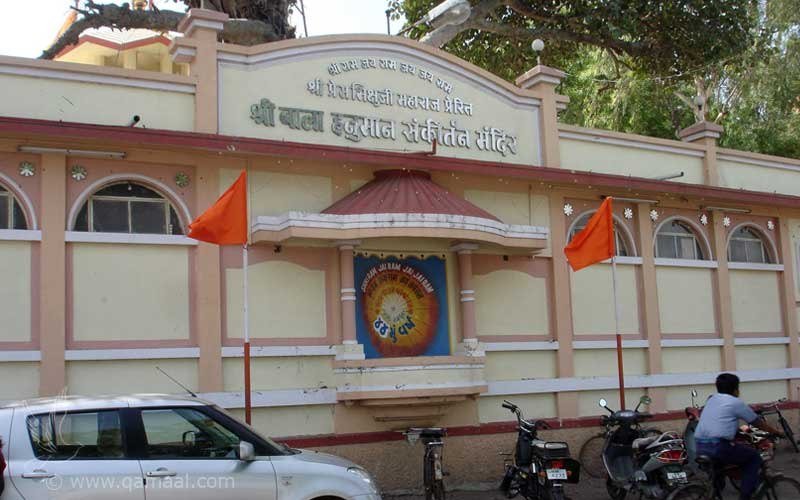
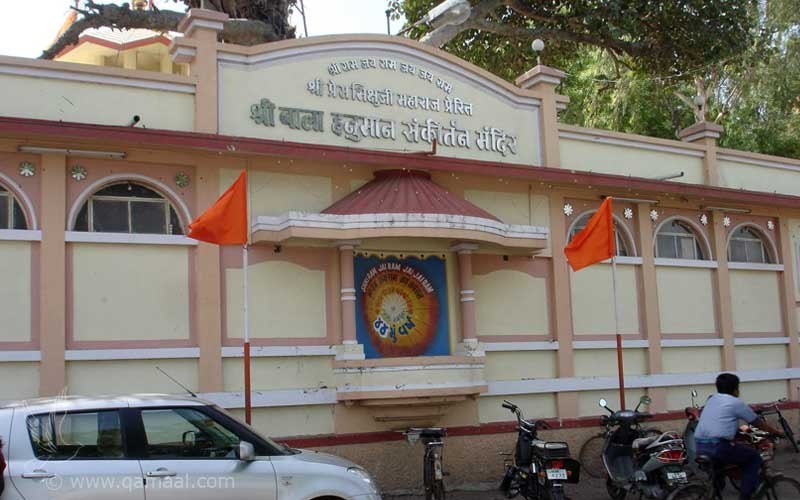
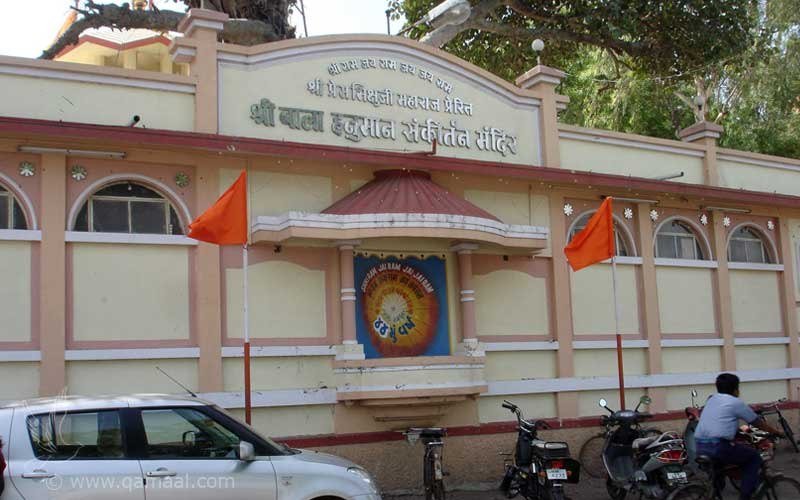
On the southeastern shore of Ranmal (Lakhota) Lake stands the Bala Hanuman Temple, one of Jamnagar’s most beloved and remarkable shrines. Since 1 August 1964, it has hosted an unbroken chanting of the Ram Dhun — ‘Shri Ram, Jai Ram, Jai Jai Ram’ — twenty-four hours a day, every single day, for more than six decades. Volunteers take turns so the chant never falls silent, and this extraordinary, continuous act of devotion earned the temple a place in the Guinness Book of World Records.
Dedicated to Hanuman and Lord Ram, the shrine is modest in scale but profound in atmosphere. The soft, ceaseless chant, the lakeside setting and the glow of the evening aarti draw a steady stream of pilgrims. It is one of those rare places where faith is something you can actually hear — a quiet, moving heartbeat at the centre of the city.
The lakeside Bala Hanuman temple.
Decades of continuous devotion.
The continuous chanting of the Ram Dhun begins here.
Volunteers keep the chant going day and night, without a break.
The unbroken chant enters the Guinness World Records.
A living, audible symbol of devotion by the lake.
The Ram Dhun, unbroken since 1964.
A Guinness-recognised feat of faith.
A devoted lakeside shrine.
Beside Ranmal Lake.
A moving daily worship.
Faith you can hear.
The Bala Hanuman temple.
Continuous since 1964.
Listen to the unbroken Ram Dhun.
Worship Hanuman and Ram.
Time your visit for the evening worship.
Absorb the ceaseless devotion.
The temple sits by Ranmal Lake.
Continue to the island palace nearby.
Simple form, profound atmosphere.
Bala Hanuman is unassuming in its architecture — a compact lakeside temple with a prayer hall and shrines to Hanuman and Ram, brightly kept and always busy. There is no grand spire or sprawling complex here; the temple’s fame rests entirely on what happens within it.
Around the clock, a small group keeps the Ram Dhun going, seated before the deities, relieved in shifts so the sound never ceases. The architecture simply houses and frames that remarkable, unbroken act of collective devotion.
Modest lakeside temple
Shrines to Hanuman & Ram
Round-the-clock chanting hall
Guinness-recorded devotion
Cool and pleasant — the best season to explore Jamnagar.
Lush and green; the lakes and wetlands brim with life.
Hot and dry — visit temples early or after sunset.
⏰ Come for the evening aarti, sit quietly, and let the continuous chant wash over you before exploring the lakefront.
Jamnagar Airport (~10 km) is close.
Jamnagar station, then a short ride.
On the Lakhota lakefront in the city centre.
FAITH & LAKE
The temple in its lakeside setting.
The aarti lamps and devotees.
Interior photography may be limited.
Evening, around aarti time.
An old lakeside Shiva temple
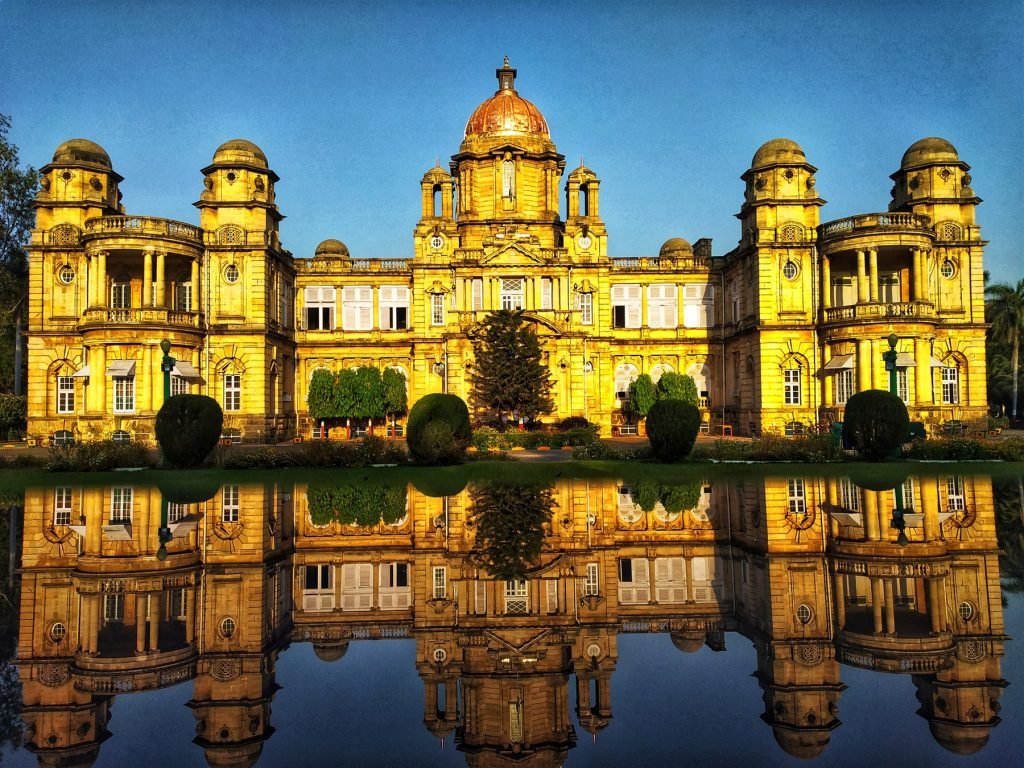
A grand European-style royal palace
India's first — corals, sponges, octopus & islands
◐ Golden hour · the flats
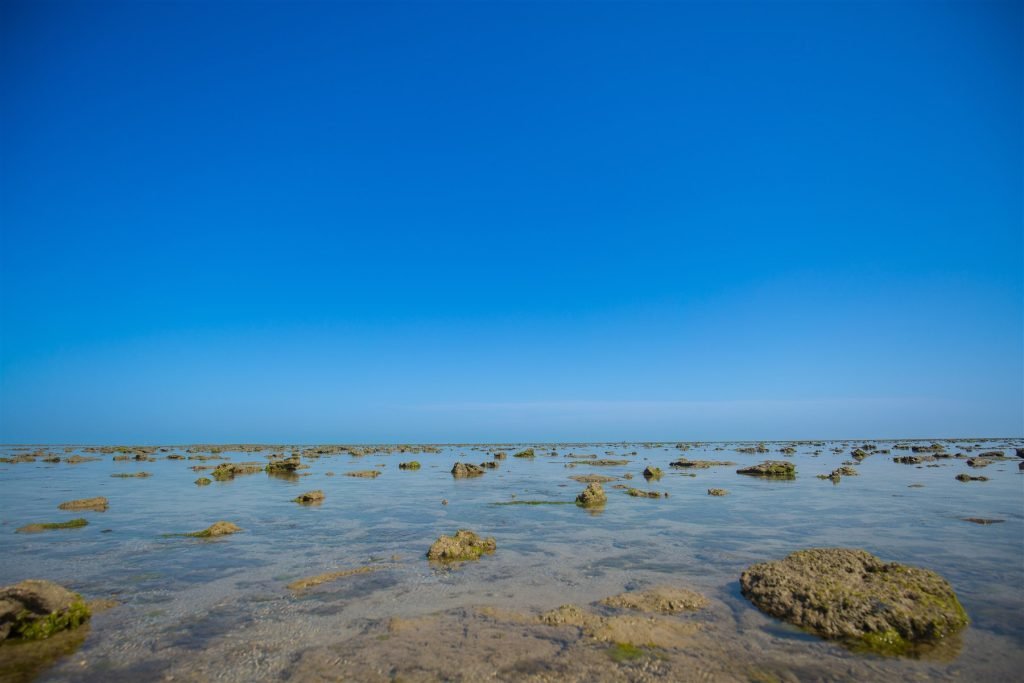
India's first — corals, islands & sea life
Quiet shores & flamingo-rich mudflats
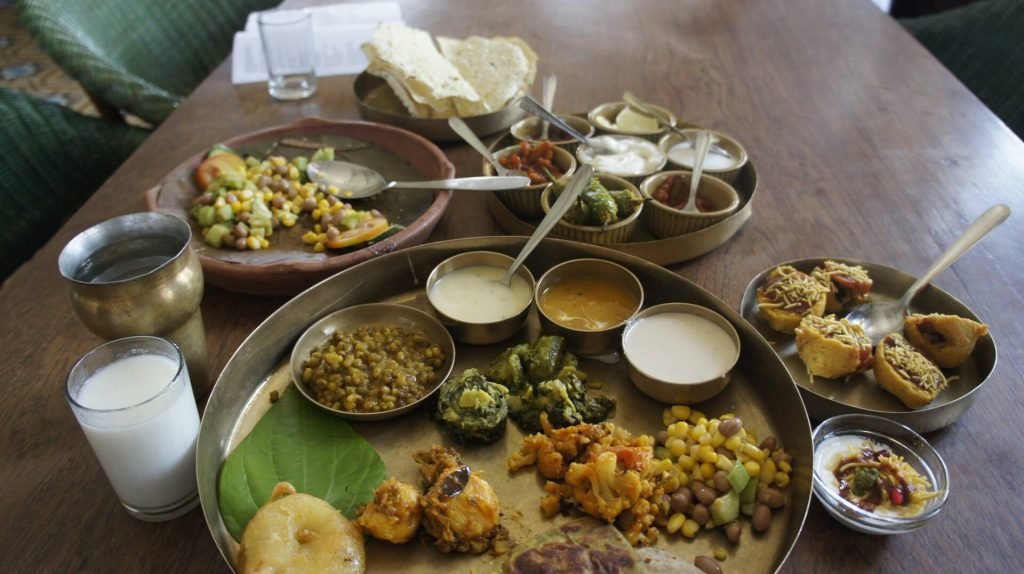
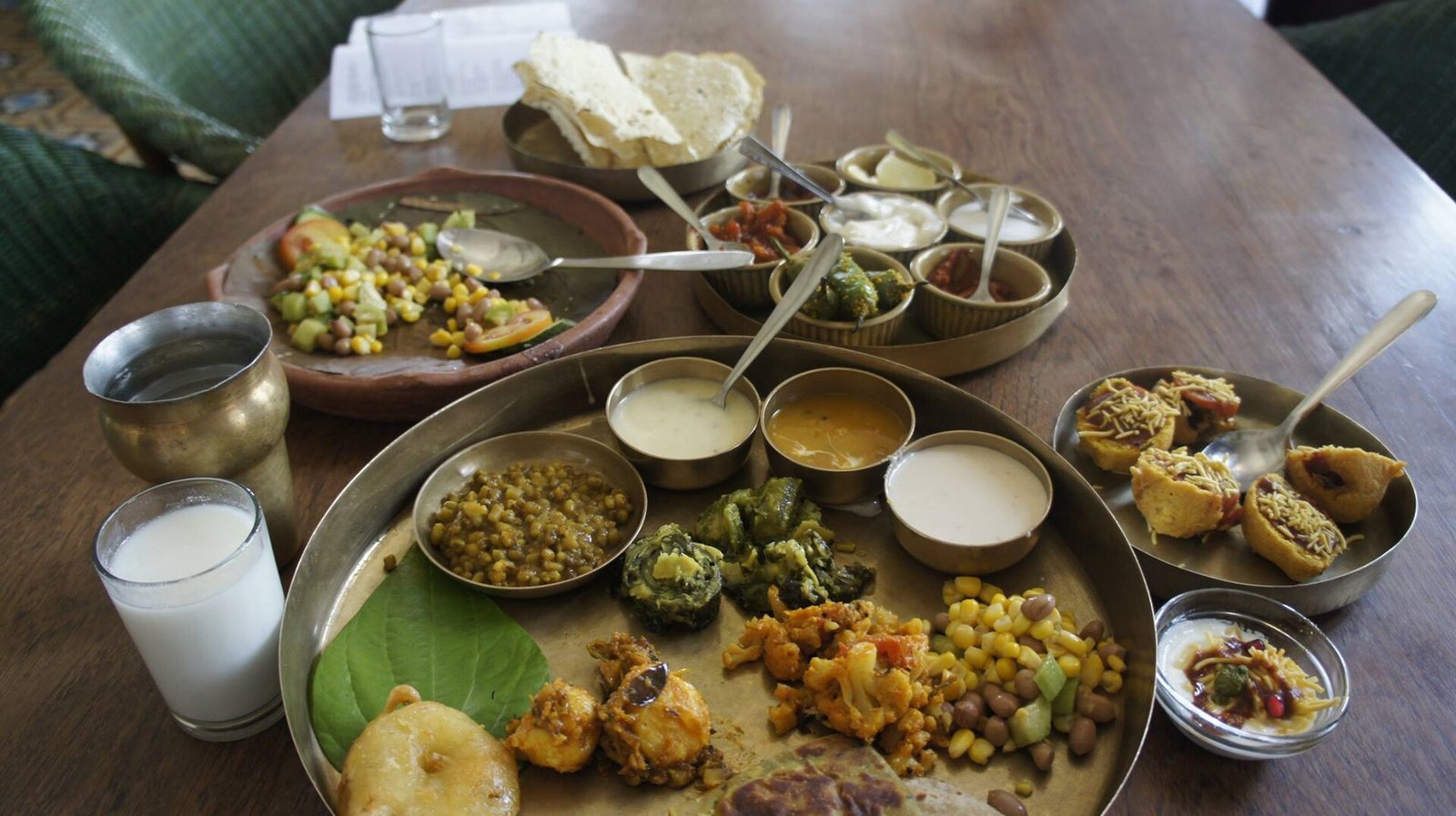
Rotla, kadhi, shaak and ghee-rich fare.

Gathiya and farsan, a Saurashtra staple.

The old city's bustling bazaar snacks.
Jamnagar's food is largely vegetarian.
A continuous chanting of the Ram Dhun, unbroken since 1964 — a Guinness world record.
On the Lakhota (Ranmal) lakefront in Jamnagar.
'Shri Ram, Jai Ram, Jai Jai Ram', sung non-stop, day and night.
On 1 August 1964.
No, darshan is free.
Around the evening aarti, for the fullest atmosphere.
Volunteers, chanting in shifts so it never stops.
Lakhota Lake, Bhujio Kotho and Darbargadh.
WHERE TO STAY
Compare live prices across the big booking sites and reserve in a few taps. Booking happens securely on the partner's site — we may earn a small commission at no extra cost to you.
SHOP THE REGION
Hand-picked crafts and trip gear, available on Amazon.