Gujarat Explorer

Gulf Coast & Beaches

Home Jamnagar Gulf Coast & Beaches

NATURE · COAST · GULF

Gulf Coast & Beaches

Jamnagar's quiet shoreline — the beaches, mudflats and islands of the Gulf of Kutch, a vast intertidal coast rich in marine life, mangroves and migratory birds.

AT A GLANCE Quick Facts
📍 LOCATION Gulf of Kutch, Jamnagar
🌊 TYPE Coast & mudflats
🐠 FAMOUS Marine NP & birds
🌿 FEATURE Mangroves & reefs
🦩 WILDLIFE Flamingos, waders
🎟️ ENTRY Varies (permits)
☀️ BEST TIME Nov – Feb
⏱️ DURATION Half day
ABOUT THE PLACE

India's first marine park coast

Jamnagar’s long coastline along the Gulf of Kutch is one of the most ecologically rich shores in India — a vast belt of intertidal mudflats, sandy stretches, mangroves, coral reefs and low islands that together form the Marine National Park and Sanctuary, the first of its kind in the country.

At low tide the sea retreats to reveal an extraordinary world of corals, sponges, sea anemones, starfish, octopus and crabs, while the mudflats and mangroves host flamingos, pelicans, herons and thousands of migratory shorebirds.

Beyond the protected marine zone, the coast around Jamnagar — at places like the Rozi and Bedi ports and quiet village beaches — offers windswept sands and big tidal horizons. For nature lovers and birdwatchers, the Gulf coast is Jamnagar’s natural treasure, best explored at low tide with a guide.

The gulf coast.

HISTORY

India's first marine park, seen at low tide

Mudflats & birds.

Marine NP

The Gulf of Kutch was declared India's first Marine National Park and marine sanctuary in the early 1980s, covering a chain of low islands and the coast between them.

Intertidal

The tidal range here is large, and at low water the sea pulls back to expose reef flats and rock pools you can walk out onto.

Mangroves

Belts of mangrove fringe the coast and the island edges, and they are the nursery for much of what lives in the gulf.

Today

The result is a coast that supports coral, marine invertebrates, waders and flamingos all within a few kilometres.

WHY VISIT

Reasons to make the time

🐠

Marine park

This was the first marine national park declared in India, and it still protects the country's most accessible reef flats.

🦀

Intertidal life

At low tide the exposed flats hold corals, sea anemones, sponges, starfish, crabs and — if you are patient — octopus.

🌿

Mangroves

Mangrove forest lines much of this coast, and walking the edge of it is a completely different experience from the reef.

🦩

Flamingos

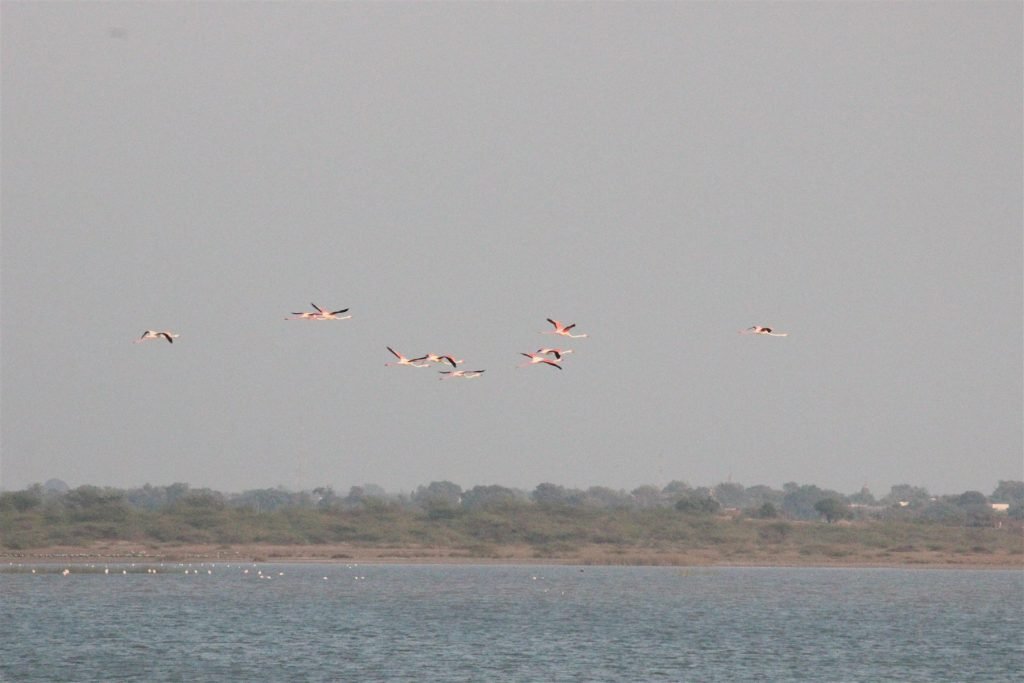
The mudflats hold flamingos and migratory waders in large numbers through the winter months.

🪸

Coral reefs

Coral reefs lie off the low islands, of which Pirotan is the best known and the hardest to reach.

🏖️

Quiet beaches

The shore around Jamnagar is windswept, quiet and almost entirely undeveloped for visitors.

HIGHLIGHTS

What to look for inside

The intertidal zoneTHE MUDFLATS

The intertidal zone

Reef flats and rock pools exposed at low water, full of life.

MangrovesTHE MANGROVES

Mangroves

Coastal forest that acts as the nursery for the whole gulf.

Coral reefsTHE REEFS

Coral reefs

Reef off the low islands, walkable in places at the lowest tides.

Flamingo flatsTHE BIRDS

Flamingo flats

Thousands of flamingos and migratory waders through the winter.

Narara and PirotanTHE ISLANDS

Narara and Pirotan

The two main access points, both requiring permits.

Quiet shoresTHE BEACHES

Quiet shores

Windswept, undeveloped coast around Jamnagar.
THINGS TO DO

How to spend an hour or two

01

Walk at low tide

Walk out onto the reef flats at low tide, which is the whole point and only possible in a narrow window.

02

Spot corals

Look into the rock pools for anemones, starfish, crabs and octopus; a guide will find far more than you will.

03

Watch flamingos

Scan the mudflats for flamingos and waders, which gather here in numbers through the winter.

04

See the mangroves

Walk the mangrove edge, which is quite unlike the reef and worth the time on its own.

05

Visit Narara/Pirotan

Arrange access to Narara or Pirotan, the two marine-park points, well before you travel.

06

Bird the coast

Bring binoculars for the migratory shorebirds; much of what is out there is a long way off.

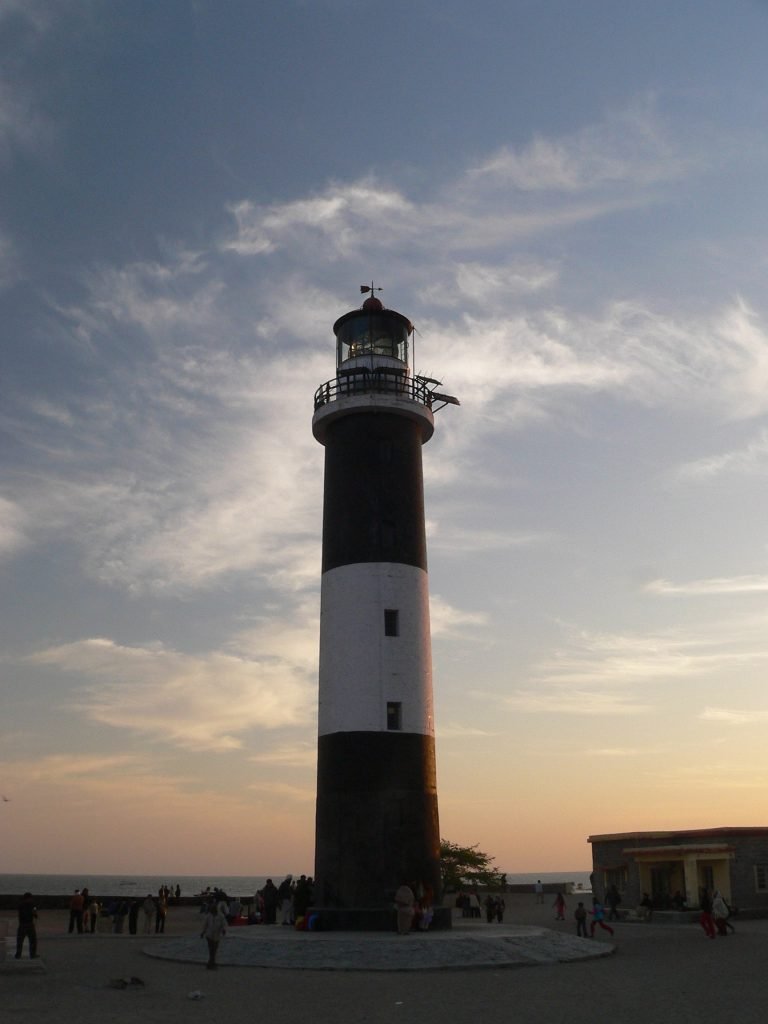
The gulf shore.

ARCHITECTURE & SETTING

Mudflats, mangroves and reefs

The Jamnagar coast of the Gulf of Kutch is a vast intertidal landscape of mudflats, mangroves, coral reefs and low islands — the heart of India’s first Marine National Park and Sanctuary.

It is best experienced at low tide, when the sea uncovers a world of corals and creatures and the flats fill with feeding birds. Parts are protected, so permits vary and a local guide is strongly recommended.

India’s first Marine NP

Intertidal mudflats & reefs

Mangrove forests

Flamingos & shorebirds

BEST TIME TO VISIT

When to go

WINTERNov – Feb★★★★★

November to February is the season — migratory birds are in, seas are calm, and the low-tide walks are comfortable.

MONSOONJul – Sep★★★☆☆

The monsoon leaves the mangroves lush but access is limited and the flats are frequently unworkable.

SUMMERMar – Jun★★★☆☆

March to June is hot with no shade on the flats; go at the lowest tides, as early in the day as they fall.

⏰ Go at low tide in winter with a guide/permit (Narara, Pirotan) for the best marine life and birds.

PLANNING ESSENTIALS

Timings & entry

🕗TIMINGSTide-dependent
  • Plan around low tide
  • Winter for birds
  • Guides/permits for marine park
  • Allow a half day
🎟️ENTRYVaries
  • Marine-park zones need permits
  • Guides recommended
  • Don't damage corals
  • Carry water and sun cover
HOW TO REACH

Getting there

✈️

By Air

Jamnagar airport.

🚆

By Rail

Jamnagar station.

🚗

By Road

Coast around Jamnagar.

NEARBY DISTANCES
Jamnagar — 10–30 km · Narara — 60 km · Pirotan — by boat · Khijadiya — 12 km
PHOTOGRAPHY GUIDE

On the coast

TIDE & LIFE

A rich intertidal shore

🦀

What to shoot

Intertidal creatures in the exposed pools.

🦩

Wildlife

Flamingos and waders on the mudflats.

🌿

Setting

Mangroves and the open flats behind them.

🌅

Best light

Low tide at golden hour, the best combination here.

TRAVEL TIPS

Know before you go

1Plan the whole visit around low tide. Get this wrong and there is nothing to see — check tide tables before travelling.
2Come in winter for the birds and for the most comfortable conditions on the flats.
3Get permits for the marine-park zones in advance; Narara and Pirotan both require them.
4Do not stand on or handle the corals. They are alive, slow-growing and easily killed by a careless footstep.
5Carry water, sun cover and shoes you can soak; the flats are exposed, sharp underfoot and offer no shade.
6Go with a local guide. They know the tides, the safe routes across the flats and where the animals actually are.
NEARBY FOOD

Where to eat near Gulf Coast & Beaches

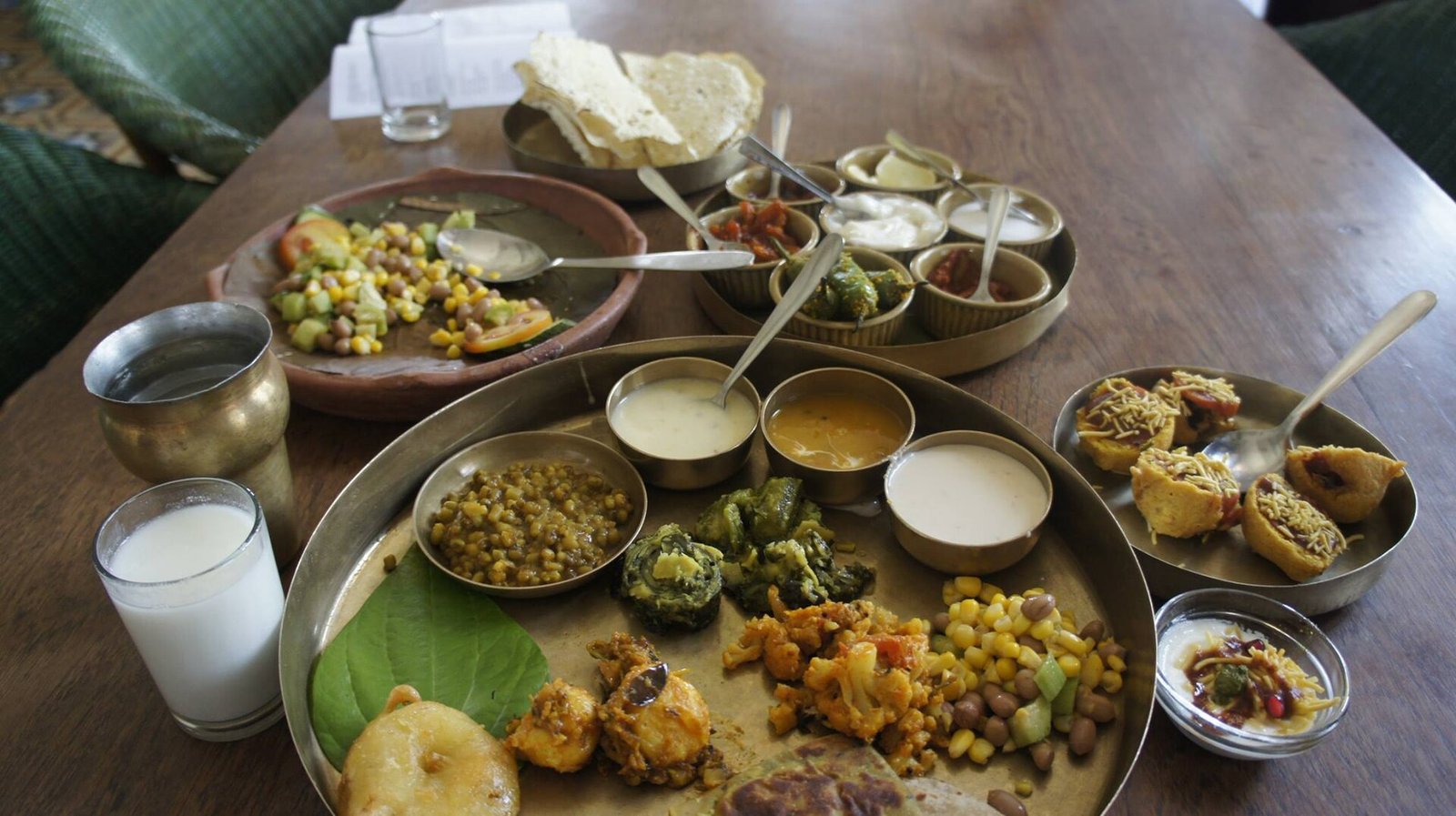
Gujarati ThaliTHALI

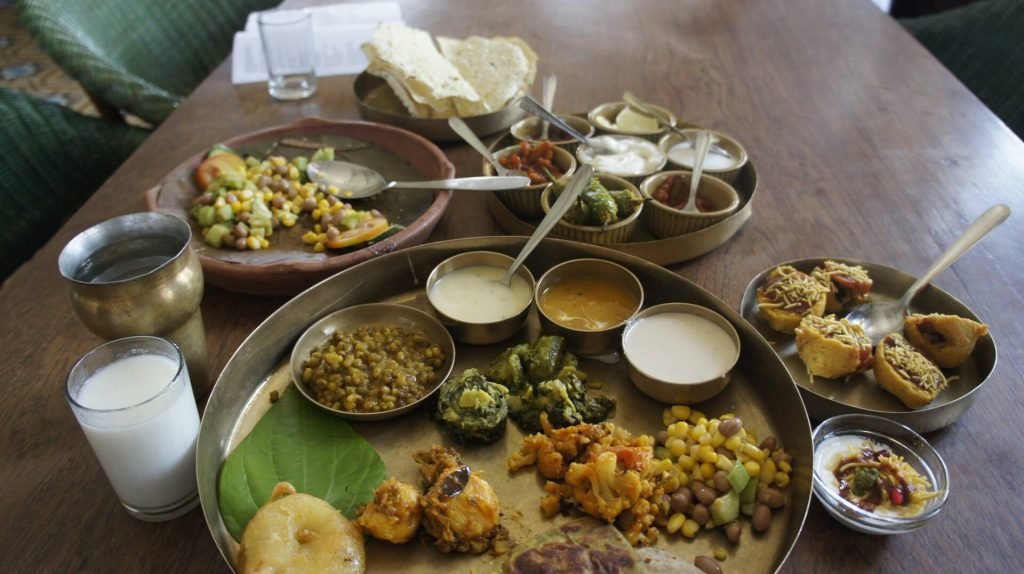
Gujarati Thali

Sweet-savoury full meals.

Ghughra & farsanFARSAN

Ghughra & farsan

Fried and steamed snacks.

Kachori & chaatSTREET

Kachori & chaat

Lively market-town fare.

🍽️GOOD TO KNOW

Pure-veg city

Famous for ghughra, pendas & farsan.
FREQUENTLY ASKED

Gulf Coast & Beaches FAQ

What is Jamnagar's Gulf coast?

A vast intertidal coast of mudflats, mangroves, reef flats and low islands on the Gulf of Kutch — India's first Marine National Park, declared in the early 1980s.

What can I see?

Corals, sea anemones, sponges, starfish, crabs and octopus on the exposed flats at low tide, plus flamingos and large numbers of migratory shorebirds on the mudflats in winter.

Do I need a permit?

Yes. The marine-park zones at Narara and Pirotan both require permits from the forest department, and both are best visited with a guide who knows the tides.

When should I visit?

November to February, and always around low tide. The tide matters more than the month — at high water there is nothing to walk out onto.

Where are the access points?

Narara Bet, reachable by road, and Pirotan island, which needs a boat and more planning. Both lie on the coast near Jamnagar.

Is there an entry fee?

It varies by zone and permit. Check with the forest department at Jamnagar when you apply, rather than assuming a single fee.

Is it good for birding?

Excellent, especially between November and February when the flamingos and migratory waders are present in numbers on the mudflats.

What should I bring?

Water, sun cover, shoes you do not mind soaking, binoculars, and above all the tide timings for the day you are going.

WHERE TO STAY

Find your stay in Gujarat

Compare live prices across the big booking sites and reserve in a few taps. Booking happens securely on the partner's site — we may earn a small commission at no extra cost to you.

📍 DestinationAnywhere in Gujarat 📅 Check-inAdd date 📅 Check-outAdd date 👥 Guests2 adults Search Hotels

Book directly on our partner sites — tap a provider to see live Gujarat hotels & prices:

Affiliate links: prices and availability are shown by our partners. You pay the same price; we may earn a commission that helps keep Gujarat Explorer free.

SHOP THE REGION

Bring home Gujarat — & travel essentials

Hand-picked crafts and trip gear, available on Amazon.

🧵
Patola Silk Scarf
View on Amazon
🪡
Kutch Embroidery
View on Amazon
🎒
Travel Backpack 40L
View on Amazon
🔔
Brass Handicraft
View on Amazon
As an Amazon Associate, Gujarat Explorer earns from qualifying purchases. Product prices and availability are accurate as of the date/time shown on Amazon and are subject to change.
🚕
Book a cab anywhere in Gujarat
Airport transfers, day trips & intercity rides — reserve a comfortable cab, or just ask us on WhatsApp.
Enquiries are passed to independent, licensed local operators. Gujarat Explorer is a facilitator, not the transport provider.
WhatsApp Enquiry

Published 24 June 2026 · Updated 24 August 2026

GE
The Gujarat Explorer Team

We’re an independent group of writers and travellers documenting every corner of Gujarat — one place, plate and festival at a time.