Home › Kutch › Bhuj
HERITAGE CITYKutch's storied capital — a walled old city of royal palaces, mirror-lit halls and bazaars, reborn with resilience after the 2001 quake.
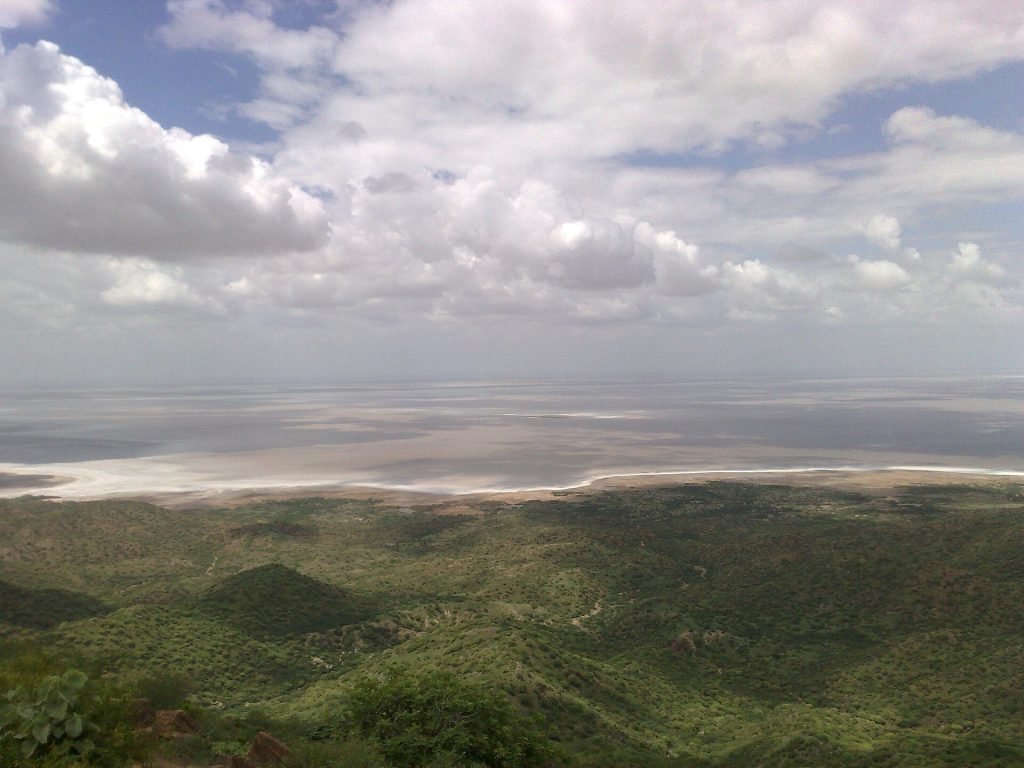
Bhuj is the gateway to Kutch and its cultural heart — a city of royal history, craft and remarkable resilience. Founded in the 16th century by the Jadeja rulers, it grew into a walled capital around Hamirsar Lake, packed with palaces, temples, bazaars and the workshops of master artisans.
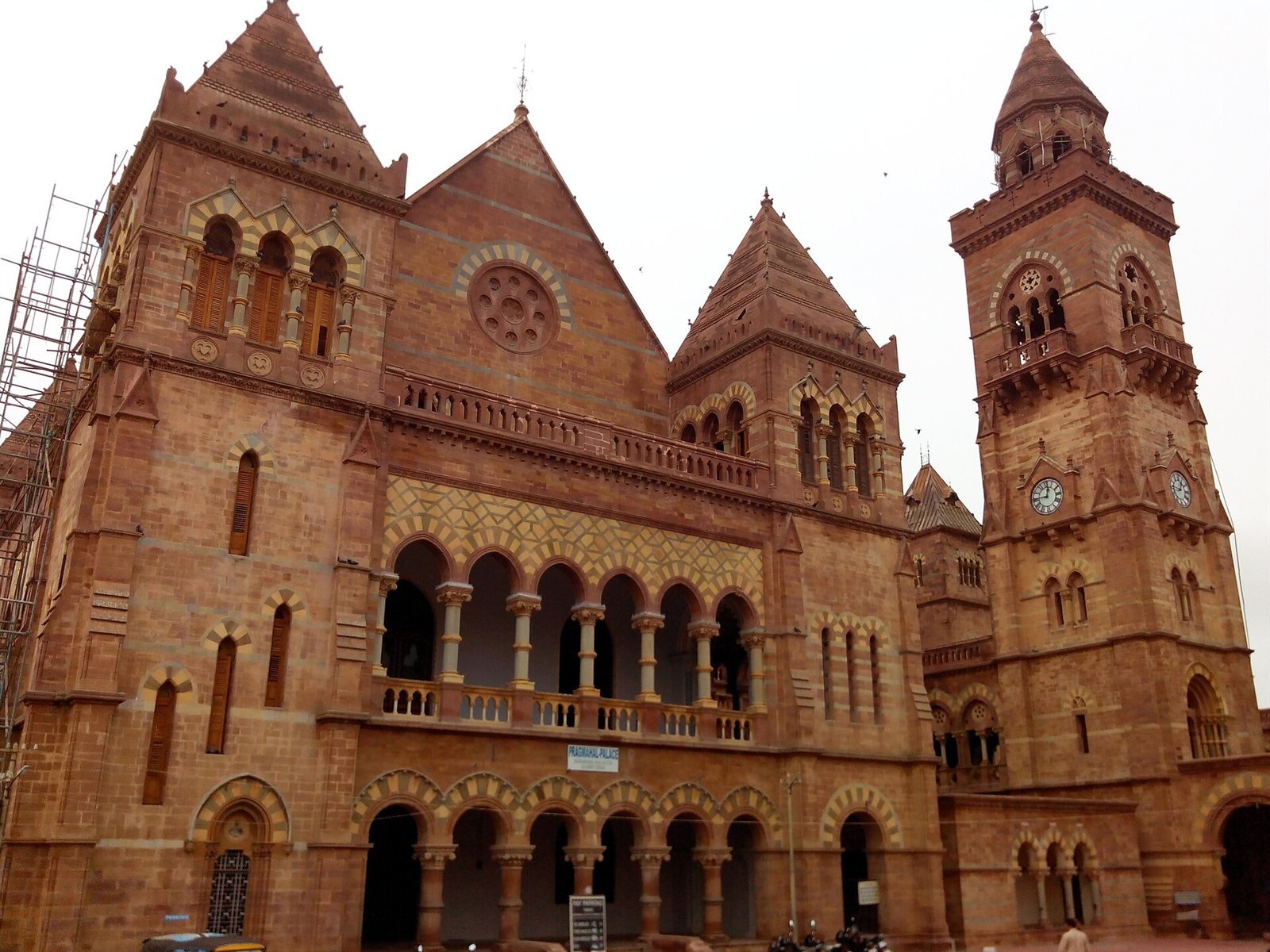
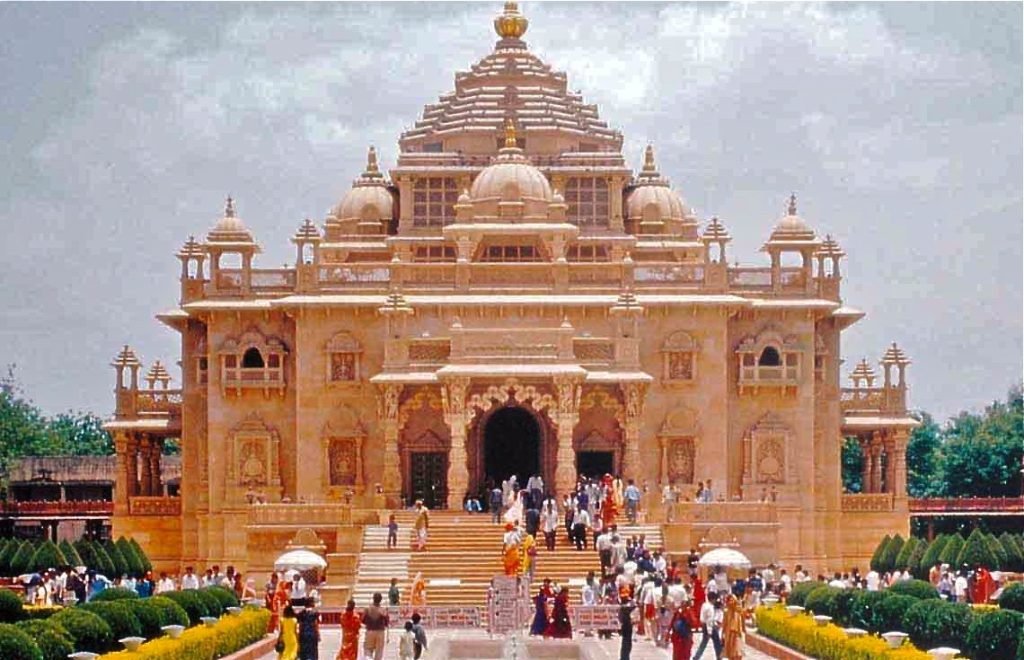
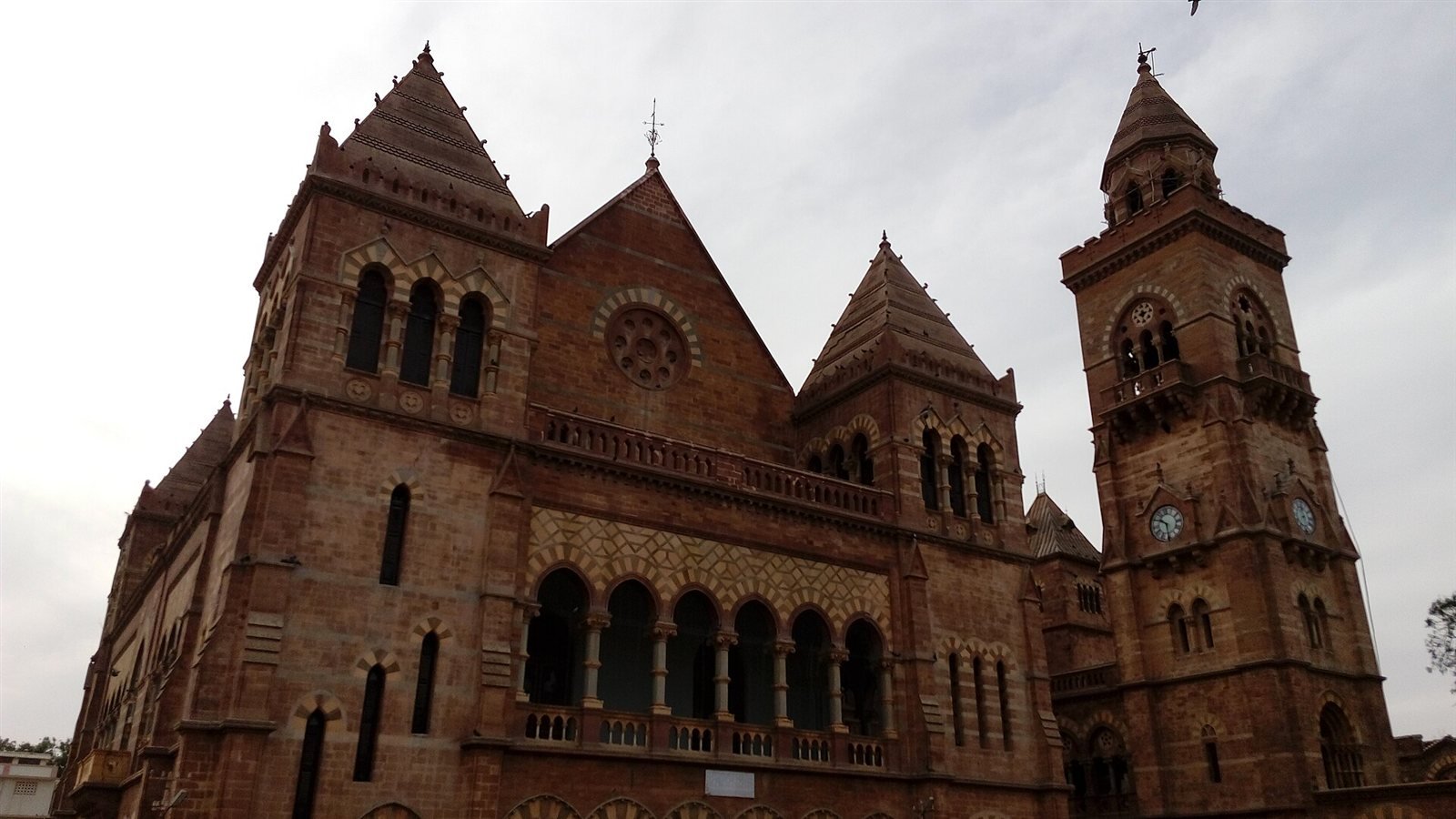
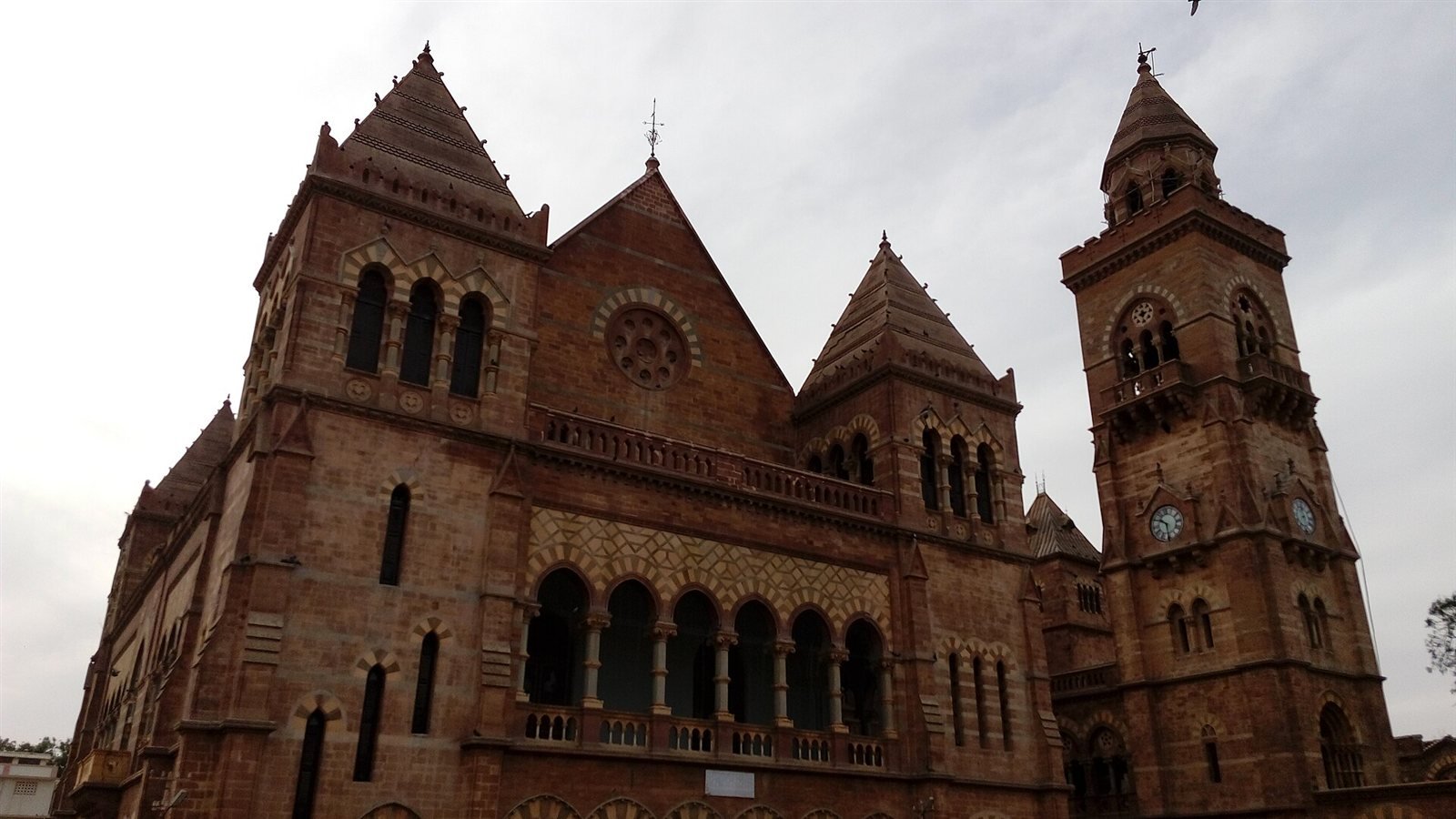
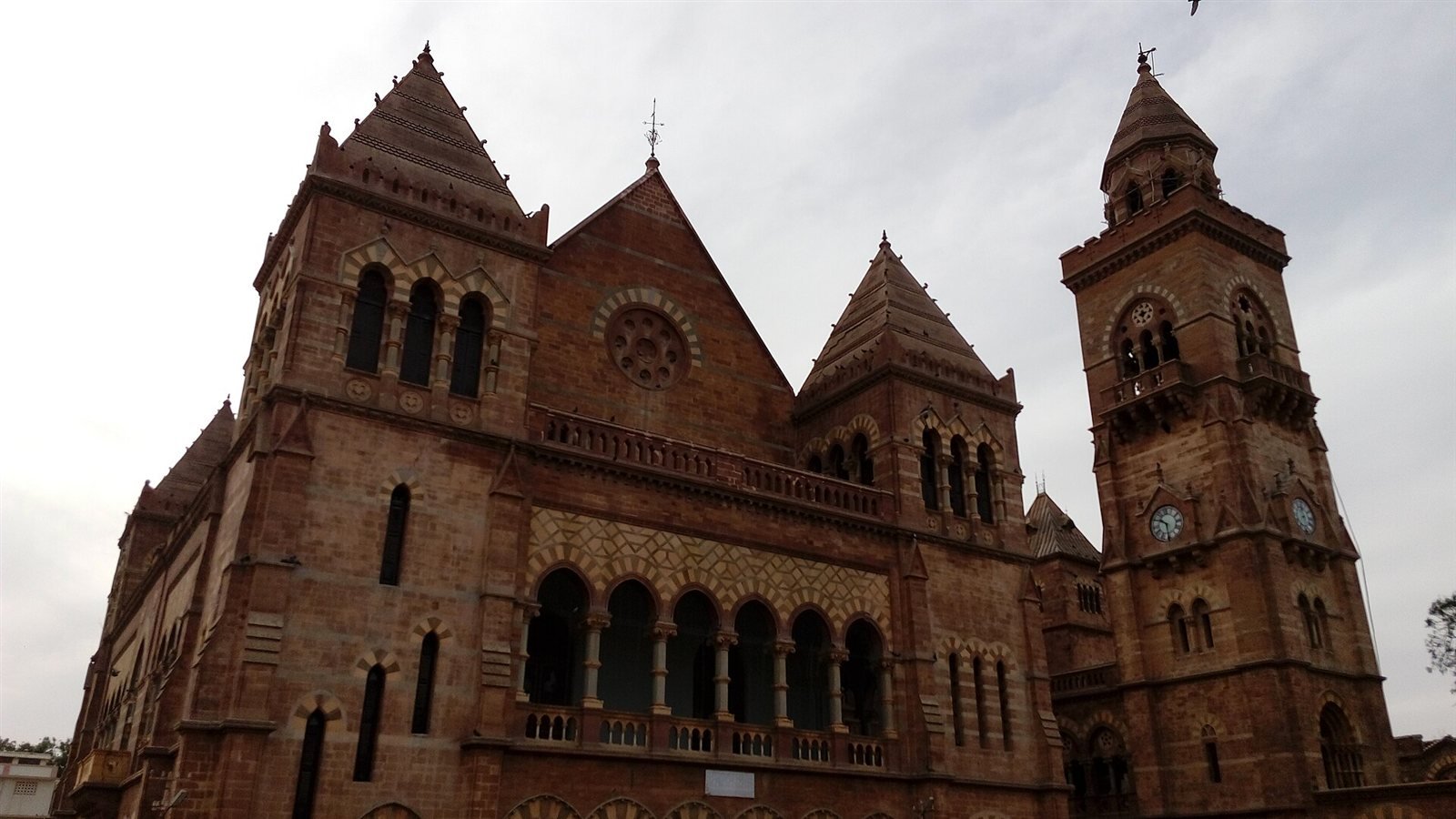
Its showpieces are the royal palaces: the dreamlike Aina Mahal, with its hall of mirrors and Venetian glass, and the soaring Italian-Gothic Prag Mahal next door. Around them spread the Darbargadh complex, the Swaminarayan temple, the Kutch Museum (Gujarat’s oldest) and lanes of bandhani, silver and embroidery.
Much of old Bhuj was devastated by the 2001 earthquake, and its careful recovery is part of the story — a city that rebuilt while holding onto its heritage. It’s the perfect base for the Rann, the beaches and the craft villages.
Bhuj’s old city, gathered around Hamirsar Lake.
A royal capital that rebuilt after 2001.
Rao Khengarji I makes Bhuj the capital of the Kutch kingdom.
The Jadeja rulers build the Aina Mahal, Prag Mahal and Darbargadh.
A devastating earthquake strikes Kutch, badly damaging old Bhuj.
A resiliently rebuilt city and the hub for exploring all of Kutch.
The mirror-filled Aina Mahal and Gothic Prag Mahal.
A historic tank at the old city's centre.
Gujarat's oldest museum, rich in folk culture.
Bandhani, silver and embroidery in the lanes.
A city reborn after the 2001 earthquake.
The launch point for the Rann, beaches and villages.
The 18th-century 'palace of mirrors'.
A soaring Italian-Gothic royal palace.
Gujarat's oldest museum, rich in folk culture.
A historic tank at the old city's heart.
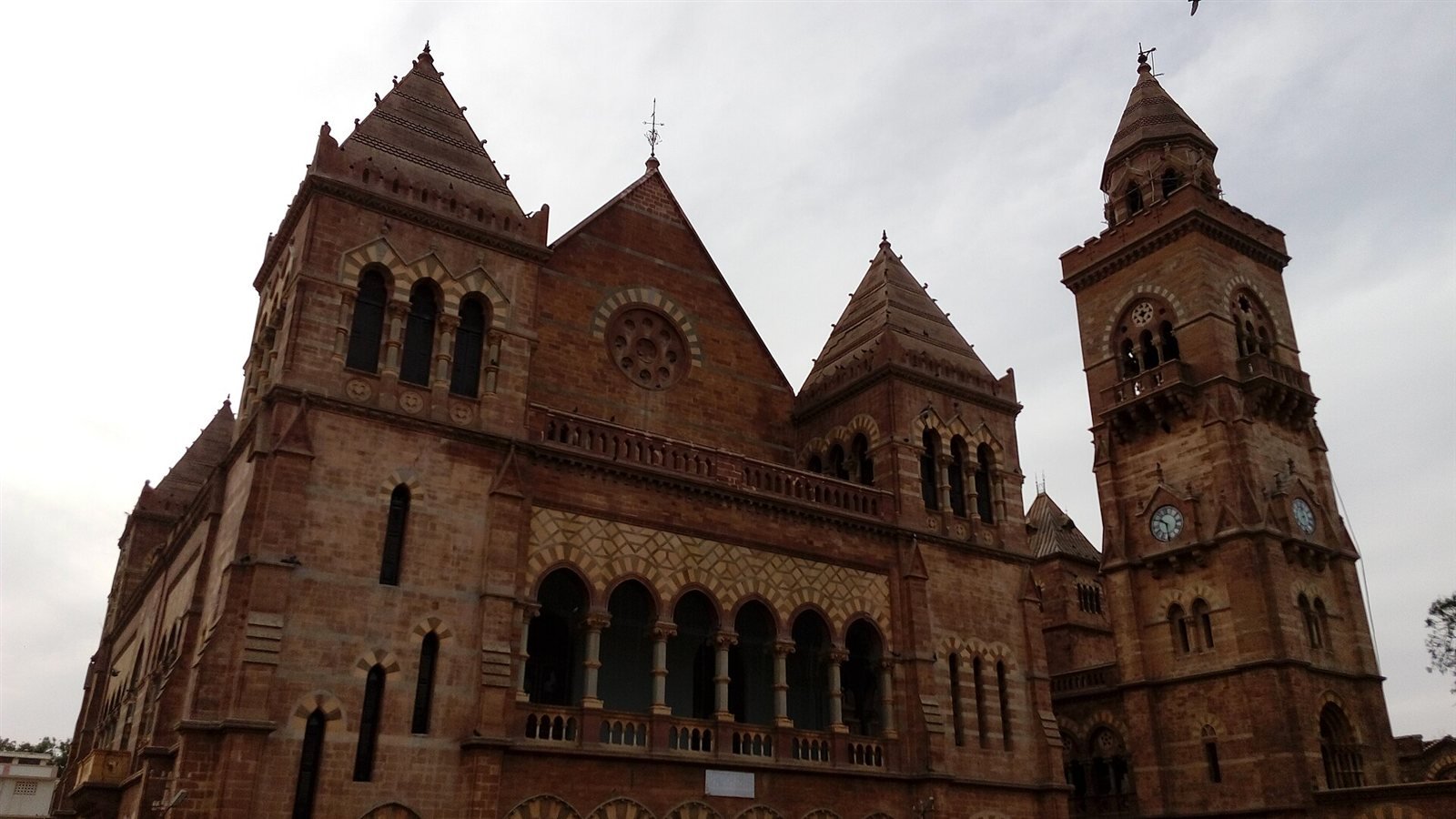
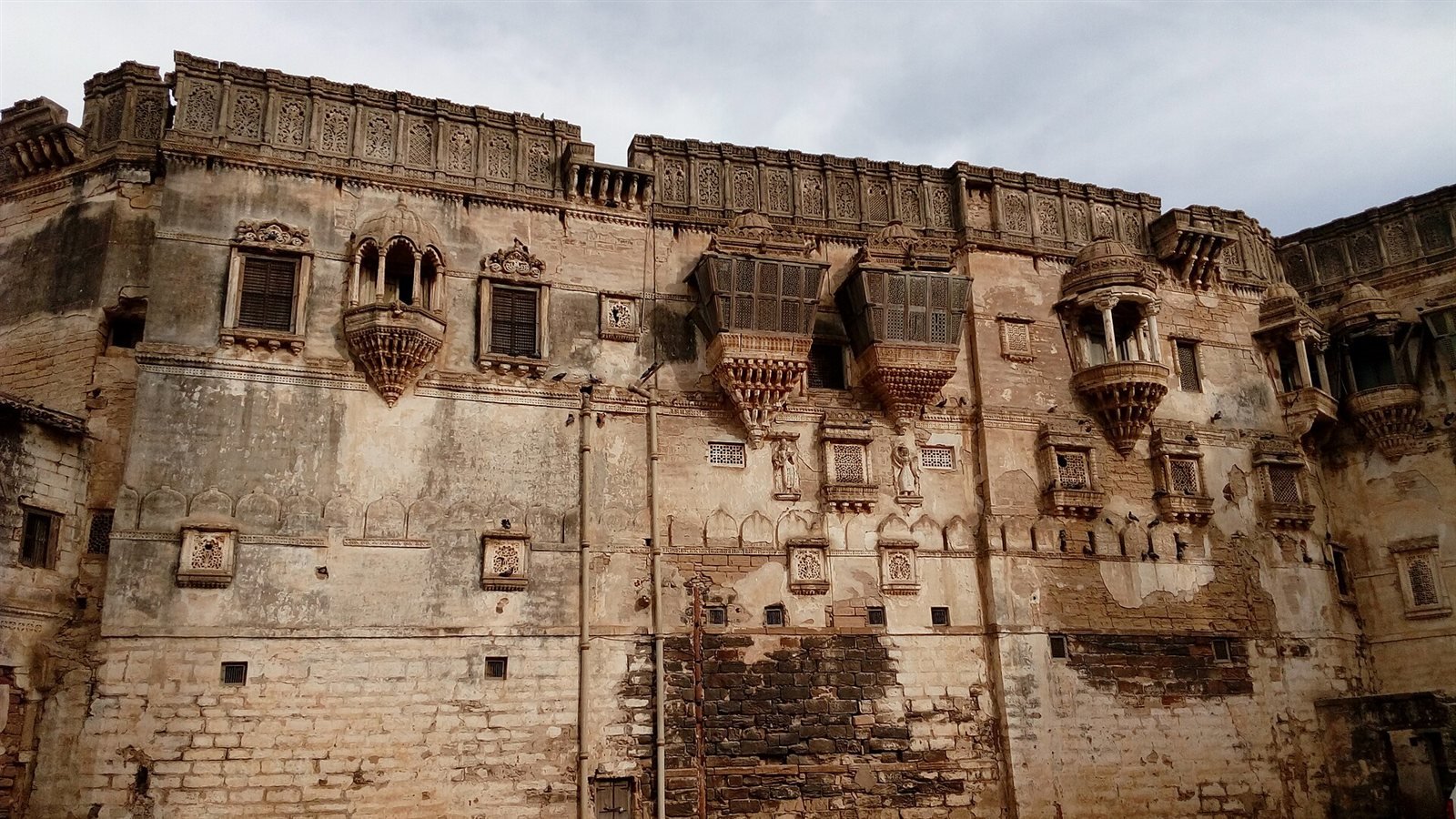
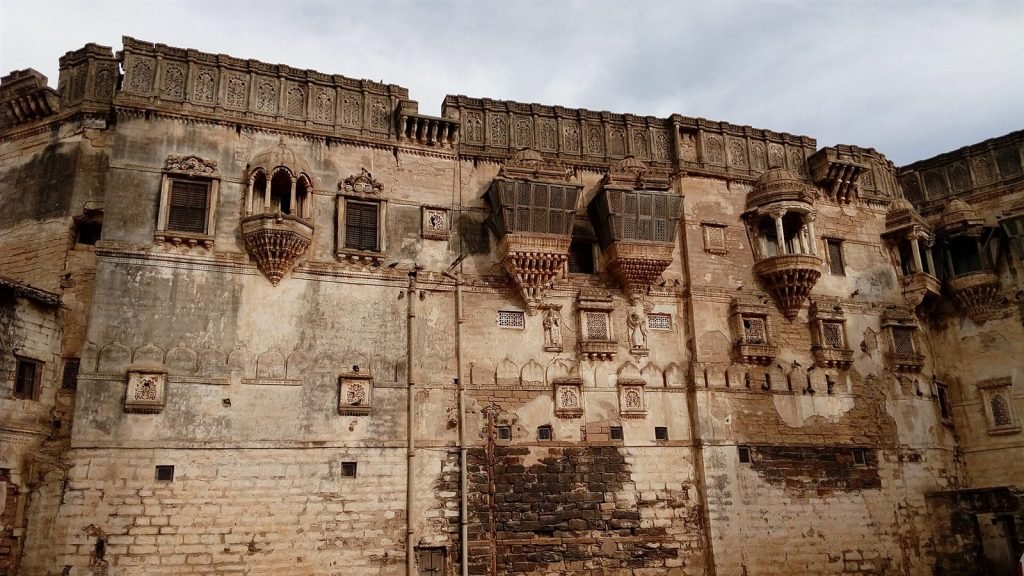
The royal court complex of carved palaces.
Bandhani, silver and Kutchi embroidery.
Step into the shimmering 18th-century hall of mirrors.
Take in the Gothic halls and the bell-tower view.
Explore Gujarat's oldest museum and its collections.
Circle the historic tank at sunset.
Hunt for bandhani, silver and Kutchi embroidery.
Set out for the Rann, beaches and craft villages.
Layers of royal Kutchi architecture.
Bhuj’s old city is a dense layering of Kutchi royal architecture. The Darbargadh complex gathers the 18th-century Aina Mahal — an intimate pleasure-palace of mirrors and a fountain pool — beside the 19th-century Prag Mahal, a grand Italian-Gothic pile with a soaring clock tower.
Around them stand carved temples, the domed Kutch Museum, step-tanks and the old gates, all set around Hamirsar Lake. The 2001 earthquake scarred much of this fabric; sensitive restoration has since stabilised the palaces and revived the surrounding lanes.
Darbargadh palace complex
Aina Mahal hall of mirrors
Italian-Gothic Prag Mahal
Hamirsar Lake & old walls
Cool, dry and clear — by far the best window for Kutch.
Green but humid; the Rann floods and some sites are hard to reach.
Fierce desert heat, often 45°C; only for the very early or hardy.
⏰ Do the palaces and museum in the morning, walk Hamirsar Lake at sunset — and base yourself here for day trips.
Bhuj Airport has flights from Mumbai and Ahmedabad.
Bhuj station is well connected to Ahmedabad and Mumbai.
Highways link Bhuj to Ahmedabad (~330 km) and across Kutch.
PALACES & LANES
Aina Mahal's mirrorwork, Prag Mahal's halls and clock tower.
Sunset over Hamirsar Lake; mornings in the palaces.
Bandhani and embroidery make vivid market frames.
Ask before photographing people and inside shrines.
A walled ghost-town on the edge of the Rann
One of Hinduism's five holy lakes, by Koteshwar
A dazzling marble-and-gold temple in Bhuj
Asia's finest grassland — birds, wildlife & herders
A rare painted-cloth art kept alive by one family
◐ Mirror-hall interiors
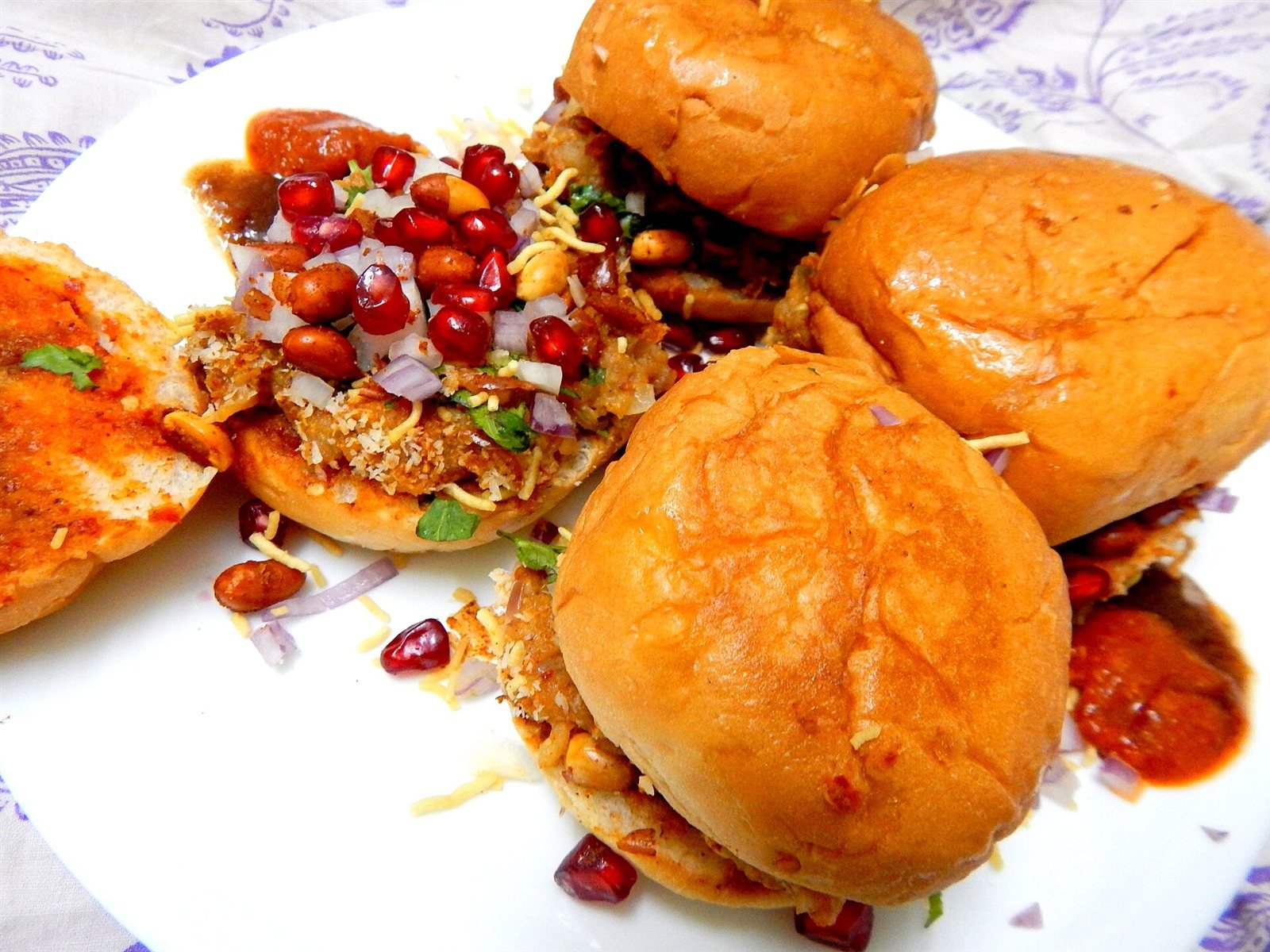
The spicy-sweet potato bun born in Mandvi.
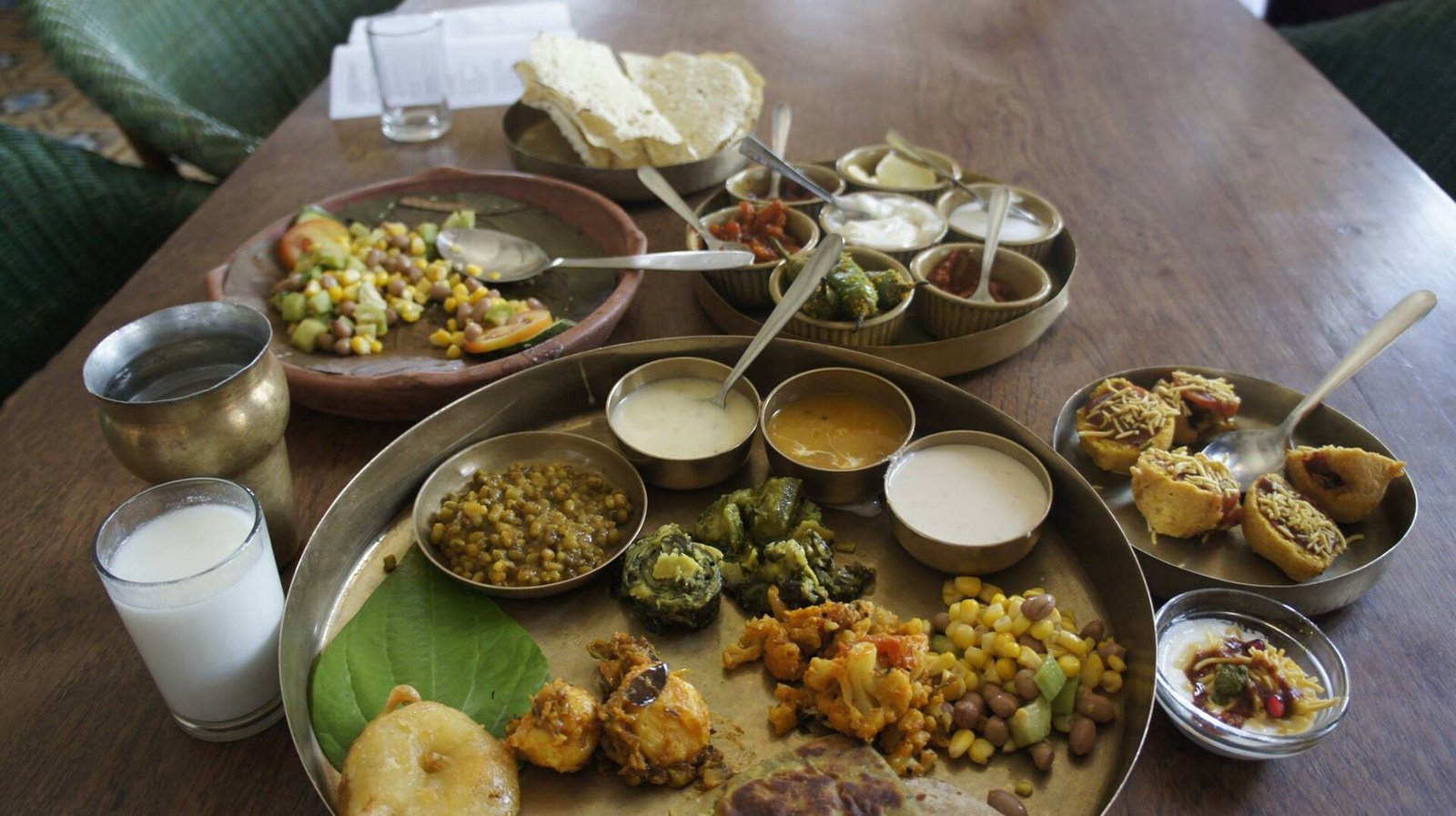
Bajra rotla, kadhi and ghee-rich local fare.
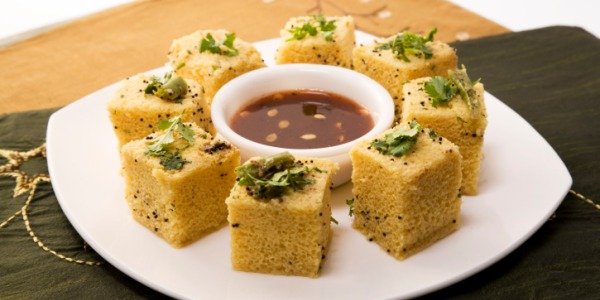
Dabeli, bhungra-bateta and Kutchi sweets.
Kutch is mostly veg — carry water on desert trips.
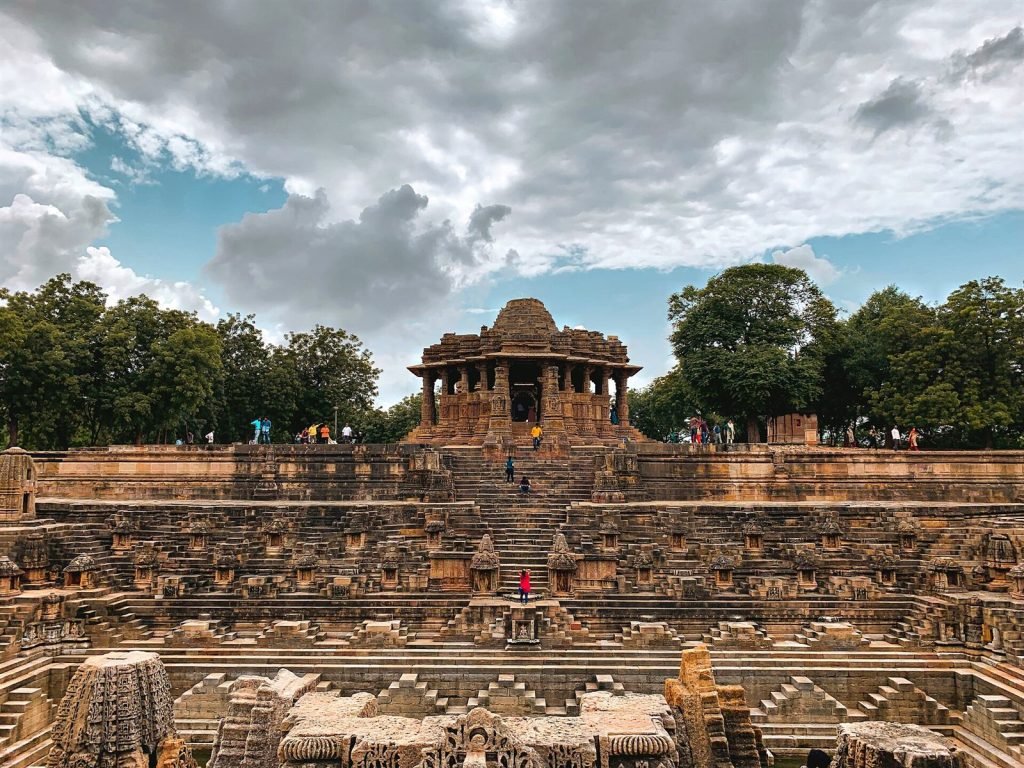
In central Kutch — the district's historic capital and main hub.
Royal palaces, the Kutch Museum, crafts, and as the gateway to the Rann.
In 1549, by the Jadeja ruler Rao Khengarji I.
A major earthquake badly damaged old Bhuj, which has since been rebuilt.
The city is free to roam; the palaces and museum are ticketed.
Roughly 9 AM to 6 PM, with a weekly closed day at some sites.
By flight or train to Bhuj, or by road from Ahmedabad (~330 km).
Yes — ideal for the Rann, Mandvi and the craft villages.
A full day for the city; 2–3 days as a Kutch base.
Bandhani textiles, Kutchi embroidery and silver jewellery.
Clean, shallow water — a certified blue-flag beach
Ancient port on the Narmada
India's last temple before the Pakistan border
Five jewel-like Jain temples of breathtaking carving
Watch artisans cut and polish Khambhat's famous gems
The world's tallest statue — 182 m of Sardar Patel
WHERE TO STAY
Compare live prices across the big booking sites and reserve in a few taps. Booking happens securely on the partner's site — we may earn a small commission at no extra cost to you.
SHOP THE REGION
Hand-picked crafts and trip gear, available on Amazon.