The Kartiki Purnima fair at Shamlaji is one of India’s largest Adivasi pilgrimage gatherings. Held on the full moon of Kartik (October/November), it draws tens of thousands of tribal pilgrims — Bhil, Garasia, Rathwa and other Adivasi communities — who converge on the Sabarmati at Shamlaji.
For three days, the fairground is a living canvas of tribal Gujarat: dress, music (Timli, Garba, drumming), ritual bathing in the Sabarmati and devotions at the temple. For photographers, it is one of the great documentary subjects of western India.
The fair is free and runs on Kartiki Purnima only. Accommodation fills fast in the surrounding towns, so book well ahead if you plan to stay through the three days of celebration.
Shamlaji Kartiki fair.
The Kartiki fair.
Adivasi communities from across north-east Gujarat and the Rajasthan border districts converge on Shamlaji, many walking or travelling by tractor-trailer over several days to arrive before the full moon.
Kartiki Purnima itself is the ritual peak. The full moon of Kartik is among the most auspicious bathing days in the Hindu calendar, and it is the reason the fair sits where it does in the year.
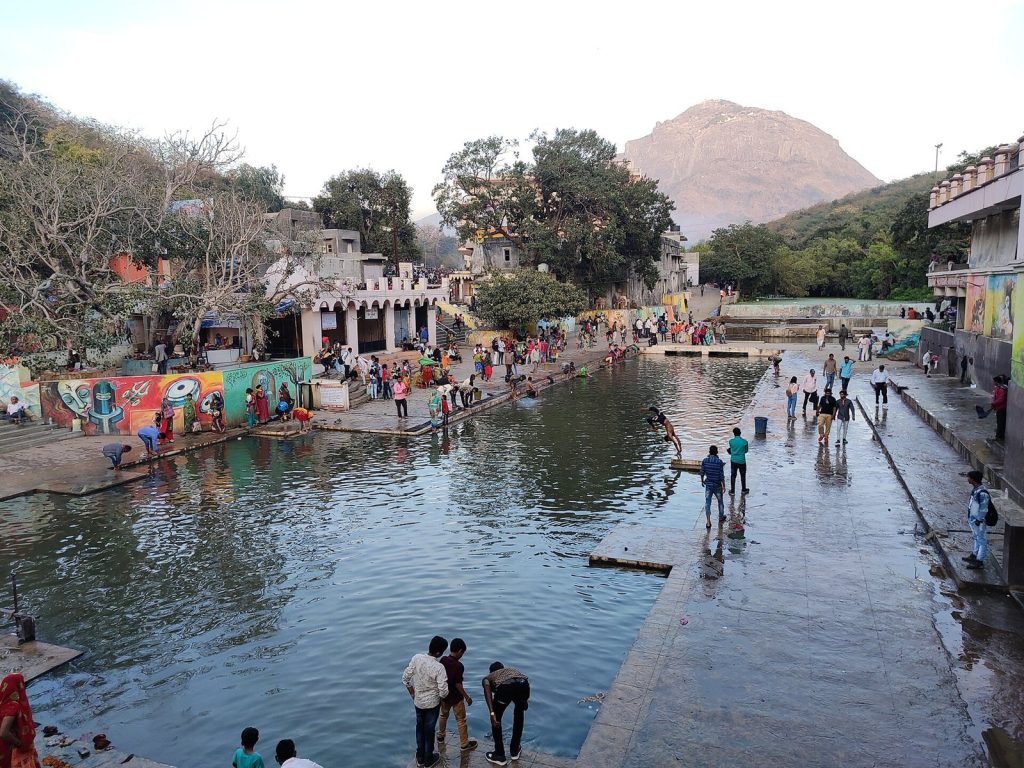
Pilgrims bathe in the Meshwo river below the temple before making their offerings — the sequence of ritual bathing followed by darshan is the fair's central act.
Around the religious core runs a full country fair: livestock trading, tribal silver and beadwork, food stalls and Timli dancing that continues through the night.
Crowds run into the tens of thousands across the three days, making this one of the largest Adivasi gatherings anywhere in India.
Timli — the Bhil dance performed to drum and shehnai in long lines — goes on late into the night, alongside garba and continuous drumming around the fairground.
This is not a staged cultural show. The dress, ornament, music and ritual are the communities' own, performed for themselves.
For anyone interested in tribal Gujarat, the fair compresses into three days what would otherwise take months of travel through the eastern belt to see.
Bhil, Garasia, Rathwa, Dungri Bhil and other communities attend, each identifiable by distinct dress, silver ornament and hairstyle.
The bathing ghats below the temple are busiest before dawn on the full-moon day, when most pilgrims complete the ritual.
The scale is the first thing that registers — a fairground filled with people, carts and livestock spreading well beyond the temple precinct.
Timli lines and drum circles form and re-form across the ground through the night, with no fixed programme or stage.
Come a day early to watch the arrivals. Groups walk in from the surrounding districts, and the approach roads are as much part of the event as the fairground.
Look at the dress and silver. Each community carries its own ornament, and the fair is one of the few occasions when all of it is worn at once.
Stay for the Timli after dark, when the dancing gets going properly and the drumming carries right across the ground.
Go down to the ghats before dawn on the full-moon morning for the ritual bathing, the quietest and most concentrated part of the fair.
Walk the market rows for tribal silver, beadwork and lac bangles, sold here by the makers rather than through traders.
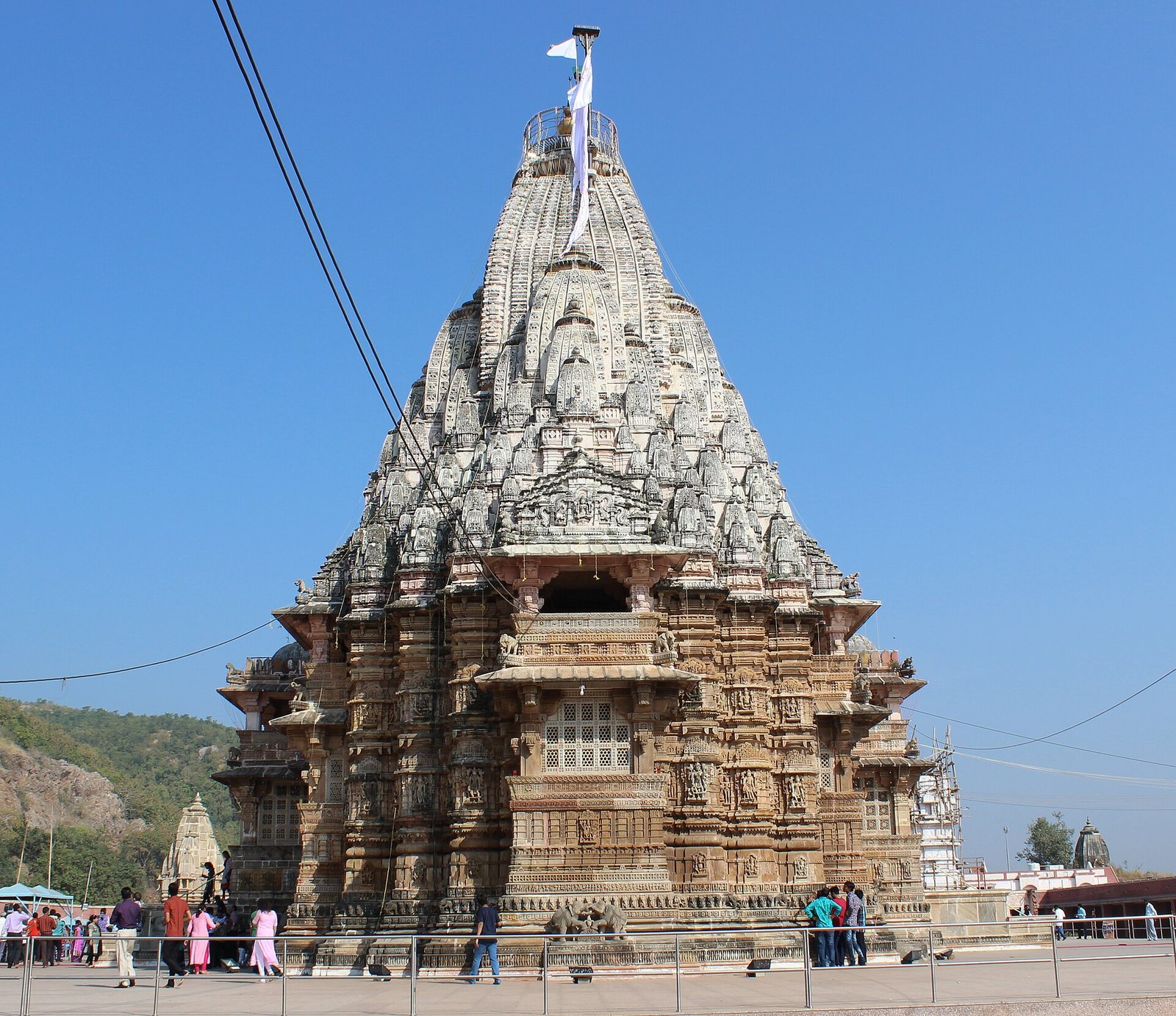
See the Shamlaji temple itself, an eleventh-century Vishnu shrine whose carved plinth is worth attention independent of the fair.
Shamlaji Kartiki fair.
The Kartiki Purnima fair at Shamlaji draws tens of thousands of tribal pilgrims for three days of music, ritual bathing and devotion — one of India’s largest Adivasi gatherings.
The fair falls on Kartiki Purnima, the full moon of the month of Kartik, which lands in October or November and shifts each year with the lunar calendar. Check the current year’s date before planning. Accommodation in Shamlaji itself is very limited, so most visitors stay at Himatnagar or Modasa and drive in, and even those fill up across the three days.
One of India’s largest Adivasi gatherings
Kartiki Purnima — October/November full moon
Three days of music, bathing, devotion
Bhil, Garasia, Rathwa tribal communities
Cool & clear — ideal.
Lush; roads may flood.
Hot; early mornings.
⏰ October to March is ideal for Aravalli.
Ahmedabad airport (~130 km).
Himmatnagar / Modasa.
NH-48 / Modasa.
ARAVALLI HILLS
Wide frames from slightly above give the scale; from ground level the crowd reads as a wall of people rather than a gathering.
The Timli lines and drummers are the strongest subject after dark — a slow shutter carries the movement better than freezing it.
Ask before photographing individuals. Consent matters more here than anywhere, and a refused shot costs nothing.
The ghats at first light, with mist on the water and the bathing under way, are the quietest and best-lit part of the day.
Sacred stones and spirit flags — the tribal shrines of Aravalli, where Bhil and Garasia Adivasi…
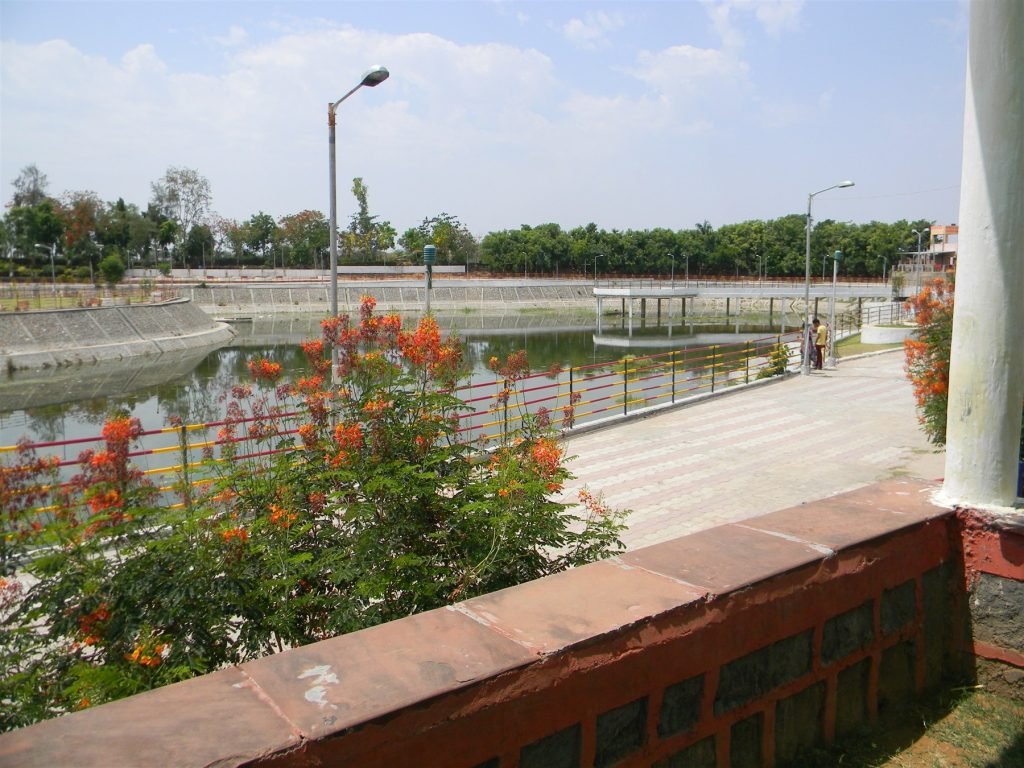
TOWNThe bustling district headquarters

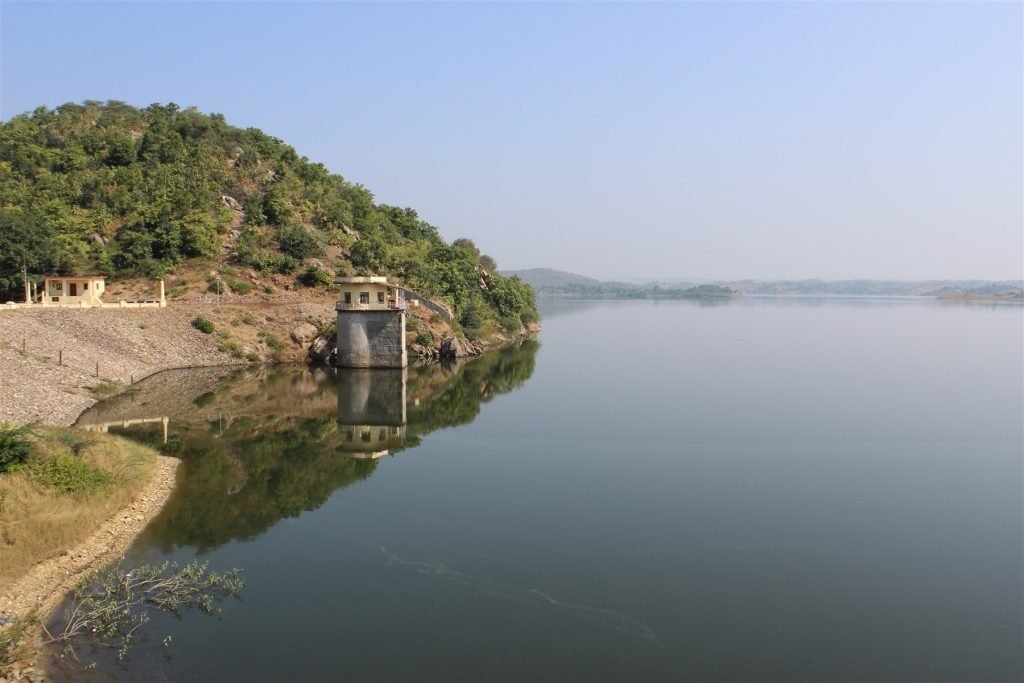
Dawn on a Gujarat reservoir — Meshvo at first light, when the Aravalli hills reflect gold…
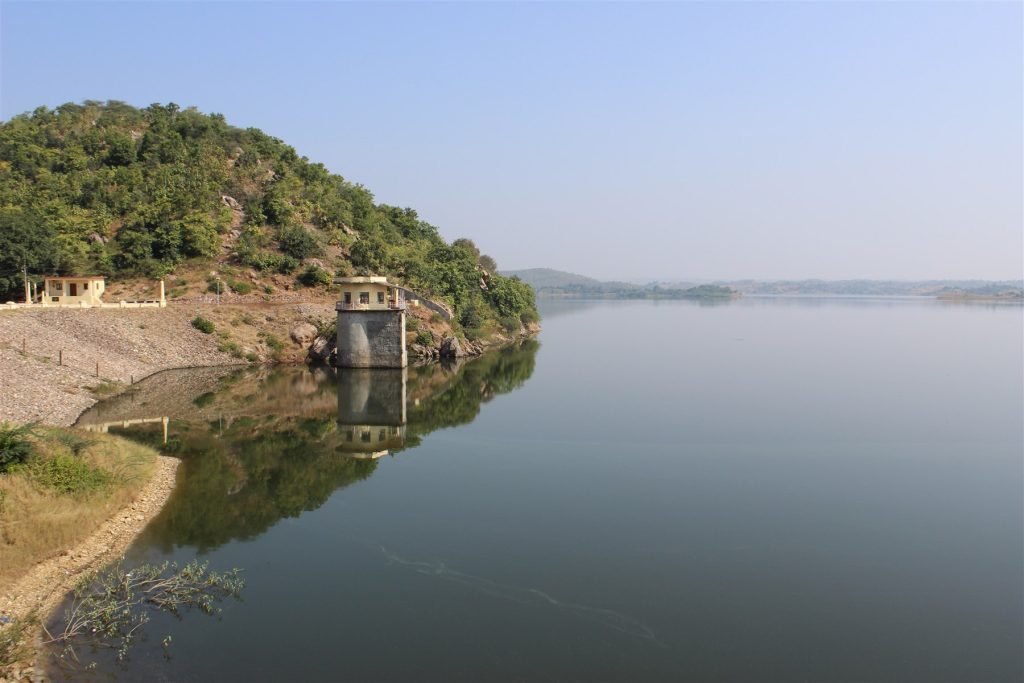
RESERVOIRA serene dam-lake beside Shamlaji

The world’s oldest mountains — the Aravalli range in Gujarat, ancient Pre-Cambrian ridges rolling through Aravalli…
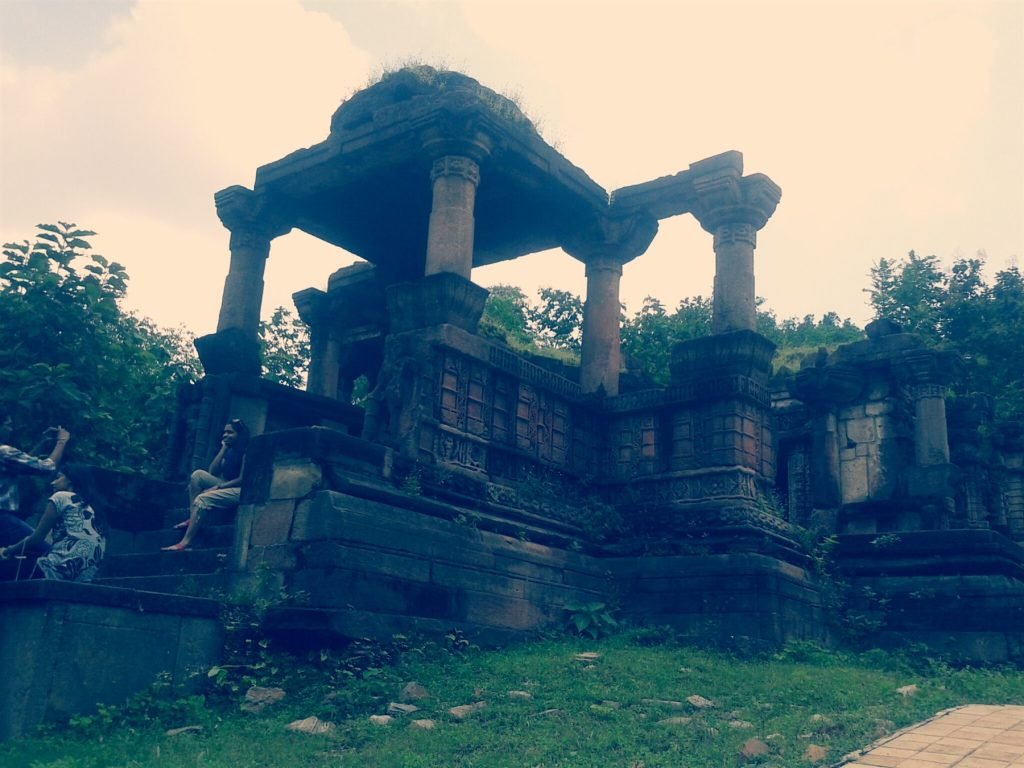
A finely carved old monument at Shamlaji
Hearty home cooking.
Gujarat's famous snacks.
Local dhabas in Aravalli.
Millets and forest produce from Bhiloda.
Kartiki Purnima — October or November full moon.
Yes.
Travel to Shamlaji, Aravalli.
Book months ahead.
Music, tribal dress, bathing, devotions.
1–3 days.
BOATINGRiver cruises & a sea-plane to the statue
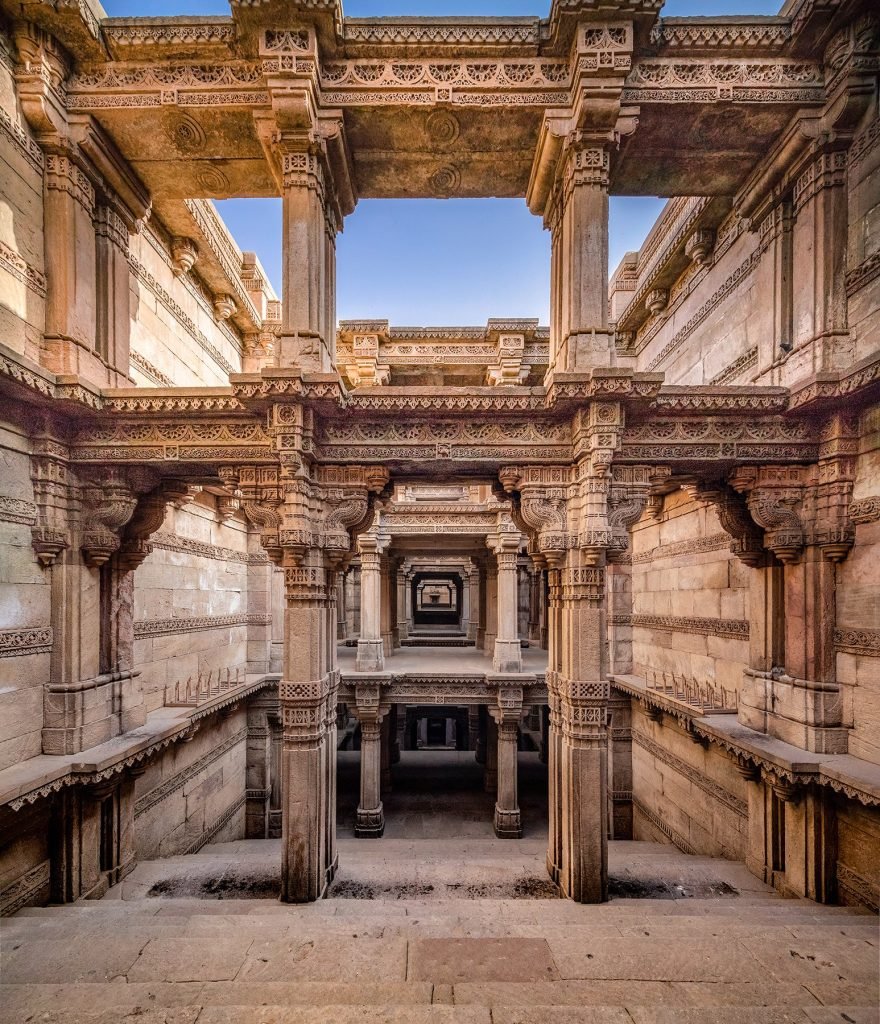
STEPWELLGateway to Patan’s Rani ki Vav & Adalaj
FORESTDense moist jungle sheltering deer & leopard
Birdlife along the river’s edges

An old Shiva temple by the town tank
FORT & COASTAn old fort guarding a fishing coast
WHERE TO STAY
Compare live prices across the big booking sites and reserve in a few taps. Booking happens securely on the partner's site — we may earn a small commission at no extra cost to you.
Book directly on our partner sites — tap a provider to see live Gujarat hotels & prices:
SHOP THE REGION
Hand-picked crafts and trip gear, available on Amazon.
Published 26 June 2026 · Updated 24 August 2026
We’re an independent group of writers and travellers documenting every corner of Gujarat — one place, plate and festival at a time.
Search Gujarat Explorer
Find places, food, festivals and travel guides across Gujarat
Press Enter to search — or Esc to close
Plan Your Trip
Gujarat Explorer is an independent travel guide. We’re happy to help you shape an itinerary and point you to the right places, stays and experiences across Gujarat.
Book a Cab