Where the Tapi widens and meets the Arabian Sea below Surat, its creeks, mudflats and wetlands form an important — if little-known — habitat for birds. In the winter months these waters draw migratory flocks: flamingos, ducks, waders, gulls and terns, alongside resident herons, egrets, kingfishers and raptors, making the lower Tapi and nearby coastal wetlands a quiet delight for birdwatchers.
Timing beats territory here: work the falling and low tide when the flats expose their feeding ground, keep the sun behind you for the morning’s viewing on the western banks, and let the roosts concentrate the birds at high water. The Hazira road’s creek crossings, the villages toward Dumas and Sultanabad, and the river-mouth bunds give access points; local birders on the eBird trails for Surat’s coast have mapped the hotspots and their lists run well past a hundred species in a good winter.
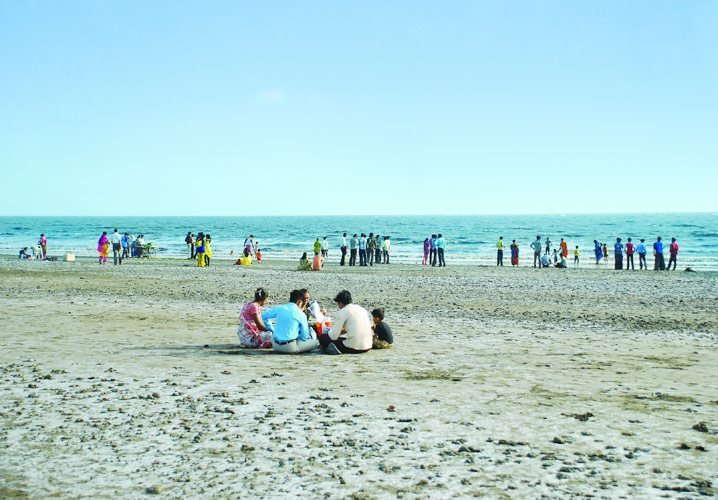
The pairing with the city is easy — Dumas beach’s evening crowd scene and the estuary’s morning silence are twenty minutes apart — and the contrast is the point: one of India’s fastest, loudest cities keeps a wild fringe an auto ride away. Carry water and sun cover, expect industrial traffic on the approach roads, and leave the flats themselves to the birds; the mud is as treacherous as it looks.
The areas around Hazira, the river mouth and the coastal flats are the places to look. It is a reminder of the natural richness that survives alongside one of Gujarat’s most industrial coasts.
Bring binoculars and patience. It is a natural wetland, best in winter, when the birdlife is at its richest and the light on the water is at its softest.
Wetland birds.
Creeks & flats.
The Tapi's last reach spreads into creeks below Surat.
Mudflats and mangrove patches line the estuary's arms.
Winter brings flamingos, ducks and wader flocks in numbers.
The habitat persists beside one of India's industrial coasts.
November to February stacks the counts highest.
Pintail, shoveler and garganey raft the calm water.
Herons, egrets and kingfishers work the creeks year-round.
The estuary feeds fish, crab and everything that hunts them.
A telescope turns the far flats into the main show.
Refinery stacks and flamingos share one horizon.
Winter flocks on the estuary flats.
Where river meets sea.
Winter visitors on the flats.
Present all year round.
Mudflats and open water.
Birdwatching beside an industrial coast.

Scan the creeks and flats for resident and migrant species — the reward comes to the patient, quiet observer.
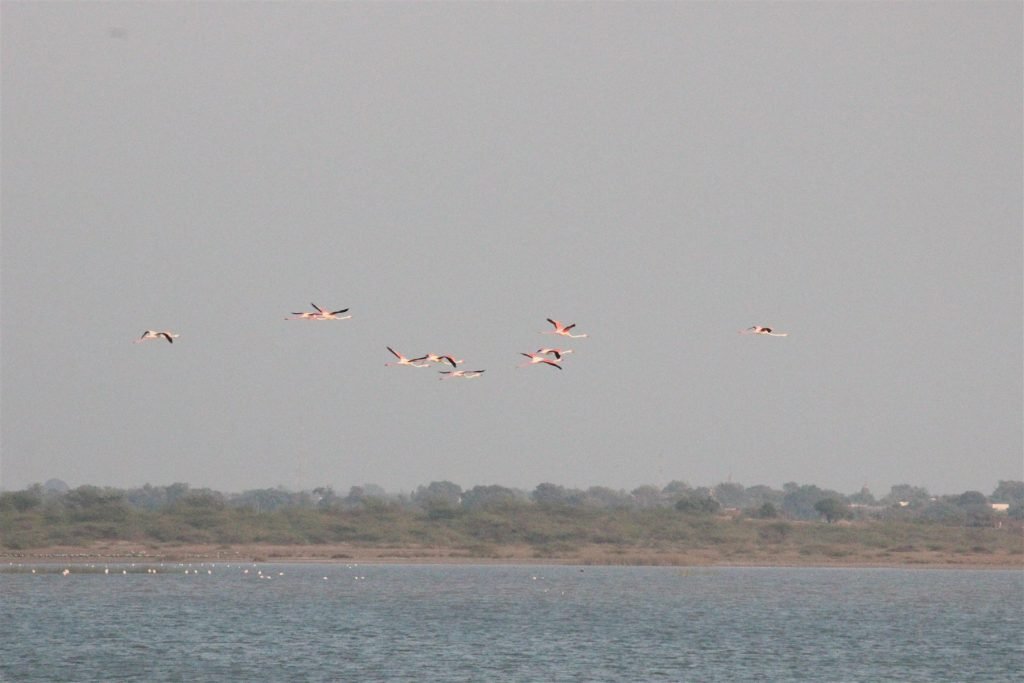
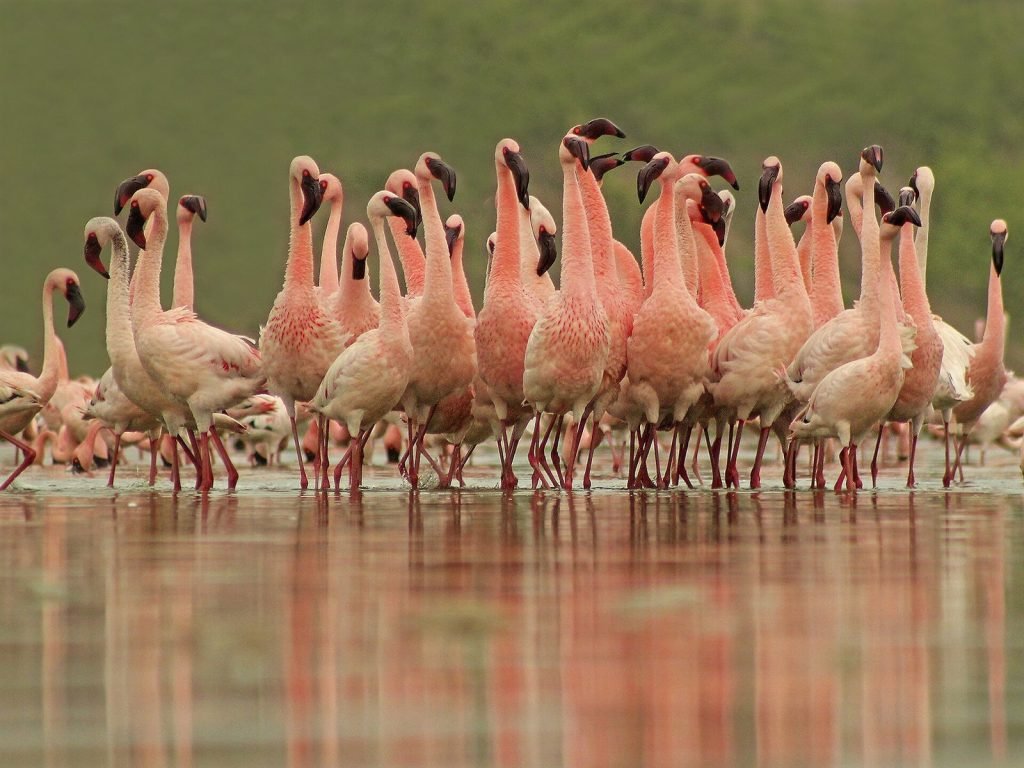
In winter, flocks of flamingos gather on the shallow waters — the signature sight of the lower Tapi wetlands.
A good pair of binoculars, and ideally a long lens, brings the distant waders and waterfowl within reach.
Peak migration falls in the cool months, when the wetlands host their greatest variety and number of birds.
Follow the mudflats and creeks around Hazira and the river mouth, where the richest birdlife tends to concentrate.
This is a natural refuge — slow down, keep still and let the calm of the water and the birds settle around you.
Tapi wetlands.
Where the Tapi meets the Arabian Sea below Surat, its creeks and mudflats form a winter haven for birds — flamingos, ducks, waders and gulls alongside resident herons and kingfishers — a quiet birdwatching delight beside an industrial coast.
Our Surat travel guide maps out the other places worth your time here.
Best in winter; bring binoculars. It is a natural wetland rather than a built attraction, and the birds are the show —.
Wetlands where river meets sea
Winter flamingos & migrants
Resident herons & kingfishers
A quiet birdwatching spot
Cool and pleasant — the ideal season. Peak migration brings the greatest variety and number of birds to the water.
Green and atmospheric after rain. The wetlands fill and the surrounding country turns lush and alive.
Hot and humid — start early. The midday heat is draining, so time any visit for the cool of dawn.
⏰ Visit in the cooler months; combine it with Surat's other riverfront and old-city sights.
Surat International Airport lies roughly 15 km away, with flights from major Indian cities and a short cab ride to the coast.
Surat railway station is a major stop on the Western Railway line, well connected to Mumbai, Ahmedabad and beyond.
The wetlands lie in and around Surat, reached by taxi or car via the roads towards Hazira, Dumas and the river mouth.
BIRDS & WATER
Flamingos & waders.
Use a long lens.
Creeks & mudflats.
Dawn.

A popular modern shrine by the Tapi
HERITAGEThe throbbing heart of the old textile city
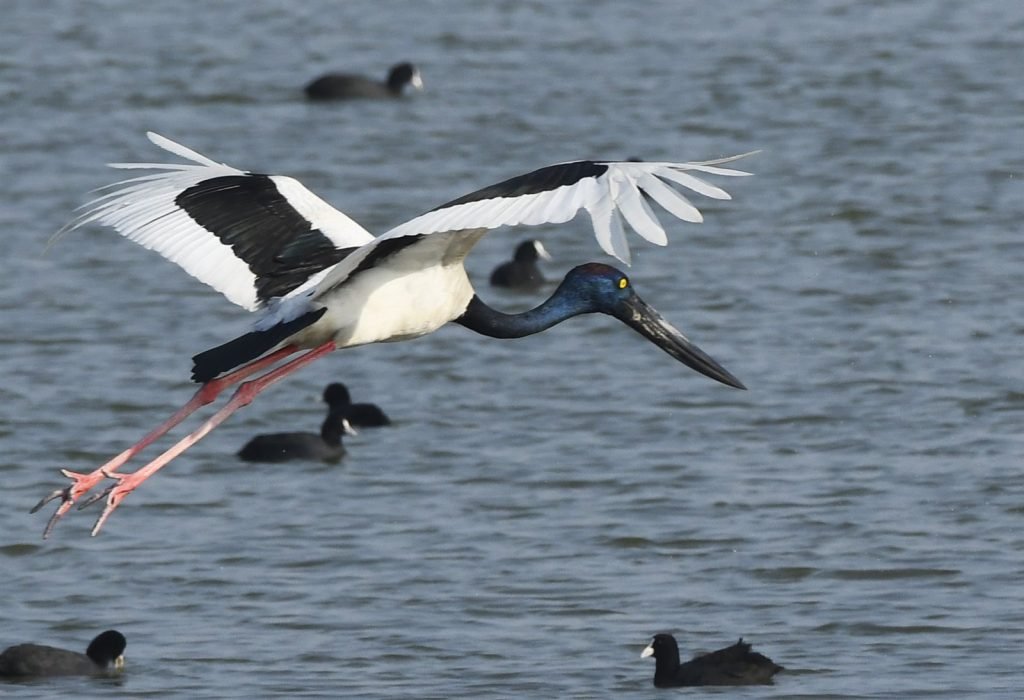
◐ Morning · birdlife
LAKEA restored medieval lake & lakefront plaza
MUSEUMCity history, art & rare artefacts
COASTBlack-sand beaches on the Arabian Sea
Sweet-savoury thalis.
Surat's soft farsan.
Ghari, undhiyu & more.
Famous for locho, undhiyu, ghari & ponk.
Where the Tapi widens and meets the Arabian Sea below Surat, its creeks, mudflats and wetlands form an important — if little-known — habitat for birds. In the winter months these waters draw migratory flocks: flamingos, ducks, waders, gulls and terns, alongside resident herons, egrets, kingfishers and raptors, making the lower Tapi and nearby coastal wetlands a quiet delight for birdwatchers.
Lower Tapi, near Surat.
Free.
October to March, the cool, dry season.
Surat's fort, beaches, lake and food streets.
2–3 hours.

Krishna’s five-storey Char Dham shrine
VIEWPOINTSweeping golden views over the Ghats
BIRDSWhere freshwater & marine birds gather
WETLANDFlamingos, cranes & gazelle at the Rann’s edge

Carved Digambar shrines along the climb
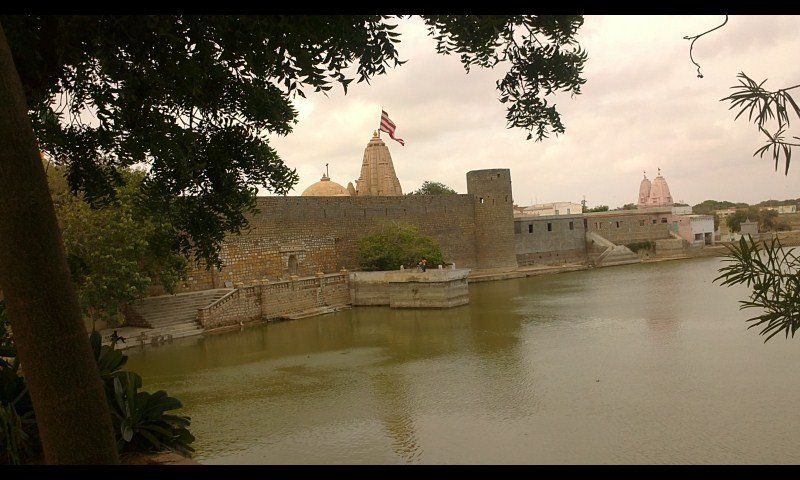
SACREDOne of Hinduism’s five holy lakes, by Koteshwar
WHERE TO STAY
Compare live prices across the big booking sites and reserve in a few taps. Booking happens securely on the partner's site — we may earn a small commission at no extra cost to you.
Book directly on our partner sites — tap a provider to see live Gujarat hotels & prices:
SHOP THE REGION
Hand-picked crafts and trip gear, available on Amazon.
Published 24 June 2026 · Updated 24 August 2026
We’re an independent group of writers and travellers documenting every corner of Gujarat — one place, plate and festival at a time.
Search Gujarat Explorer
Find places, food, festivals and travel guides across Gujarat
Press Enter to search — or Esc to close
Plan Your Trip
Gujarat Explorer is an independent travel guide. We’re happy to help you shape an itinerary and point you to the right places, stays and experiences across Gujarat.
Book a Cab