
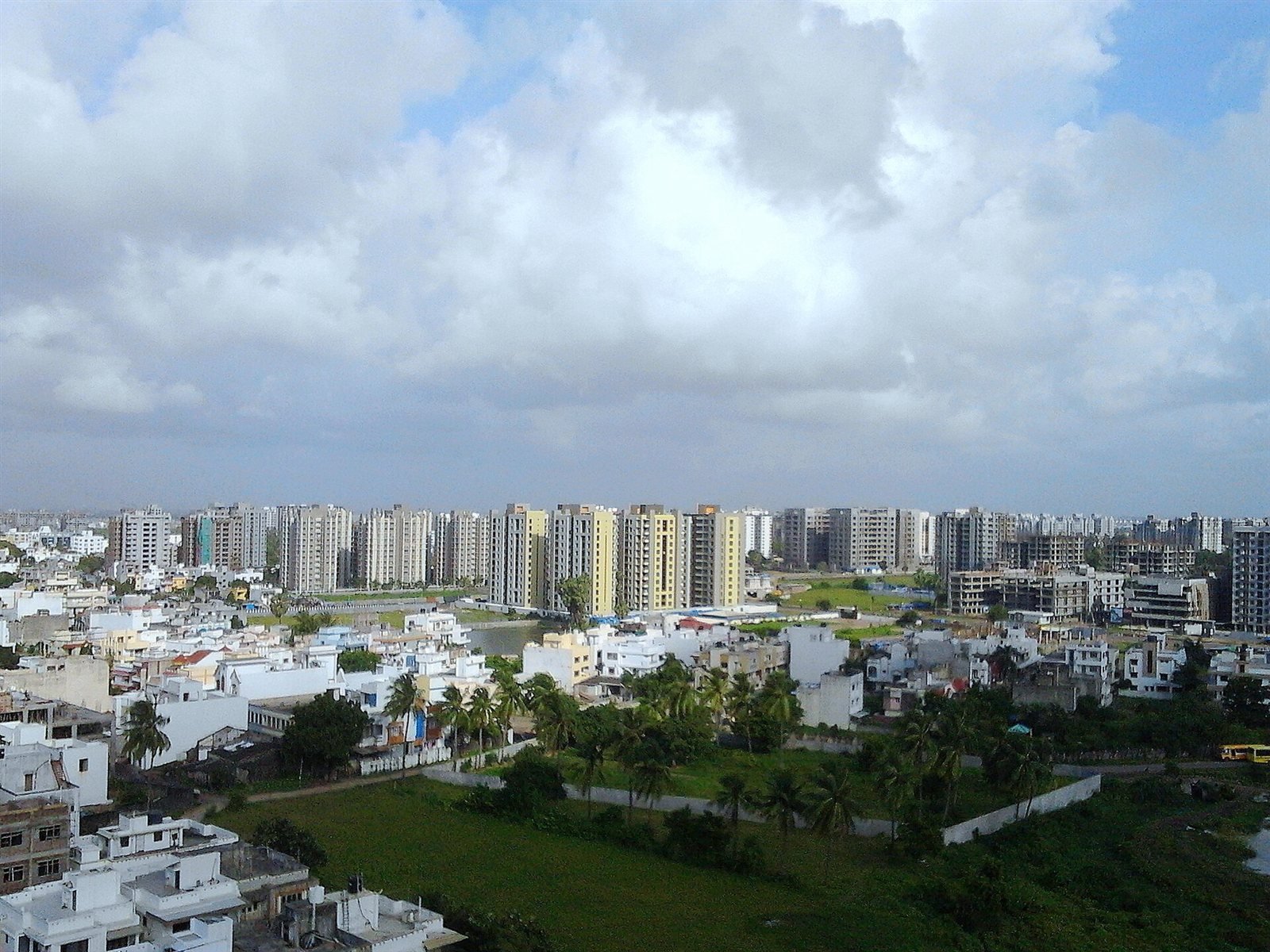
A living trading quarter
The old city of Surat, clustered around the castle and the Tapi, is a living record of the city’s extraordinary past as one of the world’s great trading ports. Its dense lanes and bazaars — the Mughalisara, the cloth and zari markets, the old gates (darwajas) of the former city walls — still hum with commerce, as they have for centuries, when merchants from Europe, Persia, Arabia and across India met here.
Start at the castle on the riverbank and let the lanes take over: the walk works best on foot and early, before the bazaars fill and the heat arrives. Surat’s breakfast — locho, khaman, and tea drunk standing up — is the proper fuel, and the Heritage Walk route stitches the highlights for anyone who prefers a structured loop.
October to March suits the lanes; festival seasons — Diwali’s zari-bright weeks especially — turn the bazaars incandescent, at the price of the crush.
The quarter still maps its history: the castle of 1546 holds the riverbank; the darwaja names — Delhi Gate, Katargam, Sahara — trace the vanished wall’s compass; the zari workshops behind Chauta Bazaar continue the gold-thread craft that dressed Mughal courts; and the mohallas keep their communal signatures, Bohra lanes and Parsi agiaries and Jain derasars within minutes of each other. Add the Andharia Mahollo’s dense old houses and the riverside’s colonial fragments and the walk assembles a port city’s whole biography.
Take it in the morning, on foot, with breakfast locho as fuel — and let the Heritage Walk route from the castle stitch the highlights when a structured loop helps.
Among the bustle stand old wooden havelis, mosques, temples and churches, and the trading houses of the Parsi, Bohra, Jain and other communities that made Surat famously cosmopolitan. To wander the old city is to feel the layered history of a great mercantile crossroads.
A living old quarter, best explored slowly on foot — every lane opens onto another market, gate or old merchant home.
Parsi, Bohra, Jain and European, in one quarter
Bazaars & gates — the legacy of a great trading port.
Surat rose to become one of the world's great trading ports, where merchants from Europe, Persia, Arabia and across India met to trade.
Trading houses of many communities — Parsi, Bohra, Jain and European — made Surat famously cosmopolitan.
Dense lanes and bazaars for cloth and zari, and the old gates (darwajas) of the former city walls, still hum with commerce.
The old city remains a living, layered quarter around the castle and the Tapi — best explored slowly on foot.
Reasons to make the time
Historic core
A great port's heart.
Bustling bazaars
Cloth & zari.
Old gates
Former city walls.
Wooden havelis
Merchant homes.
Cosmopolitan
Many communities.
On foot
A walkable maze.
What to look for inside
Trading lanes
Cloth & zari.
Havelis & gates
A layered quarter.
How to spend an hour or two
Wander the bazaars
Cloth & zari markets.
See the old gates
Former city walls.
Find the havelis
Wooden merchant homes.
Sense the communities
Parsi, Bohra, Jain.
Shop for textiles
A famous trade.
Explore on foot
The old maze.
A historic trading quarter
Surat’s old city, around the castle and Tapi, is a dense, living quarter of bazaars (cloth and zari), old gates, wooden havelis, mosques, temples and churches — the legacy of the cosmopolitan communities that made Surat one of the world’s great trading ports.
It sits within Surat district — browse more places to visit in Surat.
This belongs to a wider story: heritage sites across Gujarat.
Our Surat city guide covers timings, tickets and how to get there.
Best explored slowly on foot, its lanes reveal a layered heritage at every turn.
Around the castle & Tapi
Cloth & zari bazaars
Old gates & wooden havelis
A cosmopolitan heritage
When to go
Cool and pleasant — the ideal season.
Green and atmospheric after rain.
Hot and humid — start early.
⏰ Visit in the cooler, drier months; pair it with Surat's riverfront and food streets.
Timings & entry
- Open in daytime hours
- Best in the cool, dry season
- An easy Surat stop
- Pair with nearby sights
- Free to wander
- Explore on foot
- Mind traffic in lanes
- Respect homes & shrines
Getting there
By Air
Surat airport (~15 km).
By Rail
Surat railway station.
By Road
In/around Surat.
At Surat Old City
BAZAAR & HERITAGE
A historic port quarter
What to shoot
The bazaars.
Detail
Old gates & havelis.
Setting
The old lanes.
Best light
Morning markets.
Know before you go
More to see close by

Sarthana & Wetlands
◐ Morning · birdlife
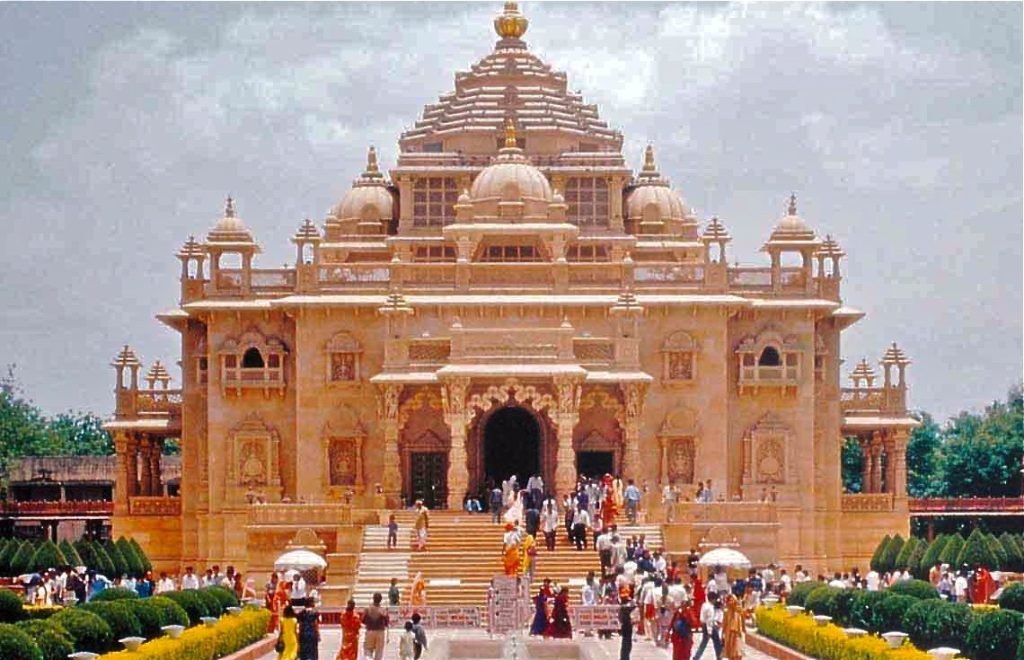
Sai Baba Temple
A popular modern shrine by the Tapi
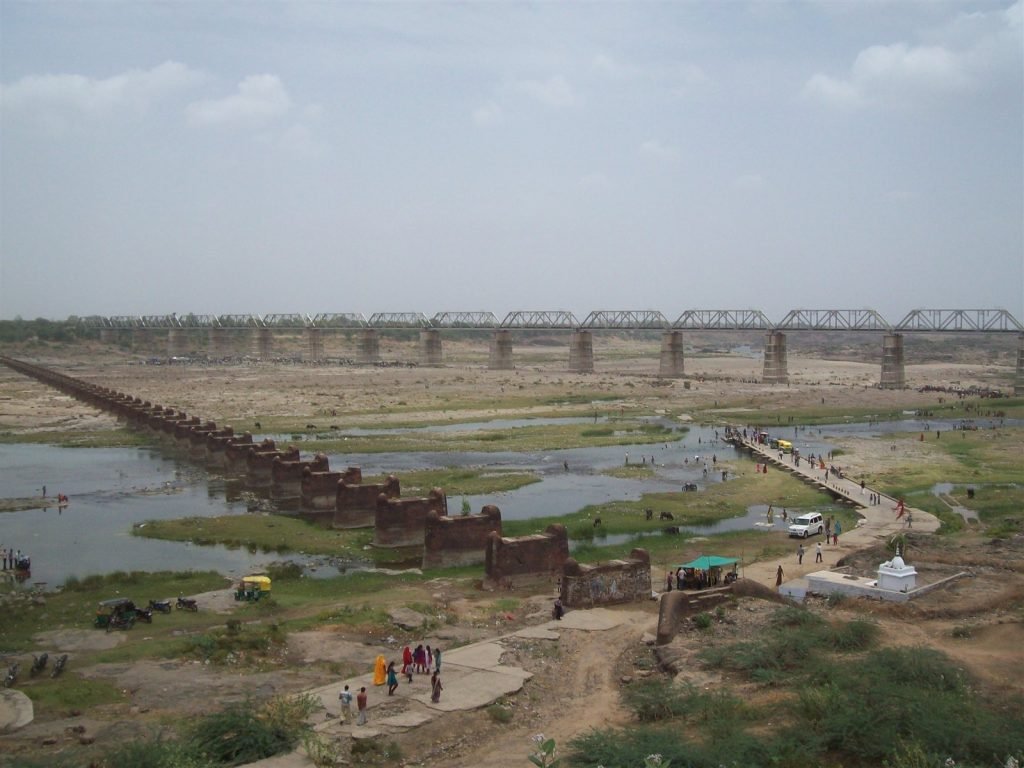 RIVERFRONT
Tapi Riverfront
Promenades & gardens along the river
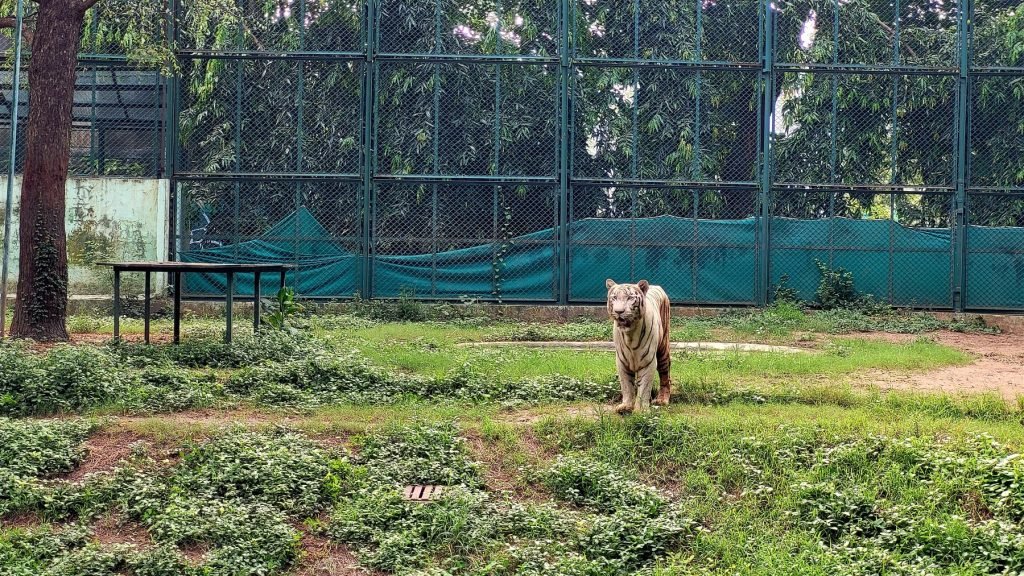 NATURE
Sarthana Nature Park
A riverside zoo & botanical garden
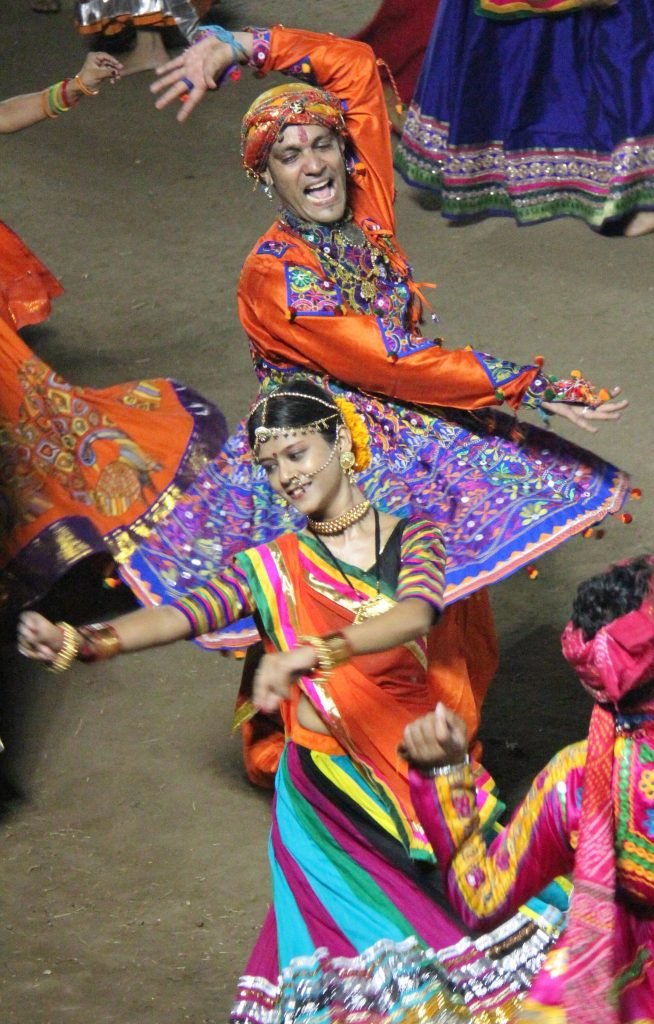
Old City Bazaars
◐ Colour & textiles
 COLONIAL
Dutch Garden
Atmospheric Dutch-era cemetery & gardens
Where to eat near Surat Old City
Surti meals
Sweet-savoury thalis.
Locho & khaman
Surat's soft farsan.
Surti street food
Ghari, undhiyu & more.
Foodie city
Famous for locho, undhiyu, ghari & ponk.
Surat Old City FAQ
What is Surat Old City?
The old city of Surat, clustered around the castle and the Tapi, is a living record of the city's extraordinary past as one of the world's great trading ports. Its dense lanes and bazaars — the Mughalisara, the cloth and zari markets, the old gates (darwajas) of the former city walls — still hum with commerce, as they have for centuries, when merchants from Europe, Persia, Arabia and across India met here.
Where is it?
Central Surat.
Is there an entry fee?
Free.
When should I visit?
October to March, the cool, dry season.
What's nearby?
Surat's fort, beaches, lake and food streets.
How long does it take?
2–3 hours.
Related places across Gujarat
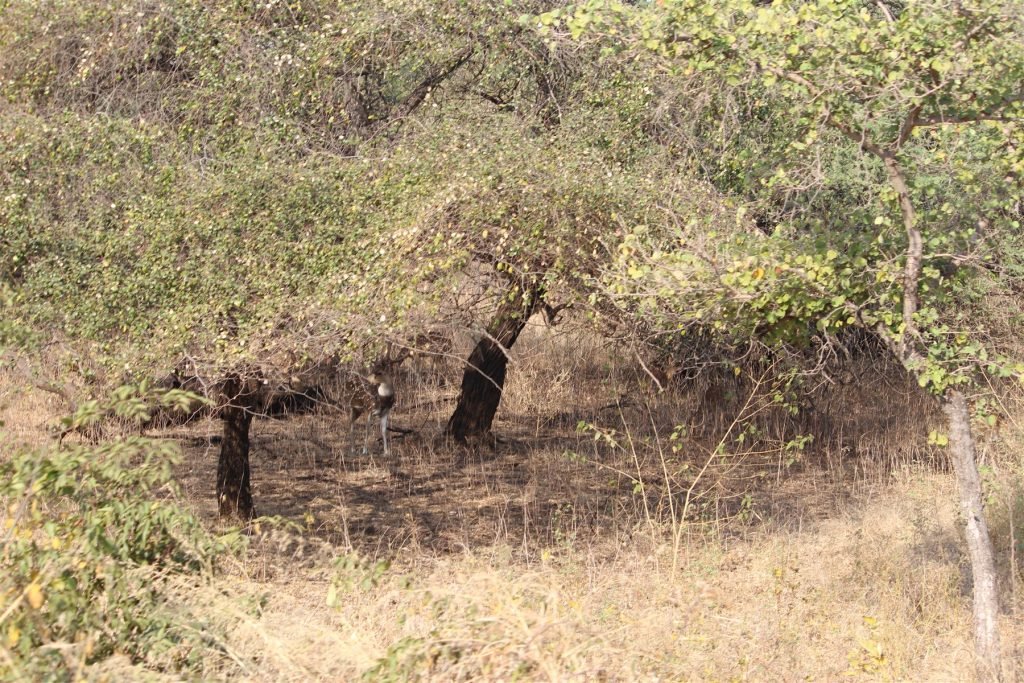
Gir East & Dhari
The wild eastern flank of Gir around Dhari — open forest, farmland and riverbeds where Asiatic…

Narmada Ghats
Riverside worship near the backwaters
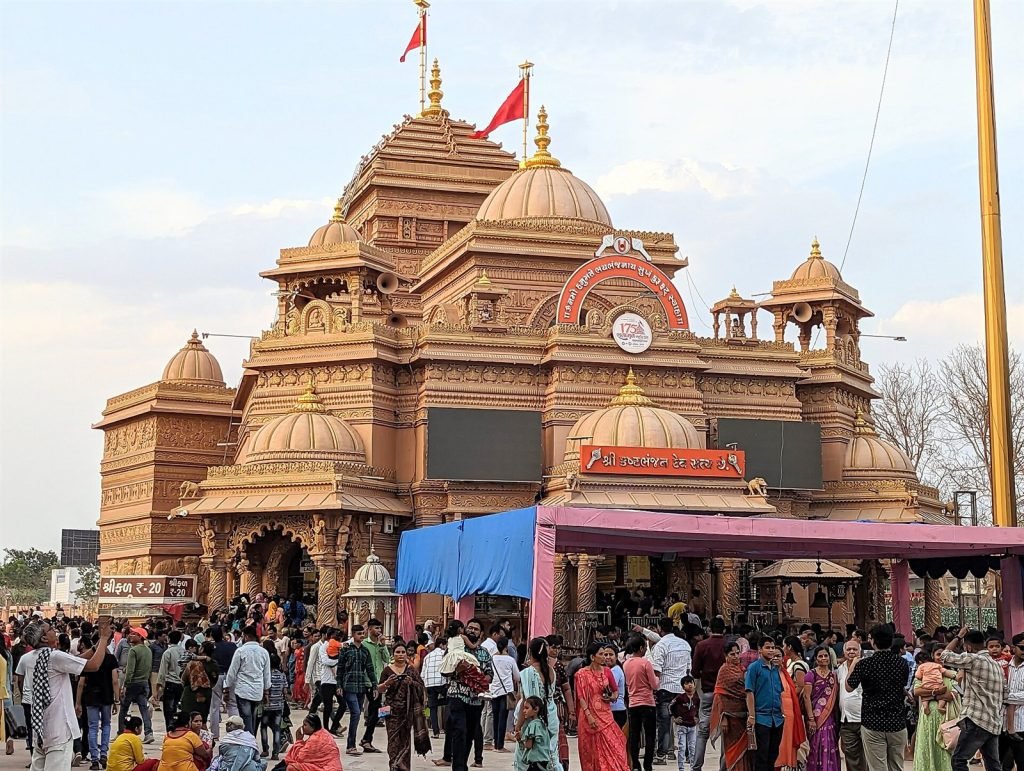
Seaside Temples
Small working shore shrines along the Valsad coast, from Tithal to the fishing villages at Umbergaon,…
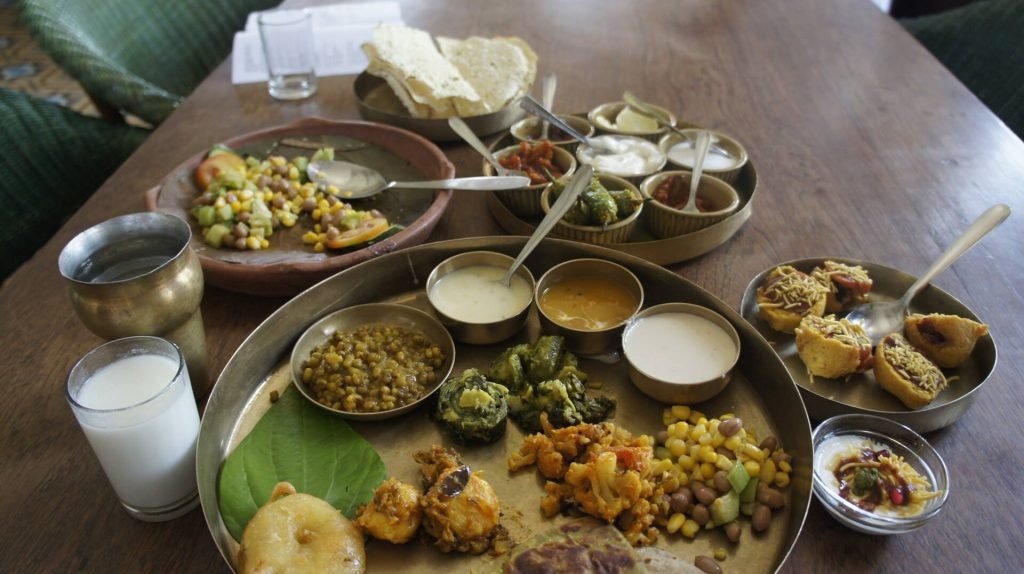 STEPWELL
Charotar Stepwells
Carved vavs of the prosperous belt
 PORT
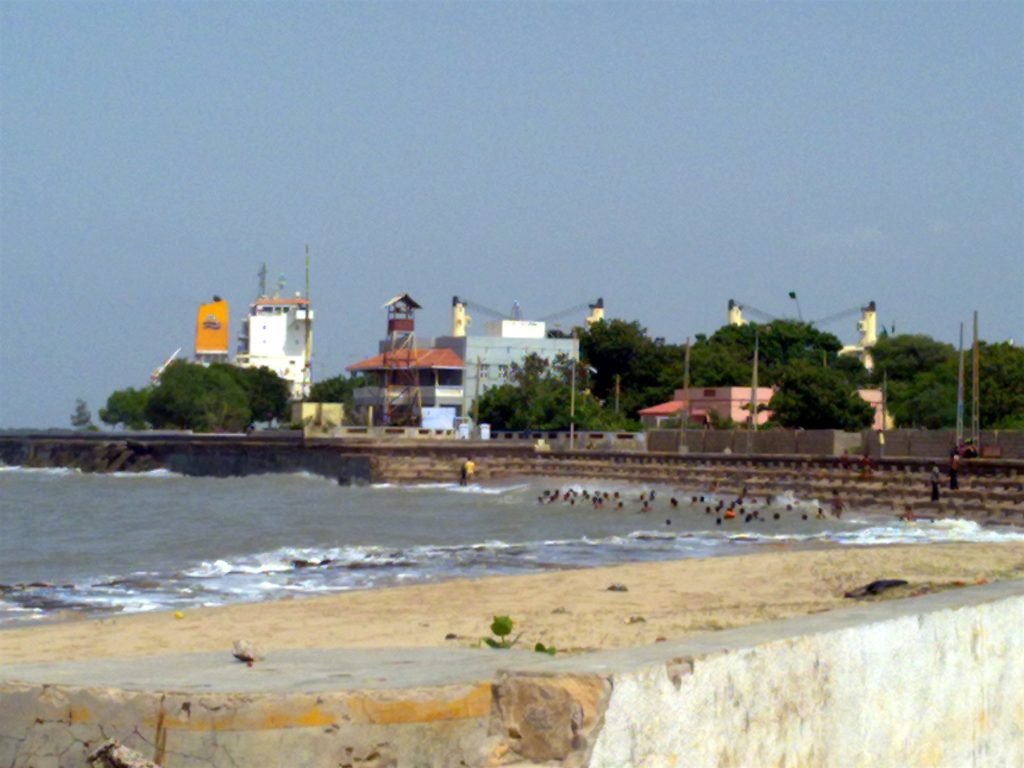
PORTOkha Harbour
The gateway port for Bet Dwarka ferries
 TEMPLE
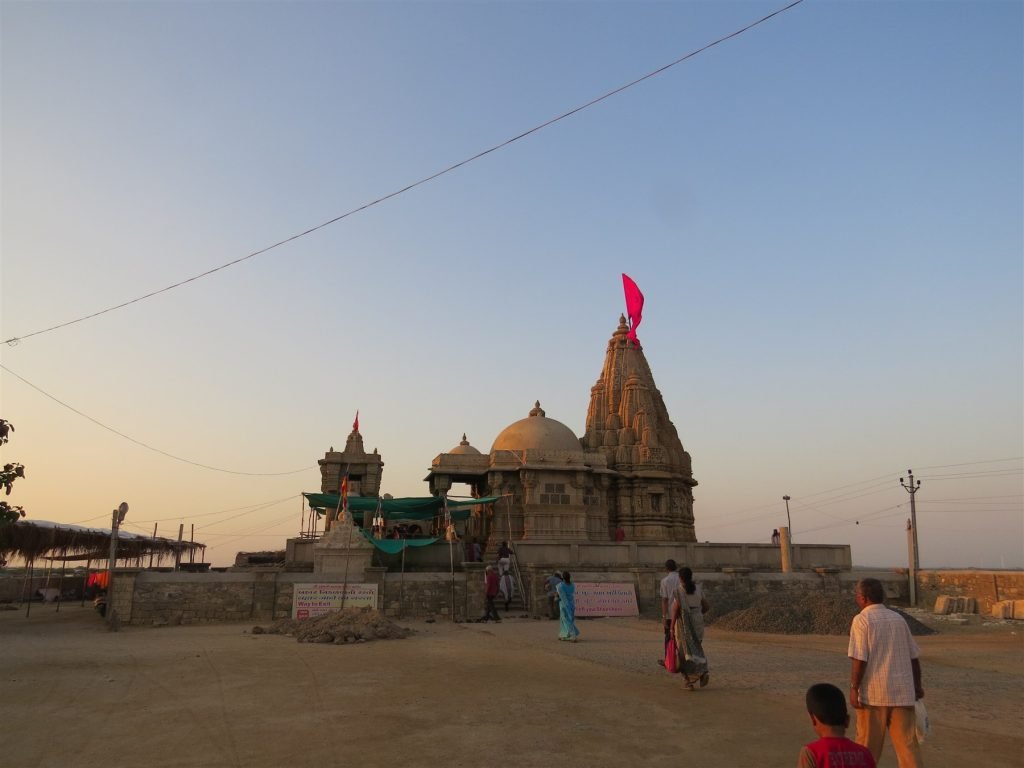
Rukmini Devi Temple
12th-century shrine to Krishna’s queen
WHERE TO STAY
Find your stay in Gujarat
Compare live prices across the big booking sites and reserve in a few taps. Booking happens securely on the partner's site — we may earn a small commission at no extra cost to you.
Book directly on our partner sites — tap a provider to see live Gujarat hotels & prices:
SHOP THE REGION
Bring home Gujarat — & travel essentials
Hand-picked crafts and trip gear, available on Amazon.
Published 24 June 2026 · Updated 24 August 2026
We’re an independent group of writers and travellers documenting every corner of Gujarat — one place, plate and festival at a time.