
The city's lifeline
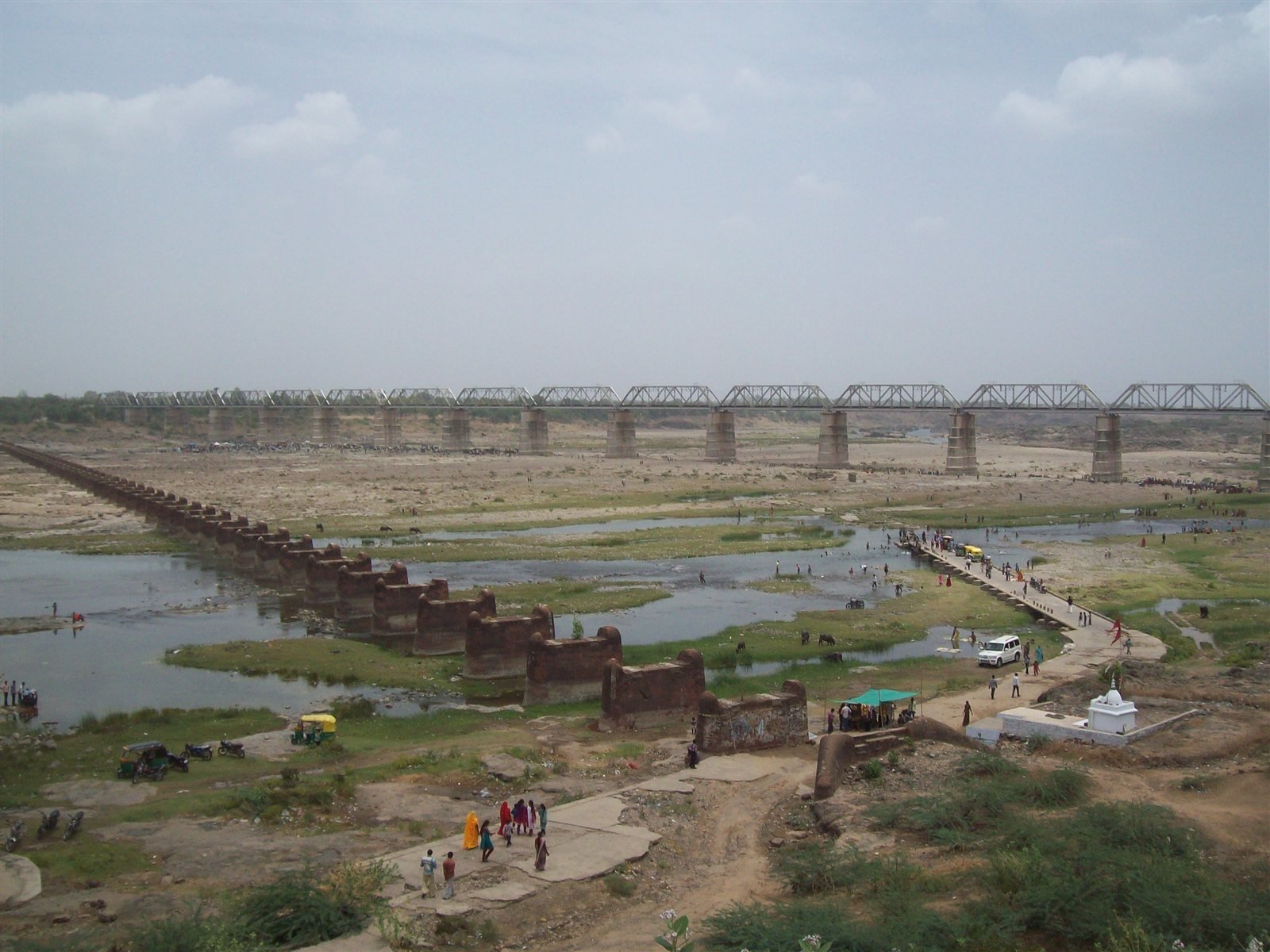
The Tapi (or Tapti) is the great river around which Surat has always lived — the waterway that, opening to the Arabian Sea, made the city one of the richest ports in the world during the Mughal era. The river flows broad through the city, spanned by several bridges and lined increasingly with developing riverfront promenades, ghats and gardens as Surat reclaims its waterfront.
Along its banks stand reminders of the past — the old castle, ghats and trading quarters — while new walkways look to the future. Though much of the riverfront is still evolving, the Tapi remains the city’s defining geographical feature and the reason for its very existence.
The river that made Surat rich
Bridges & ghats.
The Tapi opens to the Arabian Sea, giving Surat its route to the wider world.
The river made Surat one of the world's richest ports during the Mughal era.
Several bridges now span the broad river as it flows through the city.
Surat is steadily reclaiming its waterfront with promenades, ghats and gardens.
Reasons to make the time
Defining river
The Tapi is why Surat exists — a navigable river opening to the Arabian Sea, and the reason a port grew here rather than elsewhere on the coast.
Made the port
At its height Surat handled the Mughal empire's overseas trade and hosted the factories of every European company in India.
City bridges
Several bridges now cross the river within the city, tying the old port bank to Surat's modern expansion on the far side.
Riverfront
Riverfront promenades, ghats and gardens have been built along the banks as the city reclaims a waterfront it had turned its back on.
Ghats
The developed stretches are used hard morning and evening by walkers, and are among the few open public spaces in a dense city.
City's reason
Read the river first and the city second — Surat's whole history follows from this stretch of water.
What to look for inside
Tapi
The Tapi flowing broad through the middle of the city on its way to the sea.
Bridges & ghats
Bridges, ghats and the promenades of a riverfront still under development.
How to spend an hour or two
See from the bridges
Walk a developed stretch of the riverfront, best in the early morning or the hour before sunset.
Walk the ghats
Go down to the ghats, where the city still meets the water directly rather than across a parapet.
Learn the port story
Think about Surat's golden age — this river carried the Mughal empire's overseas trade and the Haj pilgrim fleet.
Watch the river
Follow the Tapi's line towards the sea; the port and the estuary are what the whole city was built on.
See the developing front
Look at the new promenades and what they are trying to do — turn an industrial back-channel into public space.
Sense the lifeline
Combine the riverfront with Surat Castle on the same bank, a few minutes away.
The river of Surat
The Tapi is the broad river that made Surat — opening to the Arabian Sea, it turned the city into one of the world’s richest ports. Spanned by bridges and increasingly lined with developing promenades and ghats, it remains the city’s defining feature.
Planning more of the area? Our Surat guide covers the whole district.
Surat’s defining river
Made the city a great port
Spanned by city bridges
A developing riverfront
When to go
November to February is the pleasant season for walking the riverfront, dry and relatively cool.
The monsoon brings the Tapi up hard between June and September, and low-lying stretches of the front flood.
March to May is hot and humid; use the riverfront at dawn or after dark, as the city does.
⏰ Visit in the cooler, drier months; pair it with Surat's riverfront and food streets.
Timings & entry
- Open in daytime hours
- Best in the cool, dry season
- An easy Surat stop
- Pair with nearby sights
- Free to view
- Best from bridges & ghats
- Riverfront still developing
- Evenings are pleasant
Getting there
By Air
Surat airport (~15 km).
By Rail
Surat railway station.
By Road
In/around Surat.
At Tapi Riverfront
RIVER & CITY
The river that made Surat
What to shoot
The broad river.
Vantage
From the bridges.
Detail
The ghats.
Best light
River at golden hour.
Know before you go
More to see close by
 HERITAGE
Chowk Bazaar
The throbbing heart of the old textile city
 COLONIAL
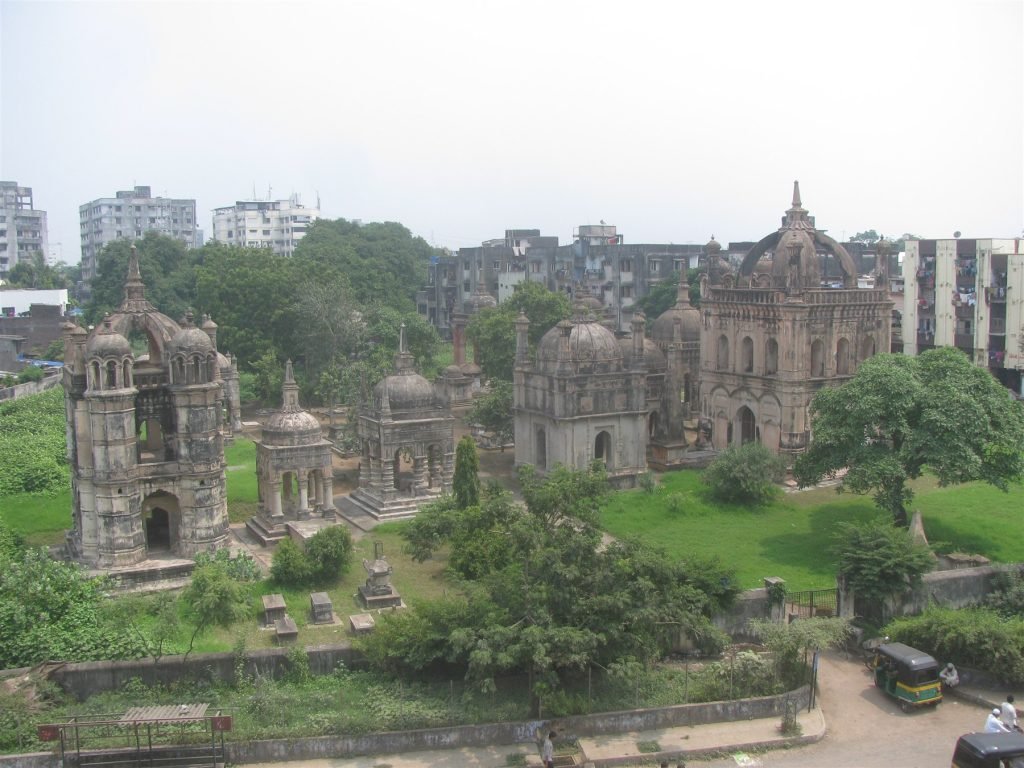
English & Dutch Tombs
Grand European merchant mausoleums
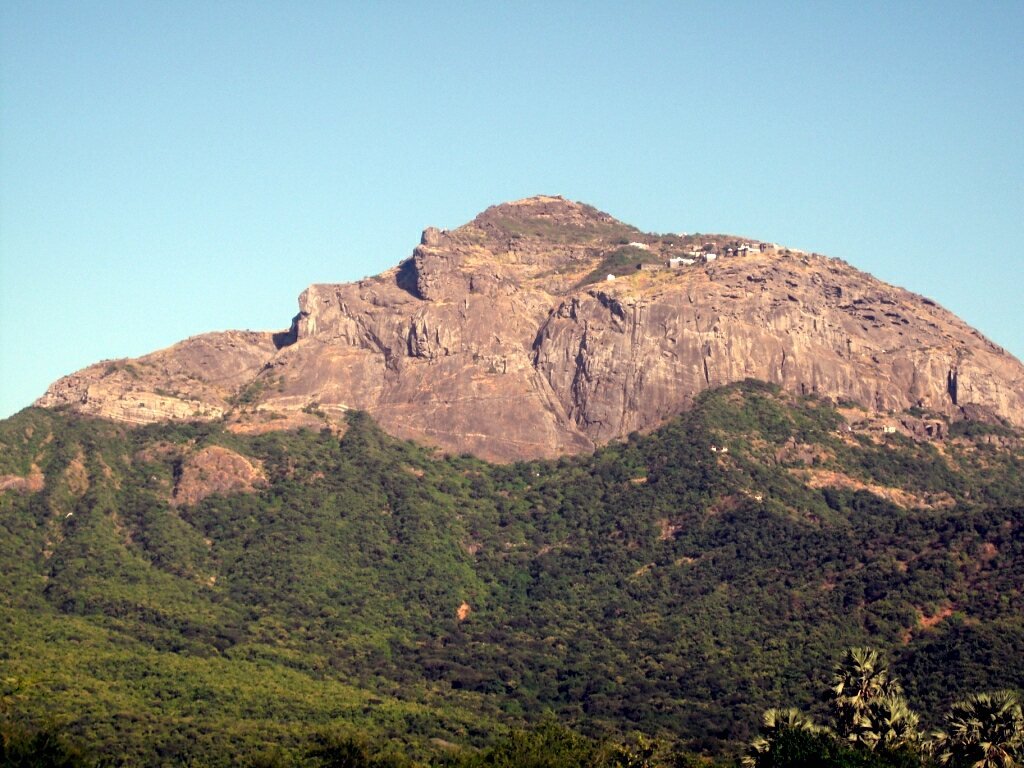
Dutch & Armenian Churches
Relics of Surat’s trading-port era
 COAST
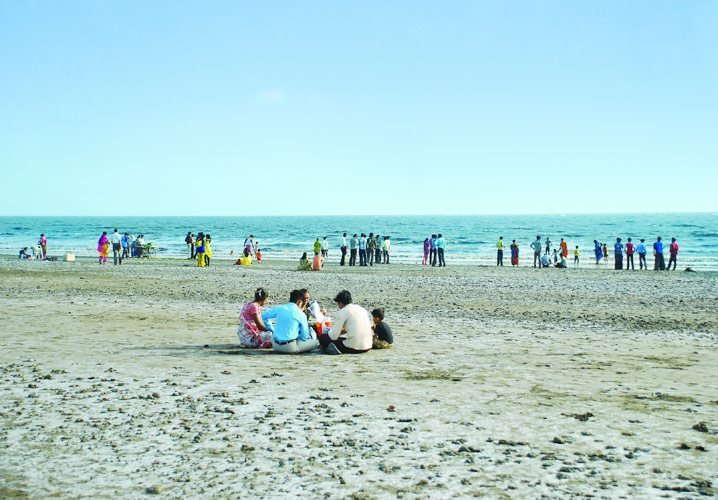
COASTDumas & Suvali
Black-sand beaches on the Arabian Sea
 COLONIAL
Dutch Garden
Atmospheric Dutch-era cemetery & gardens
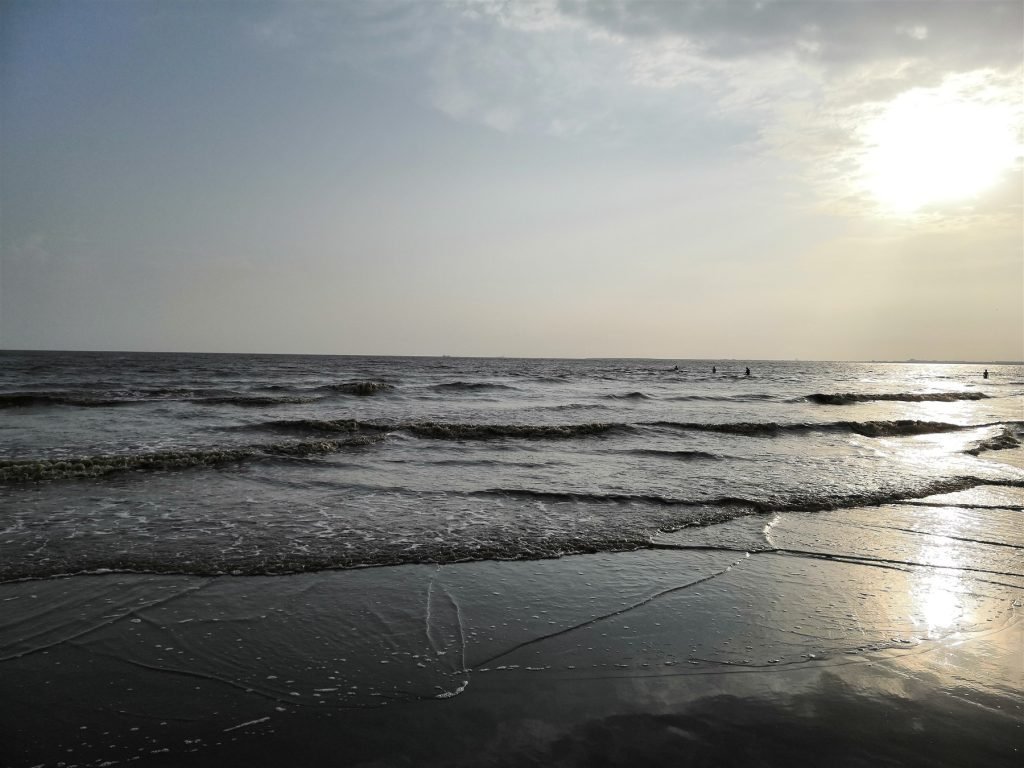 BEACH
BEACHDumas Beach
The city’s famous black-sand seaside escape
Where to eat near Tapi Riverfront
Surti meals
Sweet-savoury thalis.
Locho & khaman
Surat's soft farsan.
Surti street food
Ghari, undhiyu & more.
Foodie city
Famous for locho, undhiyu, ghari & ponk.
Tapi Riverfront FAQ
What is Tapi Riverfront?
The Tapi (or Tapti) is the great river around which Surat has always lived — the waterway that, opening to the Arabian Sea, made the city one of the richest ports in the world during the Mughal era. The river flows broad through the city, spanned by several bridges and lined increasingly with developing riverfront promenades, ghats and gardens as Surat reclaims its waterfront.
Where is it?
Through Surat.
Is there an entry fee?
Free.
When should I visit?
October to March, the cool, dry season.
What's nearby?
Surat's fort, beaches, lake and food streets.
How long does it take?
About an hour.
Related places across Gujarat
 PALACE
Wankaner
A hilltop fantasy of Indo-European design
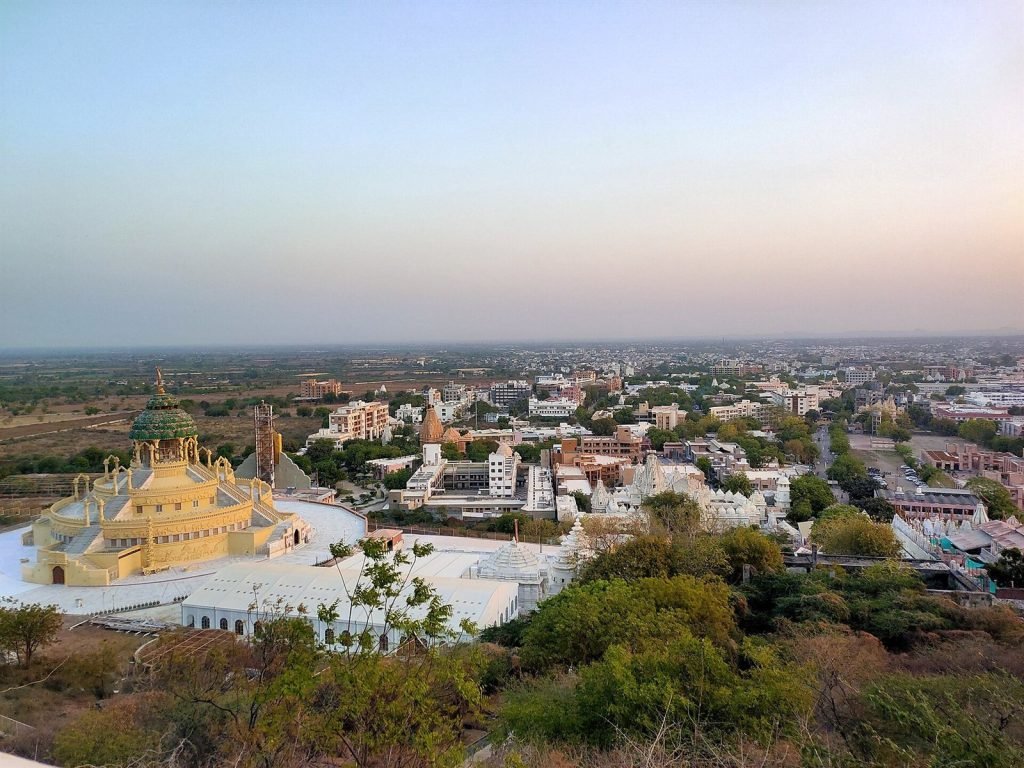
Shatrunjaya Summit
◐ Dawn · the temple-city
 MUSEUM
Lady Wilson Museum
Tribal art & relics in Dharampur
 CRAFT
CRAFTSankheda Lacquerware Town
A town where furniture becomes art — Sankheda has been producing lacquer-turned wooden furniture for generations,…
 GREEN
GREENPunit Van
A themed botanical ‘sacred forest’
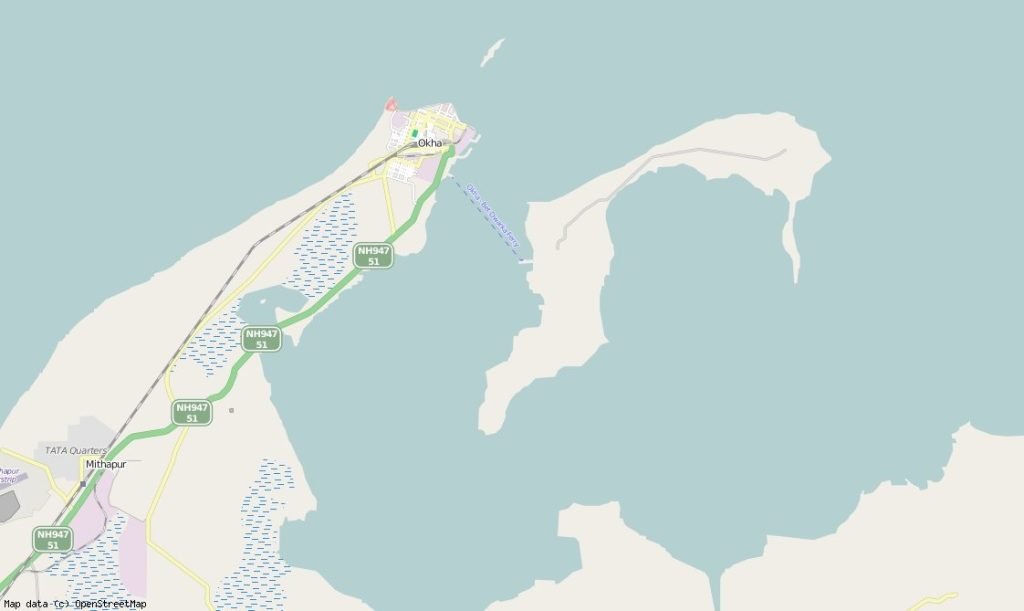 ISLAND
Bet Dwarka
The sacred island where Krishna is said to have lived
WHERE TO STAY
Find your stay in Gujarat
Compare live prices across the big booking sites and reserve in a few taps. Booking happens securely on the partner's site — we may earn a small commission at no extra cost to you.
Book directly on our partner sites — tap a provider to see live Gujarat hotels & prices:
SHOP THE REGION
Bring home Gujarat — & travel essentials
Hand-picked crafts and trip gear, available on Amazon.
Published 24 June 2026 · Updated 24 August 2026
We’re an independent group of writers and travellers documenting every corner of Gujarat — one place, plate and festival at a time.