Surat is home to temples of the Swaminarayan Sampraday — the influential devotional tradition founded in Gujarat in the early 19th century by Bhagwan Swaminarayan. The Swaminarayan temple here is a serene, well-kept and often ornately carved shrine, where devotees gather for daily aarti, darshan and discourses, and where festivals like Annakut and Janmashtami are celebrated with great devotion and colour.
The Sampraday’s history gives the temple its temper: Sahajanand Swami arrived in Gujarat in the early 1800s preaching reform — non-violence, ethical commerce, education, the renunciation of addictions — and organised his followers with a discipline that made the movement one of the era’s great social forces. Surat, a city of merchants, took to a tradition that honoured honest trade, and the temple’s congregation still leans into the movement’s twin signatures: elaborate, immaculate worship and continuous organised seva.
Visitors are welcome at the fixed hours of aarti and darshan; the day after Diwali brings Annakut’s mountain of offered food, the temple’s most photogenic occasion. Combine the visit with Surat’s other faith landmarks — the Parsi agiaries, the old mosques, the Jain derasars of the textile lanes — for a picture of how this trading city has always made room for every tradition doing business under one sky.
Known for their cleanliness, discipline, devotional music and spirit of community service, such temples are a familiar and much-loved part of Gujarati religious life. A calm, uplifting place of worship.
This is a working temple; please dress modestly and remove your footwear before entering.
The temple.
The shrine.
The Swaminarayan Sampraday was founded in Gujarat in the early nineteenth century by Sahajanand Swami, known to followers as Bhagwan Swaminarayan.
It became one of the most influential devotional movements in the state, built on strict ethical discipline, organised community service and a strong temple network.
The Surat temple is a serene, ornately carved shrine serving one of Gujarat's largest and wealthiest trading cities.
Annakut and Janmashtami are its two great festivals, kept with elaborate decoration, food offering and large congregations.
The shrine is carved and well-finished in the manner the Sampraday is known for, with worked pillars, brackets and a domed sanctum.
Daily aarti, darshan and katha — scriptural discourse — run to a fixed schedule that the congregation keeps to closely.
Devotional singing is central to the tradition, and the temple's bhajan is among the reasons people attend rather than simply visit.
Annakut, the mountain of food offered the day after Diwali, is the temple's most spectacular occasion; Janmashtami is the other peak.
Swaminarayan temples are known for their upkeep and order, and this one is spotless — part of the tradition's discipline rather than incidental.
Seva, organised community service, is a defining activity of the Sampraday and runs continuously alongside the worship.
A carved temple.
Daily worship.
Morning or evening.
At the shrine.
Devotional music.
A great festival.
An ornate shrine.
A clean, peaceful temple.
Swaminarayan temple.
This Swaminarayan temple in Surat belongs to the Sampraday founded by Bhagwan Swaminarayan in the early 19th century — a serene, ornately carved shrine of daily aarti and discourse, vibrant at Annakut and Janmashtami, known for cleanliness and community spirit.
For everything else the district holds, see our Surat travel guide.
This belongs to a wider story: temples across Gujarat.
Of the Swaminarayan Sampraday
A serene, carved shrine
Daily aarti & discourse
Vibrant festivals
Cool and pleasant — the ideal season.
Green and atmospheric after rain.
Hot and humid — start early.
⏰ Visit at aarti time in the cooler months; combine it with Surat's other sights.
Surat airport (~15 km).
Surat railway station.
In/around Surat.
FAITH & FORM
The carved shrine.
Aarti.
Be considerate.
Morning.
Planetarium, museum & diamond gallery
SEAFOODFamous bhajiya, locho and sea breeze
Birdlife along the river’s edges
A serene Krishna temple & cultural centre
OLD CITYBazaars, havelis & the textile quarters
A grand riverside temple to goddess Ambika
THALISweet-savoury thalis.
LOCHOSurat's soft farsan.
STREETGhari, undhiyu & more.
Famous for locho, undhiyu, ghari & ponk.
Surat is home to temples of the Swaminarayan Sampraday — the influential devotional tradition founded in Gujarat in the early 19th century by Bhagwan Swaminarayan. The Swaminarayan temple here is a serene, well-kept and often ornately carved shrine, where devotees gather for daily aarti, darshan and discourses, and where festivals like Annakut and Janmashtami are celebrated with great devotion and colour.
Surat.
Free.
October to March; at aarti time.
Surat's fort, beaches, lake and food streets.
About 30 minutes.
6Living tribal culture deep in the Ghats
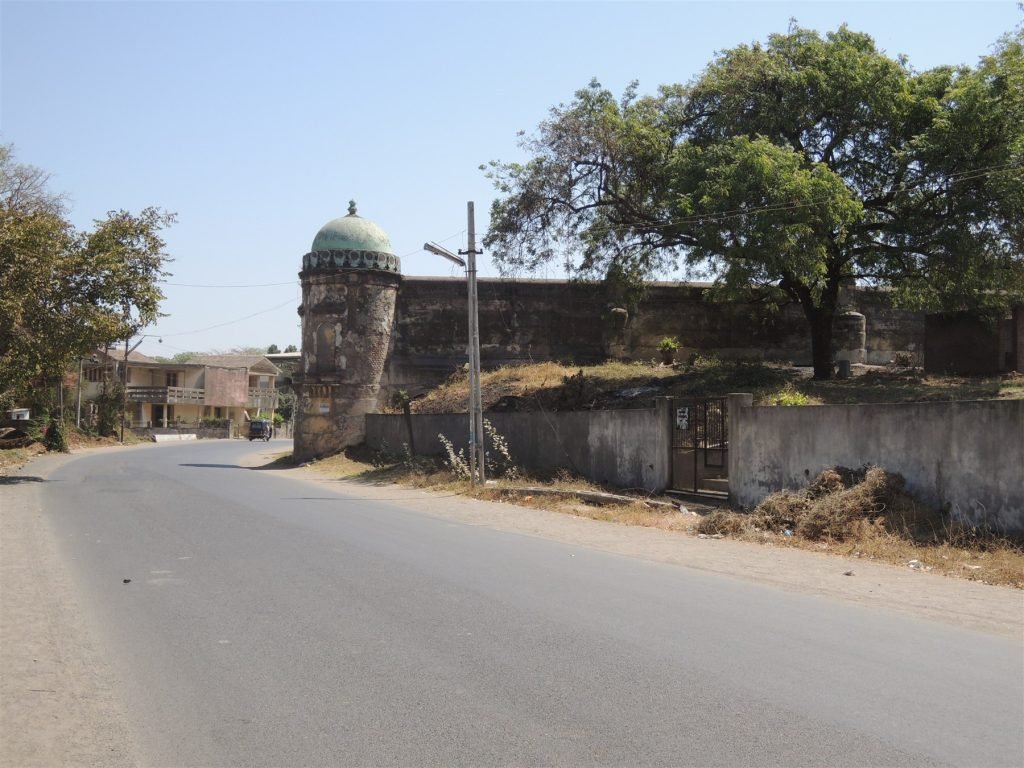
The walls of ancient Broach — Bharuch Fort, the old hilltop citadel above the Narmada, whose…
The huge lake behind the Ukai Dam

The Idar Rockscape is the striking landscape of giant granite boulders and rocky hills that rises…
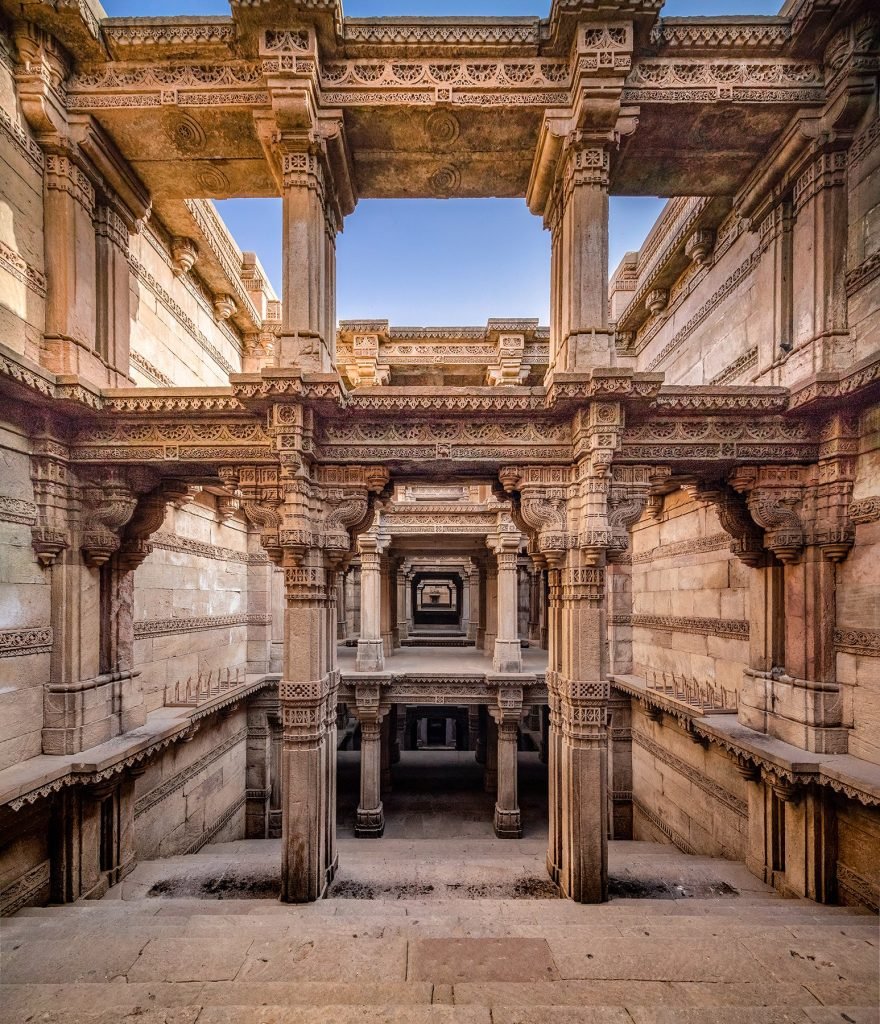
STEPWELLA breathtaking five-storey 1499 vav
The nightly light-and-sound spectacle
WHERE TO STAY
Compare live prices across the big booking sites and reserve in a few taps. Booking happens securely on the partner's site — we may earn a small commission at no extra cost to you.
Book directly on our partner sites — tap a provider to see live Gujarat hotels & prices:
SHOP THE REGION
Hand-picked crafts and trip gear, available on Amazon.
Published 24 June 2026 · Updated 24 August 2026
We’re an independent group of writers and travellers documenting every corner of Gujarat — one place, plate and festival at a time.
Search Gujarat Explorer
Find places, food, festivals and travel guides across Gujarat
Press Enter to search — or Esc to close
Plan Your Trip
Gujarat Explorer is an independent travel guide. We’re happy to help you shape an itinerary and point you to the right places, stays and experiences across Gujarat.
Book a Cab