Home › Panchmahal › Jama Masjid
UNESCO · MOSQUE · SULTANATEA masterpiece of the Sultanate — the Jami (Jama) Masjid of Champaner, a vast, exquisitely carved early-16th-century mosque, the crowning jewel of the UNESCO park.
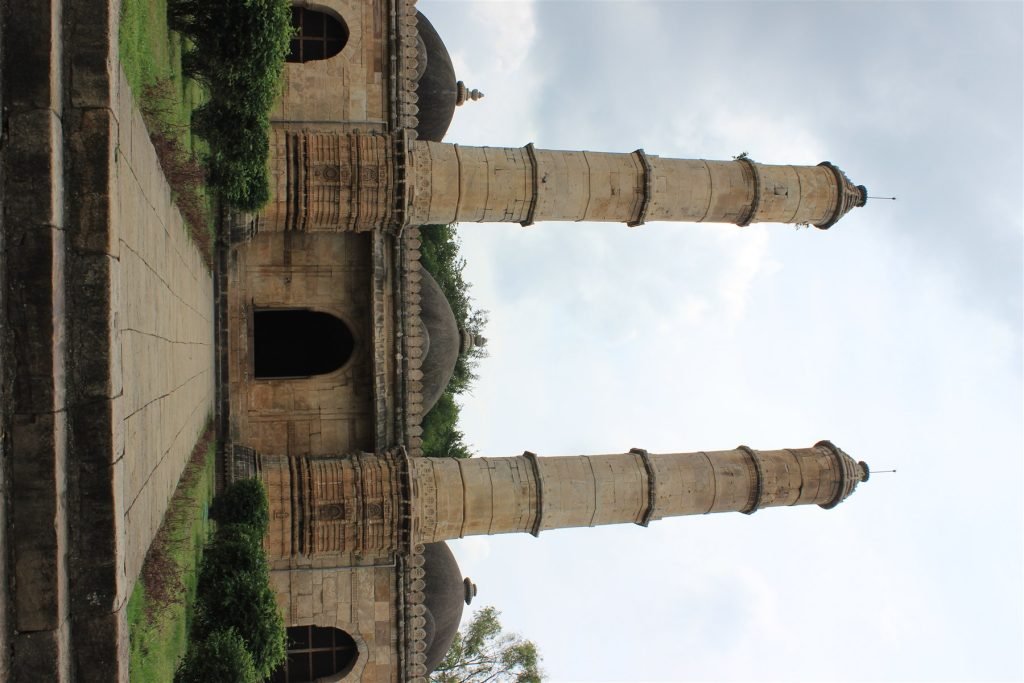
The Jami Masjid of Champaner is one of the finest mosques in western India and the architectural crown of the Champaner-Pavagadh UNESCO World Heritage Site. Built in the early 16th century under Sultan Mahmud Begada, when Champaner was the capital of the Gujarat Sultanate, it is a vast and beautifully proportioned congregational mosque — a grand stepped entrance, slender carved minarets, a wide courtyard, and a prayer hall with a forest of some 200 pillars beneath domes, with intricately carved mihrabs and jali screens.
Blending Islamic forms with Hindu and Jain decorative motifs into the distinctive Gujarat Sultanate style, it is a sublime example of medieval Indian architecture. A must-see of the UNESCO park. (An ASI/UNESCO monument; entry by ticket.)
The Jami Masjid, Champaner.
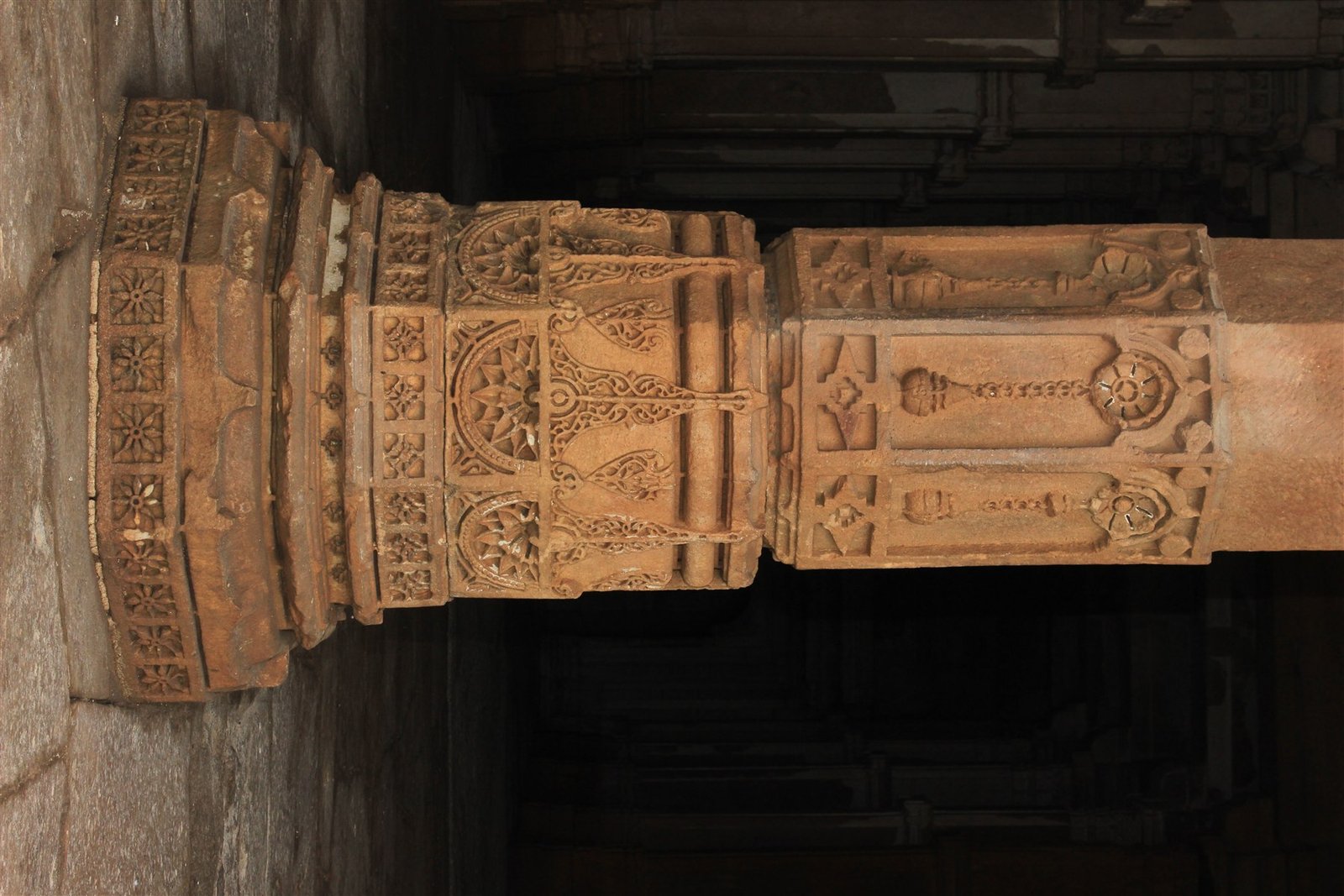
Carved Sultanate stonework.
The mosque was raised in the early sixteenth century under Mahmud Begada, whose capital Champaner had become after he took Pavagadh hill in 1484.
It served as the city's congregational mosque, built at a scale meant to hold the whole Muslim population of the capital for Friday prayer.
Hindu and Jain craftsmen executed it, so the carving belongs to their tradition while the plan is entirely Islamic — the defining character of Gujarat Sultanate architecture.
Champaner was abandoned as a capital within a few decades and never overbuilt, which is why the mosque survives essentially as it was completed.
Widely regarded as the finest mosque in Gujarat and among the best in western India, and the reason most visitors come to Champaner.
The prayer hall stands on around 200 carved pillars, arranged in aisles so the interior reads as a forest of columns.
Carved jaali screens filter the light into the hall, each cut from a single slab in geometric and floral patterns.
The mihrabs, the oriel windows and the pillar brackets carry the densest work — sharp, deeply undercut, and undamaged.
Minarets with temple-style carving, brackets that belong on a shikhara, and lotus motifs sit within a strictly Islamic plan.
The building marks the high point of the Gujarat Sultanate, and nothing built after it in the state quite matched it.
THE MOSQUEA vast congregational mosque, its prayer hall carried on some 200 carved pillars beneath a series of domes.
THE DETAILCarved mihrabs in the qibla wall and the paired minarets flanking the central entrance.
Come in through the grand stepped entrance on the east, which is how the building is meant to be approached.
Walk the prayer hall and shoot down an aisle — the receding rows of pillars are the mosque's defining view.
Study the mihrabs and jaali screens on the qibla wall, where the stonecutting is at its finest.
Look up at the twin minarets and note the carving on them, which comes straight out of the temple tradition.
Stand in the courtyard to read the whole plan: open sahn, arcaded sides, prayer hall on the qibla side.
Carry on to the rest of the park — Sahar ki Masjid, the citadel and the Kevada Masjid are all within a short drive.
The Jami Masjid.
The Jami Masjid (early 16th c.) is the architectural crown of the Champaner-Pavagadh UNESCO park — a vast congregational mosque under Mahmud Begada, with a grand stepped entrance, slender minarets, a courtyard and a prayer hall of ~200 carved pillars, fusing Islamic and Hindu-Jain motifs. A sublime medieval masterpiece. (ASI ticket.)
It sits within Panchmahal district — browse more places to visit in Panchmahal.
It is one of many — our guide to temples across Gujarat covers the rest.
A UNESCO masterpiece
Built by Mahmud Begada
~200-pillar prayer hall
Carved mihrabs & minarets
Cool and pleasant — the ideal season.
Green and atmospheric.
Hot and dry — start early.
⏰ Visit in the cooler months; give the Champaner-Pavagadh park a full day, taking the ropeway up Pavagadh.
Vadodara airport (~50 km).
Champaner Road / Godhra.
Halol / Champaner.
STONE & FORM
The east facade with its stepped entrance and paired minarets, best shot from the courtyard side.
The carved mihrabs, which need a longer lens and patience for the light to reach them.
Down an aisle of the prayer hall, where the columns stack into the distance.
Morning, when low sun rakes the sandstone and picks out the undercutting on the carving.
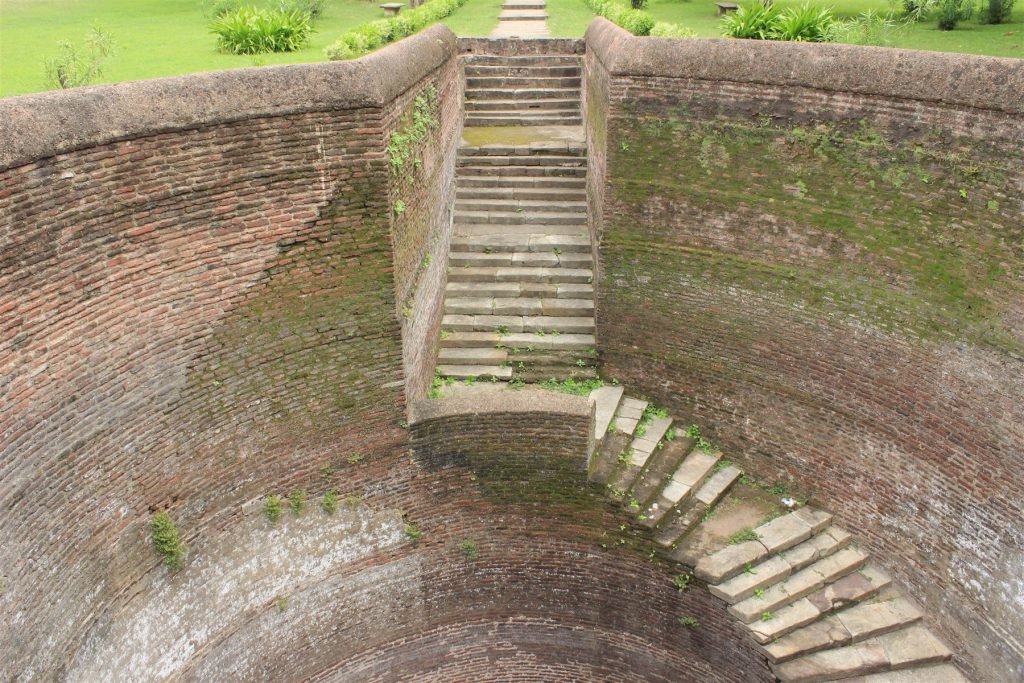
STEPWELLA rare spiralling water structure
MONUMENTThe royal mosque of the old citadel

Ancient shrines within the heritage city
Elegant domes amid the ruined city
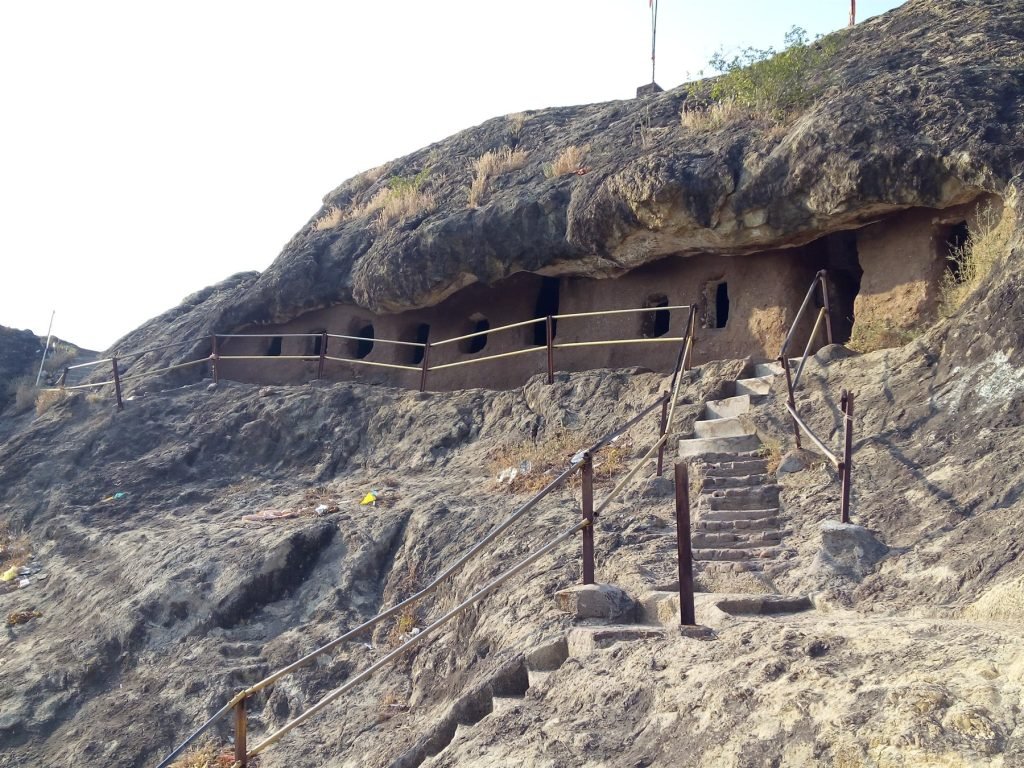
CAVESAncient rock-cut Buddhist caves
TOWNThe district’s bustling headquarters
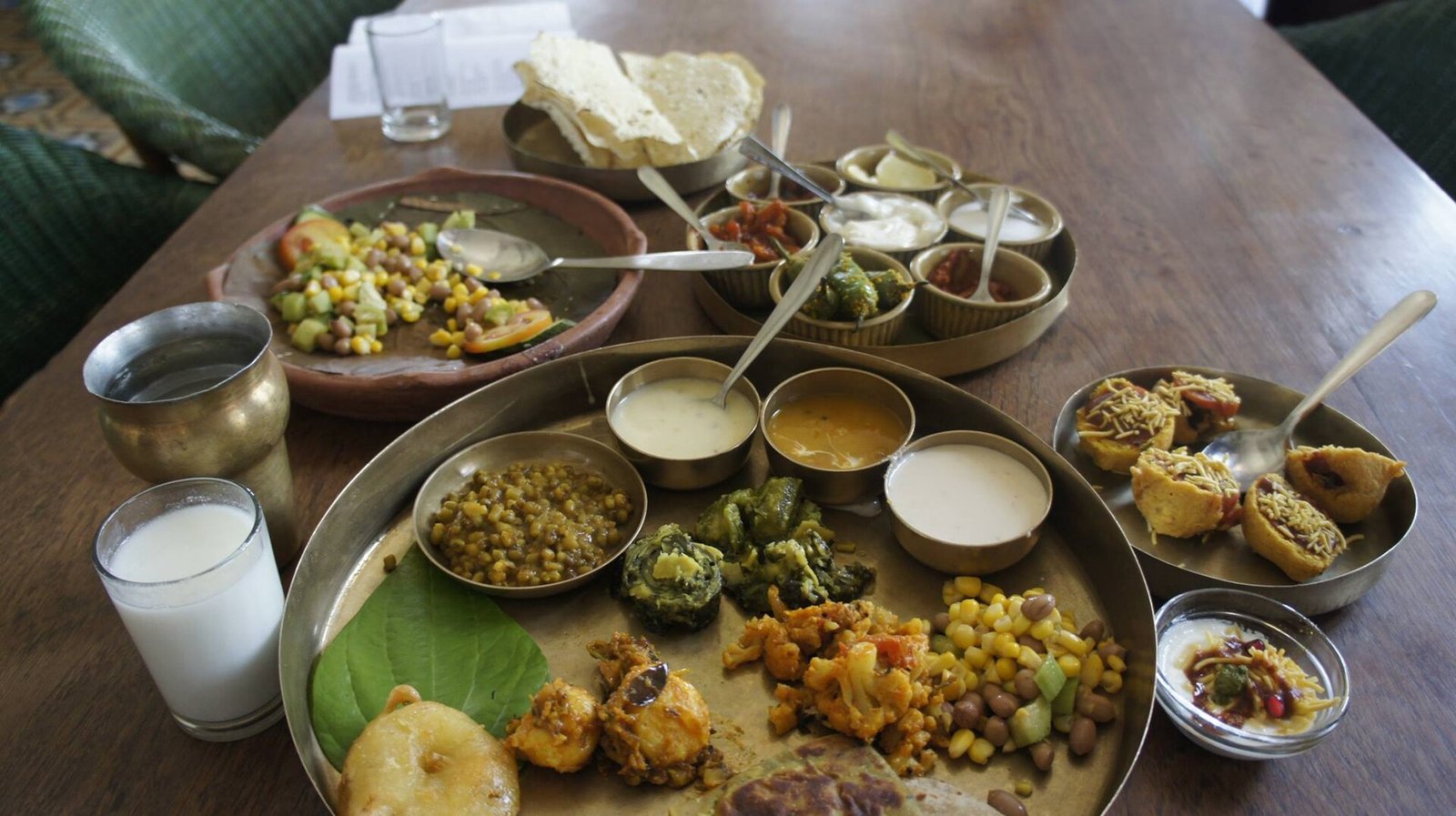
THALIHearty regional meals.
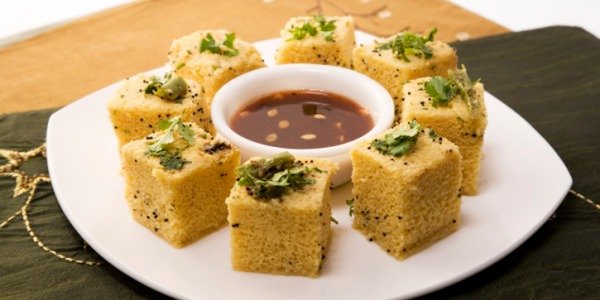
FARSANSteamed snacks.
STREETSnacks for pilgrims.
Simple Gujarati & tribal food near the sites.
The Jami Masjid of Champaner is one of the finest mosques in western India and the architectural crown of the Champaner-Pavagadh UNESCO World Heritage Site. Built in the early 16th century under Sultan Mahmud Begada, when Champaner was the capital of the Gujarat Sultanate, it is a vast and beautifully proportioned congregational mosque — a grand stepped entrance, slender carved minarets, a wide courtyard, and a prayer hall with a forest of some 200 pillars beneath domes, with intricately carved mihrabs and jali screens.
Champaner, Panchmahal.
Ticket (ASI).
October to March, in the cooler season.
Pavagadh, the Champaner mosques and stepwells.
1–2 hours.
Old Parsi coastal settlements

One of the world’s finest textile collections — centuries of Indian weaving, block-print and embroidery, hidden…
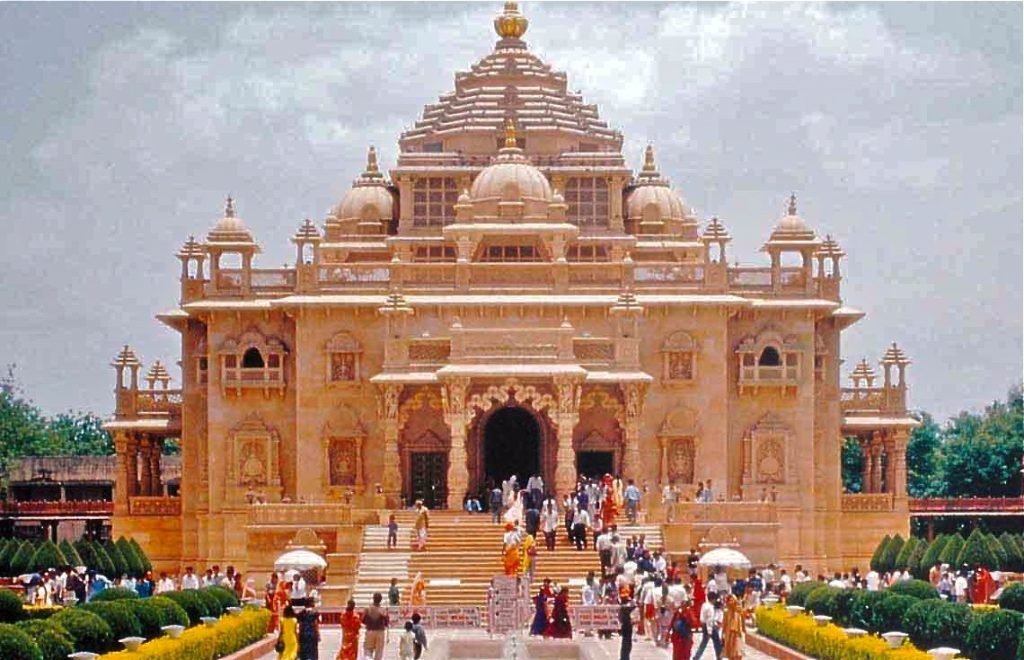
A revered shrine beside the hot springs

WATERFALLGujarat’s mightiest cascades, in full monsoon roar
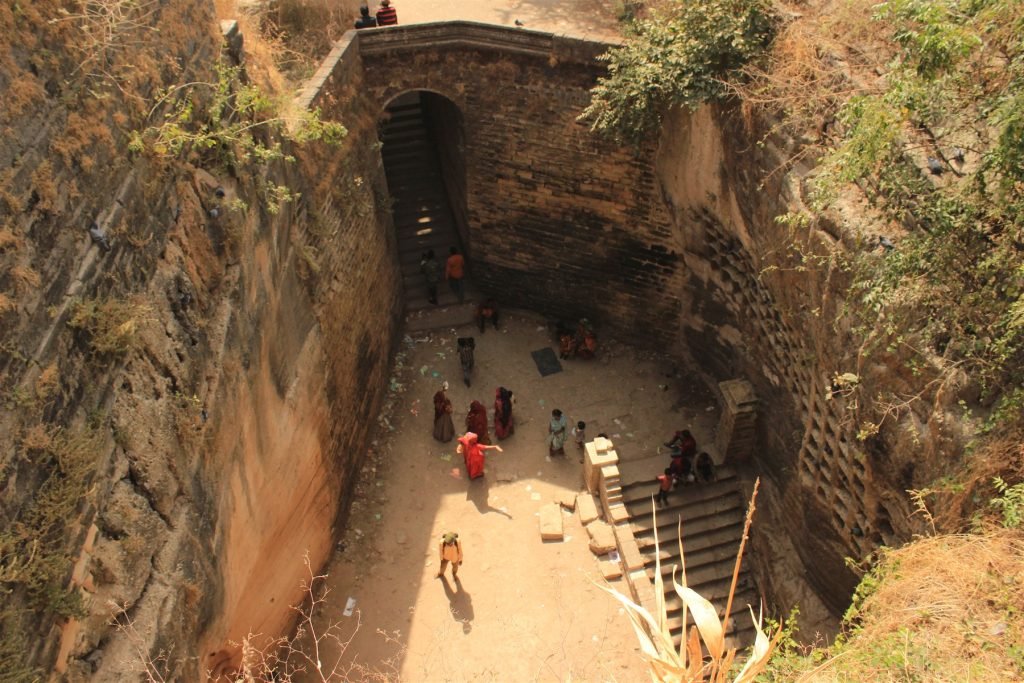
NATUREBirdlife and still water below the massif
Pilgrim spots near the forest edge
WHERE TO STAY
Compare live prices across the big booking sites and reserve in a few taps. Booking happens securely on the partner's site — we may earn a small commission at no extra cost to you.
Book directly on our partner sites — tap a provider to see live Gujarat hotels & prices:
SHOP THE REGION
Hand-picked crafts and trip gear, available on Amazon.
Published 24 June 2026 · Updated 24 August 2026
We’re an independent group of writers and travellers documenting every corner of Gujarat — one place, plate and festival at a time.
Search Gujarat Explorer
Find places, food, festivals and travel guides across Gujarat
Press Enter to search — or Esc to close
Plan Your Trip
Gujarat Explorer is an independent travel guide. We’re happy to help you shape an itinerary and point you to the right places, stays and experiences across Gujarat.
Book a Cab