
Home › Dahod › Ratanmahal Sloth Bear Sanctuary
WILDLIFE · SLOTH BEAR · FORESTRatanmahal Sloth Bear Sanctuary
Gujarat's sloth bear country — Ratanmahal, a rugged sanctuary of forested hills, boulder-strewn slopes and seasonal waterfalls in the far east of the state, is one of the best places in India to understand the elusive sloth bear, sharing its dry deciduous forest with leopards, civets and a tribal world that has lived alongside them for generations.
The forested hill sanctuary of eastern Gujarat
Ratanmahal Wildlife Sanctuary occupies a stretch of rugged, forested hill country in the far east of Dahod district, on the border with Madhya Pradesh — a landscape of dry deciduous forest, boulder-strewn slopes, deep valleys and seasonal streams that feed waterfalls during the monsoon.
The sanctuary is best known for its population of sloth bears, the shaggy, long-clawed, termite-eating bears that are among the most distinctive and least understood of India’s large mammals. Ratanmahal’s combination of rocky terrain — with crevices and caves for denning — and forest, with termite mounds and fruiting trees for feeding, makes it ideal sloth bear habitat, and it is among the more reliable places in Gujarat to learn about the species.
The sanctuary also supports leopards, the small Indian civet, hyenas, porcupines, pangolins and a rich birdlife, and its forests are home to tribal communities whose lives are interwoven with the landscape. Ratanmahal is not a developed safari park with guaranteed sightings — it is a genuine wilderness that rewards patience, an early start, and the company of a knowledgeable local guide. Forest department permissions and a local guide are recommended; carry water and respect wildlife distances.
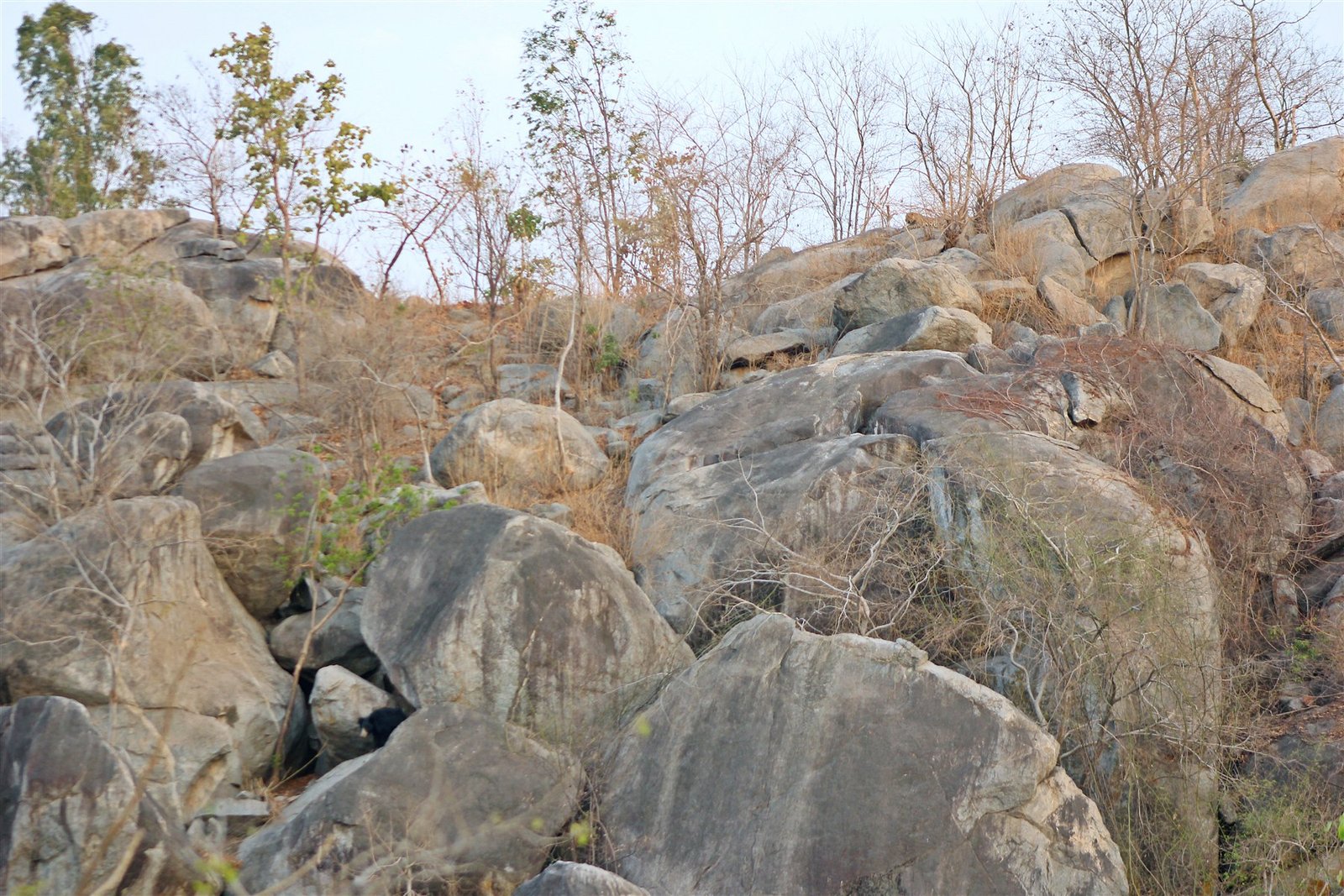
Rocky boulder habitat, Ratanmahal. Source: Wikimedia Commons.
Hill forest protected for the sloth bear
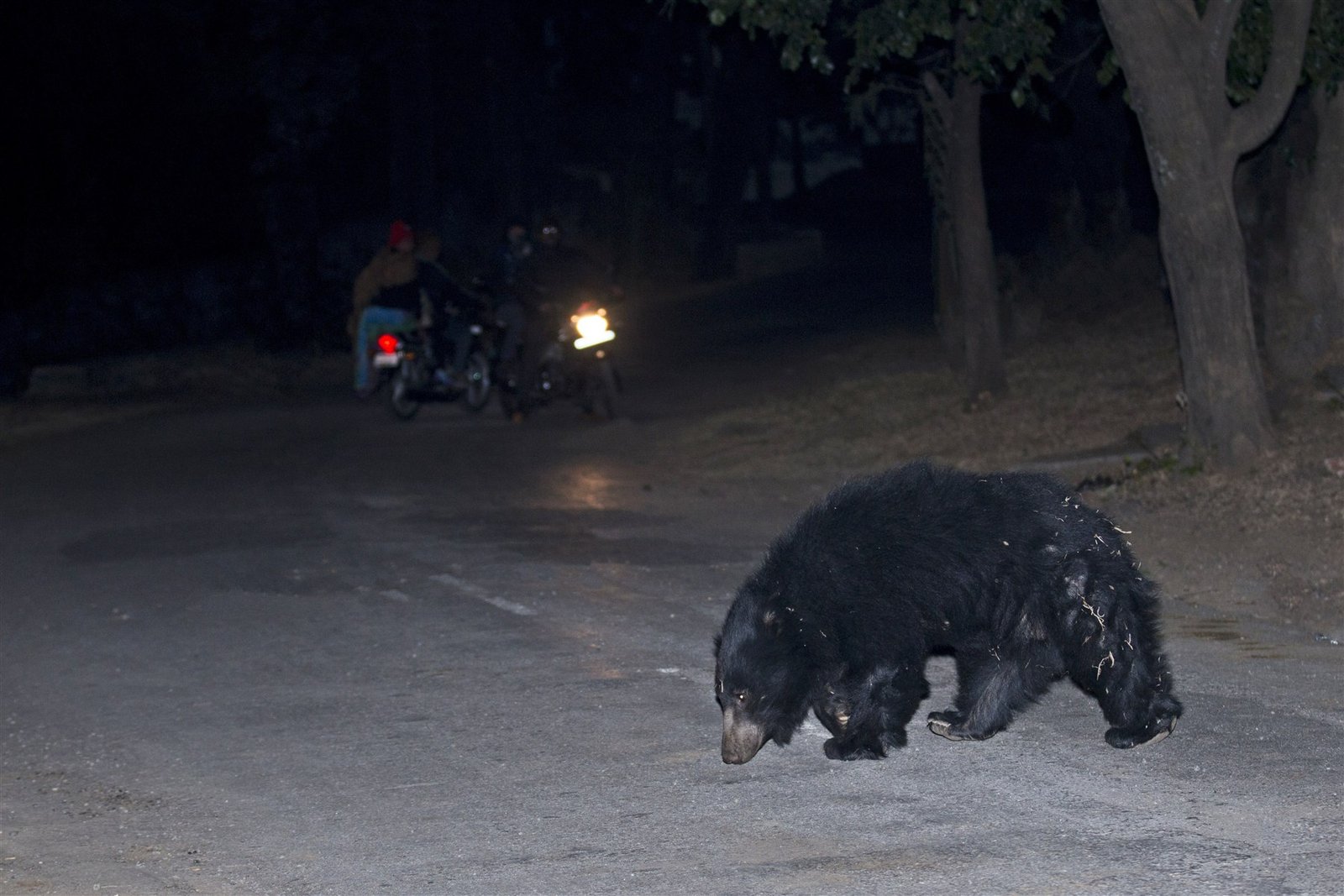
Sloth bear, Ratanmahal — a fragile co-existence. Wikimedia Commons.
A landscape of forested hills, boulder slopes and seasonal streams on the Gujarat–Madhya Pradesh border.
Ratanmahal's rocky-and-forested mix is ideal denning and feeding country for India's shaggy, termite-eating bears.
A declared wildlife sanctuary safeguarding one of eastern Gujarat's most rewarding wild places.
Tribal communities live within and around the forest, their lives interwoven with this rugged terrain.
Reasons to make the time
Sloth bears
Signature wildlife.
Leopards
And smaller cats.
Waterfalls
Monsoon cascades.
Boulders
Rocky bear habitat.
Forest
Dry deciduous.
Wild
A genuine wilderness.
What to look for inside
 SLOTH BEAR
The signature
A fragile co-existence.
 WILDLIFE
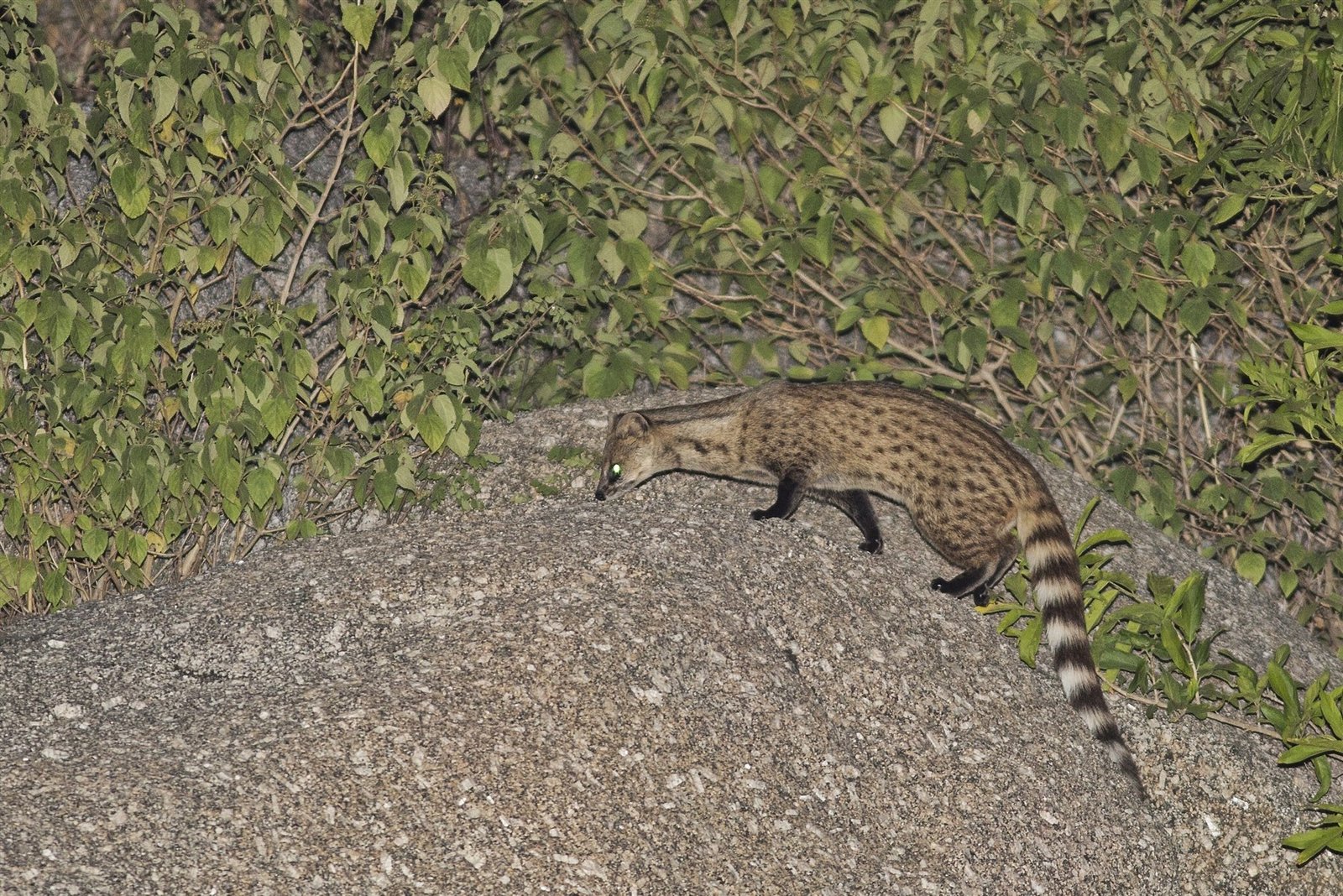
Small Indian civet
Among many species.
 HABITAT
Boulder slopes
Bear denning country.
How to spend an hour or two
Start before dawn
Best for wildlife — an early start gives the best chance of sloth bear and leopard activity before the heat builds.
Walk with a guide
Local forest knowledge turns a quiet walk into a reading of tracks, termite mounds and bear sign across the hills.
Visit the waterfalls
Best in monsoon, when seasonal streams cut through the hills and tumble into cascades among the boulders.
Watch for bears
Patience rewarded — Ratanmahal is a genuine wilderness, not a safari park, so sightings come to those who wait.
Look for civets and birds
Rich smaller fauna — the small Indian civet, porcupines, pangolins and a varied birdlife share the forest.
Respect distances
A genuine wilderness — keep your distance from wildlife, carry water and follow your guide's lead.
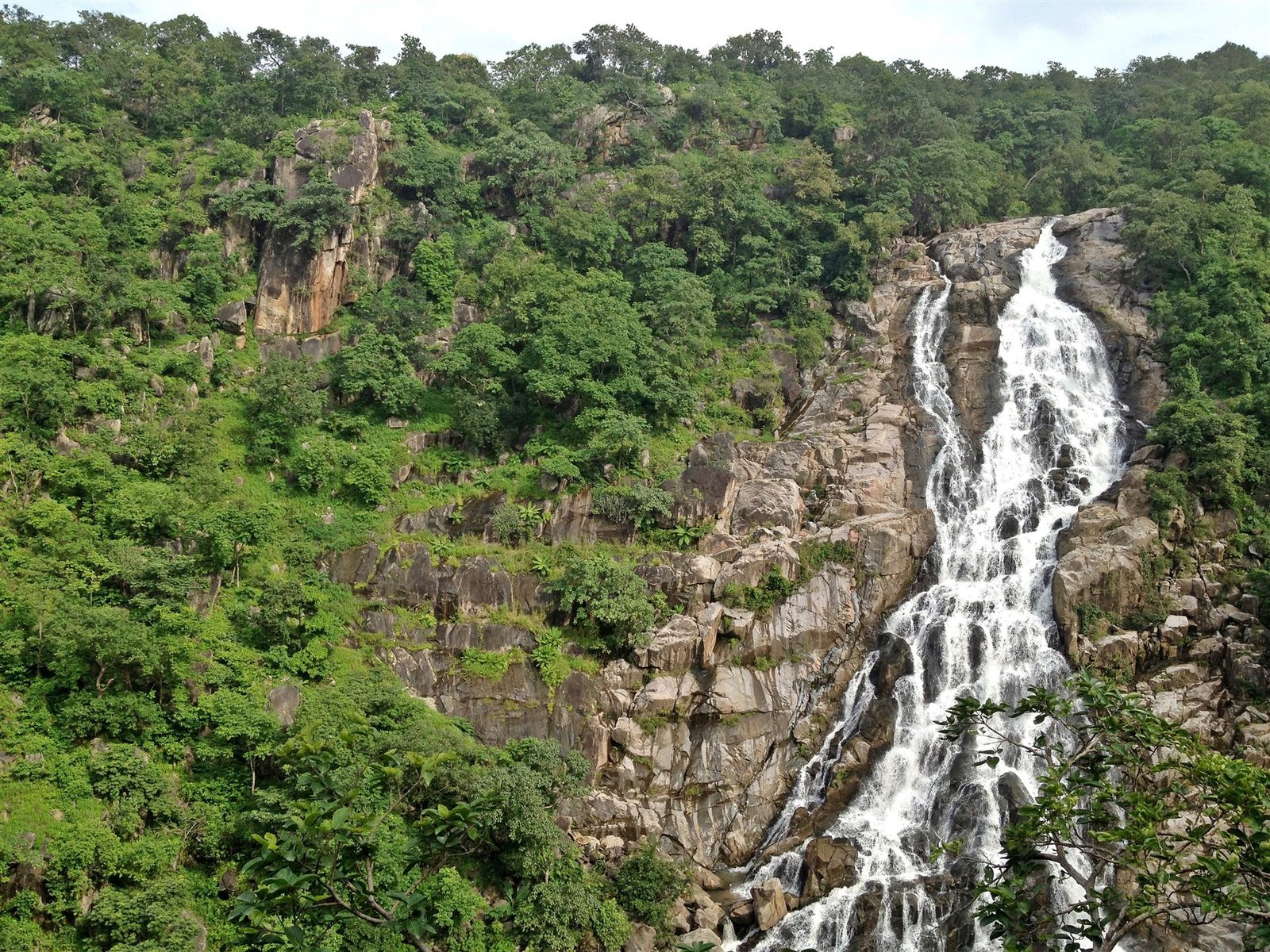
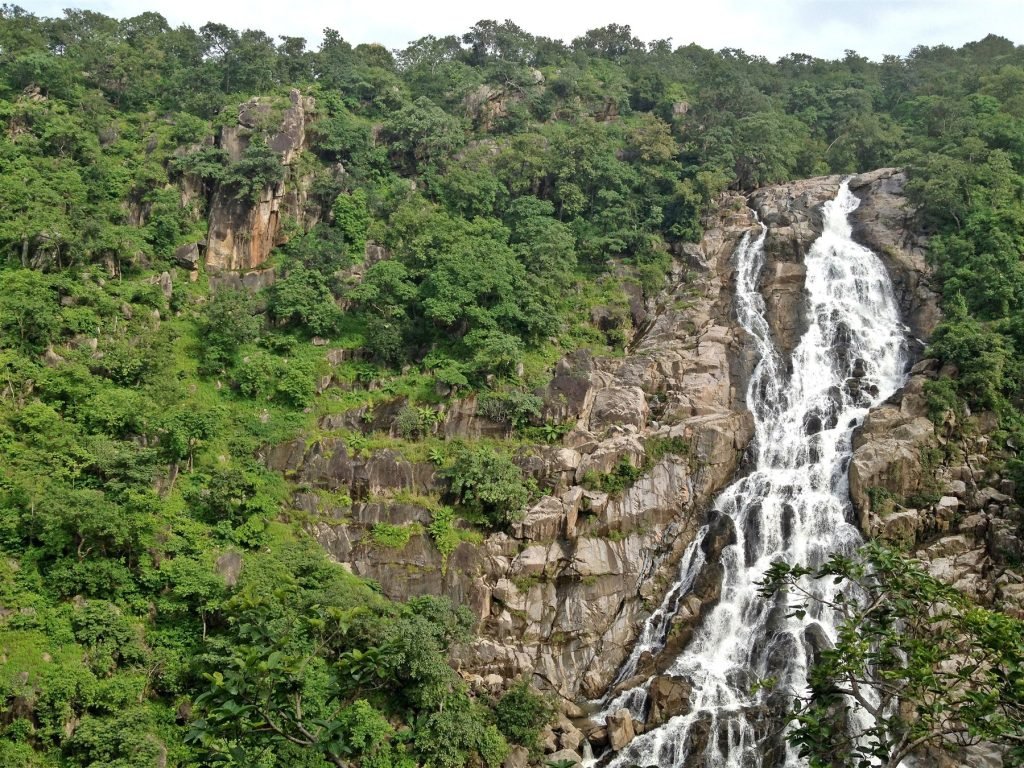
Ratanmahal waterfall. Wikimedia Commons.
A rugged sloth bear wilderness
Ratanmahal’s landscape is the key to its wildlife — rocky, boulder-strewn hill slopes provide crevices and caves for sloth bears to den, while the surrounding dry deciduous forest provides termite mounds, fruit and cover. Seasonal streams cut through the hills, forming waterfalls during and after the monsoon.
This combination of rock and forest, on the border between Gujarat and Madhya Pradesh, makes Ratanmahal one of the most rewarding wild places in eastern Gujarat — though it requires effort, patience and respect. Forest permissions and a local guide are recommended; visit at dawn and carry water.
This is one of many places worth seeing here — the full guide to Dahod has the rest.
Our overview of wildlife across Gujarat puts it in context.
Dry deciduous forest and boulder-strewn hills
Sloth bears — the sanctuary’s signature species
Leopards, civets, hyenas, pangolins and rich birdlife
Seasonal waterfalls during and after the monsoon
When to go
Cool and clear — the best season. Comfortable wildlife-watching and clear skies across the hills.
Forests and falls at their best. The hills turn green and seasonal streams run as waterfalls.
Hot; wildlife concentrates near water. Doable with an early start, but the heat is demanding.
⏰ Monsoon and winter are both rewarding — falls in monsoon, wildlife and clear skies in winter.
Timings & entry
- Forest department permission is recommended before visiting
- Hire a knowledgeable local guide for tracks and bear sign
- No developed safari infrastructure — come prepared and self-reliant
- Allow 1–2 hours for a focused forest walk
- Start before dawn for the best wildlife activity
- Carry water; there are no facilities inside
- Respect wildlife distances and keep noise low
- Monsoon and winter are the most rewarding seasons
Getting there
By Air
Vadodara (~155 km) or Indore are the nearest airports, with onward road connections into the Dahod hills.
By Rail
Dahod Junction is a major station on the Mumbai–Delhi line, the main railhead for reaching the sanctuary.
By Road
Reached via NH-47, with buses from Godhra and road approaches through Limkheda into the forest country.
Shooting Ratanmahal
WILD & UNDEVELOPED
Forest, boulders and monsoon waterfalls — a patient, natural canvas
Best light
Shoot at dawn — the soft early light is also when wildlife is most active across the hills.
What to shoot
Boulder slopes, dry deciduous forest, seasonal waterfalls and, with luck and patience, bear and leopard sign.
Be respectful
Keep quiet and keep your distance — no flash near wildlife, and never bait or chase a sighting.
Gear tip
A long telephoto suits wary wildlife; bring a wider lens for the falls, forest and boulder landscapes.
Know before you go
More to see close by

Chhab Lake Shrines
Lakeside temples in Dahod
 5
5Dudhimati River
A serene stream winding through tribal country
 TRIBAL
Jhalod
A lively tribal market town
 HISTORIC
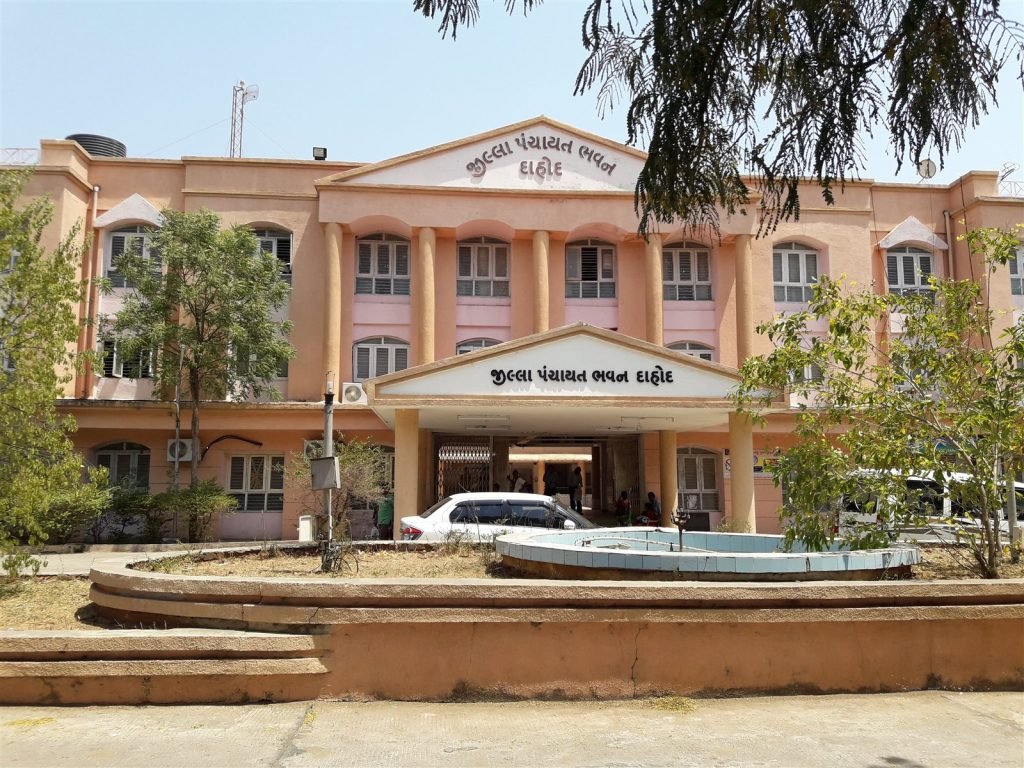
Dahod Town
Birthplace of emperor Aurangzeb
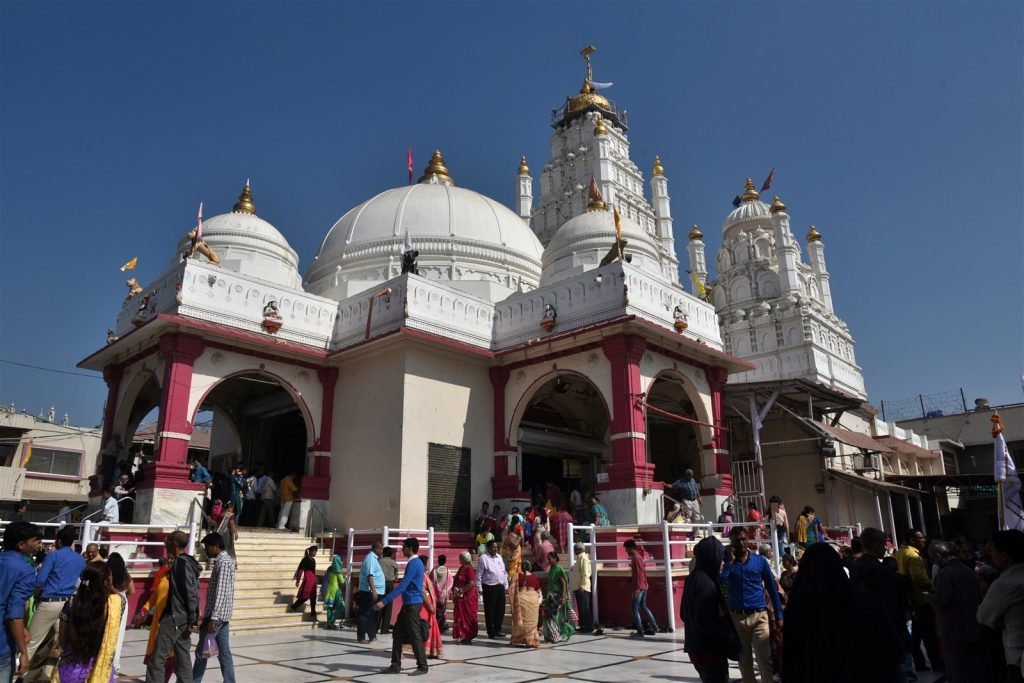
Kedareshwar Mahadev
A revered old Shiva temple near Dahod
 2
2Machan Eco-Camp
Sleep among the teak and bamboo of the highlands
Where to eat near Ratanmahal Sloth Bear Sanctuary
Gujarati Thali
Comfort home cooking — an unlimited vegetarian spread of rotli, dal, shaak and farsan.
Tribal food
Forest produce and maize dishes rooted in the local Adivasi kitchen.
Makai
The maize staple of the eastern hills, eaten roasted, ground or in rustic breads.
Rustic & local
Expect simple, hearty vegetarian fare — dal-bati and maize dishes are local favourites in the Dahod hills.
Ratanmahal Sloth Bear Sanctuary FAQ
What is Ratanmahal known for?
Its sloth bears and rugged forested hill landscape on Gujarat's eastern edge.
Are bear sightings guaranteed?
No — it is a genuine wilderness, not a safari park; patience and a local guide help.
Best time to visit?
Monsoon and winter — green forest, running waterfalls and clear skies.
Do I need permission?
Forest department permissions and a local guide are recommended.
What other wildlife is there?
Leopards, civets, hyenas, pangolins and many birds, alongside the sloth bears.
Is it developed for tourism?
No — it is a wild sanctuary, not a developed safari park, so come self-reliant.
Where is Ratanmahal?
In the far east of Dahod district, on the border with Madhya Pradesh in eastern Gujarat.
How do I reach it?
Via Dahod Junction by rail, or by road on NH-47 with buses from Godhra and approaches through Limkheda.
Related places across Gujarat
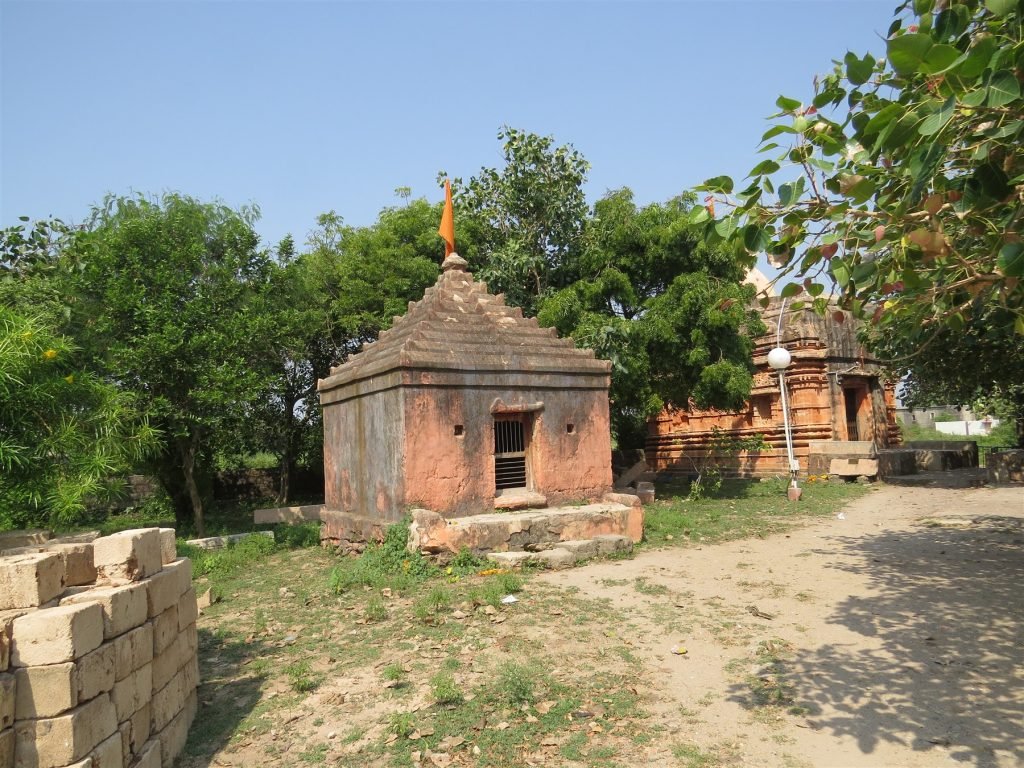
Gita Mandir
A riverside temple near Somnath
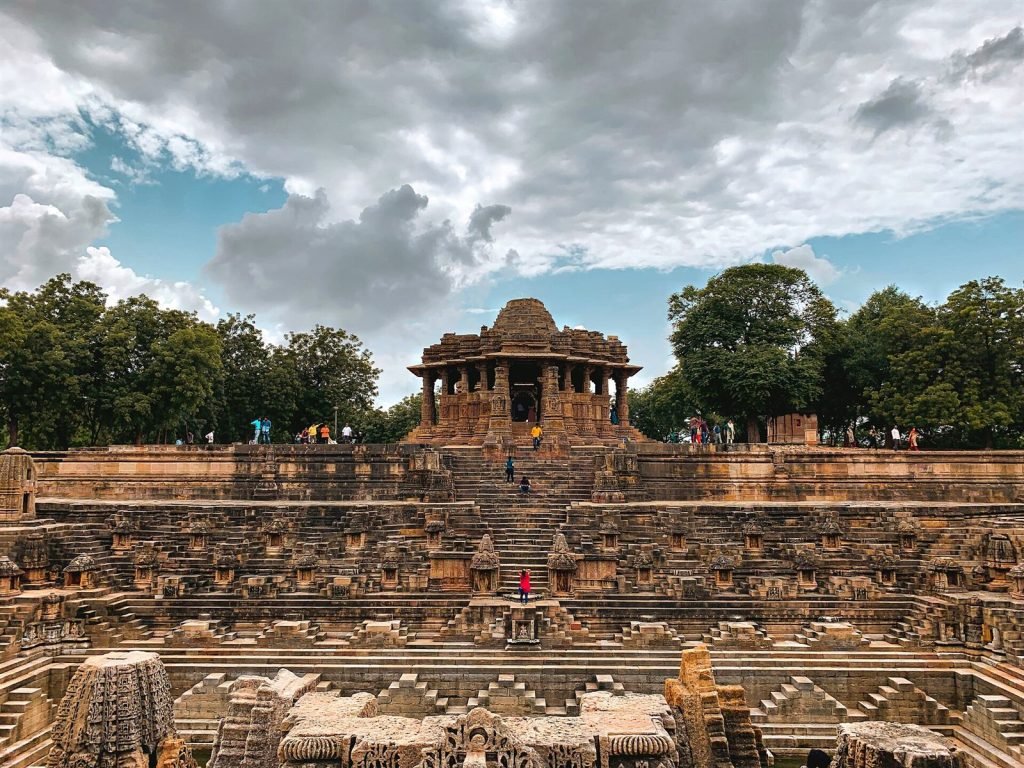
Swaminarayan Temple
A vibrant community temple in the city
 GARDENS
Cactus & Butterfly Gardens
Themed gardens around Ekta Nagar
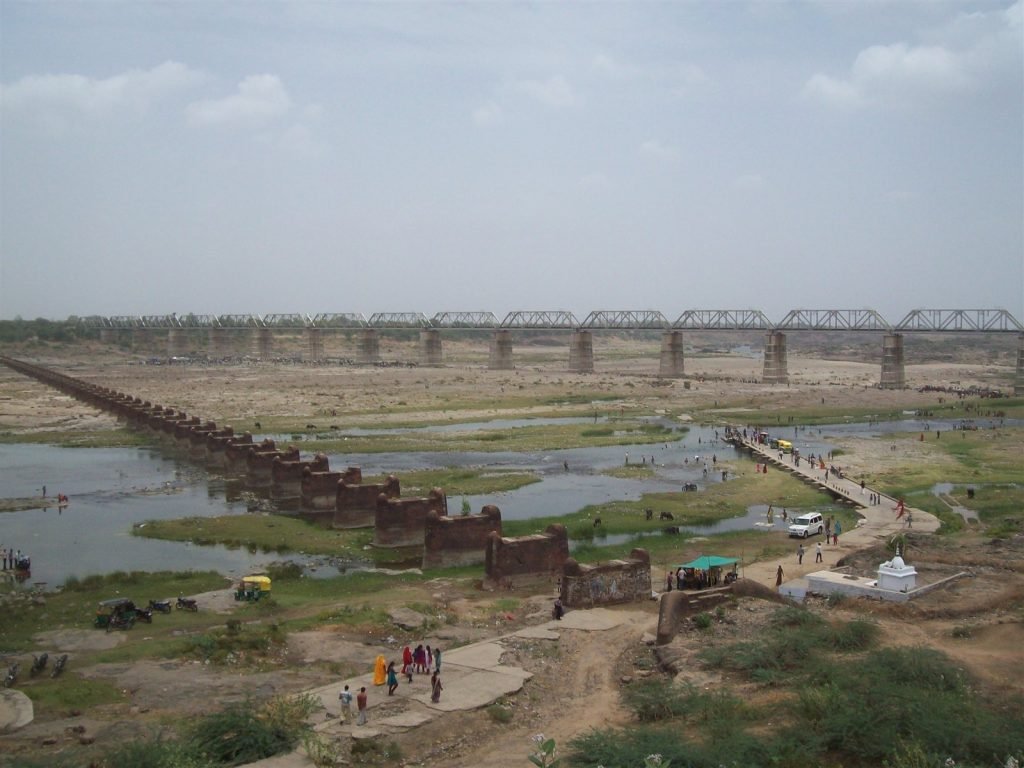
Atal Bridge & Riverfront
◐ Sunset · blue hour
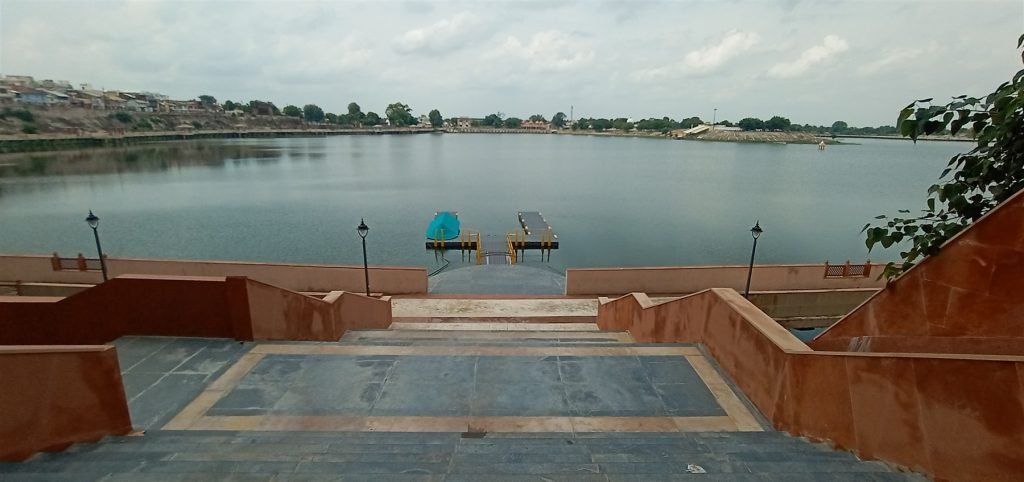 LAKE
LAKESharmishtha Lake
Vadnagar’s serene historic lakefront
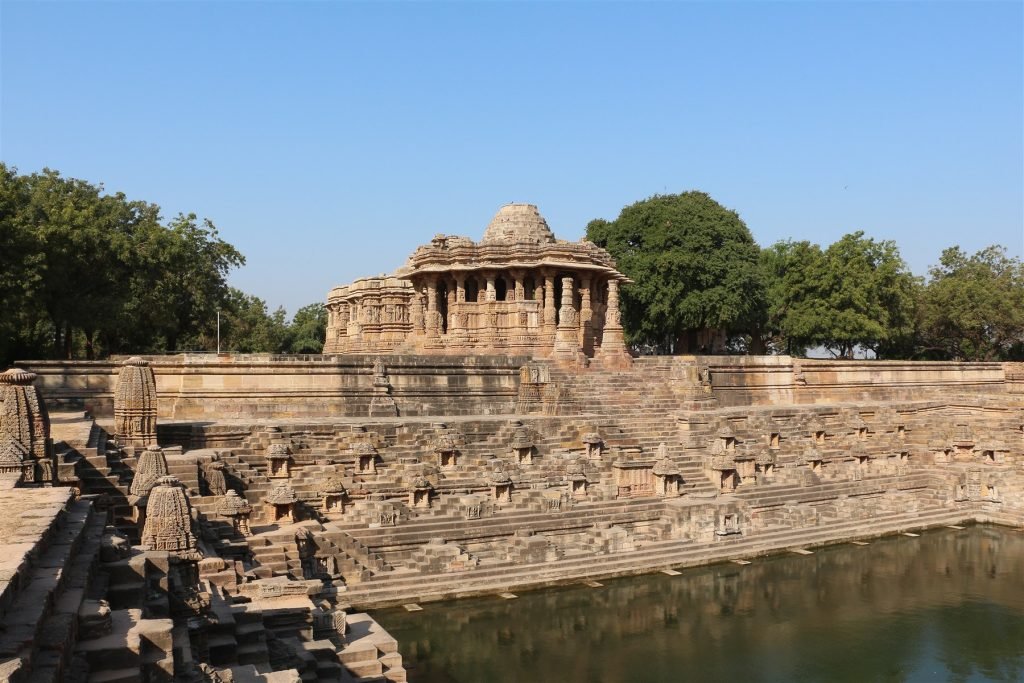
Modhera Sun Temple
India’s finest 11th-century solar temple
WHERE TO STAY
Find your stay in Gujarat
Compare live prices across the big booking sites and reserve in a few taps. Booking happens securely on the partner's site — we may earn a small commission at no extra cost to you.
Book directly on our partner sites — tap a provider to see live Gujarat hotels & prices:
SHOP THE REGION
Bring home Gujarat — & travel essentials
Hand-picked crafts and trip gear, available on Amazon.
Published 24 June 2026 · Updated 24 August 2026
We’re an independent group of writers and travellers documenting every corner of Gujarat — one place, plate and festival at a time.