
Home › Gir Somnath › Somnath Temple
TEMPLE · FIRST JYOTIRLINGASomnath Temple
The first of Shiva's twelve Jyotirlingas, rebuilt again and again on the Arabian Sea shore — an eternal symbol of faith and resilience, the 'Shrine Eternal'.
The Shrine Eternal by the sea
On the shore of the Arabian Sea at Prabhas Patan stands the Somnath Temple — the first among the twelve Jyotirlingas of Shiva and one of the most revered shrines in all of Hinduism. Its story is one of extraordinary resilience: built in deep antiquity, the temple was plundered and demolished repeatedly over the centuries — most famously by Mahmud of Ghazni — and each time the faithful raised it again.
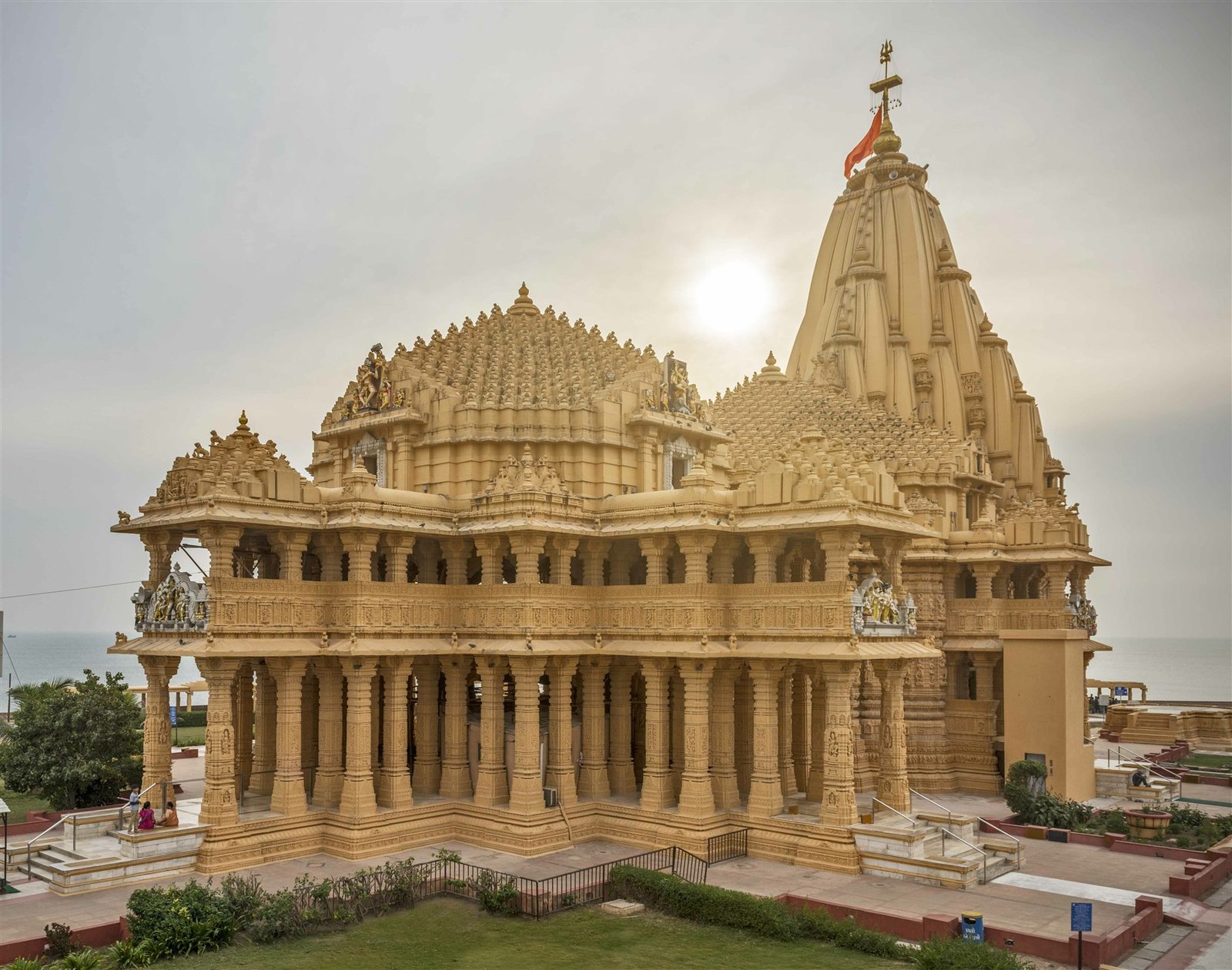
The present soaring temple, in the Chalukya (Maru-Gurjara) style, was completed in 1951 after Independence at the initiative of Sardar Vallabhbhai Patel, earning Somnath its title ‘the Shrine Eternal’. An inscription notes that no land lies in a straight line between its shore and Antarctica.
With its great spire above the waves, its powerful aartis and a stirring evening sound-and-light show, Somnath is both a profound pilgrimage and an emblem of India’s enduring spirit.
Somnath’s spire above the Arabian Sea.
Plundered again and again, rebuilt every time
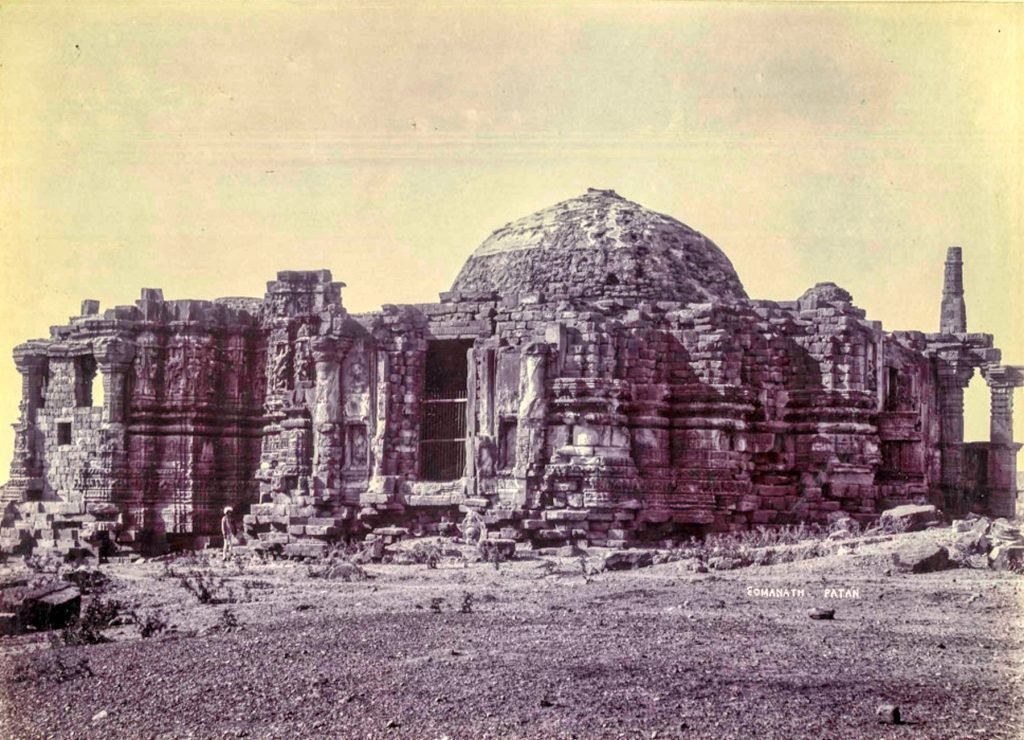
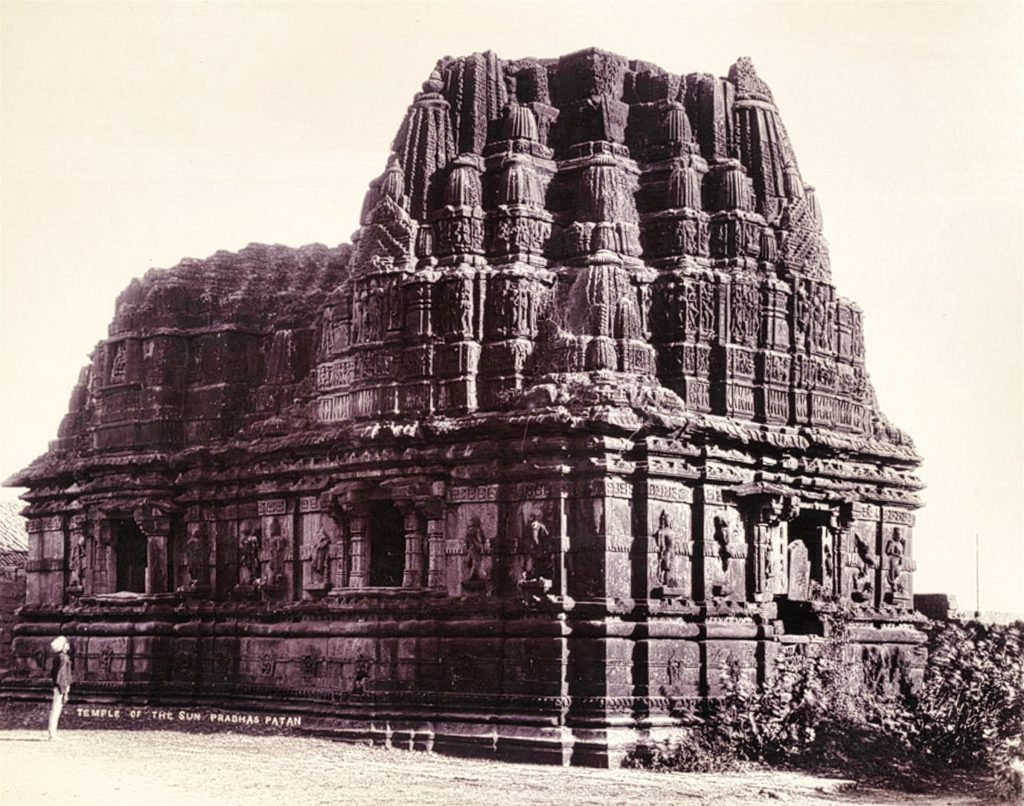
The temple ruins in an 1895 photograph.
A shrine to Shiva has stood at Prabhas Patan on this shore since antiquity, and it is counted the first of the twelve Jyotirlingas.
Its wealth made it a target, and it was plundered repeatedly — most famously by Mahmud of Ghazni in the eleventh century.
Each destruction was followed by rebuilding, and that cycle across a thousand years is the temple's real history.
The present temple was completed in 1951, in the Chalukya style, on the initiative of Sardar Patel after Independence.
Reasons to make the time
First Jyotirlinga
Somnath is reckoned the first of Shiva's twelve Jyotirlingas, which puts it at the head of one of Hinduism's principal pilgrimage circuits.
Seashore spire
The temple stands directly above the shore, and the sea breaking below the plinth is part of the experience of being there.
Shrine Eternal
Destroyed and rebuilt again and again, it has become a symbol of continuity as much as of devotion.
Powerful aartis
Three aartis are performed daily, and the evening one with the sea behind it is the most affecting.
Sound & light
An evening sound-and-light show narrates the temple's long history on the complex itself.
Pilgrim circuit
It pairs naturally with Dwarka to the north-west and Gir to the east, and most Saurashtra itineraries link all three.
What to look for inside
 THE TEMPLE
The Jyotirlinga
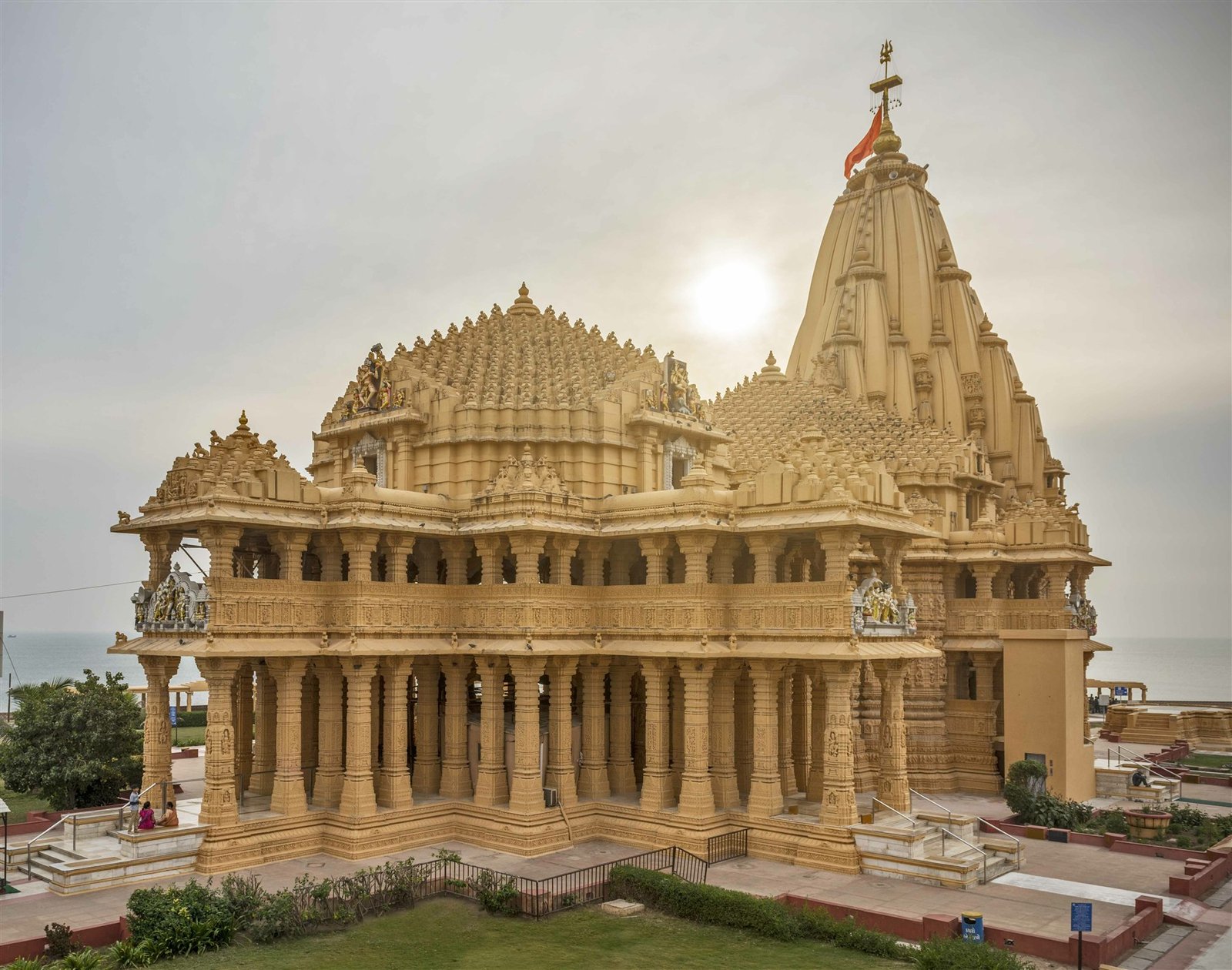
The first of Shiva's twelve, in a temple rebuilt within living memory.
 THE SEA
The shore setting
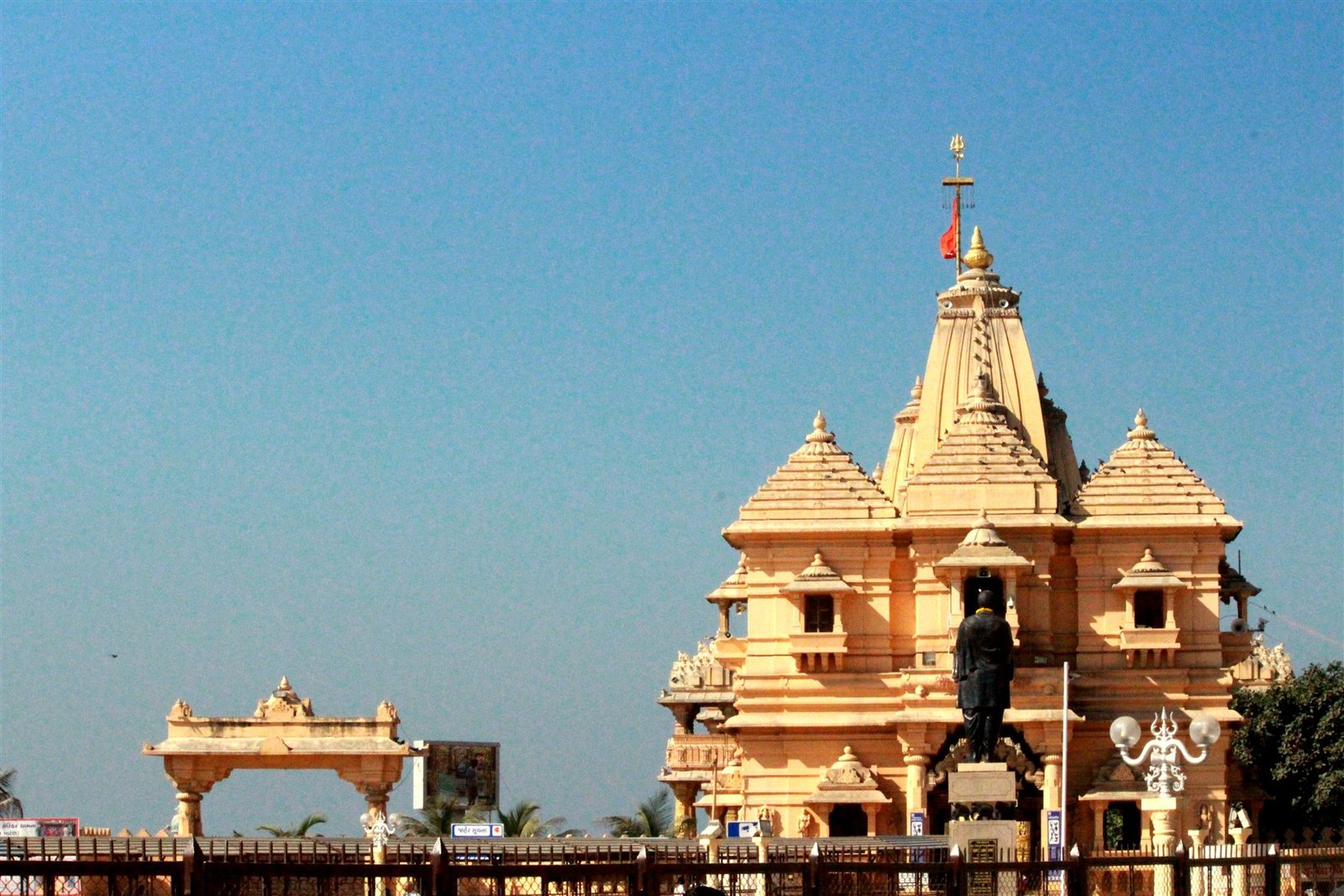
The spire standing directly above the Arabian Sea, with nothing between it and the water.
How to spend an hour or two
Take darshan
Take darshan of the Jyotirlinga, the reason the overwhelming majority of visitors are here.
Attend an aarti
Time your visit around an aarti; the temple is a different place during worship than between services.
See the sound & light
Stay for the evening sound-and-light show, which tells the temple's history of destruction and rebuilding.
Walk the shore
Walk out to the seafront behind the temple and look for the Baan Stambh, the pillar marking the unbroken sea to the south.
Visit nearby shrines
Add Triveni Sangam and Bhalka Tirth, both minutes away, which complete the Krishna sites at Somnath.
Learn the saga
Take in the rebuilding story. That the present temple dates from 1951 is central to what the place means.
The Chalukya-style shikhara.
A Maru-Gurjara spire reborn
The 1951 temple is built in the Chalukya or Maru-Gurjara style of western India: a tall, intricately moulded shikhara rising above the sanctum, a pillared sabha-mandapa hall, and richly worked stone, all raised on a commanding seafront site.
Its spire is crowned by a great kalash and flag, visible far out to sea, while a striking arrow-pillar (Baan Stambh) on the shore proclaims the unobstructed ocean stretching to the South Pole. The whole composition fuses traditional temple form with the symbolism of a nation’s restored faith.
For everything else the district holds, see our Gir Somnath travel guide.
This belongs to a wider story: temples across Gujarat.
There is a longer write-up in our Somnath travel guide.
Chalukya (Maru-Gurjara) style
Soaring carved shikhara
Seafront sabha-mandapa
Baan Stambh arrow-pillar
When to go
November to February is the season on this coast — comfortable days, cool evenings and the best light for sunset behind the spire.
The monsoon brings a heavy sea against the seafront, which is dramatic, though the crowds thin considerably.
April to June is hot, but the sea breeze on the temple front keeps it more bearable than inland Saurashtra.
⏰ Come for an evening aarti and stay for the sound-and-light show; sunset over the sea behind the spire is superb.
Timings & entry
- Open daily with aarti times
- Sound-and-light show in the evening
- Phones/cameras restricted in the inner area
- Allow 1–2 hours
- No entry fee for darshan
- Cloakrooms for phones, shoes and bags
- Security checks at the entrance
- Dress modestly; expect queues on festivals
Getting there
By Air
Diu (~85 km) and Rajkot are the nearest airports.
By Rail
Veraval station (~7 km) is the nearest railhead.
By Road
Well connected to Junagadh, Diu and Porbandar.
Shooting Somnath
SPIRE & SEA
A temple spire against the Arabian Sea
Best light
Sunset behind the spire, shot from the seafront.
What to shoot
The temple exterior and the sea — no photography inside.
Setting
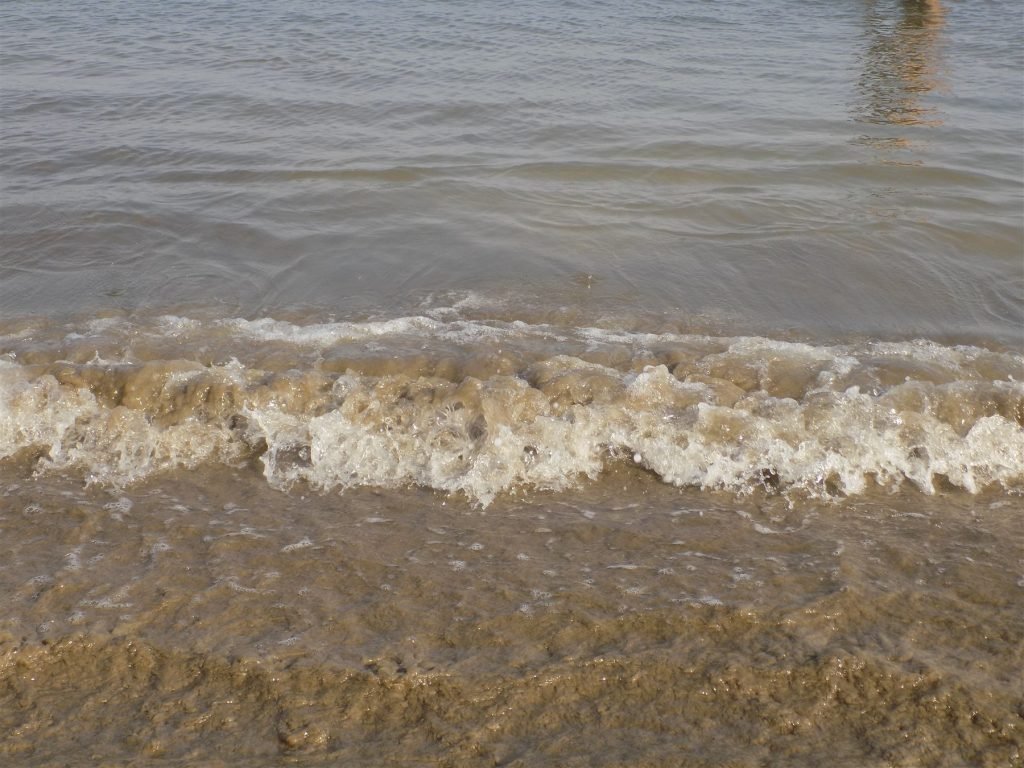
Waves breaking below the seafront wall.
Evening
The illuminated temple during the evening show.
Know before you go
More to see close by
 PILGRIMAGE
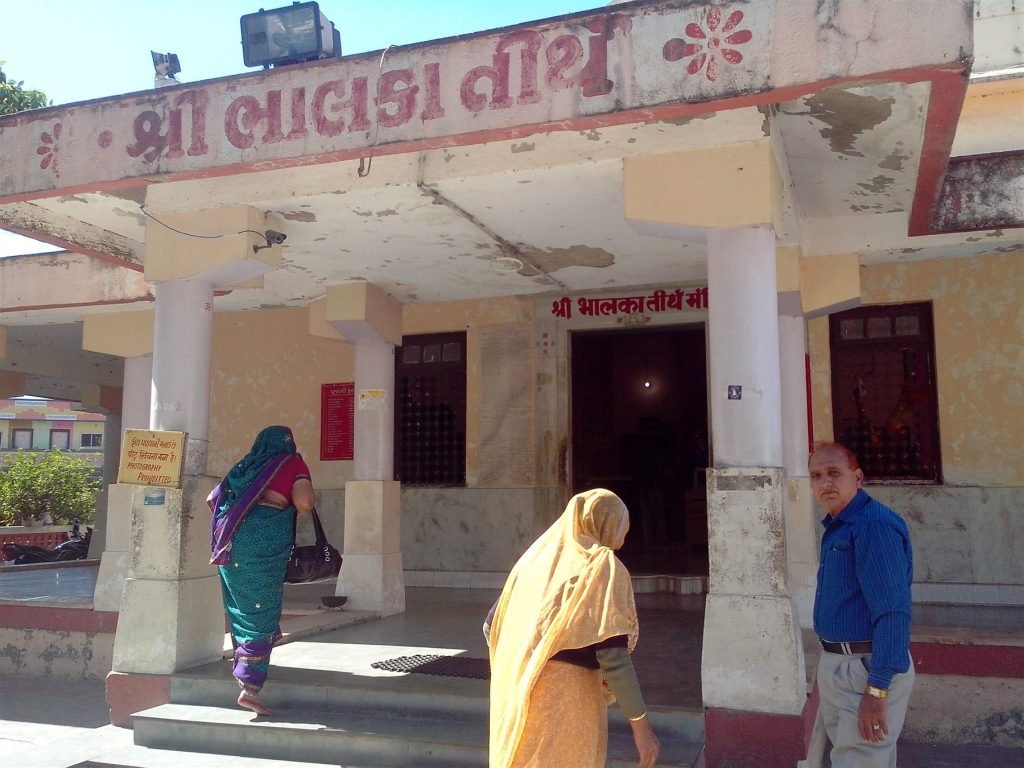
Bhalka Tirth
Where Krishna is said to have left his body
 SACRED
Triveni Sangam
Where three rivers meet the Arabian Sea
Gita Mandir
A riverside temple near Somnath
 WILDLIFE
Gir National Park
The last wild home of the Asiatic lion
 BEACH
BEACHSomnath Beach
Golden sands beside the great temple
 MUSEUM
Prabhas Patan Museum
Sculptures from Somnath’s older temples
Where to eat near Somnath Temple
 THALI
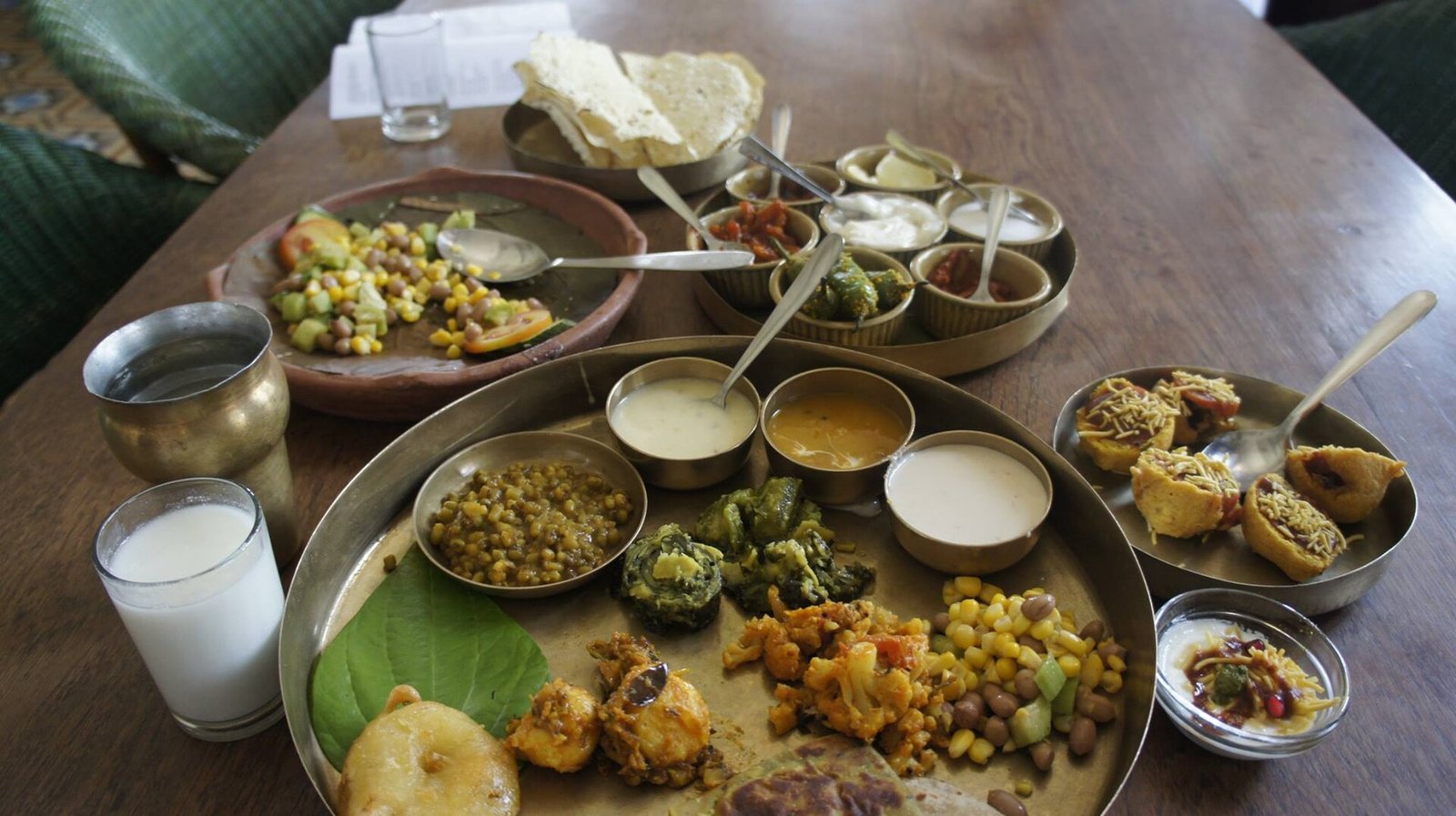
THALIKathiawadi Thali
Rotla, kadhi, shaak and ghee-rich fare.
 SNACKS
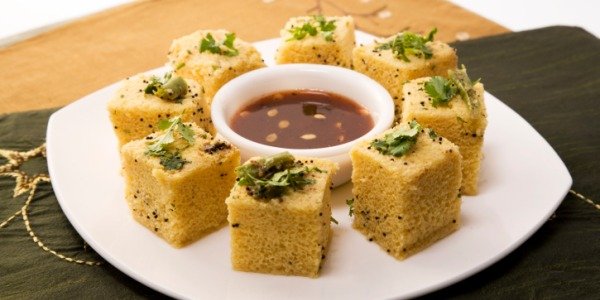
Ganthiya & fafda
Saurashtra's beloved fried snacks.
 PRASAD
Temple-town bites
Sweets and snacks near Somnath.
Pure-veg & Kesar
Pilgrim-town veg fare; Gir Kesar mangoes in summer.
Somnath Temple FAQ
What is Somnath Temple?
The first of Shiva's twelve Jyotirlingas, standing on the Arabian Sea shore at Prabhas Patan near Veraval. It is among the most significant Shiva shrines in India.
Why is it called the Shrine Eternal?
Because it was plundered and destroyed repeatedly across a thousand years and rebuilt each time, most famously after the raid of Mahmud of Ghazni. The present temple was completed in 1951.
Who rebuilt the present temple?
It was rebuilt after Independence on the initiative of Sardar Vallabhbhai Patel, and completed in 1951 in the Chalukya style.
What are the darshan timings?
The temple is generally open from early morning until late evening, with three aartis through the day. Confirm the current timings locally, as they shift seasonally.
Is there an entry fee?
No, darshan is free. There is a separate ticket for the evening sound-and-light show.
Can I take photos inside?
No. Photography is restricted inside the temple and phones and cameras must be left at the cloakroom before entering.
What's the sound-and-light show?
An evening show staged on the complex that narrates the temple's history of destruction and rebuilding across the centuries.
What's nearby?
Triveni Sangam, Bhalka Tirth and Gita Mandir are all within minutes, and Gir National Park is about 45 km inland.
Related places across Gujarat
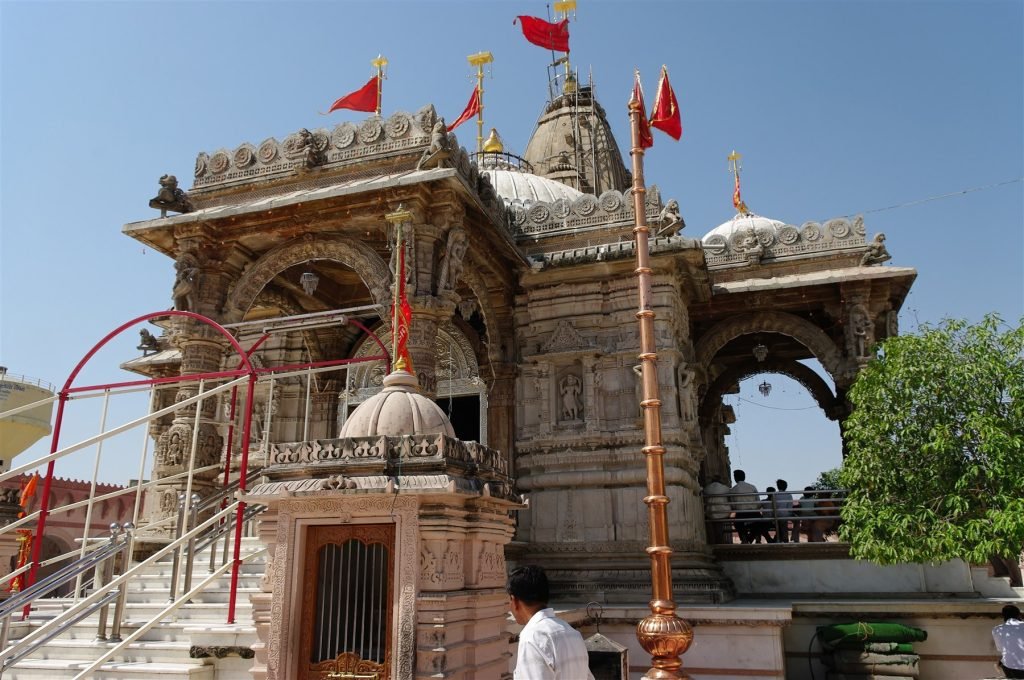
Unjha Umiya Mata
Sacred vavs across the district
 PALACE
Prag Mahal
Italian-Gothic palace with a clock-tower climb
 PILGRIM
Kartik Fair Ground
Site of the great riverside mela
 NATURE
Balaram-Ambaji
Forested hills rich in wildlife
 CRAFT
CRAFTSankheda Lacquerware Town
A town where furniture becomes art — Sankheda has been producing lacquer-turned wooden furniture for generations,…
Saurashtra Village
A Saurashtra village offers a close look at rural life in the Kathiawad heartland of Gujarat,…
WHERE TO STAY
Find your stay in Gujarat
Compare live prices across the big booking sites and reserve in a few taps. Booking happens securely on the partner's site — we may earn a small commission at no extra cost to you.
Book directly on our partner sites — tap a provider to see live Gujarat hotels & prices:
SHOP THE REGION
Bring home Gujarat — & travel essentials
Hand-picked crafts and trip gear, available on Amazon.
Published 24 June 2026 · Updated 24 August 2026
We’re an independent group of writers and travellers documenting every corner of Gujarat — one place, plate and festival at a time.