
Where fresh water meets the sea
Just outside Jamnagar, where freshwater marshes meet the saltwater creeks of the Gulf of Kutch, lies the Khijadiya Bird Sanctuary — a small but extraordinarily rich wetland, recognised as a Ramsar site of international importance. The meeting of fresh and salt water creates a rare mosaic of lakes, marshes, mudflats and mangroves that supports an astonishing variety of birdlife: over 300 species have been recorded, including flamingos, pelicans, painted storks, cranes, ducks and a host of migratory waders that arrive each winter. Raised watchtowers and trails let visitors take in the spectacle without disturbing it. For birdwatchers and nature lovers, Khijadiya is one of Gujarat’s finest and most accessible wetlands — and a reminder of the wild coast that lies just beyond the Brass City.
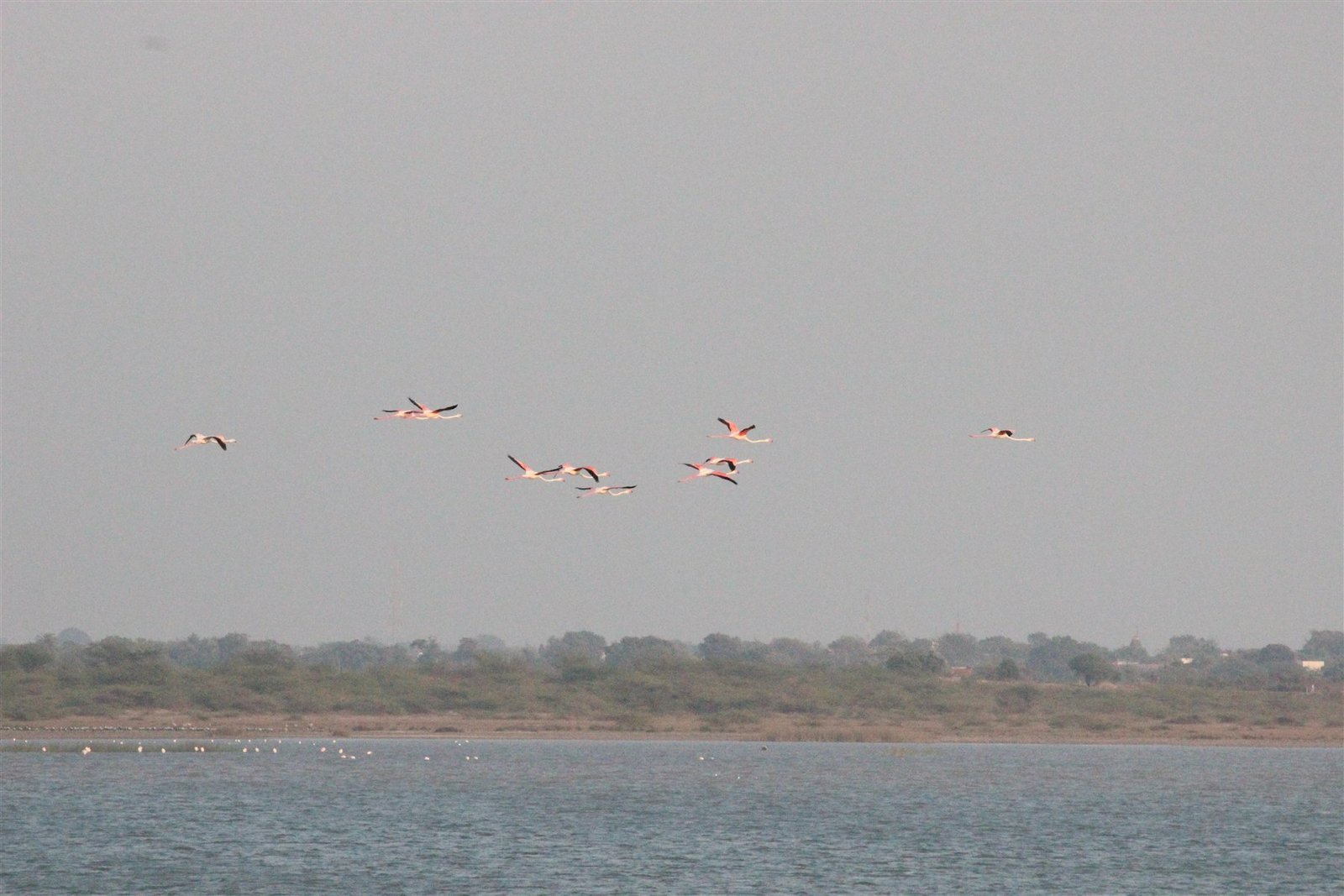
Flamingos over the Khijadiya wetland.
Fresh water, salt water, and a Ramsar listing
A Ramsar site of global importance.
Dams built on the small rivers running into the Gulf of Kutch created freshwater lakes directly behind the existing salt marshes and mangroves.
That accidental mosaic of fresh and salt water proved exceptional for birds, and the wetland was notified as a sanctuary in 1981.
In 2021 Khijadiya was designated a Ramsar site, recognising it as a wetland of international importance.
It is now among the best birding sites in western India, and the reason serious birders come to Jamnagar at all.
Reasons to make the time
300+ species
More than 300 bird species have been recorded here, a remarkable figure for a wetland of only a few square kilometres.
Flamingos
Both greater and lesser flamingos work the shallows, and the pink flocks on the water are the sanctuary's signature sight.
Two waters
The freshwater lakes and the saline coastal marsh sit side by side, which is why the species list is so long.
Ramsar site
Ramsar designation puts Khijadiya on the same list as the world's most significant wetlands.
Watchtowers
Watchtowers and marked trails let you get close to the birds without pushing them off the water.
Winter migration
Migratory flocks arrive from central Asia and beyond each winter, and the sanctuary transforms when they do.
What to look for inside
 WATERBIRDS
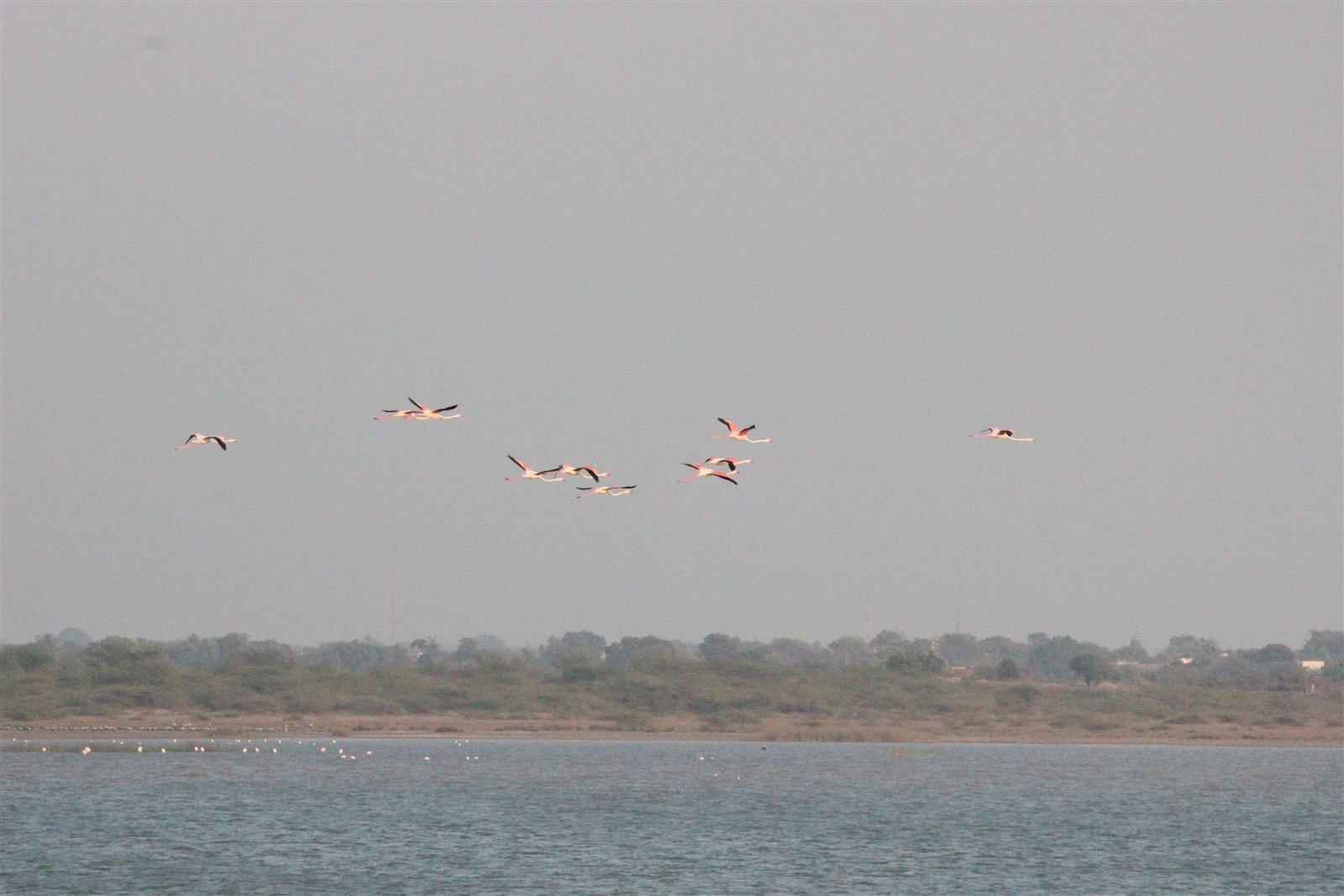
Flamingos and storks
Flocks working the shallows and marshes, at their best in winter.
 WETLAND
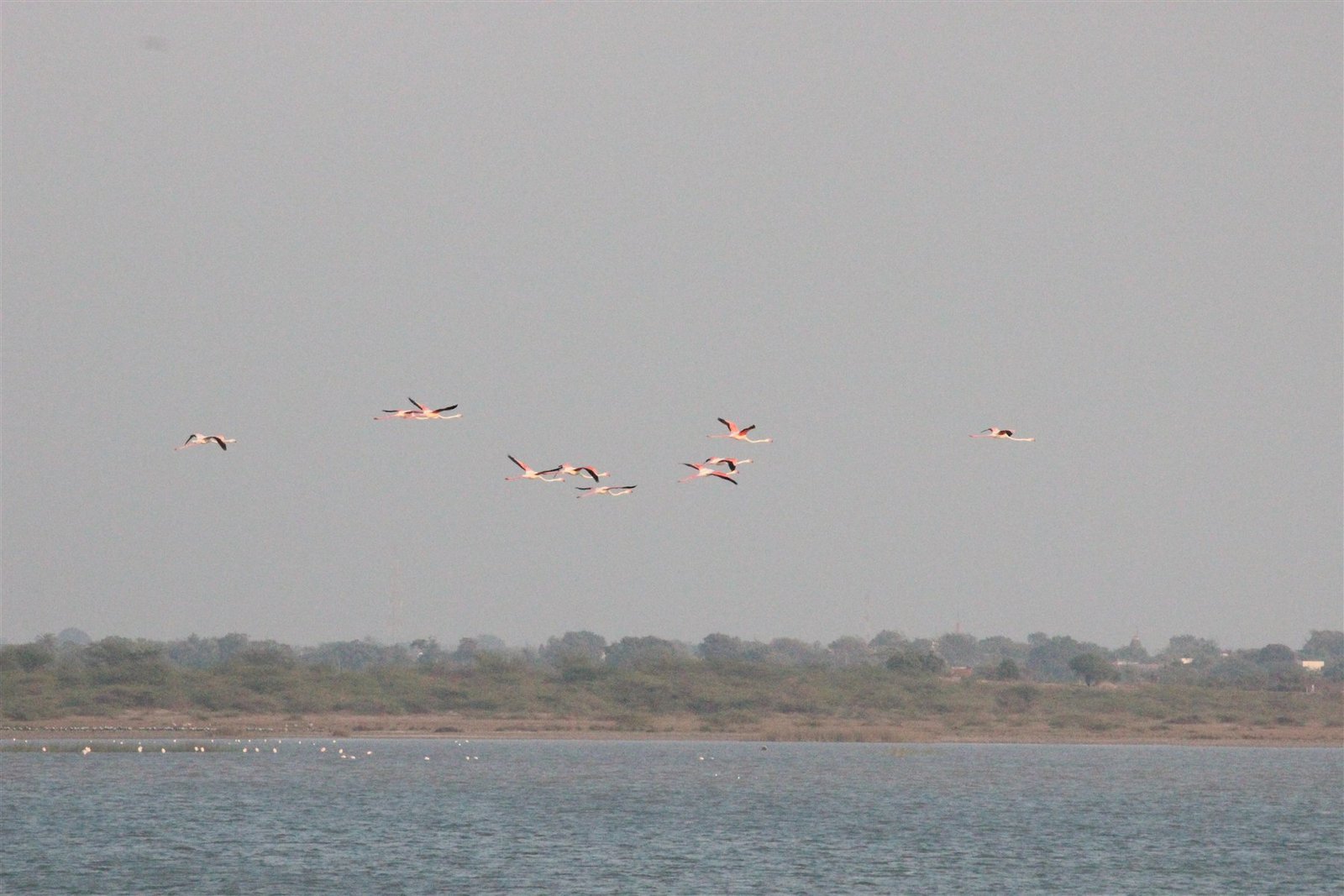
Lakes and mangroves
Freshwater lakes, salt marsh and mangrove in one small mosaic of habitats.
How to spend an hour or two
Get a ticket
Arrange entry at the sanctuary gate; a ticket is required and the timings are fixed.
Climb a watchtower
Climb the watchtowers, which give the only proper overview of the lakes and the flocks on them.
Walk the trails
Walk the paths between the water bodies, moving slowly — the birds tolerate quiet far better than movement.
Spot the species
Work through the species: flamingos, pelicans, painted and black-necked storks, cranes, ducks and waders.
Go at dawn
Come at first light. Birds feed early and settle through the middle of the day, and the light is better besides.
Bring binoculars
Bring binoculars. Without them this is a lot of distant water; with them it is one of the best mornings in Gujarat.
Lakes, marsh and mangrove.
A mosaic of fresh and salt
Khijadiya owes its richness to geography. Freshwater impounded behind low dams sits beside the tidal salt creeks and mudflats of the Gulf of Kutch, so within a small area the sanctuary holds freshwater lakes, salt marshes, mangroves, mudflats and reed beds — each attracting different birds. This patchwork of habitats, threaded with bunds, trails and watchtowers, is what lets so many species coexist here, and what makes a slow morning’s walk so rewarding for birdwatchers.
This is one of many places worth seeing here — the full guide to Jamnagar has the rest.
Planning it in detail? See our Khijadiya bird sanctuary guide.
Freshwater lakes & marsh
Tidal salt creeks & mudflats
Mangroves and reed beds
Trails and watchtowers
When to go
November to February is the season — migratory birds are present in numbers and the mornings are cool and clear.
The monsoon fills the freshwater lakes and greens the whole wetland, and the resident breeding birds are active.
March to June is hot and the migrants have gone; go at dawn if you go at all, and expect a shorter list.
⏰ Visit at dawn in winter, with binoculars and a ticket, for the richest and most active birdlife.
Timings & entry
- Birdlife peaks in the winter months
- Dawn and late afternoon are most active
- Carry binoculars and water
- Allow a half day to do it justice
- A sanctuary entry ticket is required
- Use the watchtowers and marked trails
- Keep quiet; do not disturb the birds
- No littering — it's a protected wetland
Getting there
By Air
Jamnagar Airport (~15 km) is nearest.
By Rail
Jamnagar station, then a short drive.
By Road
About 10 km from Jamnagar by taxi or auto.
Birding Khijadiya
WINGS & WATER
Flocks, marsh and morning light
What to shoot
Flamingos and storks working the open water.
Best light
Early morning light across the marshes.
Reach
A long lens and binoculars both earn their weight here.
Vantage
Shoot from the watchtowers rather than the bank, and stay still.
Know before you go
More to see close by
 NATURE
Willingdon Crescent
Pelicans, flamingos & cranes in winter
 MARINE PARK
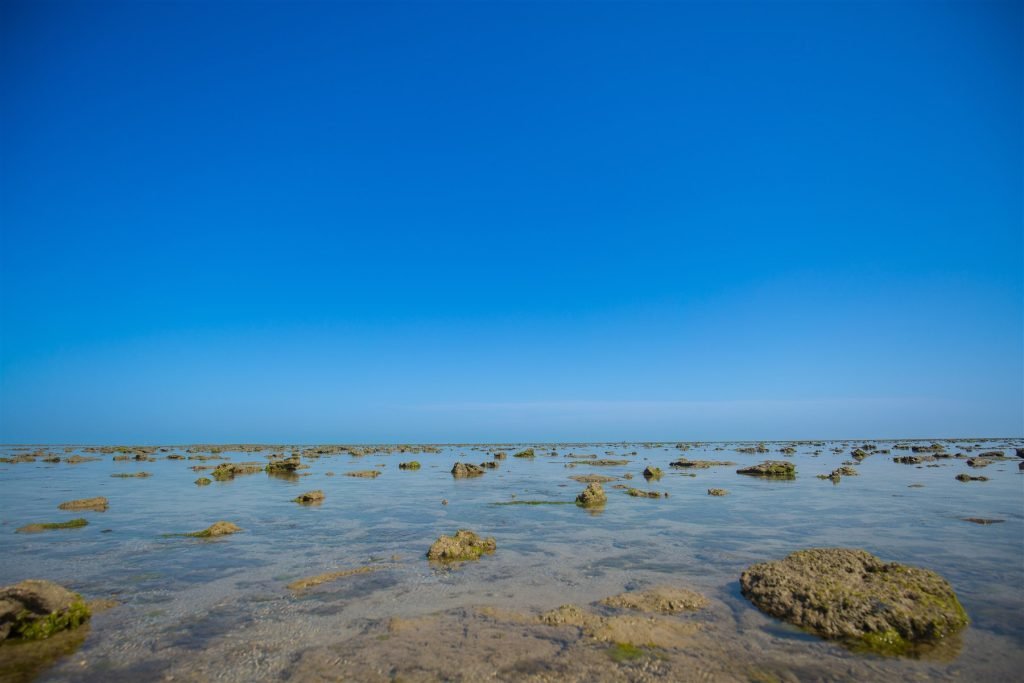
Narara Marine Park
India’s first — corals, islands & sea life
 HERITAGE
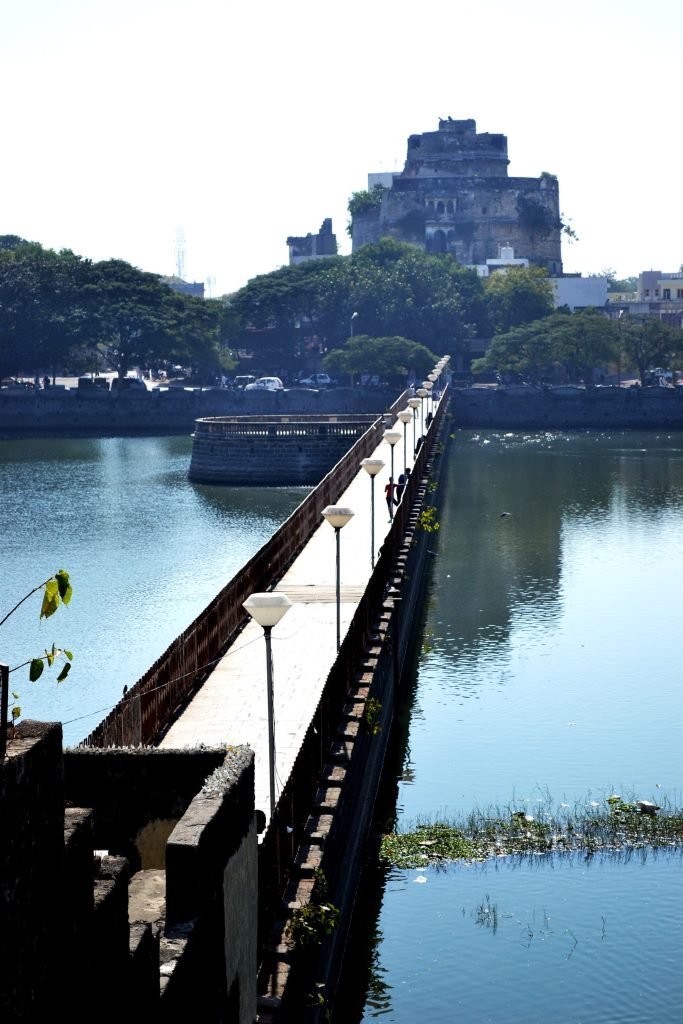
Bhujio Kotho
A historic fortified tower & water system
 WETLAND
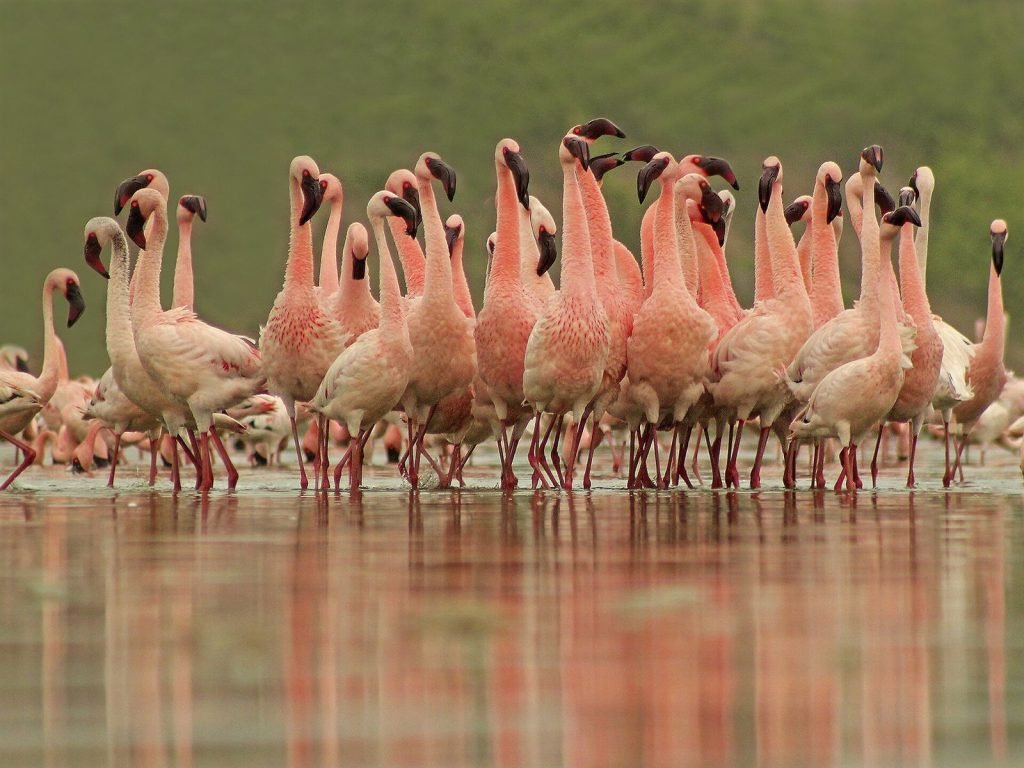
Rozi & Bedi Coast
Vast flamingo flocks in winter
Bhidbhanjan Mahadev
A revered city Hanuman shrine
ISKCON Jamnagar
A serene Krishna temple & centre
Where to eat near Khijadiya Bird Sanctuary
 THALI
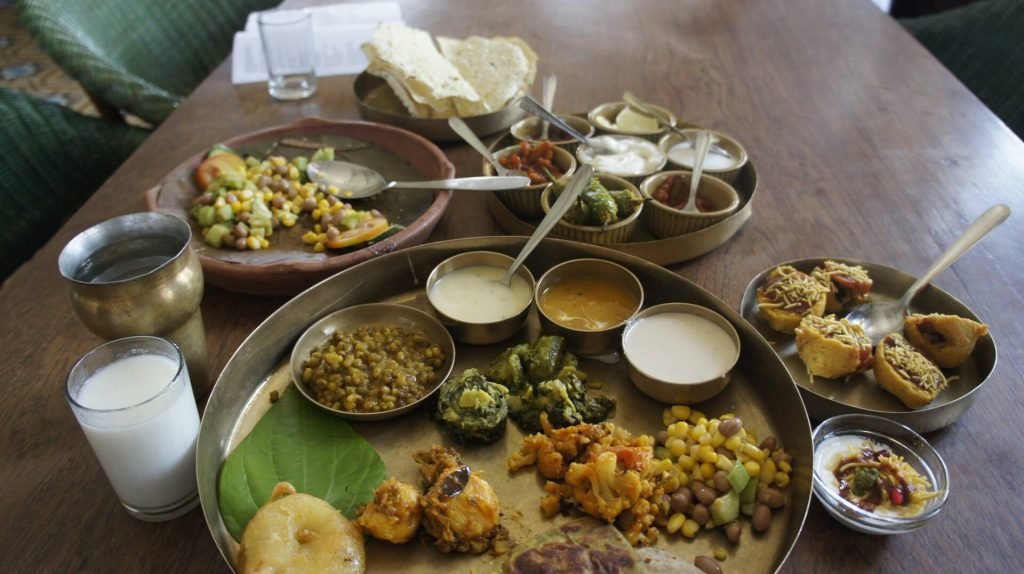
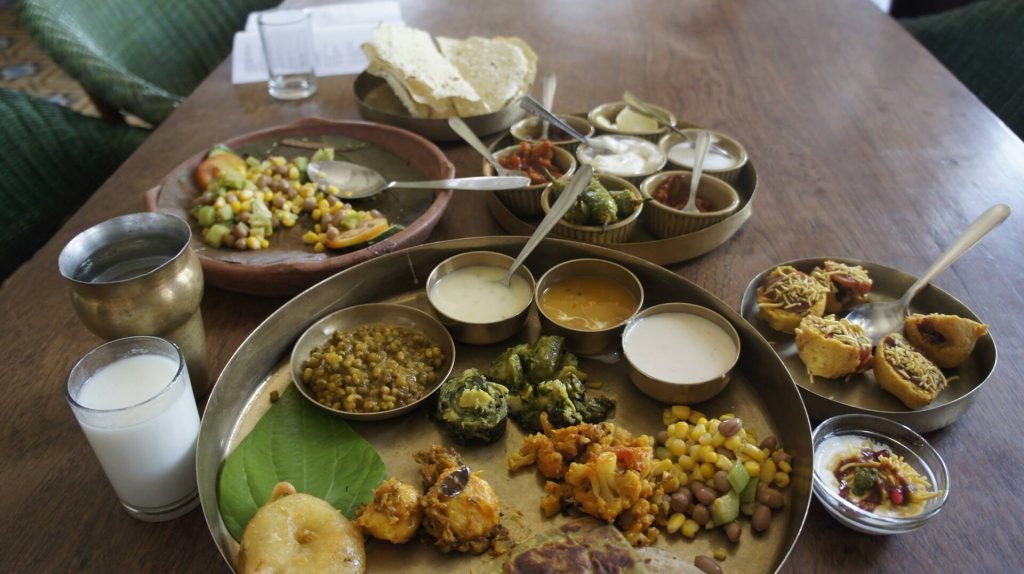
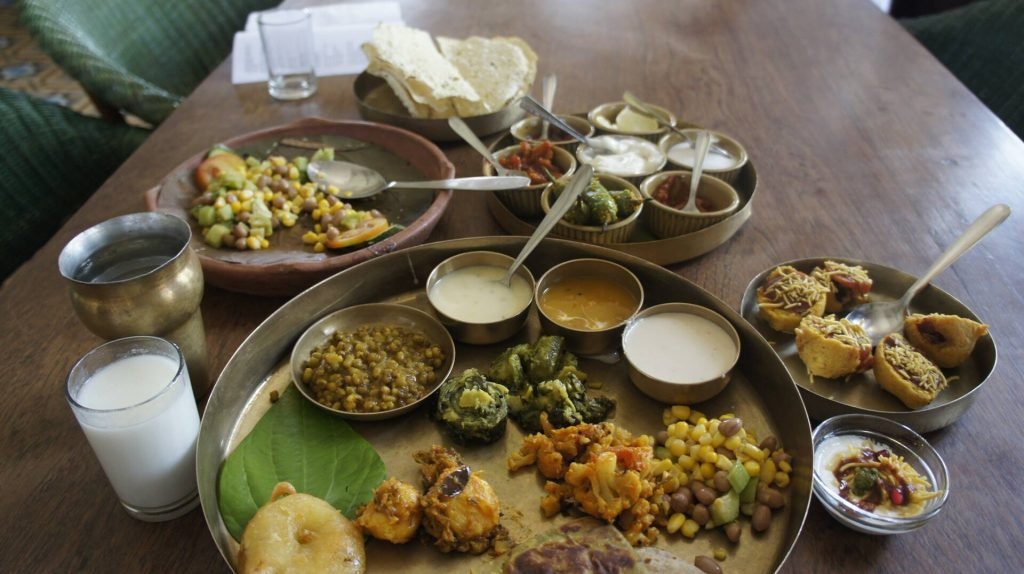
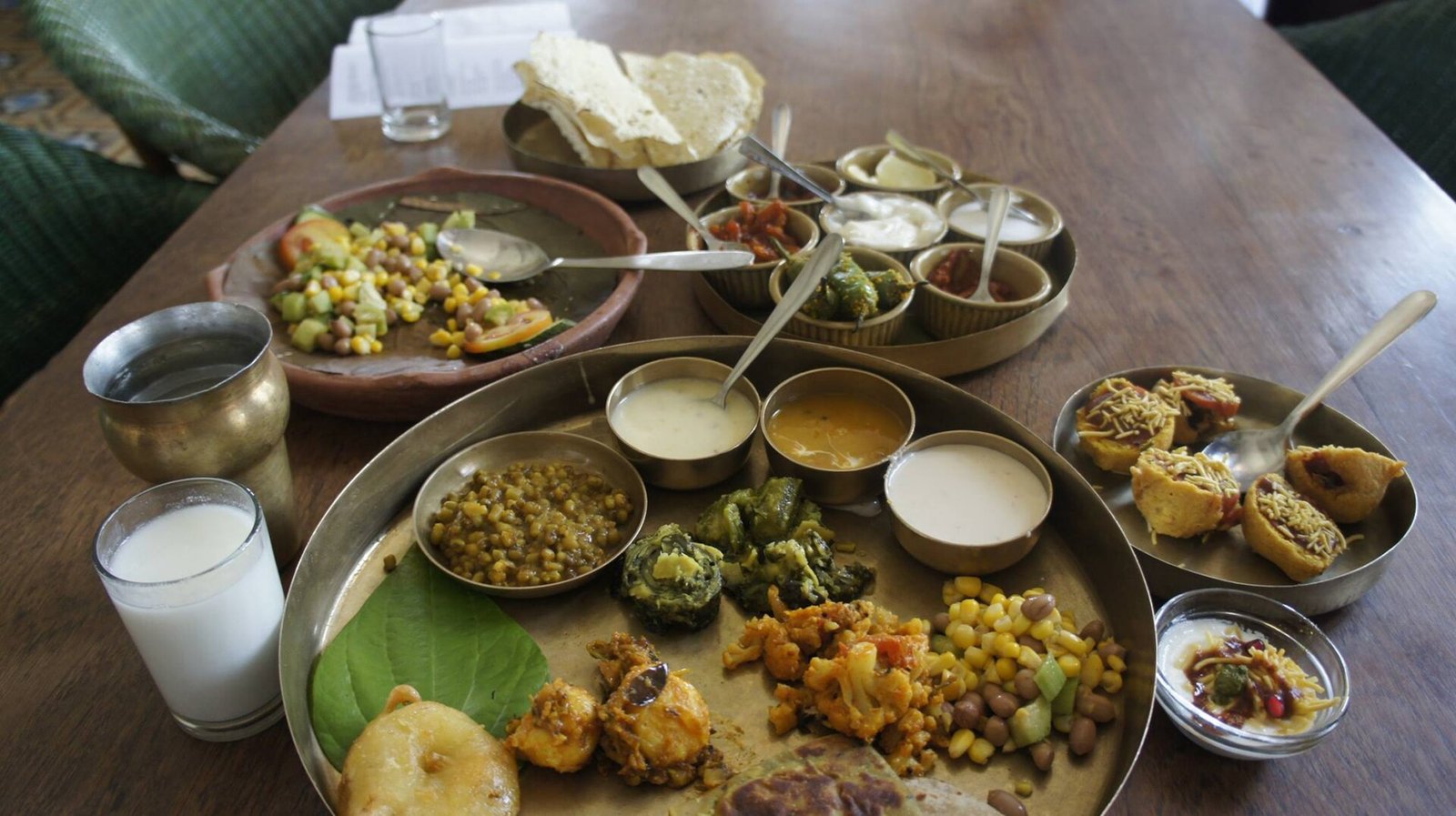
THALIKathiawadi Thali
Rotla, kadhi, shaak and ghee-rich fare.
 SNACKS
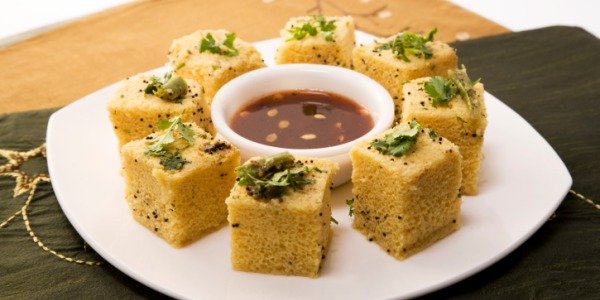
Ganthiya & fafda
Gathiya and farsan, a Saurashtra staple.
 STREET FOOD
Kachori & chaat
The old city's bustling bazaar snacks.
Pure-veg city
Jamnagar's food is largely vegetarian.
Khijadiya Bird Sanctuary FAQ
What is Khijadiya Bird Sanctuary?
A coastal wetland near Jamnagar, designated a Ramsar site of international importance in 2021, with more than 300 bird species recorded across its lakes, marshes and mangroves.
Why is it special?
It holds freshwater lakes and saline coastal marsh directly alongside each other, a rare combination that supports both freshwater and marine birds in the same small area.
What birds can I see?
Greater and lesser flamingos, pelicans, painted and black-necked storks, cranes, ducks and a long list of migratory waders that arrive each winter.
When is the best time?
Winter, between November and February, and at dawn. The migratory birds are present, the light is best, and the birds are actively feeding rather than resting.
Is there an entry fee?
Yes, a sanctuary entry ticket is required, bought at the gate. Check the day's opening times before travelling out.
How far is it from Jamnagar?
About 10 km from Jamnagar, close enough to be an easy early-morning trip from the city and back for breakfast.
What should I bring?
Binoculars above all, a long lens if you are photographing, plus water, a hat and sun protection. There is no shade on the trails.
Are there facilities?
Watchtowers overlooking the main water bodies and marked trails between them, which is how you see the birds without disturbing them.
Related places across Gujarat
 LAKE
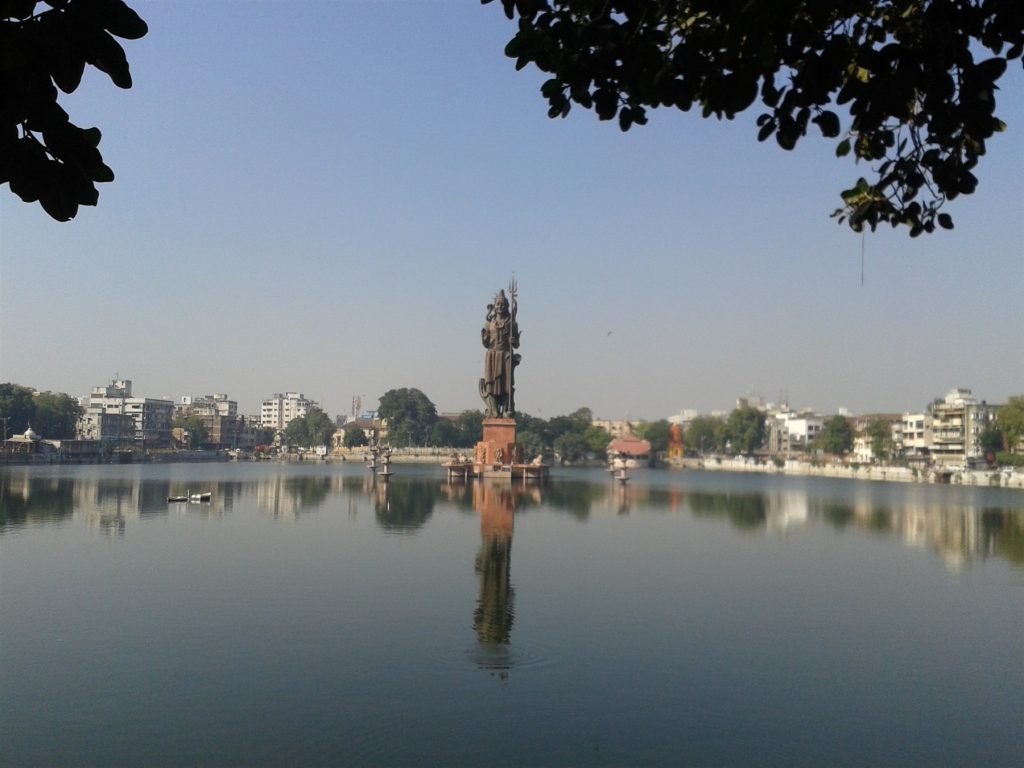
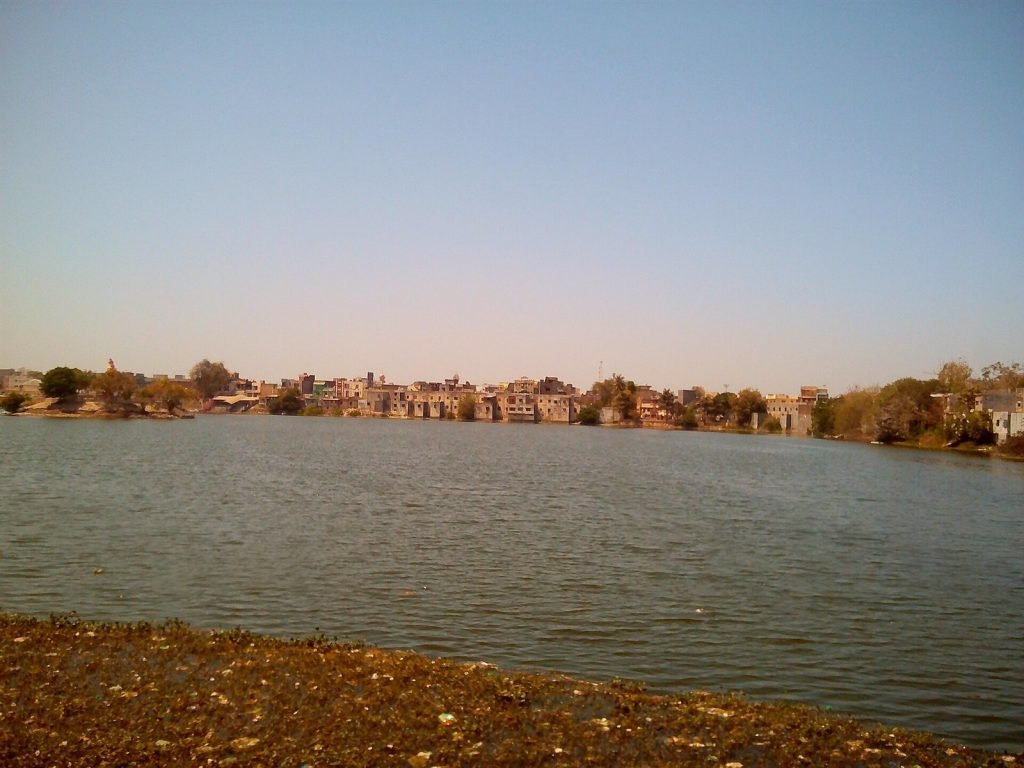
LAKESursagar Lake
A city lake crowned by a towering Shiva statue
 VILLAGES
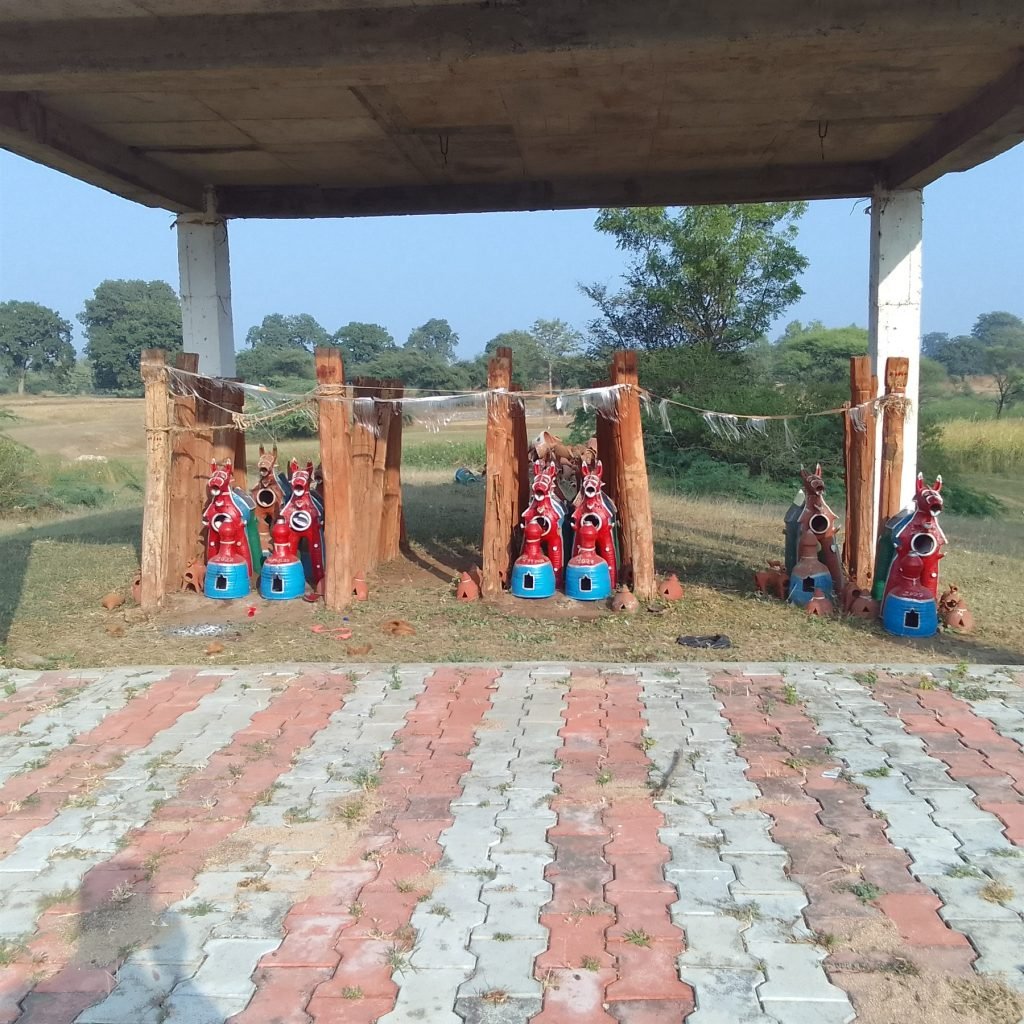
Garbada Tribal Belt
Living Bhil tribal hamlets
 HERITAGE
Virpur
An old town with a royal past
 6
6Tribal Haats
Colourful weekly markets of the Bhil belt
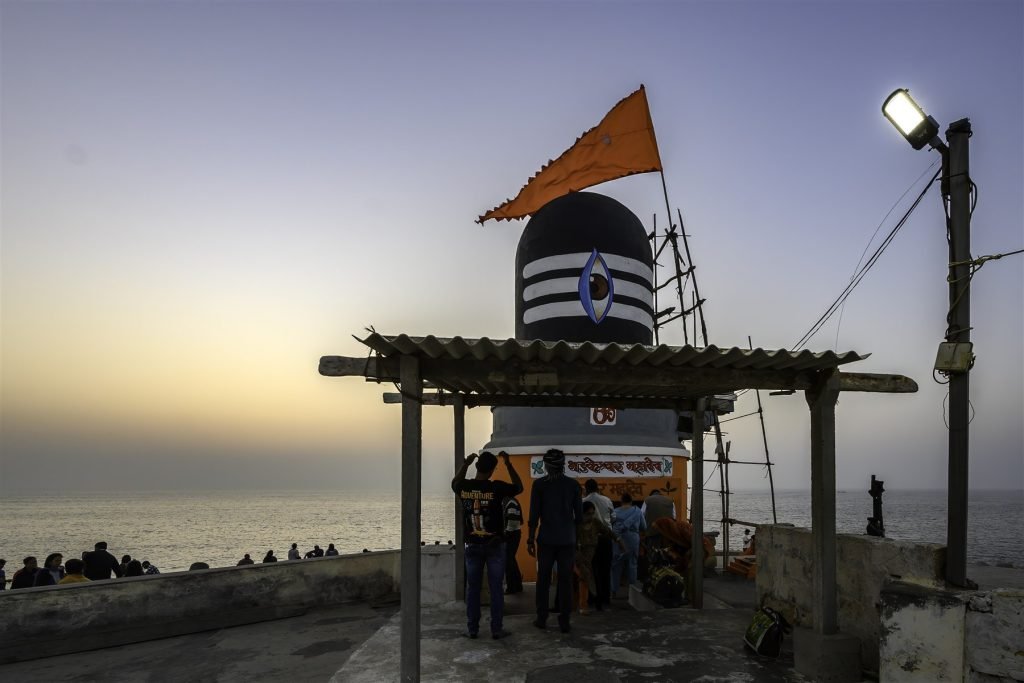
Bhadkeshwar Mahadev
Krishna’s five-storey Char Dham shrine
 HERITAGE
Kirti Mandir
The memorial beside Gandhi’s birth-house
WHERE TO STAY
Find your stay in Gujarat
Compare live prices across the big booking sites and reserve in a few taps. Booking happens securely on the partner's site — we may earn a small commission at no extra cost to you.
Book directly on our partner sites — tap a provider to see live Gujarat hotels & prices:
SHOP THE REGION
Bring home Gujarat — & travel essentials
Hand-picked crafts and trip gear, available on Amazon.
Published 24 June 2026 · Updated 24 August 2026
We’re an independent group of writers and travellers documenting every corner of Gujarat — one place, plate and festival at a time.