
Building ships by eye and memory
Mandvi was once the bustling port of the Kutch kingdom, its merchant fleets trading across the Arabian Sea to Africa and the Gulf. That seafaring legacy lives on at the shipbuilding yard on the banks of the Rukmavati river, where craftsmen still build huge wooden dhows entirely by hand.
Working without formal blueprints — by eye, memory and inherited skill passed down the generations — teams shape massive timber hulls over many months, the great curved ribs rising like the skeletons of whales along the riverbank. The finished vessels, some enormous, are still exported to buyers across the Gulf, a trade that has continued for centuries.
To stand among the half-built hulls, amid the smell of sawn wood and the ring of mallets, is to witness a 400-year-old craft in action — one of the most remarkable living-heritage sights on Gujarat’s coast.
Watching the work explains why buyers in the Gulf still pay for it. The master builder — the ustad — carries the whole vessel in his head, scaling from a wooden template and experience; teams shape sal and other hardwoods with adze and chisel, drive long iron fastenings by hand, and caulk the seams with cotton and fish oil in the old manner. A large dhow can take two years and crores of rupees to complete, and launches — the hull walked down to the river on greased ways — are neighbourhood festivals when they come.
The yard lines the Rukmavati’s bank just inside Mandvi’s bridge, and wandering it is free and generally welcomed — keep clear of the work, ask before close photographs, and someone will usually talk you through the hull nearest completion. Pair the visit with Vijay Vilas Palace and the beach for Mandvi’s classic day, and the dabeli carts for its classic lunch; October to March gives the kindest weather for standing about in sawdust, happily losing an hour.
Dhows built by eye, without a drawing
A hand-built hull.
Mandvi flourishes as the kingdom's trading port on the Arabian Sea.
Its merchant dhows sail to Africa, Arabia and the Gulf.
Shipwrights build wooden dhows by hand on the Rukmavati.
The yard still builds and exports great wooden vessels.
Reasons to make the time
Living heritage
A 400-year-old craft still at work.
Giant dhows
Huge wooden ships built by hand.
By eye
Built without formal blueprints.
Maritime past
Echoes of Kutch's seafaring trade.
See it happen
Watch hulls take shape riverside.
Still exporting
Vessels sold across the Gulf today.
What to look for inside
Ships in the making
Timber ribs rising like whale skeletons on the bank.
Shipwrights at work
Hand-built, by skill and memory.
How to spend an hour or two
Walk the riverbank
See the dhows under construction.
Watch the shipwrights
Observe the hand-building in action.
Grasp the scale
Take in the size of the hulls.
Learn the trade
Hear about Mandvi's seafaring past.
Be respectful
It's a working yard — mind the work.
Pair with Mandvi beach
Combine it with the nearby coast.
Timber, ribs and the shipwright's eye
A Mandvi dhow begins as a keel and a set of curved timber ribs, raised on the open riverbank rather than in a covered dock. Working from experience rather than drawings, the shipwrights fix plank upon plank to the frame, shaping the great hull by eye over many months until it is ready to be floated down the Rukmavati to the sea.
The tools are largely traditional and the knowledge is oral — handed from master to apprentice across generations. The result is a vessel of real size and seaworthiness, built almost entirely by human skill.
Our Kutch travel guide maps out the other places worth your time here.
Hand-built wooden hulls
No formal blueprints
Riverbank open-air yard
Months of skilled labour
When to go
Cool and clear — the best season for Kutch and the Rann.
The grasslands green up; the Rann floods — access is limited.
Very hot and dry — visit early or late; the Rann bakes.
⏰ Visit by day to see the shipwrights at work, and pair it with Mandvi's beach and Vijay Vilas Palace.
Timings & entry
- Best viewed during working daylight hours
- It is an active yard — keep clear of the work
- Ask before photographing workers
- Allow about an hour
- Viewing from the riverbank is free
- Mind your footing around the yard
- Do not disturb the working shipwrights
- Combine it with Mandvi's other sights
Getting there
By Air
Bhuj Airport (~60 km) is the nearest.
By Rail
Bhuj or Gandhidham, then road to Mandvi.
By Road
On the Rukmavati at Mandvi, ~60 km from Bhuj.
At the yard
TIMBER & TRADE
Great hulls rising on the river
What to shoot
The towering hulls and curved ribs.
Detail
Tools, timber and the shipwrights' hands.
Be courteous
Ask before photographing workers.
Best light
Soft morning or late-afternoon light.
Know before you go
More to see close by
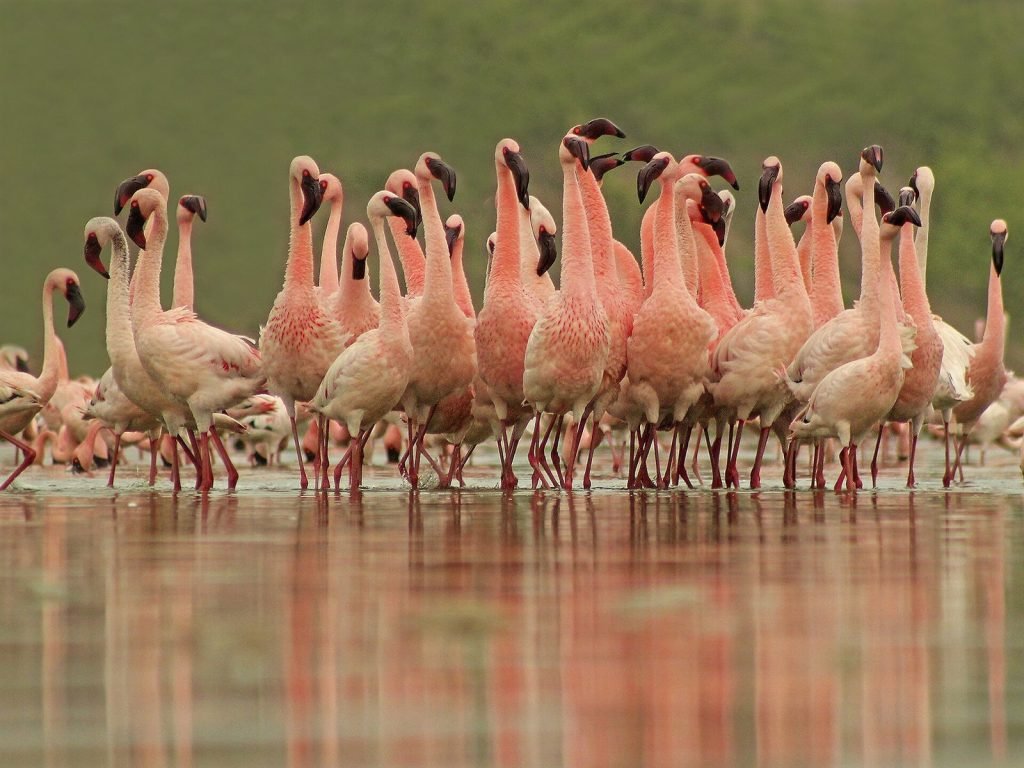 WETLAND
Chhari Dhand
A seasonal wetland of flamingos & raptors in Banni
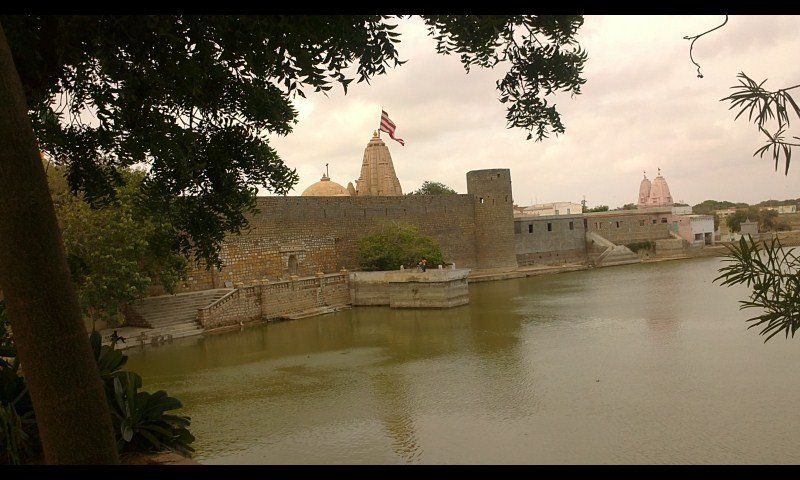 SACRED
Narayan Sarovar
One of Hinduism’s five holy lakes, by Koteshwar
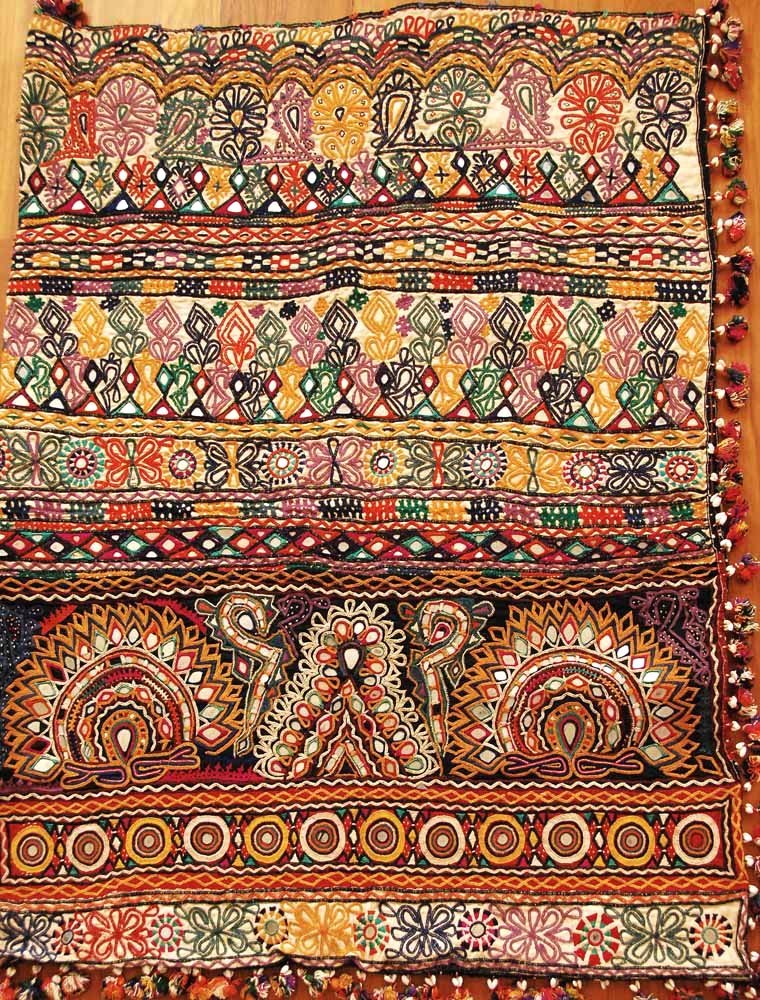
Craft Villages
◐ Colour & artisans
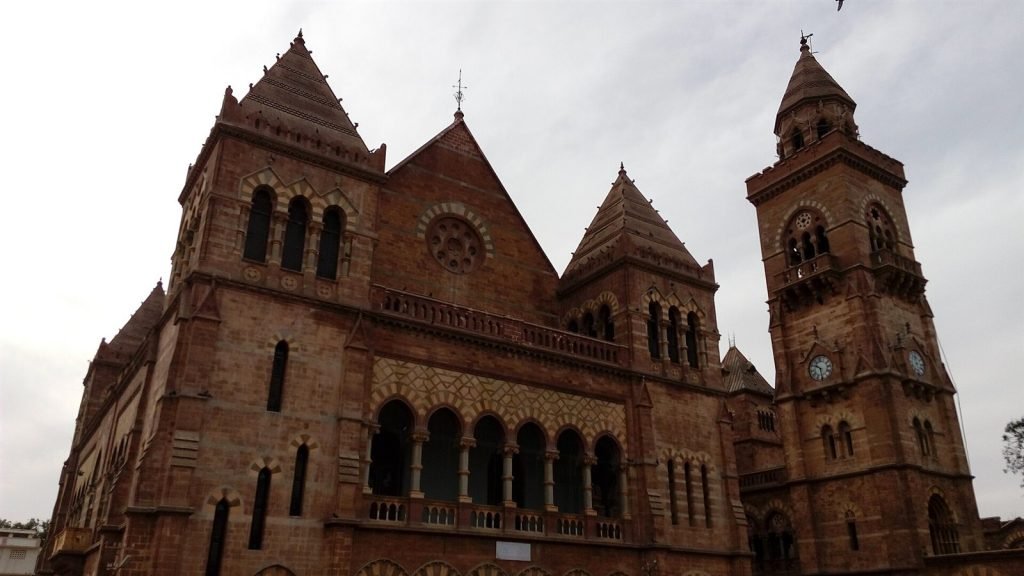 HERITAGE
Bhuj
The walled royal capital — palaces, bazaars & museums
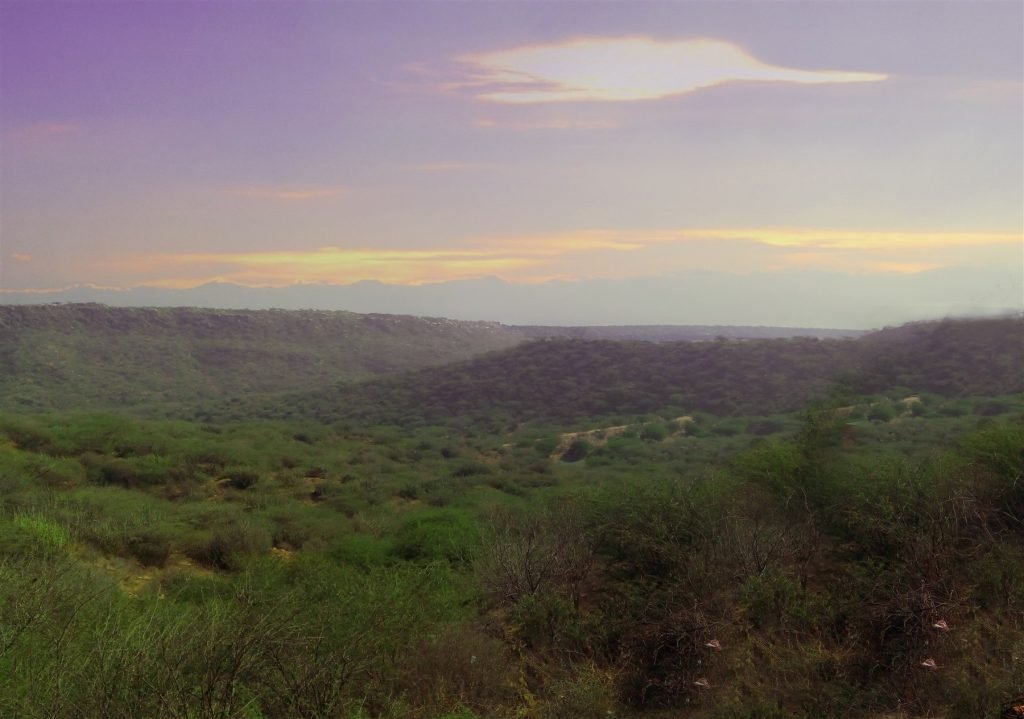 VIEWPOINT
Kalo Dungar
Kutch’s highest point, gazing over the white Rann
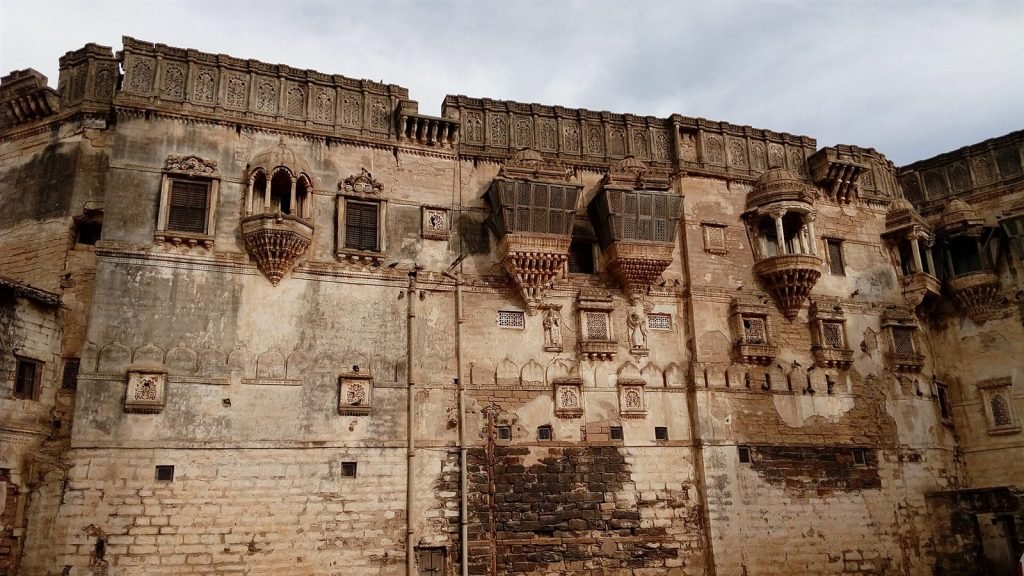 PALACE
Aina Mahal
The 18th-century ‘Hall of Mirrors’
Where to eat near Mandvi Shipbuilding
Kutchi Dabeli
The sweet-spicy potato bun born in Mandvi.
Kutchi Thali
Bajra rotla, kadhi, khichdi and ghee.
Ganthiya & farsan
Gathiya, fafda and fried snacks.
Largely vegetarian
Kutch's food is mostly pure-veg and dairy-rich.
Mandvi Shipbuilding FAQ
What is the Mandvi shipbuilding yard?
A riverside yard where wooden dhows are still built by hand, continuing a 400-year tradition.
Where is it?
On the banks of the Rukmavati river at Mandvi, Kutch.
Are ships still built there?
Yes — large wooden dhows are still built and exported to the Gulf.
How are they built?
By hand, from experience and memory, without formal blueprints.
Can I watch?
Yes — you can view the yard from the riverbank.
Is there an entry fee?
No; viewing is free, but it's a working yard, so take care.
How far is it from Bhuj?
About 60 km.
What else is nearby?
Mandvi beach and the Vijay Vilas Palace.
Related places across Gujarat
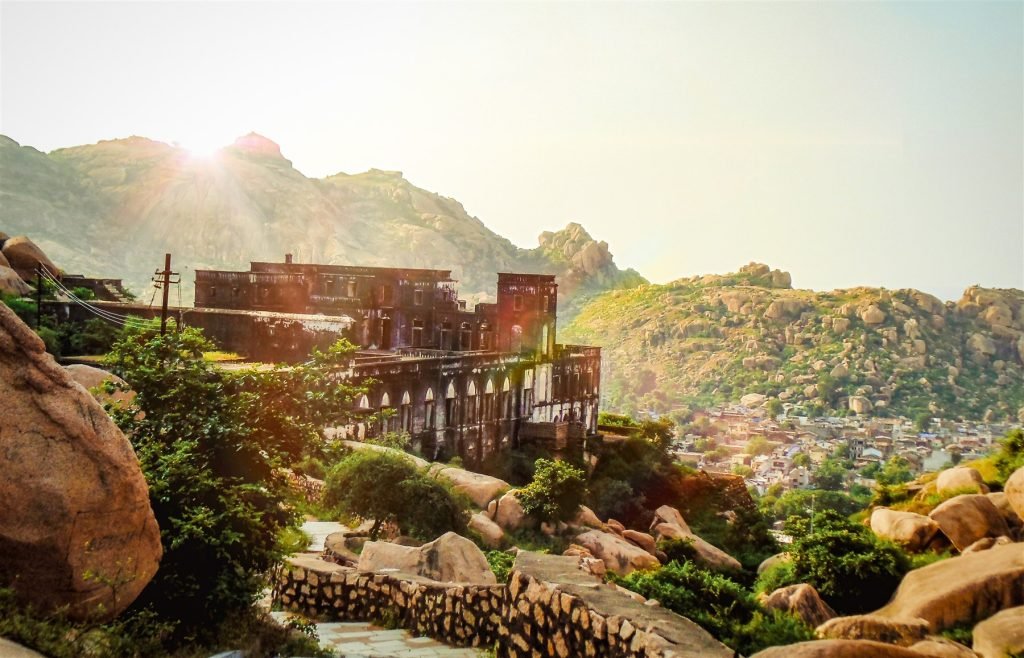 HILL FORT
Idar Hill & Fort
A granite stronghold over the town
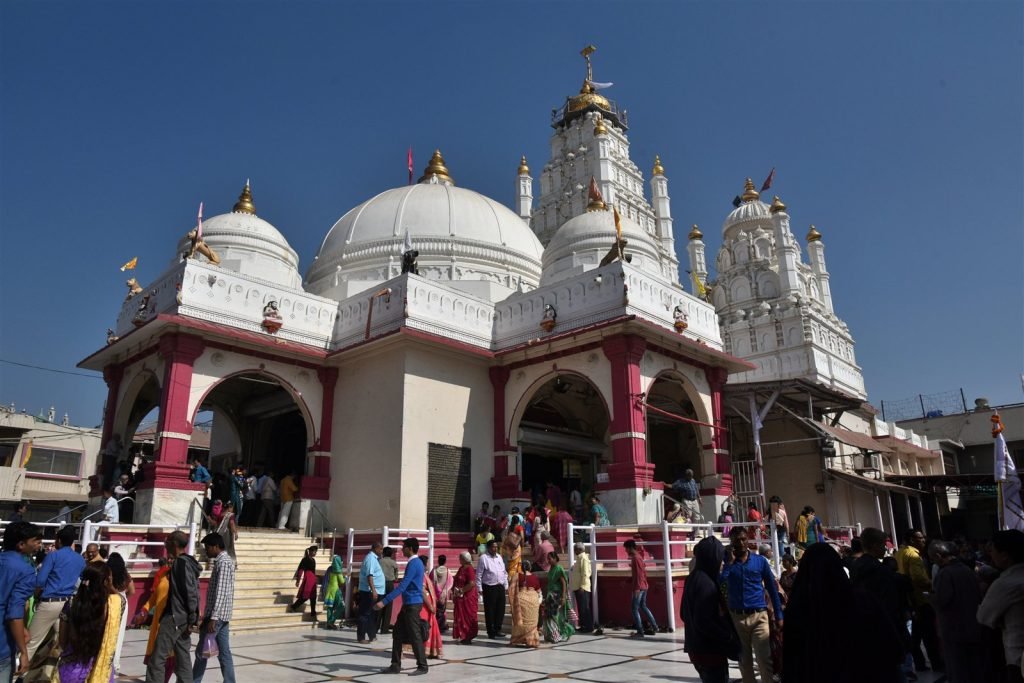
Gadhada Gopinath
Swaminarayan’s sandstone temple at Gadhpur
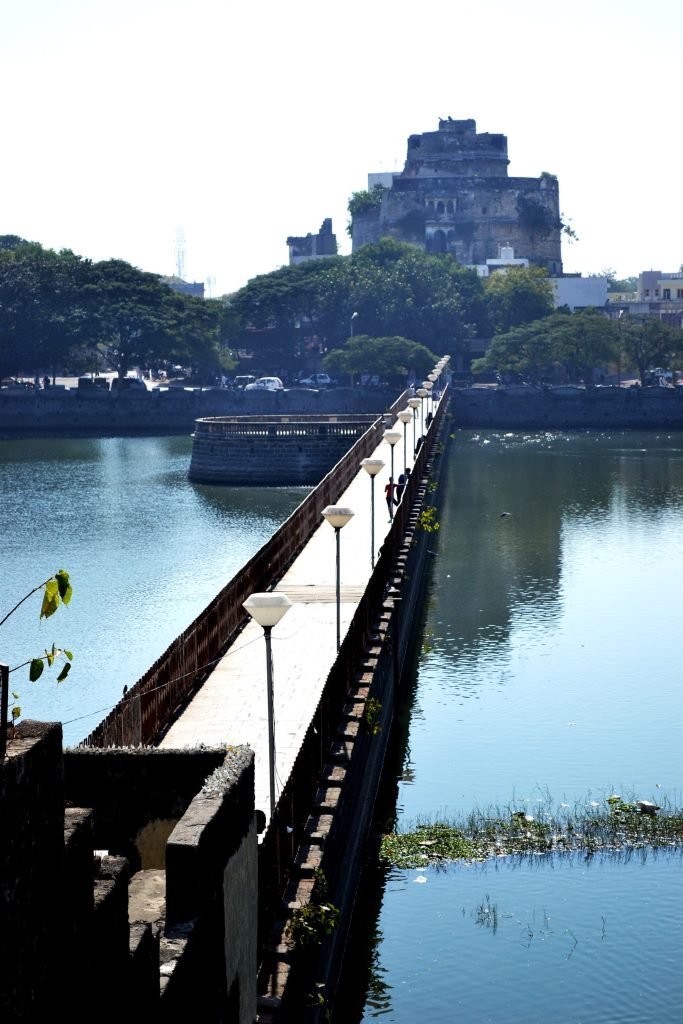 HERITAGE
Bhujio Kotho
A historic fortified tower & water system
 HERITAGE
Danta
An old princely town in the hills
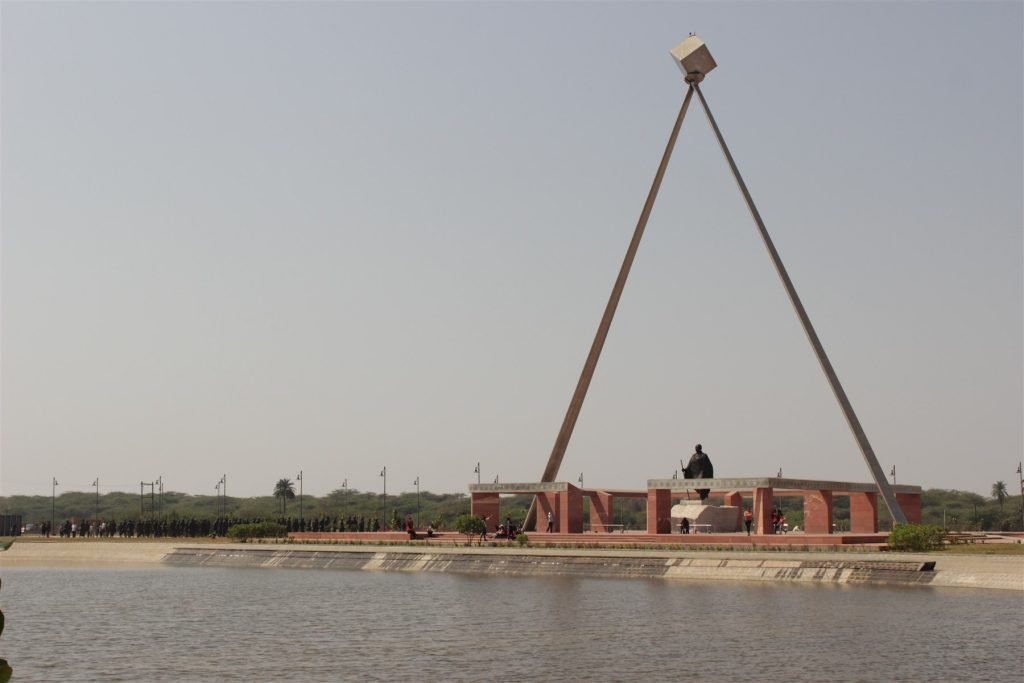 MEMORIAL
National Salt Satyagraha Memorial
The grand national monument at Dandi
 4
4Kapadvanj Torans
Ancient ornamental gateways of a faded town
WHERE TO STAY
Find your stay in Gujarat
Compare live prices across the big booking sites and reserve in a few taps. Booking happens securely on the partner's site — we may earn a small commission at no extra cost to you.
Book directly on our partner sites — tap a provider to see live Gujarat hotels & prices:
SHOP THE REGION
Bring home Gujarat — & travel essentials
Hand-picked crafts and trip gear, available on Amazon.
Published 24 June 2026 · Updated 24 August 2026
We’re an independent group of writers and travellers documenting every corner of Gujarat — one place, plate and festival at a time.