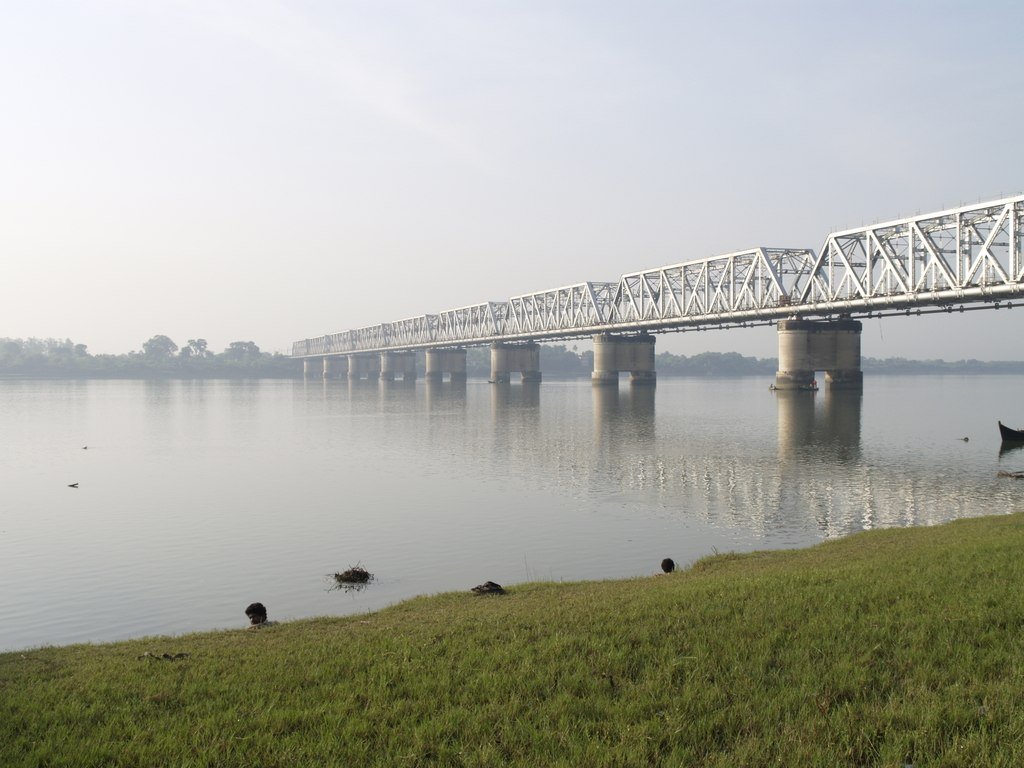
The Narmada is among the most sacred rivers in India — so holy that pilgrims undertake the Narmada Parikrama, a circumambulation of its entire length on foot, and that even its stones (banalingas) are revered as forms of Shiva. Along the river’s ghats in Narmada district, the evening aarti is a moving ritual of devotion: lamps are lit and circled, bells ring, conches sound and chants rise as the day fades over the water, honouring ‘Maa Narmada’ as a goddess and mother.
Pilgrimage towns and ghats along the river — at Garudeshwar, Karnali, Chandod and elsewhere — are centres of this riverside worship. A serene, spiritual counterpoint to the region’s modern wonders. (Public ghats; respectful attendance; free.)
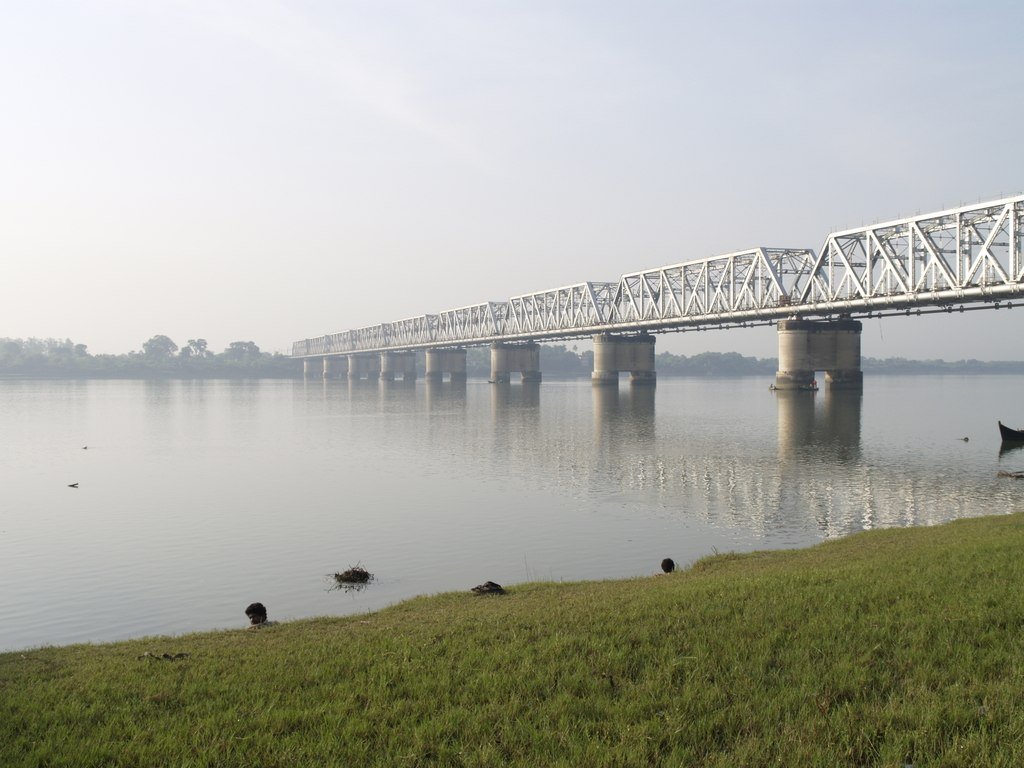
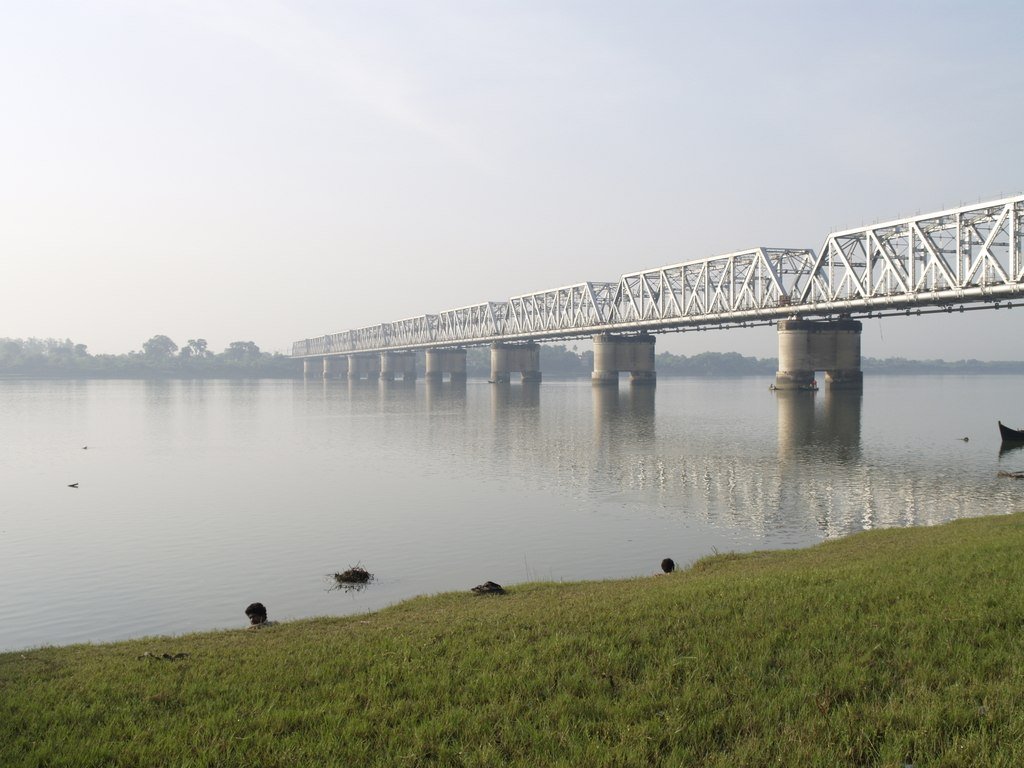
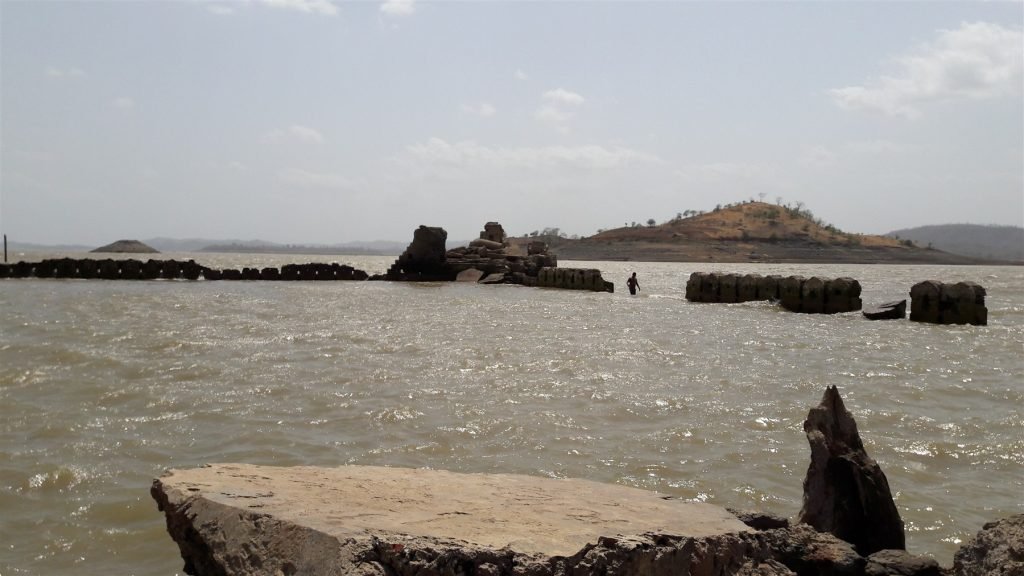
The Narmada river.
The sacred river at dusk.
The Narmada ranks with the Ganga among India's holiest rivers, and is unusual in that darshan of the river itself is held to be purifying, without bathing.
The Narmada Parikrama circumambulates the river's entire length on foot — roughly 2,600 km down one bank and back up the other, taking pilgrims several months.
Banalingas, the smooth stones found in the riverbed, are revered as natural forms of Shiva and are used in worship across India.
The evening aarti on the ghats is the river's daily act of worship — lamps circled over the water, bells, conches and chanting as the light goes.
Lamps are circled over the water while bells and conches sound and the chanting builds — the standard form of a river aarti.
The river is addressed as Maa Narmada, a goddess in her own right rather than a river associated with one.
Parikrama pilgrims pass through continuously, identifiable by their staffs and bundles, and the ghats are fixed halts for them.
The aarti is short — twenty minutes or so — but it is the moment the ghats fill and the day's rhythm turns.
Garudeshwar, Chandod and Karnali are the best-known ghats in this stretch, each with its own aarti.
Even outside the aarti the ghats are quiet, shaded places to sit, and most people stay longer than they planned.
THE RIVERThe Narmada itself — wide, slow and held sacred along its entire length.
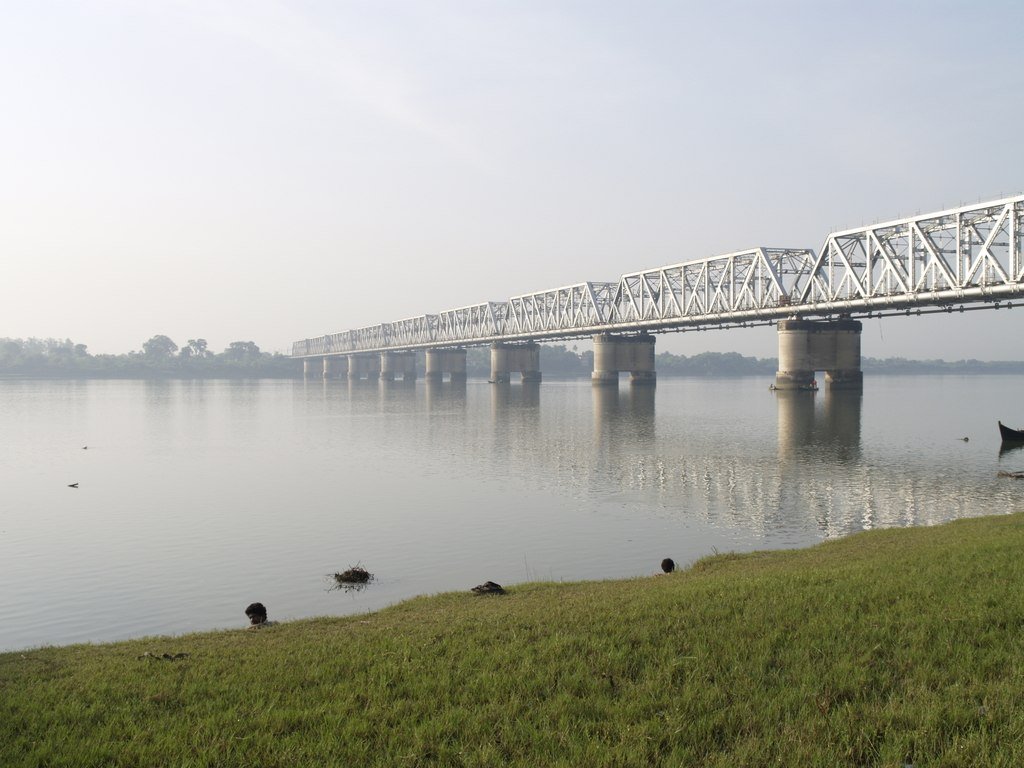
THE AARTIThe evening aarti, with lamps circled over the water as the light fades.
Be on the ghats at dusk, when the aarti is performed and the steps fill.
Watch the lamps circled over the water and then floated out to drift downstream on the current.
Listen for the bells and conches, which mark the stages of the ritual and carry across the river.
Note that the river is worshipped as Maa Narmada — a goddess, not merely a sacred waterway.
Look out for parikrama pilgrims walking the full length of the river over several months.
Stay on after the aarti. The ghats empty quickly and the river at night is the better half of the visit.
The Narmada ghats.
The Narmada is one of India’s holiest rivers, revered as a goddess and circumambulated by pilgrims on the Narmada Parikrama. Along its ghats — at Garudeshwar, Karnali, Chandod and beyond — the evening aarti honours ‘Maa Narmada’ with lamps, bells and chants. A serene spiritual counterpoint to the region’s modern wonders.
Planning more of the area? Our Narmada guide covers the whole district.
Worship of a sacred river
Evening lamp aarti
The Narmada Parikrama
Riverside ghat towns
November to February is the best season — comfortable evenings on the steps and clear light over the water.
The monsoon fills the river and the surrounding hills turn green, though heavy rain can disrupt the aarti.
April to June is hot; come only for the evening aarti, not for the ghats by day.
⏰ Visit in the cooler months; the waterfalls are fullest just after the monsoon.
Vadodara airport (~90 km).
Ekta Nagar (Kevadia) station.
Kevadia / Rajpipla.
RIVER & RITUAL
Lamps at aarti.
The river at dusk.
Be considerate.
Sunset over water.
NATUREA vast green nursery & arboretum
SACREDA Dattatreya shrine on the Narmada
WATERFALLA monsoon cascade inside the sanctuary

A revered Dattatreya temple on the Narmada
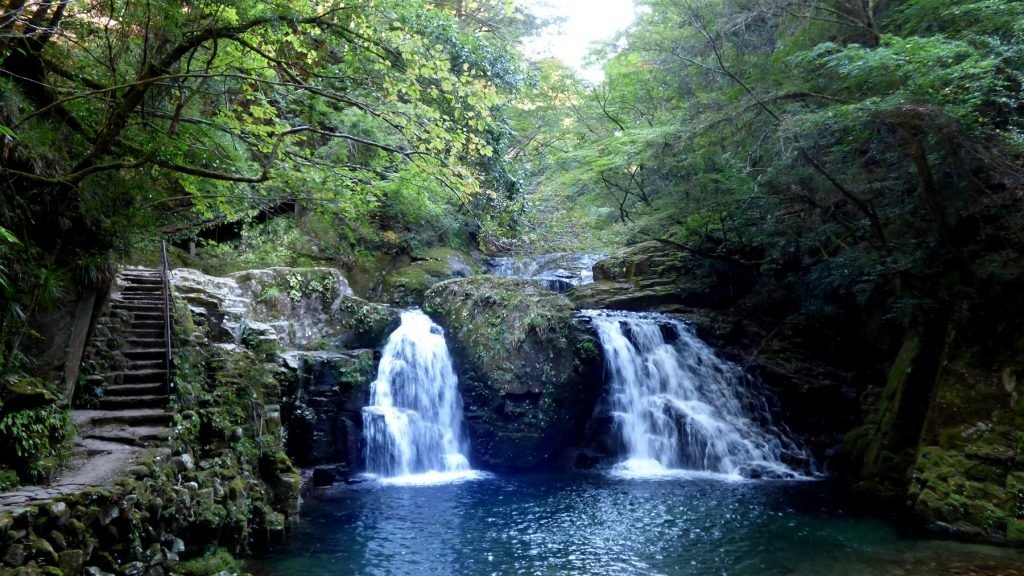
FORESTA tiered fall deep in tribal forest

A forest Shiva shrine that named the sanctuary
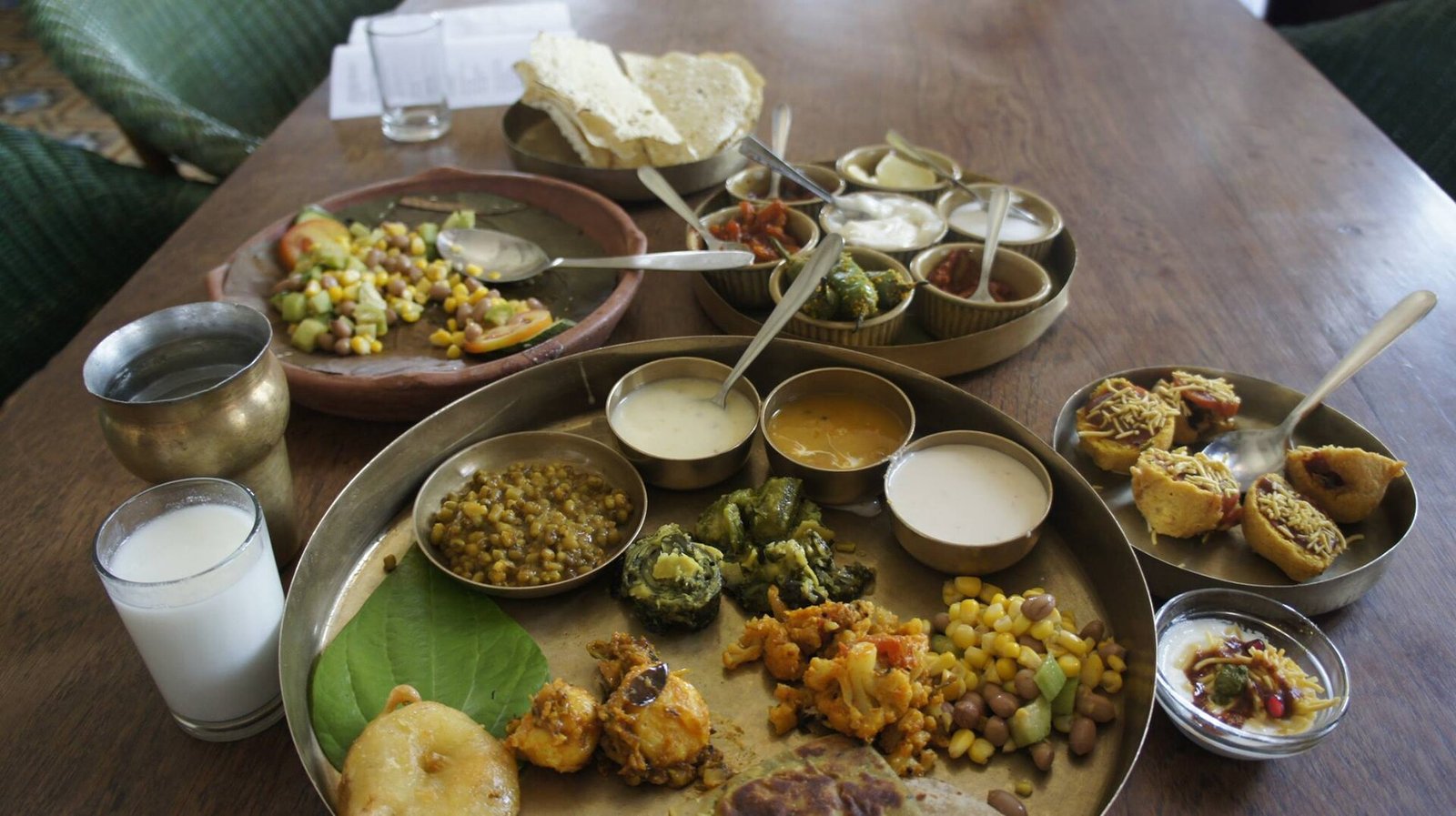
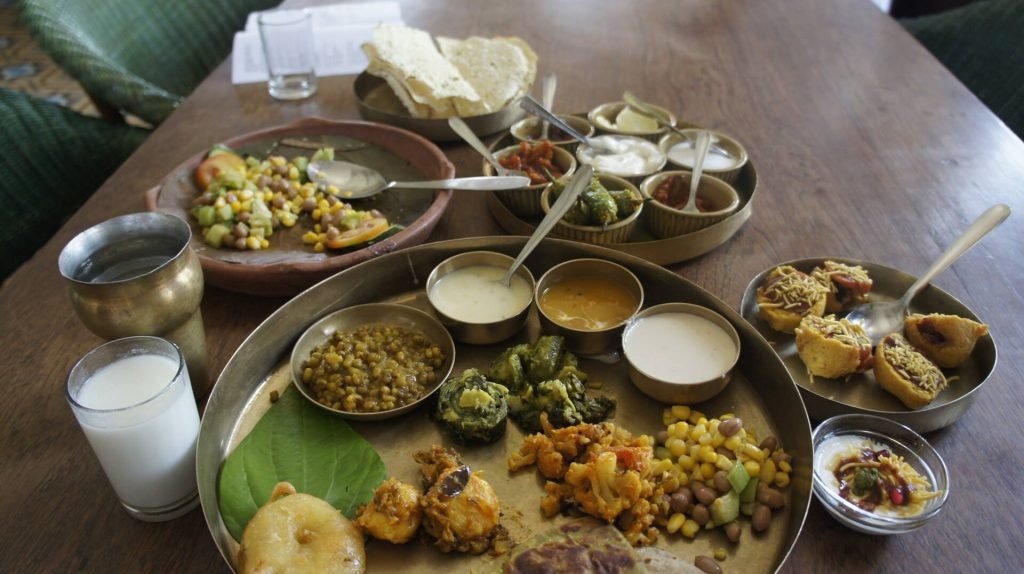
THALIFull sweet-savoury meals.
FARSANSteamed snacks.
STREETSnacks for visitors.
Gujarati & tribal food; Kevadia food courts.
The Narmada is among the most sacred rivers in India — so holy that pilgrims undertake the Narmada Parikrama, a circumambulation of its entire length on foot, and that even its stones (banalingas) are revered as forms of Shiva. Along the river's ghats in Narmada district, the evening aarti is a moving ritual of devotion: lamps are lit and circled, bells ring, conches sound and chants rise as the day fades over the water, honouring 'Maa Narmada' as a goddess and mother.
Narmada ghats, Narmada district.
Free.
October to March; waterfalls after the monsoon.
The Statue of Unity, Sardar Sarovar Dam and Kevadia.
1 hour.
Site of Gandhi’s 1918 farmer revolt
Seasonal whale sharks off the shore
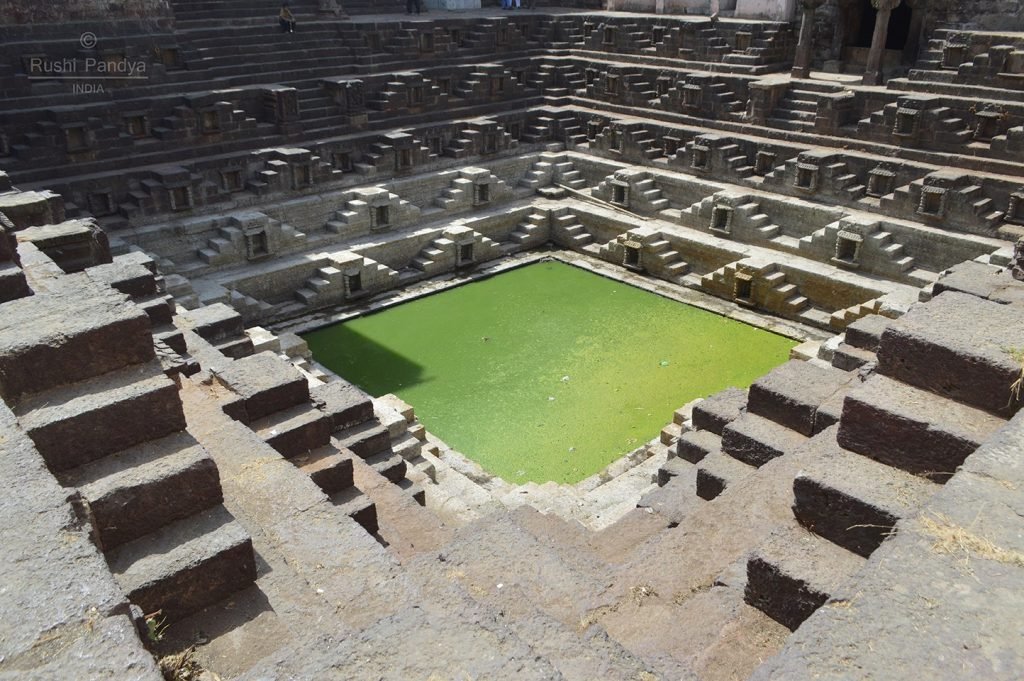
STEPWELLCarved vavs of the prosperous belt
OLD TOWNAncient torans and a carved stepwell
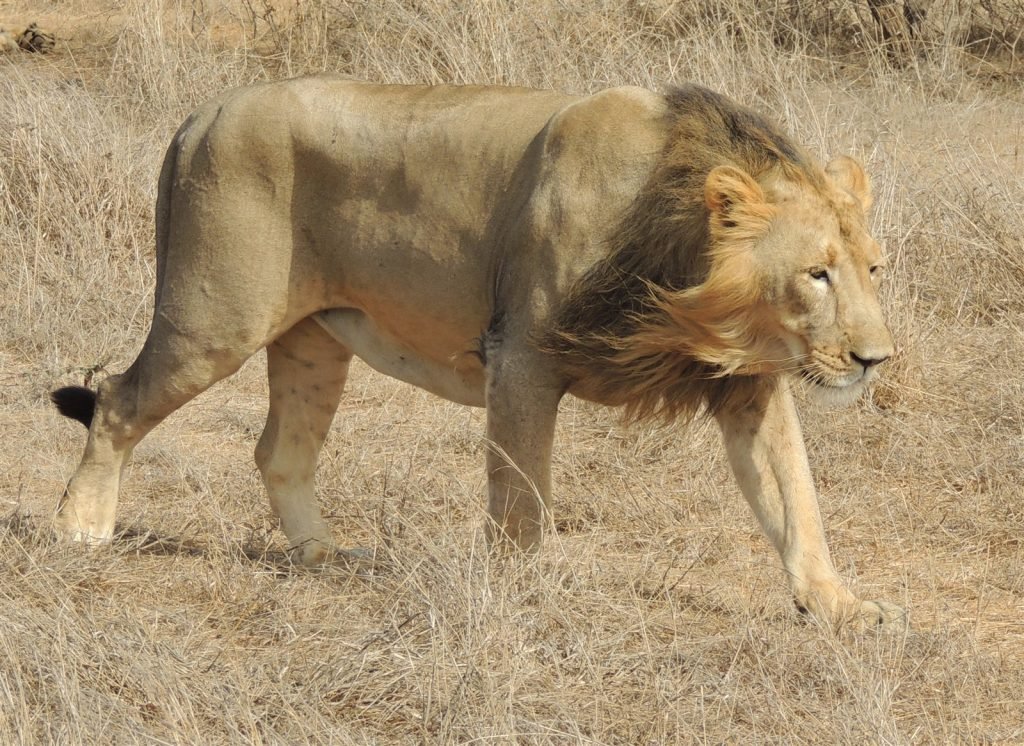
WILDLIFEAmreli shares Gir, the lion’s last natural home
WILDLIFESpot deer, birds & the odd leopard
WHERE TO STAY
Compare live prices across the big booking sites and reserve in a few taps. Booking happens securely on the partner's site — we may earn a small commission at no extra cost to you.
Book directly on our partner sites — tap a provider to see live Gujarat hotels & prices:
SHOP THE REGION
Hand-picked crafts and trip gear, available on Amazon.
Published 24 June 2026 · Updated 24 August 2026
We’re an independent group of writers and travellers documenting every corner of Gujarat — one place, plate and festival at a time.
Search Gujarat Explorer
Find places, food, festivals and travel guides across Gujarat
Press Enter to search — or Esc to close
Plan Your Trip
Gujarat Explorer is an independent travel guide. We’re happy to help you shape an itinerary and point you to the right places, stays and experiences across Gujarat.
Book a Cab