
Gujarat has just one true hill station — Saputara — but the southern hills around Dharampur and the Dangs hide viewpoints, lakes and waterfalls that stay green long after the plains dry out.
Here's where to escape the heat and how to time it with the monsoon.
Escaping the heat at Gujarat hill stations
Gujarat hill stations are a short list with one clear star. Saputara, perched around 1,000 metres in the Dang district near the Maharashtra border, is the state's only formal hill station, and it carries that title with a certain pride. The name means "abode of serpents", and the small town wraps around a boat-lake ringed by viewpoints, terraced gardens and a ropeway climbing to Sunset Point. After the flat, hot plains of central Gujarat, the cool air and rolling green ridges feel like a different country entirely, which is exactly why families from Surat and Ahmedabad have driven up here for generations to catch their breath.
The appeal shifts with the calendar. Monsoon, from July to September, turns the whole plateau emerald, with mist pouring over the ghats and waterfalls appearing on every slope, though heavy rain can close viewpoints for hours at a stretch. Winter brings crisp, clear mornings ideal for the lake, the tribal museum and the honey and bamboo craft nearby. Saputara stays comfortable even in the pre-monsoon weeks when the cities swelter past forty degrees, so it works as a genuine bolt-hole from the heat. Weekends fill quickly, so midweek visits reward you with quieter roads and easier rooms.
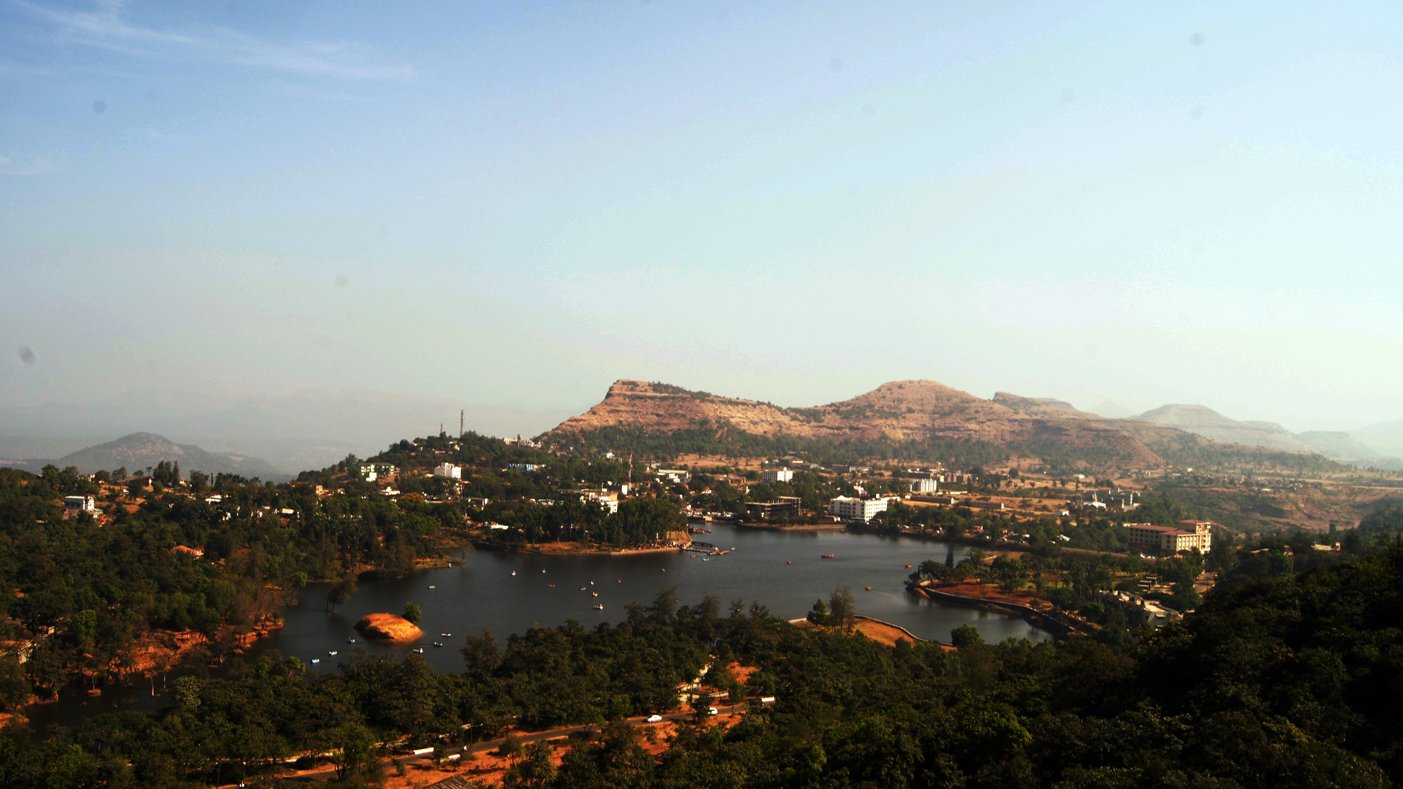
Saputara, Wilson Hills and the cool green corners of the Dangs.
Beyond Saputara: Wilson Hills and the Dangs
For travellers who want quiet over facilities, Wilson Hills near Dharampur in Valsad district is the alternative. Named after a former Bombay governor, this less-visited plateau overlooks the coastal plain and, on clear evenings, the distant shimmer of the Arabian Sea. There is little commercial development, which is precisely the point; you come for the Pangarbari viewpoint, the old stone bungalow and the empty roads winding through teak forest, not for cafes and toy trains. Bring your own food and fuel, because services thin out fast once you leave the main highway and climb into the hills proper.
The wider Dangs district is really the hill country itself, a belt of forested ridges, tribal villages and seasonal streams that reward slow exploration by car rather than a fixed itinerary. Around Saputara you can string together the Gira and Girmal waterfalls, honey and bamboo craft villages, and the Purna and Vansda sanctuaries where leopard, hornbill and giant squirrel still hold on. Come soon after good rains and the whole region runs green and loud with water, every culvert a small cascade; come in winter and it settles into cool, clear days made for walking, birdwatching and long, unhurried views across the ranges.
Explore Hill Stations
Saputara: Two Cool Days in Gujarat’s Only Hill Station
A first-person Saputara hill station guide: monsoon greenery, lake boating, the ropeway, sunset points…
Wilson Hills: The Quiet Plateau Above Dharampur
Wilson Hills near Dharampur is a quiet monsoon plateau above Valsad. A first-person guide…
Saputara & the Dangs: Gujarat’s Only Hill Station
A Saputara travel guide to Gujarat's only hill station: the lake, ropeway, sunset point,…
Ukai Dam: A Quiet Weekend Lake Near Surat
Ukai dam in Tapi district is a quiet weekend lake near Surat. A first-person…
Chasing Monsoon Waterfalls in the Dangs
Chasing Gujarat monsoon waterfalls in the Dangs? Where Gira, Shankar and Zarwani run July…
Gujarat's high ground
The state has exactly one developed hill station, and a scatter of quieter high country around it that most visitors never reach. Saputara, at around a thousand metres in the Dangs on the Maharashtra border, is the headline: a small planned resort town built around a lake, with a ropeway, a string of viewpoints over the Sahyadri valleys, a tribal museum, boating and a botanical garden, and a Monsoon Festival that runs through the rains.
Around it the Dangs supply the substance — Don Hill, higher than Saputara and far less visited, the Gira and Girmal waterfalls, the forest country at Mahal and Purna, and the Vansda National Park's teak. Further south, Wilson Hills above Dharampur in Valsad district gives long views to the coast on a clear day, with the Barumal temple on the road up.
Elsewhere, and when to go
North Gujarat's high ground is different in character: the Aravalli folds around Polo forest and Vijaynagar hold ruins in green valleys rather than viewpoints, the granite hills at Idar rise straight out of the town, and the Balaram-Ambaji belt in Banaskantha carries forested drives with sloth bears in them. Girnar above Junagadh is the highest point in the state, though it is climbed as a pilgrimage rather than treated as a hill station.
Two seasons work and they give completely different results. The monsoon and the weeks immediately after, roughly July to October, bring mist, full waterfalls and the deepest green, along with slippery trails, leeches and occasional road closures. Winter, from November to February, gives clear long views, cold nights and the most reliable travelling. Saputara books out on monsoon weekends and through the winter holidays, so reserve ahead; midweek visits are markedly quieter.