Gujarat is a state of extremes, and working out the best time to visit Gujarat shapes what you'll see more than in almost any other part of India. The same land that lies baking and brown under a May sun turns emerald in the monsoon and silver-white in winter; the salt desert that hosts a moonlit festival in December is impassable water in August. Get the timing right and Gujarat is magical; get it wrong and you may find the lions hidden, the desert flooded or the heat simply unbearable.
So when should you go? The short answer, for most travellers, is winter. But the fuller answer depends on what you want — the white Rann, the Gir lions, green monsoon waterfalls or a particular festival — and each season opens some doors while closing others. This season-by-season guide breaks down what Gujarat is like through the year so you can plan a trip around the things you most want to see.
Winter (October to March): the peak season
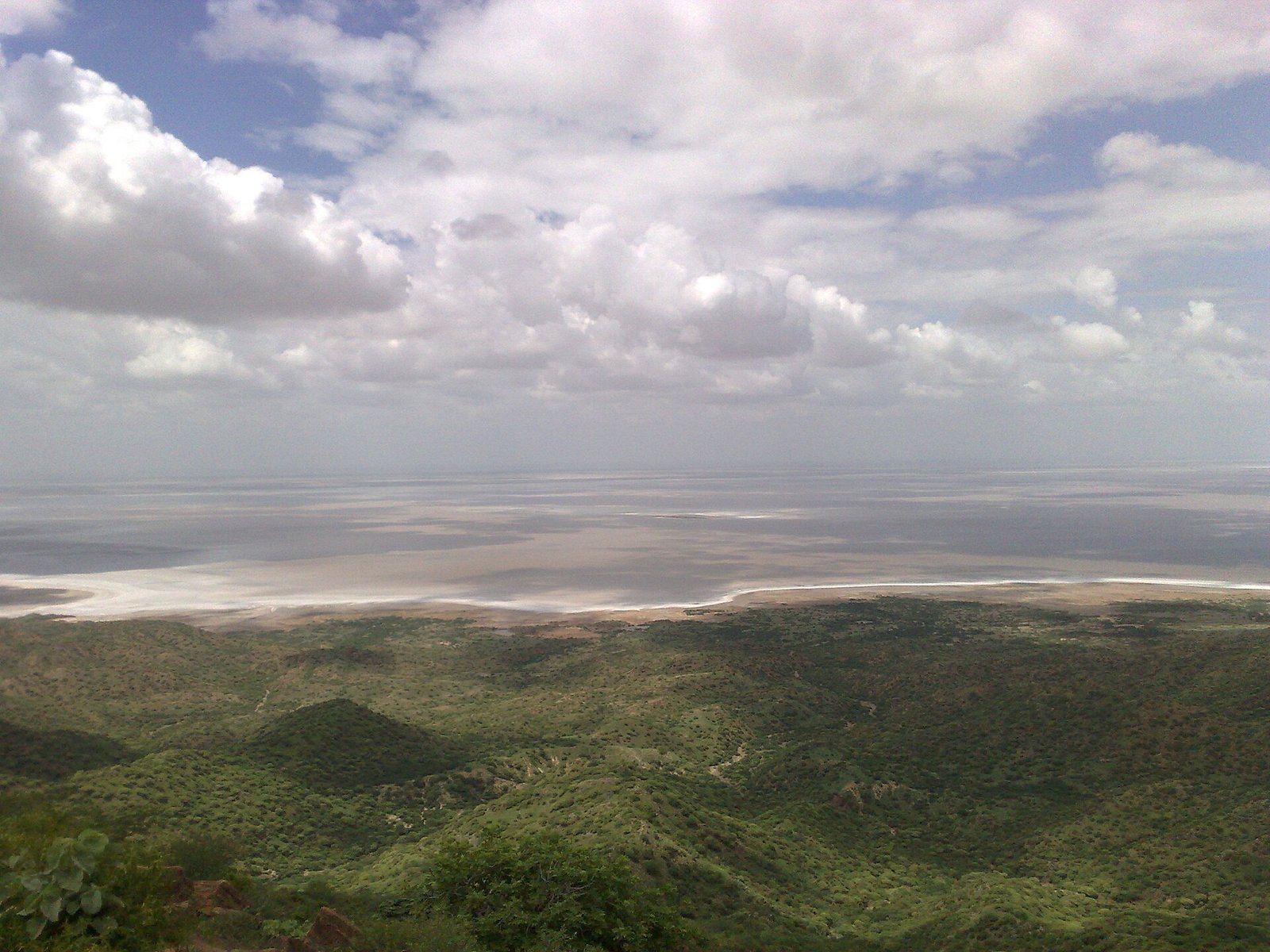
Winter is, without much argument, the best time to visit Gujarat. From October to March the weather across most of the state is cool, dry and comfortable, with warm days and pleasantly cold nights, ideal for sightseeing, safaris and long days on your feet. This is when the Great Rann of Kutch dries into its famous white plain and the Rann Utsav festival runs, roughly from November to February, complete with the unforgettable spectacle of a full moon over the salt desert.
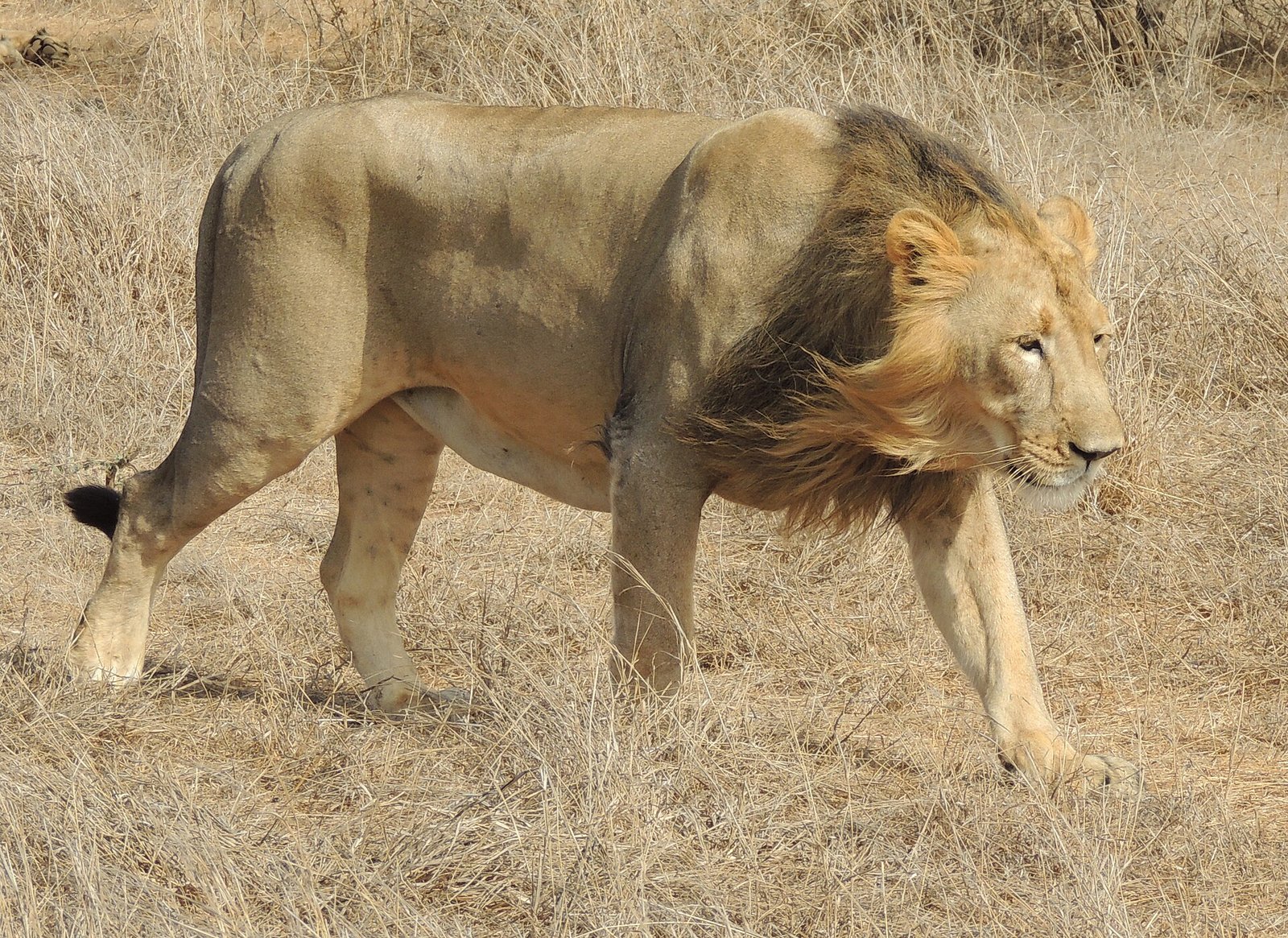
Winter is also prime wildlife season: Gir's lion safaris are in full swing and the migratory birds arrive in their tens of thousands at Nalsarovar and the Little Rann. Nearly every major festival and the most comfortable temple-hopping falls in these months too. The only downsides are that this is peak season — so book Gir permits, Rann Utsav tents and popular hotels well ahead — and that a few high spots and desert nights get genuinely cold, so pack a warm layer.
Within the winter window there are subtle sweet spots. November and December bring the freshest desert light and the opening weeks of the Rann Utsav; January adds the kite festival of Uttarayan and cool, clear skies; and February into early March stays pleasant while crowds begin to thin. If you have any flexibility, aiming for a full-moon night in Kutch during these months turns a good trip into an unforgettable one, so it is worth checking the lunar calendar before you fix your dates.
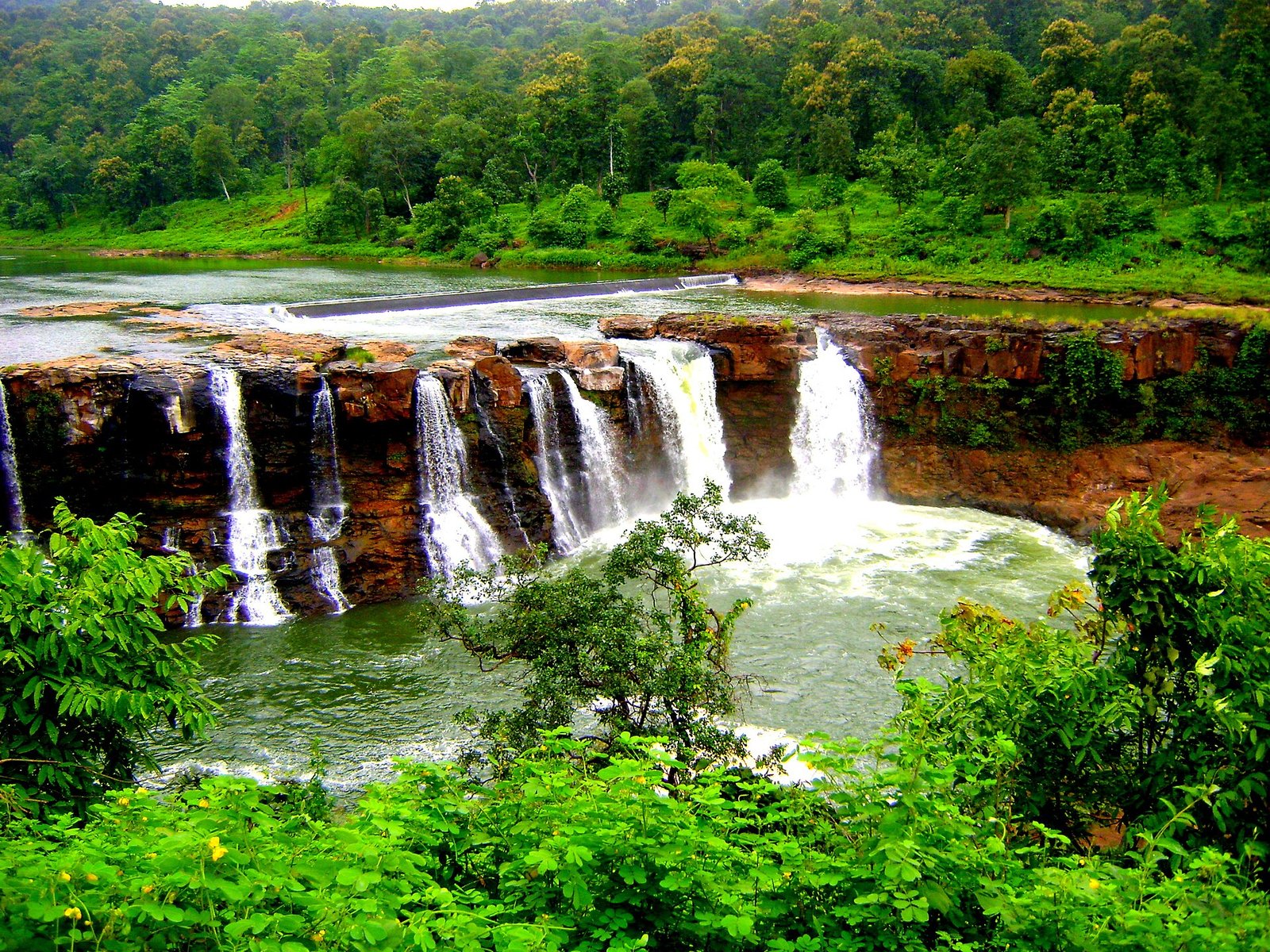
The Gira Falls near Saputara only truly thunder in the monsoon — proof that in Gujarat, timing changes everything.
Summer (April to June): heat, and a few rewards
Summer in Gujarat is not for the faint-hearted. From April to June temperatures climb steeply, regularly passing 40°C across the plains and the desert, and midday sightseeing becomes a test of endurance. For most leisure travellers this is the season to avoid, or at least to plan around, keeping activity to the early mornings and evenings and retreating indoors through the fierce middle of the day.
There is no single best season for all of Gujarat — only the best season for the Gujarat you want to see
That said, summer is not entirely closed. The hill station of Saputara stays noticeably cooler than the plains and has long drawn Gujaratis escaping the heat. Wildlife can actually be easier to spot in the hot months, as animals gather at shrinking waterholes in Gir. And if you can bear the temperatures, you'll have the monuments, the thali houses and the stepwells — blissfully cool underground — almost entirely to yourself, at low-season prices.
The stepwells deserve a special mention here: places like Adalaj and Rani ki Vav were built precisely to defeat this heat, and descending from a blazing surface into their cool, shaded depths is one of the more memorable ways to understand why Gujarat built them in the first place.
Monsoon (July to September): the green secret
The monsoon transforms the parts of Gujarat most travellers never think to visit in the rains. From July to September the state's eastern and southern edges turn a deep, dripping green: the forests of the Dang glow, rivers run full, and seasonal waterfalls like the Gira, Zarwani and Hathni Mata that barely trickle in the dry months come thundering to life. Saputara in the monsoon, wrapped in mist with its lake brimming, is a genuinely beautiful and little-known escape.
The trade-offs are real, though. Heavy rain can make forest tracks impassable and closes some sanctuary trails at short notice, Gir National Park shuts for the breeding season from mid-June to mid-October, and the Rann of Kutch floods and vanishes entirely. This is a season for the hills, the waterfalls and the green countryside rather than the desert or the lions — but for those in the know, it is Gujarat's best-kept secret.
Planning around festivals
For many travellers the festivals are reason enough to fix the dates. The biggest is Navratri, nine nights of garba and dandiya dancing usually falling in September or October, when the whole state, and Vadodara and Ahmedabad especially, dances until the small hours — an experience unlike anything else in India. The kite festival of Uttarayan on 14 January fills the skies over Ahmedabad with tens of thousands of kites and is a spectacular winter highlight.
Layer these onto the seasonal picture and the choice becomes clearer: come in winter for the classic Gujarat of desert, lions and comfortable heritage travel; time it to Navratri or the Rann Utsav for the festivals; brave the summer only for low crowds and cool stepwells; and choose the monsoon if it's green hills and waterfalls you're after. Whatever you pick, plan the trip around the season rather than against it.
Two smaller festivals are worth knowing about as well. The Modhera Dance Festival, usually in January, fills the courtyard of the Sun Temple with classical dance against a floodlit backdrop, while the tribal Dang Durbar around Holi gathers the Adivasi communities of the southern forests in traditional finery. Neither draws big outside crowds, and stumbling onto one can become the highlight of a trip — another reason to glance at the calendar before you book, and to stay flexible enough to detour when something special is on.
If you go
- For a first trip, aim for November to February — cool weather, a dry white Rann, active Gir safaris and the biggest festivals all overlap.
- Book early for winter: Gir permits, Rann Utsav tents and popular hotels fill up weeks ahead in peak season.
- Avoid April to June for general sightseeing; if you must travel then, plan around the midday heat and consider Saputara for relief.
- Come in the monsoon (July to September) only if waterfalls and green hills are your goal — and remember Gir is closed and the Rann is flooded then.
- Check festival dates in advance (Navratri shifts by year; Uttarayan is fixed on 14 January) and book accommodation well ahead if you plan to attend.
Gujarat rewards travellers who plan around its seasons. Winter is the crowd-pleaser, with cool days, a white desert and lions on the prowl; the monsoon hides a green, waterfall-laced secret in the hills; and even the fierce summer has its cool stepwells and quiet monuments. Decide what you most want to see — the Rann, the lions, the waterfalls, a festival — and let that choose your month. Get the timing right and Gujarat gives you its very best.