
If you travel with a camera, Gujarat rewards it — the endless white of the Rann under a full moon, misty monsoon hills, and monuments carved for the light.
These stories and guides point you to the most photogenic places and the best times to shoot them.
Planning a trip around Gujarat photography
Gujarat photography rewards travellers who chase specific conditions rather than general sightseeing, and the payoff for planning is enormous. The single most photographed scene is the white Rann of Kutch under a full moon, when the salt flat turns to a sheet of soft silver and the horizon disappears entirely into the pale sky. Shoot it on the two or three nights around full moon between November and February, arrive before the crowds thin the mood, and bring a sturdy tripod for the long exposures that the low light demands. Sunrise and blue hour on the same flat give cleaner, less contrasty frames if the moonlit shots feel too stark.
The state's architecture is a gift for anyone who loves geometry and pattern. Rani ki Vav and the Adalaj stepwell reward wide lenses pointed straight down the descending symmetry of their steps, while Modhera's Sun Temple lines up its pillars and stepped tank for mirror reflections at dawn. These stone sites shoot best in the early morning, when low, raking sun picks out every carved bracket and figure without the flat glare of midday washing them out. The interiors of the deeper stepwells need a tripod and some patience, since the natural light falls off quickly once you drop below the first level.
The most photogenic corners — white deserts, sunsets and monuments.
Chasing colour, monsoon green and coastal light
For sheer colour, nothing beats the festivals. Navratri fills the grounds with spinning mirror-work costumes best caught with a slightly slower shutter to blur the swirl of the dance, while Uttarayan in mid-January turns the sky over Ahmedabad into a moving field of paper kites, a rare chance to shoot straight up into pattern and light. Kutch's craft villages and the Rann Utsav tents add deep bandhani reds and embroidered detail at close range, and the crowded markets of the old cities reward a patient street photographer working the golden hour before the shops close for the evening.
Green is the other season entirely. During and just after the monsoon, roughly July to September, the Dangs and Saputara run emerald with mist sliding over the ghats and every waterfall at full flow, ideal for moody, saturated frames but demanding proper rain protection for your gear. The long west-facing coastline delivers reliable sunsets almost year round: Mandvi's windmills, Diu's Portuguese forts and Dwarka's temple spire all silhouette cleanly against the Arabian Sea. In short, plan your light by subject, pack a tripod and rain cover, and let the calendar, not convenience, set the shape of your itinerary.
Explore Photography
A Night on the White Rann
Saputara: Two Cool Days in Gujarat’s Only Hill Station
A first-person Saputara hill station guide: monsoon greenery, lake boating, the ropeway, sunset points…
Chasing Monsoon Waterfalls in the Dangs
Chasing Gujarat monsoon waterfalls in the Dangs? Where Gira, Shankar and Zarwani run July…
The Best Time to Visit Gujarat
The best time to visit Gujarat, month by month: why winter (Nov–Feb) is ideal,…
The Statue of Unity: Standing Beneath the World’s Tallest Statue
A full Statue of Unity guide to Ekta Nagar: the viewing gallery, gardens, jungle…
Photographing Gujarat
The state gives photographers three distinct kinds of subject, and the best trips are built around one rather than all of them. The landscape case is dominated by the Rann: the White Rann near Dhordo under a full moon is the image everyone comes for, with the salt reading as snowfield and the horizon dissolving entirely, while the Road to Heaven causeway toward Dholavira gives the same emptiness in daylight. Kalo Dungar's rim looks down on all of it at sunset.
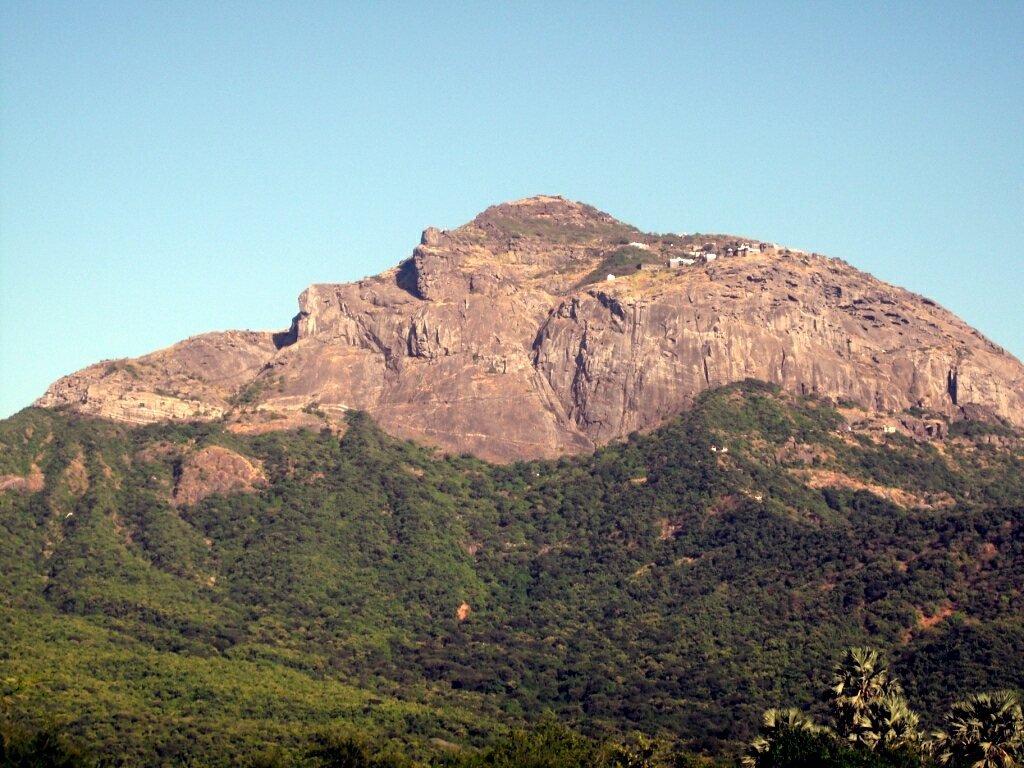
The architectural case runs on low sun and early starts. Rani ki Vav and Adalaj need the morning, when light still reaches down the galleries; Modhera's Surya Kund throws its sharpest step-shadows at sunrise and is aligned for it; Champaner's mosques and the Uparkot fort at Junagadh both take late light well. Palitana's temple city from the summit before the day's haze is the hardest-won frame in the state.
People, wildlife and the rules
The human case is the richest and the one that most needs manners. The Kawant fair after Holi, the Dang Darbar, Tarnetar's umbrellas, the Rabari and Ahir communities of Kutch, and the craft workshops at Nirona and Ajrakhpur all offer extraordinary portraits — always ask first, accept a refusal, and consider buying something or sending prints back. Wildlife needs long glass and patience: flamingo flocks on the Gulf of Kutch flats, blackbuck and harriers at Velavadar, lions at Gir and Ambardi.
Practical notes worth knowing. Winter, from November to February, gives the cleanest light and the biggest bird numbers. Many temples bar cameras entirely and provide lockers. Drone flying is restricted across India and effectively prohibited near border areas, defence installations and most protected monuments — the whole Rann and the Kutch border belt fall into that category, so do not plan around aerial shots. Carry dust protection: the salt flats and the Banni get into everything.