On the southern tip of the Saurashtra coast, joined to Gujarat by a pair of short bridges, lies a small island that feels like a different country. Diu was a Portuguese colony for more than four centuries, and even now, decades after it joined India, it carries the unmistakable stamp of that history: whitewashed churches and pastel houses, a colossal seaside fort, quiet palm-lined beaches and an easy, sun-slowed rhythm found nowhere else in the region. This Diu island travel guide is your introduction to Gujarat's most surprising little escape.
Diu is where Gujaratis come to exhale. As a Union Territory separate from largely dry Gujarat, it has a relaxed, holiday feel, and its combination of beaches, colonial heritage and seafood makes it a genuine change of pace from the temples and deserts of the mainland. It is small enough to explore in a day or two by scooter, yet characterful enough to make you want to stay longer. Here is how to make the most of it.
A fort, and four centuries of history
The heart of Diu's appeal is its history. The Portuguese seized the island in the sixteenth century, prizing its strategic position on the sea route between their trading posts, and held it until 1961. That long colonial era left Diu with a townscape unlike anywhere else in Gujarat: narrow lanes of Portuguese-era houses painted in faded blues and yellows, grand churches, and above all the mighty Diu Fort that sprawls across the island's eastern point.
The fort is genuinely impressive. Ringed on three sides by the sea and once moated on the fourth, its ramparts still bristle with old cannon, and from the walls you look out over crashing surf and, offshore, the separate island fortress of Panikotha rising from the water. Wandering the fort's bastions at sunset, with the waves booming below and the light going gold, is the classic Diu experience and reason enough to make the trip.
In the old town, three centuries-old churches survive from the Portuguese period. St Paul's Church, with its ornate carved facade, is still in use, while the former St Thomas Church now houses a small museum and the beautifully restored church of St Francis of Assisi has found new life as a hospital. Together with the crumbling grandeur of the old residential quarter, they make Diu town a lovely place simply to wander on foot in the cool of the morning or evening.

The great sea-fort of Diu island, built by the Portuguese in the sixteenth century, still guards the eastern tip.
Beaches and the lazy heart of Diu island
Diu is, first and foremost, a beach destination, and its shores are its great pleasure. The most famous is Nagoa Beach on the island's southern coast, a long horseshoe of sand fringed by hoka palms — a distinctive branching palm found almost nowhere else in India — where you can swim, ride a banana boat or simply flop under a parasol with a coconut. It is the liveliest of the beaches and the natural place to spend a lazy afternoon.
Diu runs on island time; a scooter, a beach and a plate of grilled fish is the whole itinerary you need
Quieter shores reward a little exploring. Ghoghla Beach, on the mainland side of the bridges, is broad and calm and good for swimming; small coves like Jallandhar and Chakratirth offer sunset views and fewer crowds; and the strange, wind-carved Naida Caves near the fort — a labyrinth of stone hollows and staircases left by centuries of quarrying — make an atmospheric wander. The whole island is small enough that a hired scooter and a full day let you string several of these together at your own pace.
Part of Diu's charm is simply how little you need to do. Unlike the packed itineraries the mainland demands, Diu invites you to slow right down — a morning at the fort, an afternoon on the sand, an evening strolling the old town with an ice cream. It is one of the few places in the region built for doing nothing in particular, and it does it beautifully.
Seafood, sunsets and the good life
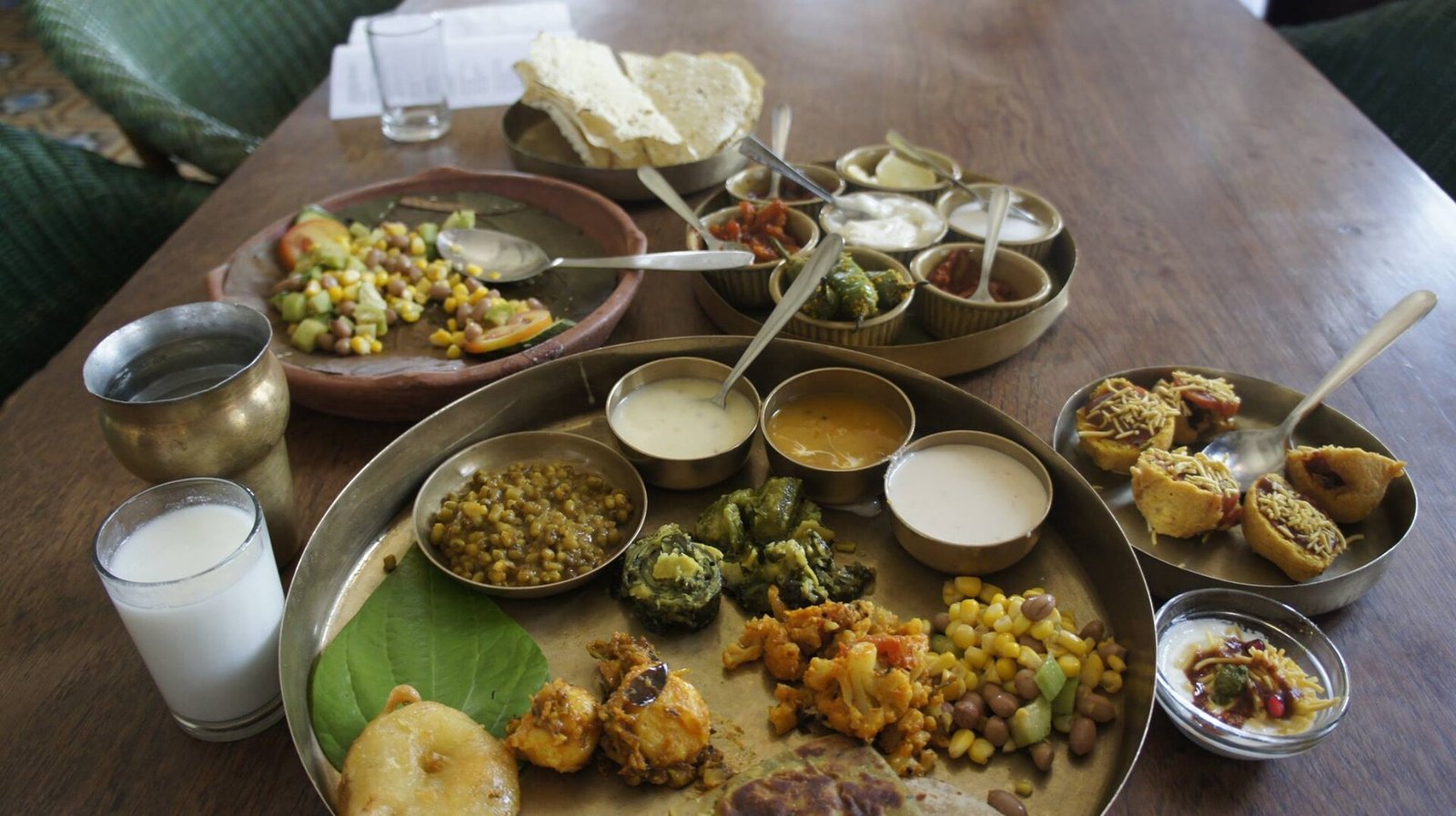
Diu's kitchens are another reason to come. After the vegetarian thalis of mainland Gujarat, the island's fresh seafood feels like a small revelation: pomfret and prawns, lobster and crab, grilled simply or cooked in coconut and spice, served at beach shacks and old-town cafes with a distinctly coastal, faintly Portuguese-influenced flavour. Being a Union Territory, Diu is also relaxed about alcohol, which adds to the holiday mood at its seaside bars as the sun goes down.
The sunsets deserve their own mention. Whether from the fort ramparts, a west-facing cove or the deck of a beach shack, the evening light over the Arabian Sea is superb, and watching it with a plate of grilled fish is the quintessential Diu evening. It is the kind of place where you find your days organising themselves gently around the tide and the sunset rather than any list of sights.
Getting there and fitting Diu into a trip
Diu is easier to reach than its off-beat feel suggests. It has its own small airport with seasonal flights, and it is well connected by road to the Saurashtra towns; most visitors arrive by car or bus from the mainland across the bridges at Ghoghla. The nearest major railheads are at Veraval and Junagadh, a couple of hours away, from where taxis and buses run to the island.
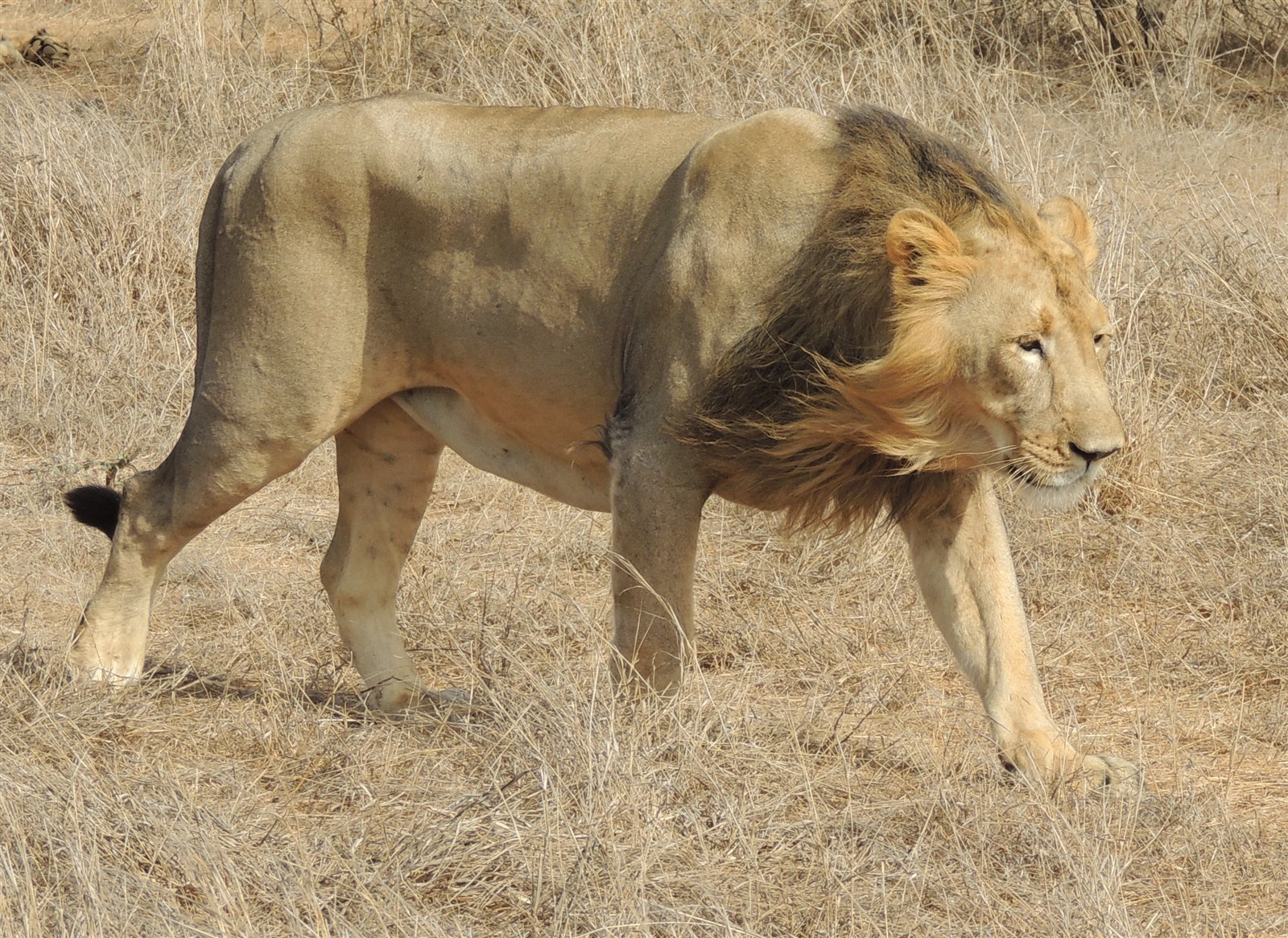
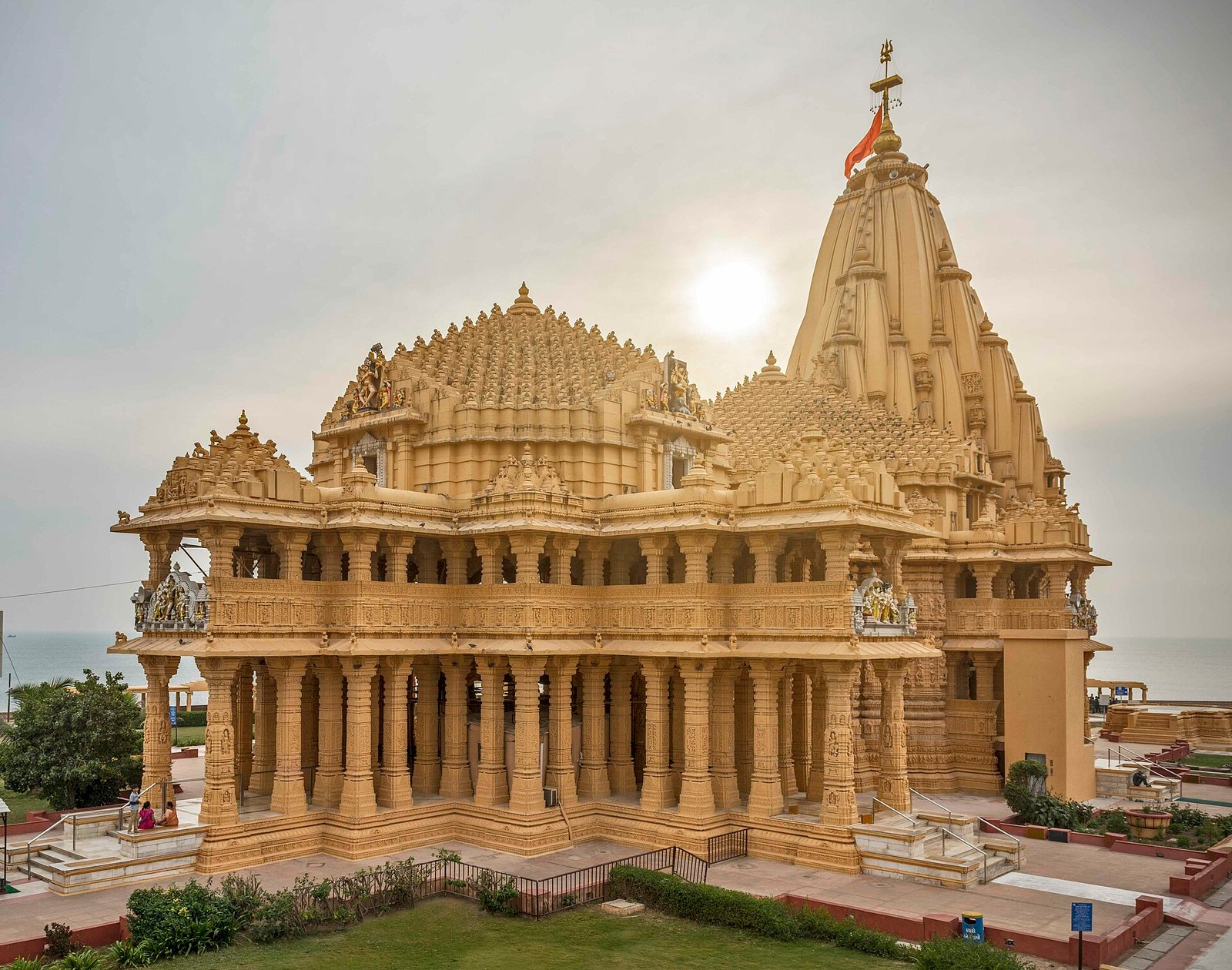
That location makes Diu a natural add-on to a Saurashtra itinerary. It sits close to the great pilgrim town of Somnath, with its sea-washed Jyotirlinga temple, and within reach of Gir National Park and its lions, so a classic route strings all three together: the wild forest of Gir, the sacred coast at Somnath, and finally a couple of decompressing days on the beaches of Diu. After the intensity of the mainland, the island makes a perfect, restful full stop.
A practical note on timing: like the rest of the coast, Diu is at its best in the cool, dry months from October to March, when the sea is calm and the days are warm rather than fierce. The monsoon brings dramatic surf but also rain, while the height of summer is hot and humid. Come in winter, hire a scooter, and give the island the slow couple of days it asks for.
If you go
- Visit between October and March for calm seas and warm, comfortable weather; avoid the humid monsoon and the hot pre-monsoon months.
- Hire a scooter to explore — Diu is small and flat, and a scooter lets you reach the fort, the beaches and Naida Caves easily at your own pace.
- Don't miss the Diu Fort at sunset, and set aside a morning to wander the old town's Portuguese churches and painted lanes on foot.
- Eat the seafood — pomfret, prawns and lobster at the beach shacks are a highlight after mainland Gujarat's vegetarian fare.
- Combine Diu with Somnath and Gir for a classic Saurashtra loop; the island makes a relaxing final stop after the temples and the safari.
Diu is Gujarat's great change of pace: a sun-warmed little island of Portuguese forts and churches, palm-fringed beaches and fresh seafood, where the pace slows to match the tide. Tack it onto a Saurashtra trip with Somnath and Gir, or come just for its own sake — either way, a couple of days on a hired scooter, ending each evening on the fort walls as the sun drops into the Arabian Sea, is one of the most relaxing things you can do anywhere in the state.