Best time
November to February
Status
Ramsar site, designated 2021
Good for
Birdwatching, photography, half-days
Nearest base
Jamnagar (about 12 km)
Khijadiya is a small sanctuary with an outsized bird list, and the reason is an accident of engineering. Bunds built decades ago to keep salt water out of farmland created freshwater marshes directly alongside the tidal creeks and salt pans of the Gulf of Kachchh. The result is a compact mosaic of habitats — fresh marsh, saline marsh, mudflat, mangrove scrub, open water and reedbed — packed into roughly a dozen square kilometres barely twelve kilometres from central Jamnagar.
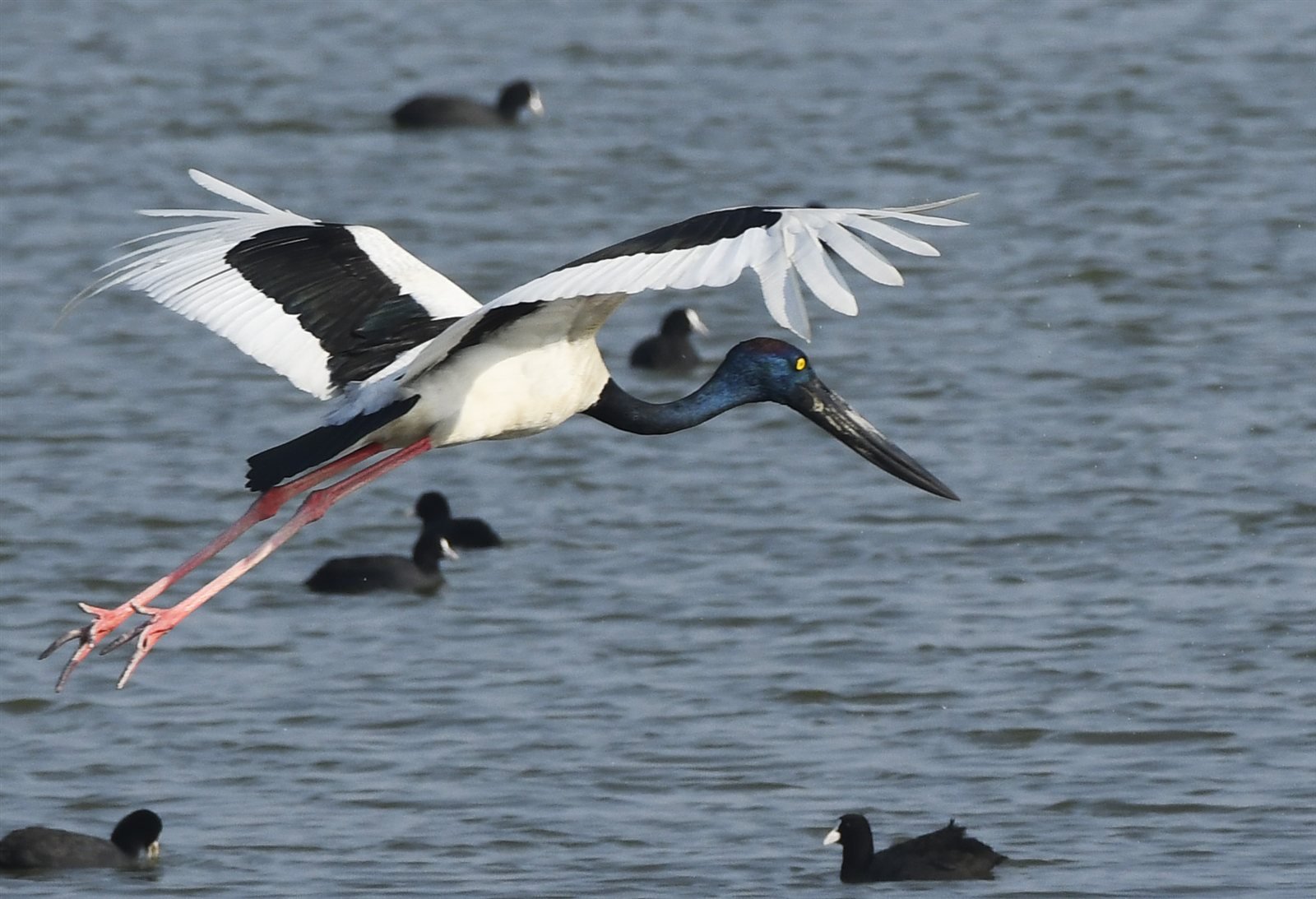
That mosaic supports well over three hundred recorded species, including some of the birds Indian birdwatchers most want: Dalmatian pelican, Indian skimmer, black-necked stork, both flamingos, cranes, and a long supporting cast of ducks, waders and raptors. Khijadiya was designated a Ramsar wetland of international importance in 2021. It is easy to reach, cheap to enter, and can be done properly in a morning, which makes it one of the best-value wildlife stops in Gujarat.
Why Khijadiya punches above its weight
Because of the fresh-and-salt juxtaposition. Most wetlands offer one water chemistry and therefore one broad community of birds. At Khijadiya you can walk a bund with freshwater marsh on your left holding jacanas, pheasant-tailed jacanas, purple swamphens, herons and ducks, and saline flats on your right holding flamingos, avocets, stints and plovers. Species that would normally require two separate destinations turn up within a few hundred metres of each other.
And because the specialities really do show up. Dalmatian pelicans, globally near-threatened, are regular in winter. Indian skimmers, with their extraordinary orange bills, appear on the open water. Black-necked storks, painted storks, spoonbills, both flamingo species, common and demoiselle cranes, marsh harriers hunting the reeds, and occasional rarities that pull birders in from across the country. There are watchtowers and hides at useful points, and because the sanctuary is small and flat, you cover a lot of it on foot without much effort.
Freshwater marsh on one side, saline creek on the other — the mix is why Khijadiya's species list is so long.
How to plan a morning at Khijadiya
- Come in winter and come at first lightNovember to February is the season, and the first two hours after sunrise are far and away the most productive. Birds are active, the light is low and warm, and the heat has not yet flattened everything.
- Pay in at the sanctuary entranceKhijadiya is managed by the Gujarat forest department with an entry fee at the gate, and guide services are usually available on site. Confirm the current timings and any weekly closure locally.
- Walk the bunds between habitatsThe whole point of Khijadiya is contrast. Work the paths that keep freshwater marsh on one side and saline flats on the other, and scan both as you go.
- Use the watchtowers properlyClimb, settle, and give each tower twenty minutes rather than three. Elevation over a flat wetland is worth more than distance covered.
- Bring a scope if you have oneBinoculars are the minimum. Much of the water is wide and open, and a spotting scope turns distant white smudges into pelicans and skimmers.
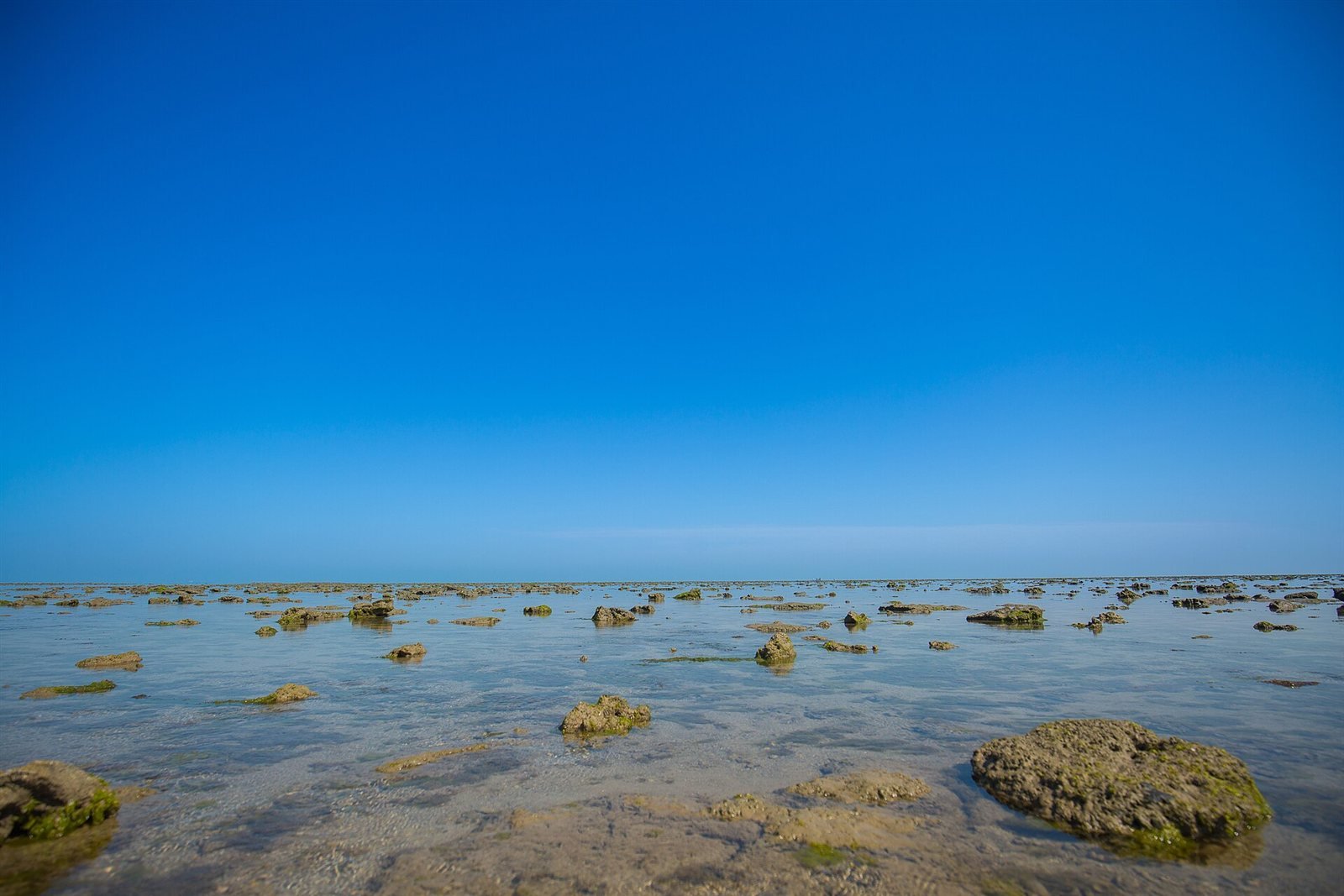
- Add Marine National Park if the tides allowNarara reef is about an hour further west. On the right tide day you can pair a dawn at Khijadiya with a mid-morning reef walk.
How to get there
Khijadiya sits roughly 12 km north-east of Jamnagar city, an easy twenty to thirty minute drive. Jamnagar has an airport with domestic connections and a well-served railway station on the Ahmedabad–Dwarka line, so getting to the base is simple. An auto-rickshaw from the city will do the trip, but agree a return arrangement or you may find yourself waiting in the sun at the gate.
A hired car or taxi for the morning is the comfortable choice, and it is what you will want anyway if you are also visiting Narara or the Gulf coast. Roads are good the whole way. If you are on a Saurashtra circuit, Khijadiya slots in with Jamnagar city, Marine National Park to the west and Dwarka beyond that.
Where to stay
Jamnagar is your base and it is a good one — an unpretentious working city with a full range of hotels from budget to comfortable mid-range, reliable food, and enough of its own interest to justify a day. Lakhota Lake and its museum sit in the middle of town, the brass and bandhani bazaars are worth an afternoon, and Bala Hanuman temple is known for a continuous chant that has run for decades.
There is no accommodation at the sanctuary itself and no need for any, given the short drive. If you are combining Khijadiya with a tide-dependent reef walk at Narara, book two nights in Jamnagar so you have flexibility on which morning goes where. In peak winter, and particularly around long weekends, book ahead — Jamnagar's better hotels do fill.
Best time to visit
November to February is the season, with December and January the peak for both numbers and variety as the winter migrants settle in. Early mornings are cool and the light is excellent; late afternoons are a decent second option. This is the window in which the Dalmatian pelicans, skimmers, flamingos and cranes are most reliable.
March and early April still hold plenty of resident and lingering species but the heat builds quickly and activity drops off sharply after about nine in the morning. May and June are hot and quiet. The monsoon changes the character of the place entirely — water levels rise, breeding activity picks up among resident species, and access along the bunds can become difficult or restricted. If you are going specifically for the marquee winter birds, stick to the cool months.
Practical tips
- Arrive at opening time. The first two hours after sunrise are worth the rest of the day combined.
- Bring binoculars at minimum and a spotting scope if you own one; much of the viewing is across open water.
- Hire a local guide at the gate — they know which pools are holding the pelicans and skimmers that week.
- Wear neutral clothing, move quietly along the bunds, and expect mud after any rain.
- Check current timings and any weekly closure with the forest office, and combine the visit with Jamnagar city or Narara reef.
Frequently asked questions
What is Khijadiya Bird Sanctuary famous for?
Its unusual mix of freshwater and saline wetland side by side, which supports over three hundred bird species including Dalmatian pelican, Indian skimmer, black-necked stork and both flamingos. It became a Ramsar site in 2021.
How far is Khijadiya from Jamnagar?
About 12 km north-east of the city, roughly a twenty to thirty minute drive.
When is the best time to visit Khijadiya?
November to February, with December and January best for migratory numbers. Go at first light for the most activity.
How long do I need at Khijadiya?
A morning is enough for a satisfying visit. Keen birders often spend a dawn session and return for late afternoon.
Do I need a permit for Khijadiya?
There is an entry fee payable at the sanctuary gate rather than an advance permit. Confirm current timings and closures with the forest department locally.
Khijadiya is the easiest serious birding you will do in Gujarat: twelve kilometres from a city with an airport, a flat walk along bunds between fresh water and salt, three hundred-odd species on the list and a Ramsar designation to back it up. Come between November and February, be at the gate at opening time, bring optics, and give it a full unhurried morning. Pair it with the Narara reef walk and Jamnagar becomes a genuinely rewarding two-day stop.