Best time
November to February
Ramsar sites
Several, incl. Nalsarovar, Thol, Khijadiya
Good for
Flamingos, cranes, raptors, waders
Base hubs
Ahmedabad, Bhavnagar, Jamnagar, Bhuj
Gujarat is one of the best states in India for birdwatching and it is consistently underrated as such. The reason is habitat variety within short distances: enormous shallow wetlands, the salt flats of the Great and Little Rann, open grasslands, a very long coastline with mudflats and mangroves, dry thorn scrub, and moist deciduous forest in the far south-east. In winter that combination holds an extraordinary quantity of birds.
The state also makes birding logistically easy. Several of the best sites are within two hours of Ahmedabad, which has an international airport; others cluster conveniently around Bhavnagar, Jamnagar and Bhuj. This guide covers the key sites, the season, what each one delivers, and how to string them into a week.
What makes Gujarat exceptional
Numbers, and specialities. Gujarat's wetlands are a major wintering destination on the Central Asian Flyway, and sites like Nalsarovar, Thol and Khijadiya carry flamingos, pelicans, cranes and northern ducks in bulk. The Rann of Kutch supports the only breeding colonies of greater flamingo in the region at the remote Flamingo City, and the Little Rann is the last home of the Indian wild ass alongside excellent raptor and lark habitat.
Then there are the birds you come specifically for: Dalmatian pelican and Indian skimmer at Khijadiya; the huge winter harrier roost at Velavadar, one of the largest anywhere; sarus crane, the world's tallest flying bird, across the central wetlands; lesser florican performing its leaping display in the monsoon grasslands; MacQueen's bustard and other desert species in Kutch; crab plover and other specialities on the Gulf coasts. Very few Indian states put that many marquee species within one week's driving.
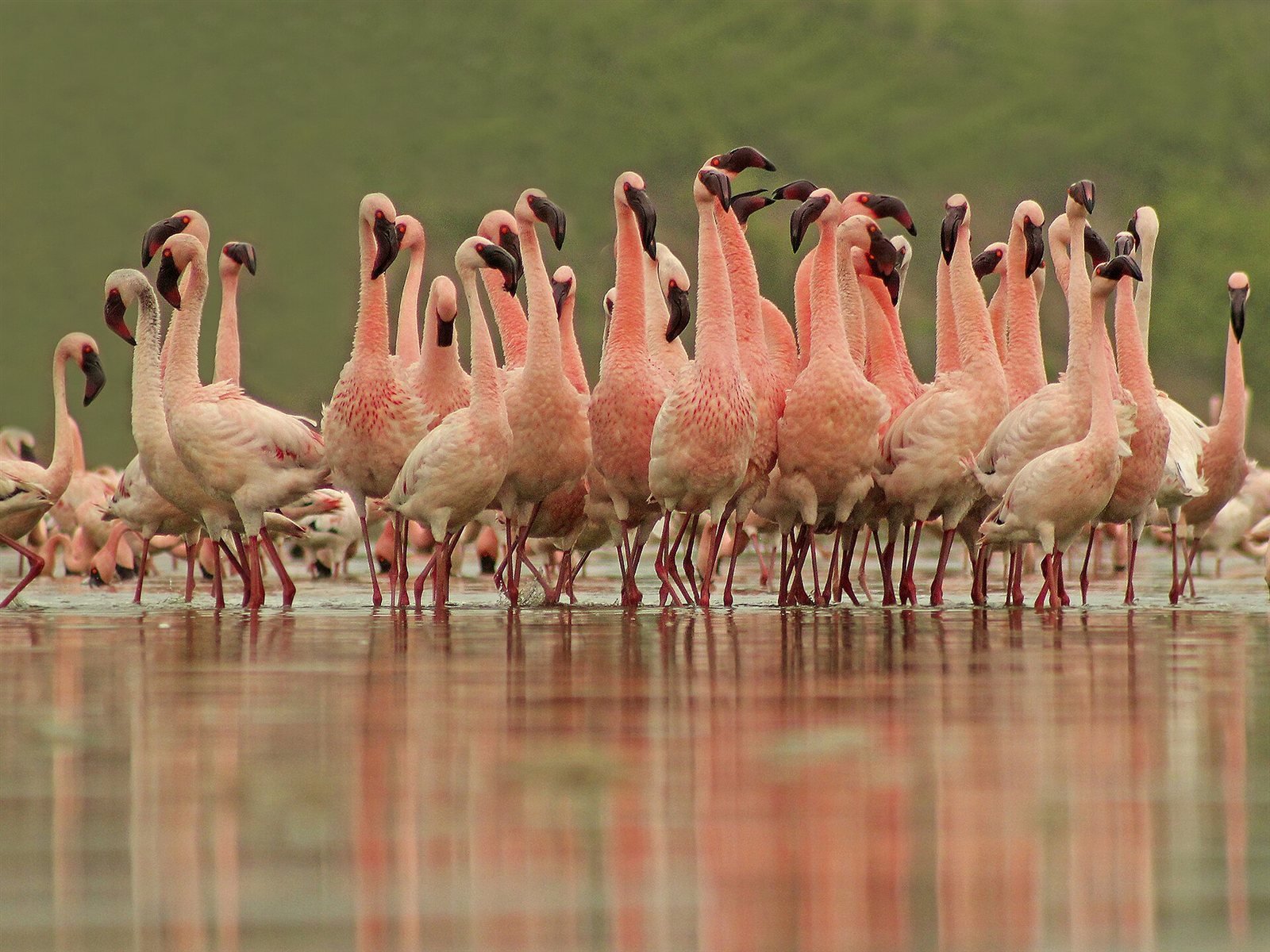
Wetlands, grasslands, salt desert and coast — four habitats, and hundreds of thousands of birds.
The essential sites
- Nalsarovar — 60 km from AhmedabadGujarat's largest wetland and a Ramsar site. Seen by flat-bottomed boat; go at sunrise on a weekday, insist on drifting slowly, and bring your own optics. Flamingos, pelicans, cranes, thousands of ducks.
- Thol Lake — 40 km from AhmedabadA Ramsar site and the closest serious birding to the city. Walked from bunds rather than boated, which suits photographers. Flamingos, three crane species, pelicans, waders.
- Khijadiya — 12 km from JamnagarA Ramsar wetland where fresh water meets salt, giving two bird communities side by side. Dalmatian pelican, Indian skimmer, black-necked stork, both flamingos. Watchtowers and flat bunds.
- Velavadar — 65 km from BhavnagarOpen grassland: blackbuck, Indian wolf, and one of the world's largest winter roosts of montagu's and pallid harriers. Also the lesser florican's monsoon display. Book a dusk and a dawn.
- Little Rann of Kutch — from Dasada or BajanaIndian wild ass, MacQueen's bustard, cranes, sandgrouse, larks and raptors across the salt flats and bets. Excellent for desert and grassland species.
- Marine National Park, Jamnagar — NararaMangrove and intertidal reef with flamingos, pelicans, crab plover and waders, plus the reef walk itself. Entirely tide-dependent, so plan around the tables.
How to structure a trip
Four hubs cover almost everything. Ahmedabad, with an international airport, puts Nalsarovar, Thol and Lothal within easy reach. Bhavnagar covers Velavadar and the Gulf of Khambhat coast including Gopnath. Jamnagar covers Khijadiya and Marine National Park, with Porbandar's small bird sanctuary further along the coast. Bhuj covers the Great Rann, the Banni grasslands and Chhari Dhand, while Dasada or Bajana serve the Little Rann.
A workable week runs Ahmedabad (Thol, Nalsarovar) to the Little Rann, then Jamnagar (Khijadiya, Narara) and back via Bhavnagar (Velavadar). Ten days adds Kutch and the Banni grasslands. A hired car with a driver is effectively essential — none of these sites has useful public transport — and local guides at each site are worth engaging, because they know which pool or field is currently holding the birds you want.
Where to stay
Use the city hubs for range and comfort: Ahmedabad, Jamnagar, Bhavnagar and Bhuj all have a full spread of hotels, and most sites are within an hour or two. For the Little Rann, the specialist lodges and camps around Dasada and Bajana are the right choice — they exist for wildlife visitors and their guiding is the reason to use them.
Where staying close makes a real difference, it is worth the compromise on comfort: a night near Velavadar to get both a dusk harrier roost and a dawn drive, and a night at Dholavira or in the Banni villages for the Kutch grasslands and salt flats. Book everything ahead in the November-to-February peak, and note that Rann Utsav in December and January puts the whole of Kutch's accommodation under pressure.
Best time to visit
November to February, without qualification. The migrants are in, the weather is comfortable, and the wetlands are at their fullest following the monsoon. December and January are the peak for numbers and variety across almost every site, and mornings throughout are far better than afternoons — first light is worth more than the rest of the day combined at every wetland in this guide.
March sees the migrants leave and numbers fall quickly. April to June is hot and much reduced, though desert species in Kutch remain and concentrations at shrinking waterholes can be productive very early in the day. The monsoon, late June to September, is a specialist season: the lesser florican displays in the Bhal grasslands, resident species breed, and the Dangs' moist forest is at its best, but most wetland sites are less rewarding and access can be restricted. Water levels in any winter depend on the preceding monsoon.
Practical tips
- Be on site at first light everywhere. It is the single biggest factor in what you see.
- Bring your own binoculars and, if you have one, a scope — rentals are unreliable and much viewing is across open water.
- Hire local guides at each site; they know which pool or field is currently holding the target species.
- Wear neutral colours, use cover on bunds, and move slowly — most of these habitats are open with no concealment.
- Plan the Narara reef walk around the tide tables, and book Velavadar and Little Rann lodges well ahead in winter.
Frequently asked questions
When is the best time for birdwatching in Gujarat?
November to February, with December and January the peak. Always aim to be on site at first light.
Where can I see flamingos in Gujarat?
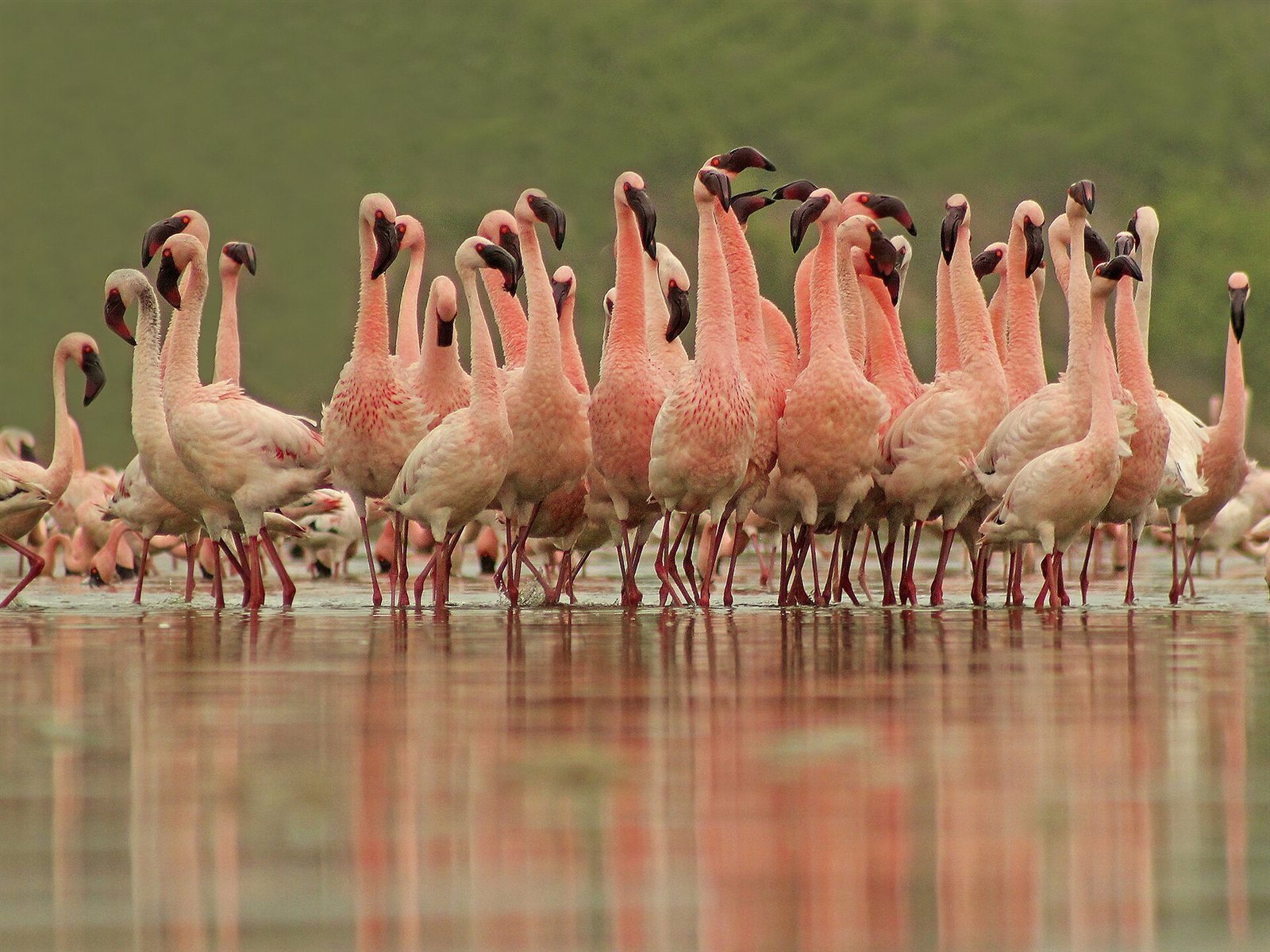
Nalsarovar, Thol, Khijadiya and the Gulf of Kachchh coast all hold flamingos in winter. The Great Rann has the region's only breeding colonies, at the remote Flamingo City.
What is the best bird sanctuary near Ahmedabad?
Thol Lake, 40 km away and walked from bunds, and Nalsarovar, 60 km away and seen by boat. Both are Ramsar sites and both are best at sunrise.
Where can I see the lesser florican?
In the Bhal grasslands, notably around Velavadar, during its monsoon breeding display roughly from July to September. Access is restricted then, so arrange it with the forest department.
Do I need a guide for birding in Gujarat?
Not strictly, but local guides significantly improve results — they know current bird locations, and at several sites a guide or permit is compulsory.
Gujarat gives you wetland, grassland, salt desert and coast within a week's driving, and in December and January it fills all four with birds. Base yourself on Ahmedabad, Jamnagar and Bhavnagar, be on the bund or in the boat at first light every single morning, bring your own optics, hire the local guides, and plan the one tide-dependent trip around the tables. Very few Indian itineraries deliver this many marquee species this easily.