Best time
October to March
From Ahmedabad
About 100-140 km
Good for
Temple fairs, hills, archaeology
Nearest base
Modasa / Himmatnagar
Aravalli is one of Gujarat's newer districts, carved out of Sabarkantha in 2013, and it occupies the hilly north-eastern corner of the state where the Aravalli range comes down towards the plains and the highway runs on towards Udaipur. Its headquarters is Modasa, its landscape is low wooded hills and reservoirs, and its population includes substantial Adivasi communities.
For a visitor it holds three things of real interest: Shamlaji, a major Vishnu temple whose Kartik Purnima fair is one of the great Adivasi melas of western India; Dev ni Mori, the most important Buddhist site ever excavated in Gujarat, now submerged under a reservoir; and the general pleasure of the hill country on the Rajasthan road. This guide covers all three and how to combine them with Idar and the Polo Forest next door.
Why visit Aravalli district
For Shamlaji, above all. The temple, on the Meshwo river directly on the Ahmedabad–Udaipur highway, houses a black stone image of Vishnu holding the mace — Gadadhar formally, and Kaliyo Dev or Kalio Bavji locally — and it is important both to the settled Hindu population and, unusually and more interestingly, to the Adivasi communities of the surrounding hills. The fair around the Kartik full moon in November runs for around a fortnight and draws crowds reported in the hundreds of thousands, with a large proportion walking in from hill villages.
And for Dev ni Mori, which is the strangest heritage destination in the state. A Buddhist stupa and monastery excavated between 1960 and 1963, ahead of the reservoir that was going to drown them, which yielded an inscribed and dated stone casket recording relics of the Buddha — one of very few such finds anywhere — along with some of the earliest Buddha images in western India. The site is now under the Meshwo reservoir; the finds are in Vadodara. Visiting means standing on a bank knowing what is beneath the water, which is more affecting than it sounds.
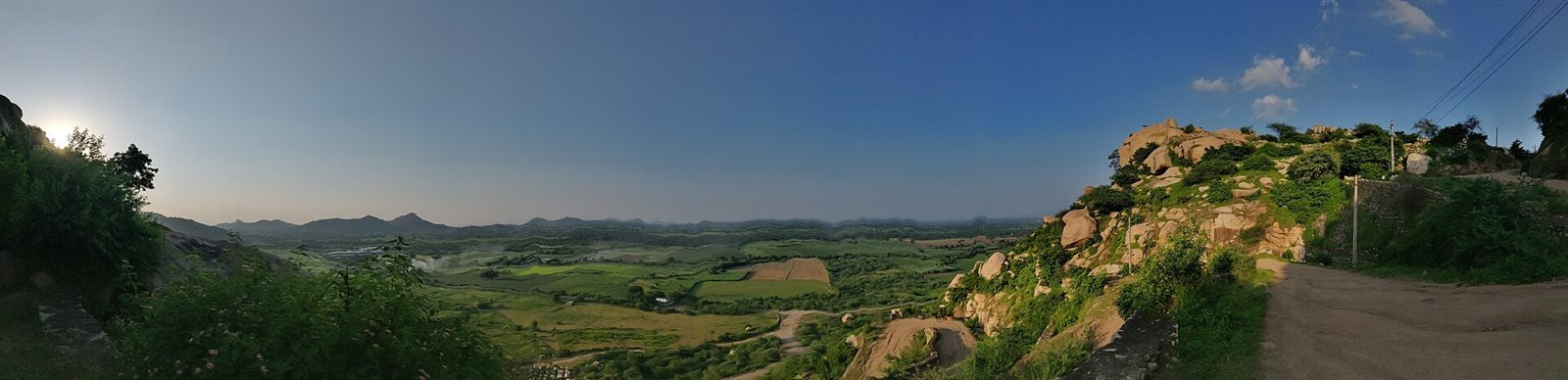
Low hills, a big temple fair, and the highway to Udaipur running through the middle.
What to see
- Shamlaji templeOn the highway, best in the early morning for aarti and river light before the bus traffic builds. Handsome sandstone structure with roots around the eleventh century and later rebuilding.
- Shamlaji mela, if the timing worksAround Kartik Purnima in November, for a fortnight. An extraordinary Adivasi fair — pilgrimage, cattle market, marriage market and continuous drumming. Book far ahead or stay in Himmatnagar.
- Dev ni MoriA few kilometres from Shamlaji. Understand before going that the excavated site is submerged; low water in the late dry season sometimes exposes part of it. Ask locally.
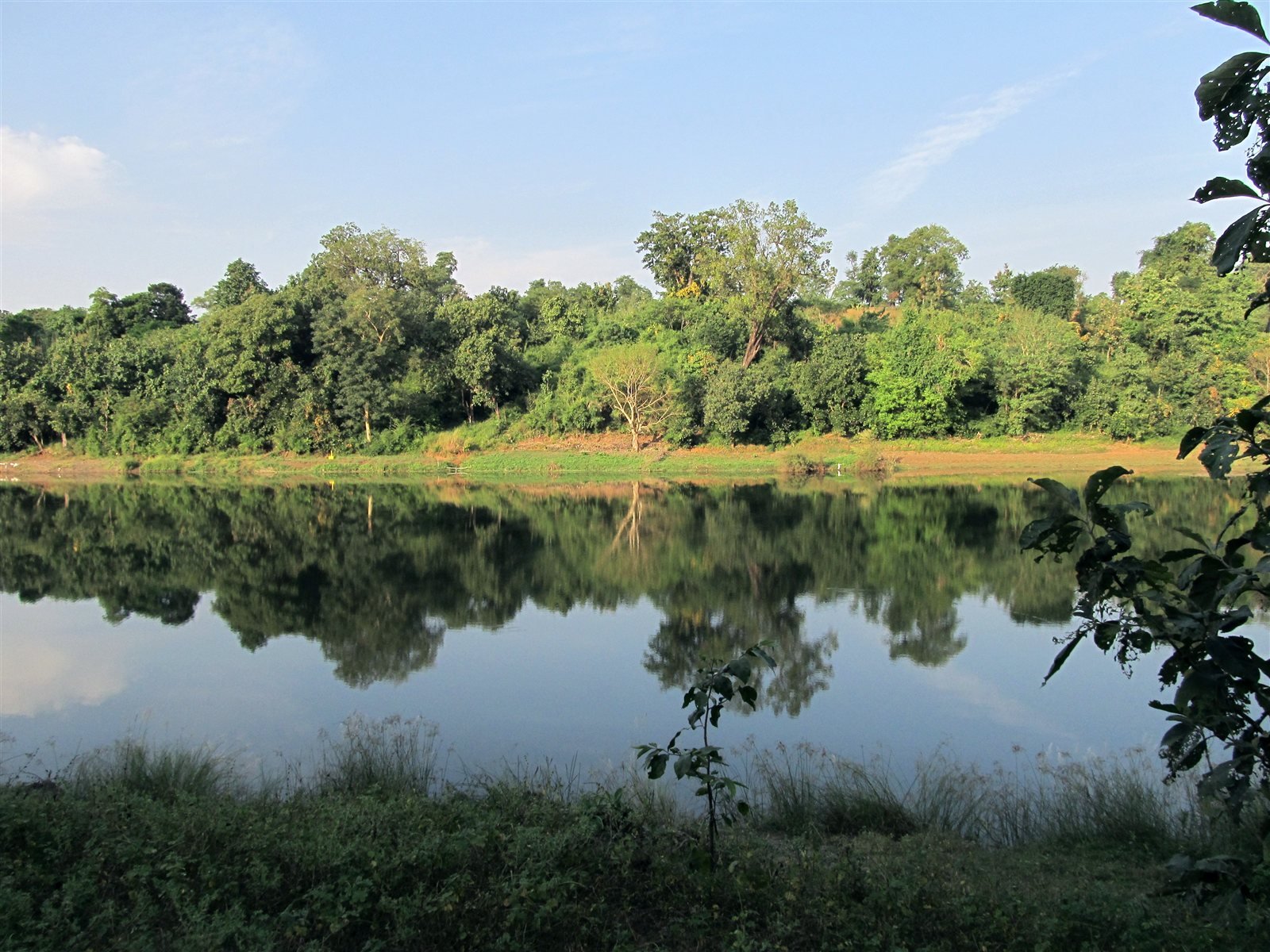
- The Meshwo reservoir and hillsPleasant Aravalli foothill country, worth an unhurried hour, and the setting is the point given there is no monument to see.
- Modasa and the district townsWorking market towns with bazaars and no particular sights, but a decent picture of small-town north Gujarat.
- Add Idar and the Polo ForestIdar's granite boulder hill is about 45 km west, and the Polo Forest's ruined tenth-to-fifteenth-century temples are around 60 km — the single best thing in this corner of the state.
How to get there
The great advantage of this district is that the main Ahmedabad–Udaipur highway runs through it, which makes Shamlaji one of the easiest places in north Gujarat to reach — any bus on that route will stop nearby, and services are constant in both directions. Shamlaji is about 130 to 140 km from Ahmedabad and roughly 60 km from Himmatnagar; Modasa, the district headquarters, is closer to Ahmedabad.
Trains are less useful; Himmatnabad and Himmatnagar have the nearest stations of any consequence. For anything beyond the highway — Dev ni Mori, Idar, the Polo Forest, the reservoir — you need a car. Roads are reasonable. If you are driving between Ahmedabad and Udaipur, this district is directly on the route and costs almost nothing to explore.
Where to stay
Accommodation is limited and basic. Shamlaji has dharamshalas, trust guesthouses and simple hotels, entirely pilgrim-oriented and completely full during the mela. Modasa and Himmatnagar have functional small-town hotels and are the practical local bases.
The better options are just outside the district. The campsites and resorts near the Polo Forest, about 60 km away, are the most appealing places to sleep in this corner of Gujarat and are the standard choice for Ahmedabad weekenders. Balaram Palace, further north-west near Palanpur, is the region's best heritage stay. Otherwise Ahmedabad is under three hours away and has everything.
Best time to visit
October to March for comfort. November brings the Shamlaji mela around Kartik Purnima, which is the district's single most remarkable event and also the hardest time to visit casually — accommodation for a wide radius disappears and the highway around Shamlaji becomes badly congested for days.
The monsoon, from late June to September, makes the Aravalli foothills genuinely beautiful and is when the Polo Forest nearby is at its best, so a rainy-season trip to this corner has real merit even though the temple and reservoir are less rewarding. April to June is hot. If Dev ni Mori interests you specifically, the late dry season from March to May offers the best chance that low water exposes some of the site — though that is a gamble rather than a plan.
Practical tips
- Check the Kartik Purnima dates before travelling through in November — the mela's effect on highway traffic is substantial.
- Visit Shamlaji early in the morning for aarti and river light, before the highway buses arrive.
- Understand that Dev ni Mori's excavated site is under a reservoir; the finds are at MS University in Vadodara.
- Never make this district a standalone trip — combine it with Idar and the Polo Forest.
- Sleep at a Polo Forest campsite or in Himmatnagar; Shamlaji's accommodation is pilgrim-basic.
Frequently asked questions
What is Aravalli district known for?
The Shamlaji Vishnu temple and its great Kartik Purnima Adivasi fair, the submerged Buddhist site of Dev ni Mori, and the Aravalli foothill country on the Ahmedabad–Udaipur highway.
When is the Shamlaji fair?
Around Kartik Purnima, the full moon of the Kartik month, usually in November. It runs for roughly a fortnight and draws crowds in the hundreds of thousands.
Can you visit Dev ni Mori?
The excavated stupa and monastery are submerged under the Meshwo reservoir; there is no monument to visit. Low water in the late dry season sometimes exposes part of the site, and the finds are held in Vadodara.
How far is Shamlaji from Ahmedabad?
About 130 to 140 km on the highway towards Udaipur, roughly three hours, with constant bus services in both directions.
What should I combine with Aravalli district?
Idar's granite boulder hill about 45 km west and the Polo Forest's ruined temples around 60 km away — the best thing in this corner of Gujarat.
Aravalli is a district to pass through attentively rather than to visit. Stop at Shamlaji early for the aarti and the river; find out whether the Kartik Purnima mela is on, and decide deliberately either way; drive out to the Meshwo reservoir and stand for a while above a drowned Buddhist monastery that produced an inscribed casket of Buddha relics. Then continue to Idar and the Polo Forest, which is where this corner of Gujarat really delivers.