
Region
Vavol, near Gandhinagar
Best time
Cooler months; mornings
Ideal duration
About an hour
Good for
Pilgrims and a calm local stop
The Vavol shrines are a cluster of temples in and around Vavol, a locality on the edge of Gandhinagar. They serve mainly as places of local worship rather than major tourist landmarks, which is part of their appeal if you want a quiet, everyday glimpse of religious life away from the big pilgrimage crowds. The mood is unhurried, and visits tend to be short and reflective.
Because these are community shrines, details of their history and specific traditions are best learned on the spot from locals or temple caretakers. Expect modest architecture, small courtyards and the ordinary rhythms of daily prayer. This is the kind of stop to fold into a wider exploration of the Gandhinagar area rather than a destination you travel far specifically to see.
What to see and do at the Vavol shrines
Spend a little time in the temple courtyards, observe local worship respectfully, and take in the calm. If you are interested in the stories behind the shrines, a polite conversation with people there will usually tell you more than any signboard.
The surrounding neighbourhood gives a feel for suburban Gandhinagar life. Combine the visit with the capital's gardens, lakes or the Akshardham complex to make a fuller day.
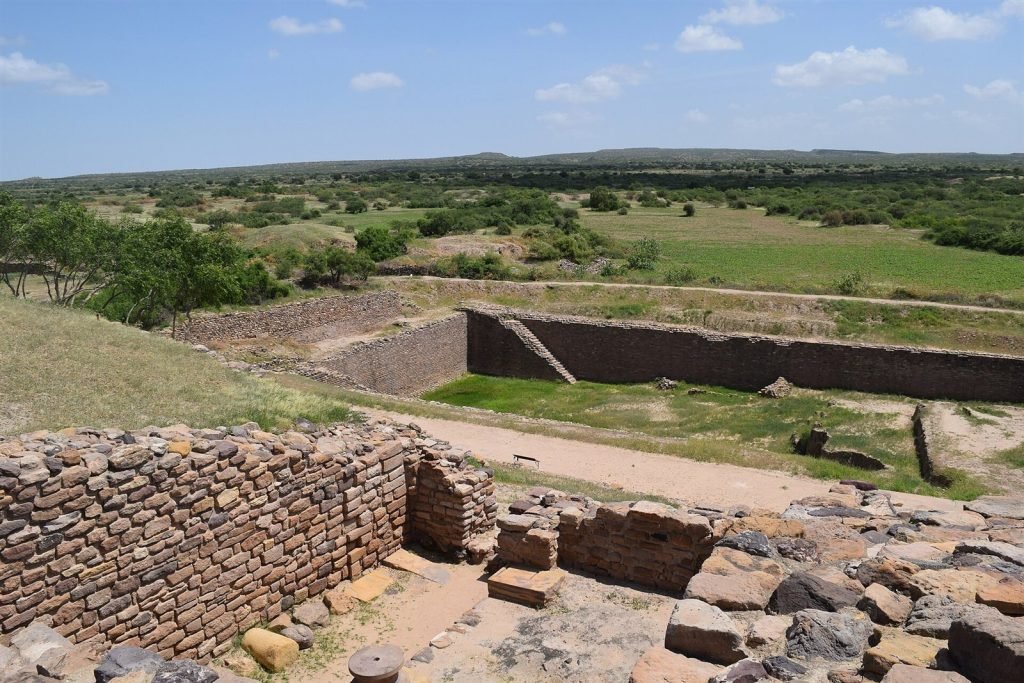
Vavol Shrines
How to get there
Vavol lies close to Gandhinagar and is easily reached by road from the city or from Ahmedabad. Local autos and app cabs are the simplest way in. As with many neighbourhood sites, ask locally for exact directions to specific shrines.
Best time to visit the Vavol shrines
Mornings and the cooler months are the most pleasant, and are also when local worship is often more active. Festival days can bring larger gatherings, which adds atmosphere but also crowds.
Good to know
- Dress modestly and remove shoes where required.
- Ask before photographing people at prayer.
- Keep visits quiet and respectful.
- Pair with other Gandhinagar sights.
Frequently asked questions
Are the Vavol shrines a major attraction?
No, they are primarily local places of worship, best suited to a short, quiet visit.
Do I need to pay to enter?
Temples like these are generally open to visitors, though customs and donations vary; follow local practice.
What should I wear?
Modest clothing is appropriate, and you may need to remove footwear at the shrines.
What Vavol is
Vavol is an old village on the edge of Gandhinagar, absorbed into the capital's outskirts as the planned city grew around it. That history is the interesting part: the shrines here predate the capital entirely, and they carry on serving a village community that now finds itself inside a modern city.
Set expectations accordingly. These are working neighbourhood temples, not monuments. There is no ticket, no signage in English and nothing arranged for visitors. What there is instead is an unhurried hour in a part of Gandhinagar that most people drive straight past.
Why it is worth an hour
The contrast is the point. Gandhinagar is one of India's few genuinely planned capitals — numbered sectors, wide avenues, government blocks, trees everywhere. Vavol sits at its edge and looks nothing like it: narrow lanes, older houses, small shrines with painted doorways and a rhythm set by the aarti rather than by office hours.
For anyone interested in how Indian cities actually absorb the villages they expand over, twenty minutes here says more than any amount of reading. The village is still visibly a village inside the grid.
How to visit
Mornings are best — the shrines are open and active for the early aarti, the light in the lanes is good, and the heat has not built. Evening aarti is the other option and is often busier.
Dress modestly and remove footwear before entering any of the shrines, as you would anywhere in Gujarat. Ask before photographing people or inside a sanctum; these are places of worship in a residential neighbourhood, and a camera can feel intrusive very quickly. If someone says no, that is the end of it.
Allow about an hour, and go on foot once you are there. The lanes are narrow and parking is easier on the approach roads.
Combining it with the capital
Vavol works best as a short stop folded into a wider Gandhinagar day rather than as a destination on its own. Akshardham, the Capital Complex, Mahatma Mandir with Dandi Kutir alongside it, Sarita Udyan on the Sabarmati and Indroda Nature Park are all within a short drive, and any of them pairs naturally with an early hour here.
When to go
October to March is the comfortable season in Gandhinagar, and mornings are the best time of day in any month. April to June is hot and the lanes offer little shade; go at first light or leave it. The monsoon is pleasant enough between showers, and the capital is at its greenest then.