
Region
North Gujarat, Patan and beyond
Best time
October to March
Ideal duration
Varies by route
Good for
Heritage, architecture, road trips
The regional vavs are the stepwells found across North Gujarat, from the world-famous Rani ki Vav in Patan to lesser-known examples tucked into towns and villages throughout the region. Built over centuries to store water and give cool, shaded gathering places, these subterranean structures range from simple to spectacularly carved. Touring them is a wonderful way to understand Gujarat's old water heritage and its remarkable stone craftsmanship.
Each vav has its own character, with stepped corridors descending to the water, carved pillars, shrines and sometimes elaborate sculpture. Some are grand and well maintained, others quiet and weathered, which makes seeking them out feel like a treasure hunt across the countryside. Because they are spread out, exploring the regional vavs suits a road trip that can also take in Modhera and Patan. Come to appreciate both the engineering and the artistry below ground.
What to see and do at the regional vavs
The showpiece is Rani ki Vav in Patan, a UNESCO-listed stepwell of astonishing carved detail that anchors any vav tour. Beyond it, smaller stepwells across North Gujarat reveal how widespread and varied these structures were, some richly sculpted, others plain and functional. Descending the steps to feel the cool and study the carvings is the essence of the experience. Watch your footing on old stone.
A vav circuit rewards curiosity, so ask locally about lesser-known examples in nearby villages. Combine the stepwells with the Modhera Sun Temple and Patan's bazaars for a rounded heritage trip. Facilities vary widely from site to site, so plan bases in larger towns. Guides at the major vavs help explain the carvings, legends and clever water design.
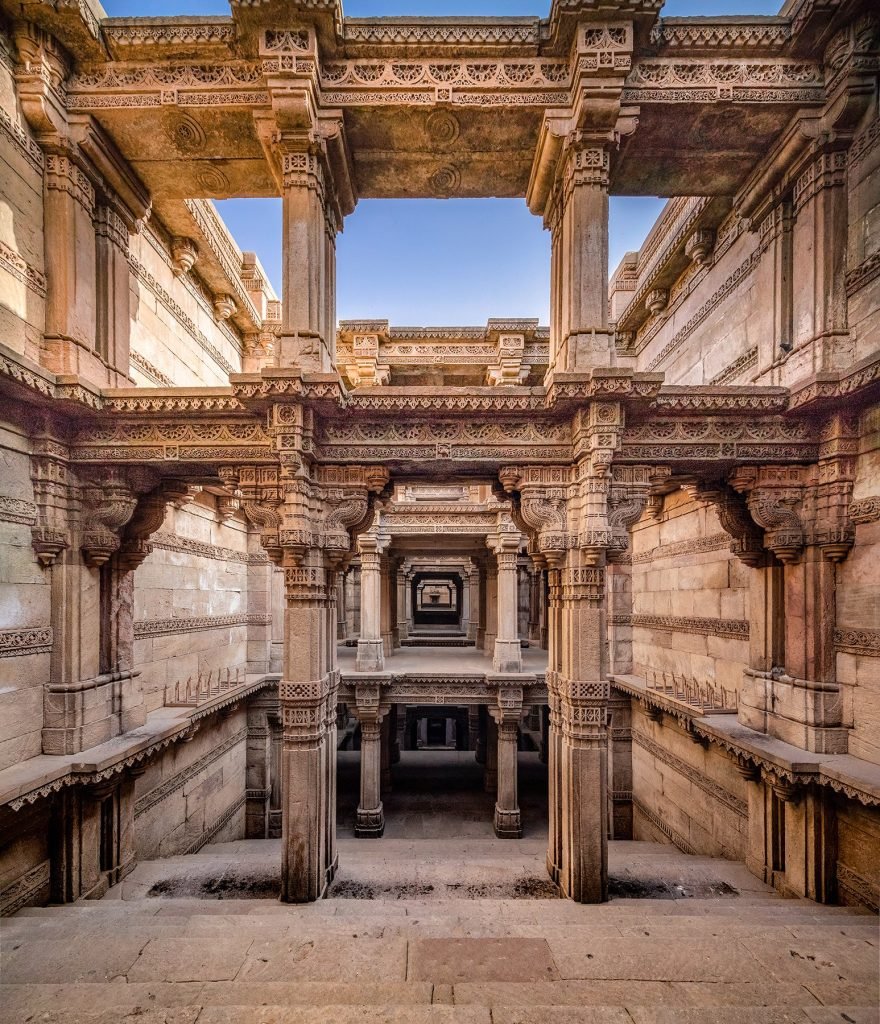
Regional Vavs
How to get there
The regional vavs are spread across North Gujarat, with Patan and Mehsana as useful bases reached by road and rail from Ahmedabad. Because the stepwells are scattered, a private vehicle is the most practical way to link several in one trip. The nearest major airport is in the Ahmedabad area, with local roads connecting the towns and villages.
Best time to visit
The cooler months from October to March are best for touring the stepwells above ground, though the vavs themselves stay cool inside. Daytime gives the best light for the carvings on the upper levels. Summers are hot for driving between sites, so an early start helps. Plan a route in advance to link several vavs comfortably.
Good to know
- Anchor your tour around Rani ki Vav in Patan.
- Use a private vehicle to link scattered stepwells efficiently.
- Watch your footing on the old steps as you descend.
- Ask locals about lesser-known vavs in nearby villages.
Frequently asked questions
What is a vav?
A vav is a stepwell, a subterranean structure built to store water and provide cool, shaded space, often richly carved.
Which is the most famous?
Rani ki Vav in Patan, a UNESCO World Heritage Site renowned for its detailed carving.
How do I see several vavs?
Plan a road trip across North Gujarat with a private vehicle, using Patan or Mehsana as a base.
A landscape written in wells
North Gujarat is stepwell country. The celebrated names — Patan's Rani ki Vav, Adalaj — are only the summit of a tradition that salted the whole region with carved wells: village vavs at crossroads, merchant-endowed wells on the old caravan roads, small queenly commissions in market towns. Water here lay deep and the dry months long, so communities dug for it grandly — flights of steps descending five and seven storeys through pillared pavilions, the walls carved with deities, dancers and geometry, the whole structure cooling as it sank.
The rewards of hunting the lesser vavs are real. Modhera's neighbourhood keeps wells within reach of the Sun Temple; Kapadvanj, Vadnagar and Mehsana district's villages hold vavs that would headline any other state; and towns like Malpur and Idar carry multi-storey wells that see a handful of outside visitors a year. Most are unticketed, some half-forgotten, a few still in daily use for their original purpose.
Reading a vav
Every stepwell runs the same grammar: an entrance pavilion at ground level, a stepped corridor descending through storeys of columned galleries, and the well shaft at the far end where the water stands. The carving concentrates at the landings — niches with Vishnu's avatars, mother goddesses, elephant friezes — and the deeper you go the cooler the air falls, the architecture doubling as the region's oldest air-conditioning. The finest were built under the Solanki dynasty between the tenth and thirteenth centuries; later Sultanate-era wells wear their ornament in geometric dress.
Practical notes
Build a vav trail rather than a single stop: Patan and Modhera anchor a day, Adalaj joins the Ahmedabad end, and the village wells fill the road between. Carry a torch for the darker galleries, watch footing on worn steps, and ask locally — 'vav' is a word every villager can point to. October to March is the walking season, and mid-afternoon, paradoxically, is fine: the wells were built to defeat exactly that heat.