
About Ponk
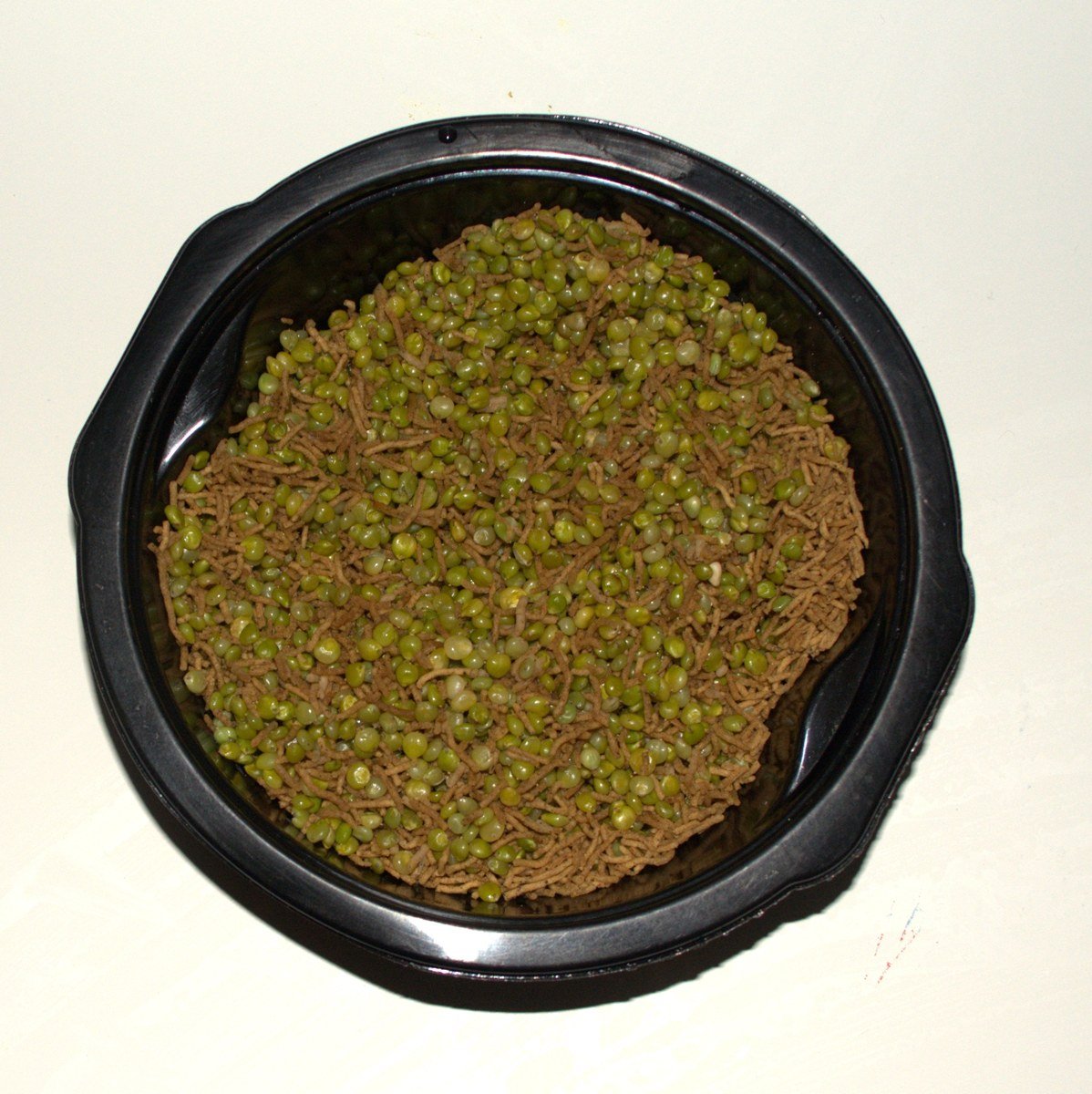
Ponk is the green, tender, still-milky grain of early-harvest jowar (sorghum), roasted lightly and rubbed free of its husk. Soft, nutty and faintly sweet, it’s eaten loose by the handful, usually mixed with crunchy sev (then called ‘ponk vaghareli’) and a squeeze of lemon or a dab of chutney.
It’s a true seasonal speciality — available only for a few weeks of winter, and almost entirely around Surat, which makes it something of a cult delicacy that Surtis wait all year for.
Ponk is jowar — sorghum — harvested deliberately early, while the grain is still green, soft and full of milk rather than dried and hard. The window is narrow, a matter of weeks, and the whole trade depends on catching it. Bundles of the green ears are roasted over a low fire, then beaten and rubbed by hand to free the tender kernels, which emerge pale green and slightly chewy.
The labour involved explains the price. Separating ponk is done manually, ear by ear, and the yield from a bundle is small, so it has always been a treat rather than a staple despite being grown in ordinary fields. Around Surat the work is a seasonal occupation in itself, with families in the surrounding villages roasting and rubbing through the short winter window.
It is almost never eaten plain. The standard serving pairs it with a fistful of extra-fine sev, lemon juice, salt and chilli, and often with vada — small fried gram-flour balls — and a garlic or date chutney alongside. Some shops sell it as ponk bhel, tossed with all of these together, which is the version most visitors meet first.
The story
Ponk is harvested from sorghum fields around Surat in the short window when the grain is young and tender. Its brief season and labour-intensive preparation have made it a prized winter treat unique to south Gujarat.
Key ingredients
How it's made
Harvest young
Sorghum is cut while the grain is still green and milky.
Roast
The ears are roasted lightly over a fire.
Thresh by hand
The soft grains are rubbed free of their husks.
Serve
Eaten loose, often tossed with sev, lemon and chutney.
How it tastes
Ponk is mild, milky and faintly sweet, with a soft pop as each tender kernel gives way — closer to fresh green peas than to any grain most visitors will have eaten. On its own the flavour is delicate almost to the point of plainness, which is why it is always served dressed with lemon, salt, chilli and a heap of fine sev that supplies the crunch and heat.
Where to eat it
Ponk belongs to Surat and the country immediately around it, and it appears in the city’s markets and on street carts only for a few weeks each winter. Roadside stalls on the outskirts roast it fresh over coals, and Surat’s farsan shops sell it by weight through the season. It does not travel or keep, so it must be eaten close to where it is grown.
Worth seeking out
Plain Ponk
Just the tender roasted grains.
Ponk Vaghareli
Tossed with sev, lemon and chutney.
Ponk Patties
Pressed into spiced fritters.
Pairs well with
On the table
Ponk is one of the most strictly seasonal foods in India, available only from roughly December to February when the jowar is at the right stage of ripeness, and gone entirely by the time the crop matures. Surtis treat the arrival of the first ponk as a marker of winter and eat it as an afternoon or evening snack for as long as the season lasts.
Foodie tips
Good to know
What is ponk?
Tender, green, early-harvest sorghum grain, lightly roasted and eaten loose — a winter delicacy of the Surat region.
Why is ponk only available in winter?
It must be harvested in the short window when the sorghum grain is still young and milky, which happens only in winter.
How is ponk eaten?
By the handful, usually tossed with crunchy sev, lemon and chutney — a combination called ponk vaghareli.
Where can I find ponk?
Almost exclusively around Surat and south Gujarat, sold by weight in season.
WHERE TO STAY
Find your stay in Gujarat
Compare live prices across the big booking sites and reserve in a few taps. Booking happens securely on the partner's site — we may earn a small commission at no extra cost to you.
Book directly on our partner sites — tap a provider to see live Gujarat hotels & prices:
SHOP THE REGION
Bring home Gujarat — & travel essentials
Hand-picked crafts and trip gear, available on Amazon.