
Region
Banni grasslands, Kutch
Best time
Winter, after a good monsoon
Ideal duration
Half a day
Good for
Birdwatchers, wildlife photographers, naturalists
Chari Dhand is a seasonal wetland on the fringe of the Banni grasslands in Kutch, a shallow depression that fills after the monsoon and becomes a magnet for waterbirds. In a largely dry, arid region, this pocket of water and reed is a lifeline, drawing large numbers of migratory and resident birds when conditions are right. For birdwatchers and photographers, it is one of the quiet rewards of exploring Kutch beyond its famous salt flats.
The character of Chari Dhand changes dramatically with the seasons. After a strong monsoon it can spread into a broad shallow lake alive with wings; in a dry year it shrinks considerably. The surrounding grasslands and their grazing animals add to the sense of wild, open country. This is a natural area with minimal development, so come with the mindset of a patient observer rather than expecting facilities or crowds.
What to see and do at Chari Dhand
Birdwatching is the reason to come. When water levels are good, the wetland can host large gatherings of ducks, waders, raptors and other species, best appreciated with binoculars and an early start. Move quietly and let the birds settle rather than pushing too close.
The wider Banni grassland setting is worth taking in too, with its open horizons and pastoral life. A local guide familiar with the area greatly improves your chances of good sightings and safe navigation. Combine a visit with other Kutch wildlife spots for a fuller natural-history day.
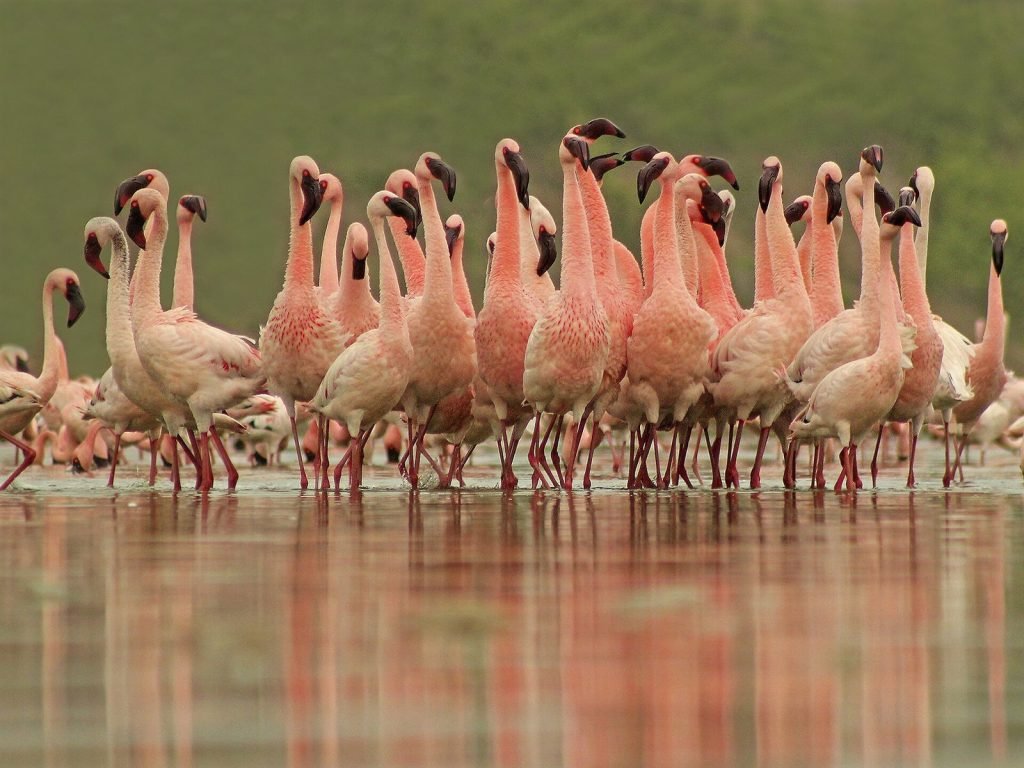
Chari Dhand
How to get there
Chari Dhand lies in the Banni region north of Bhuj, and reaching it involves driving out across grassland tracks that are easiest with a knowledgeable local guide or driver. There is no significant public transport to the wetland itself, so a hired vehicle is the practical way in. Because it is a natural and sometimes protected area, check current access arrangements before setting off.
Best time to visit Chari Dhand
The cooler winter months following a good monsoon are ideal, when water levels are high and migratory birds are present. Early morning offers the best light and activity. In dry years or the hot season the wetland can shrink or vanish, so time your visit to the post-monsoon, cooler window.
Good to know
- Carry binoculars and a zoom lens for distant birds.
- Set out at dawn for the most bird activity and softer light.
- Engage a local guide to find the water and navigate the grassland.
- Keep noise low and give birds space to avoid disturbing them.
Frequently asked questions
What birds can I see at Chari Dhand?
Depending on the season and water, expect ducks, waders, raptors and various wetland species, often in large numbers after a strong monsoon.
Is water always present?
No. It is a seasonal wetland that fills after the monsoon and can shrink or dry out in a poor rain year, so timing matters.
Do I need a guide?
A local guide is strongly recommended to find the water, spot birds and navigate the remote grassland tracks safely.
A wetland that is only sometimes a wetland
Chhari Dhand sits in the Banni grassland of Kutch, and for much of the year it is not water at all. A dhand is a shallow seasonal depression; this one fills after the monsoon from the small rivers coming off the Kutch hills, spreads across a wide area of the plain, and then shrinks steadily through the winter until it is dry ground again by late spring.
That cycle is the whole story of the place. Arrive in November and you find a substantial sheet of shallow water with birds on it in thousands. Arrive in May and you find cracked earth and grazing cattle. Neither is wrong — but knowing which you are going to get is the difference between a good trip and a wasted drive.
Why birders come
It is one of the finest birding sites in western India, and the reason is the combination of shallow water, open grassland and near-total absence of disturbance. Common and demoiselle cranes arrive in large flocks. Flamingos work the shallows. Pelicans, storks and a long list of ducks and waders use the open water.
The raptors are the real draw for many. The open ground around the dhand holds harriers quartering low over the grass through the winter, along with eagles, falcons and vultures. Raptor densities here in a good season are exceptional by any standard.
Chhari Dhand was declared a Conservation Reserve, which gives it formal protection while leaving the Maldhari grazing rights that have always coexisted with the wildlife.
How to visit
Go with a local guide. This is open country crossed by unmarked tracks, the dhand moves as it dries, and knowing where the water and the birds are on a given week is knowledge you cannot get from a map. Guides work out of Bhuj and the Banni villages, and hiring one roughly doubles what you will see.
Dawn is the hour. The light is best, the birds are active, and the harriers are up over the grass before the heat builds. Bring binoculars and, if you photograph, the longest lens you own — everything here is across water and further away than it looks.
Practical notes
November to February is the season: the water is high, the migrants are in, and the days are cool. By March the dhand is shrinking and the birds are thinning out. April to June it is dry, hot and largely empty. During and just after the monsoon the tracks can be impassable.
There are no facilities of any kind — no shade, no water, no signage. Carry everything you need. Bhuj, about an hour and a half away, is the practical base, and a Chhari Dhand morning combines naturally with the Banni grassland, the craft villages at Nirona and Hodka, and the white Rann further north.