
Region
Panchmahal, eastern Gujarat
Best time
Roughly October to March
Ideal duration
Half a day
Good for
Pilgrimage, views, a short climb
The Pavagadh summit is topped by a much-revered temple that draws a steady stream of pilgrims, and reaching it is part of the experience. The hill rises abruptly from the plain, so the climb rewards you with wide views over the surrounding countryside and the scattered ruins of Champaner below. Whether you walk the steps or ride the ropeway, the last stretch is busy with the energy of a working shrine.
Around the summit you will find the usual mix of a hilltop pilgrimage site: stalls, small shrines and knots of visitors. It can get crowded on weekends and festival days, so timing your visit matters if you prefer a calmer atmosphere. The setting, high and breezy, is a large part of the appeal.
What to see and do at the Pavagadh summit
The hilltop temple is the focus for most visitors, and the queues can be long during peak times. Beyond the shrine, take a little time to enjoy the panoramas, which on clear days stretch far across the plains. The ropeway itself offers a memorable ride up the steeper section.
If you are reasonably fit and want the traditional approach, the stepped path lets you take in shrines and viewpoints along the way. Wear comfortable shoes and pace yourself, as the ascent is steady rather than gentle.
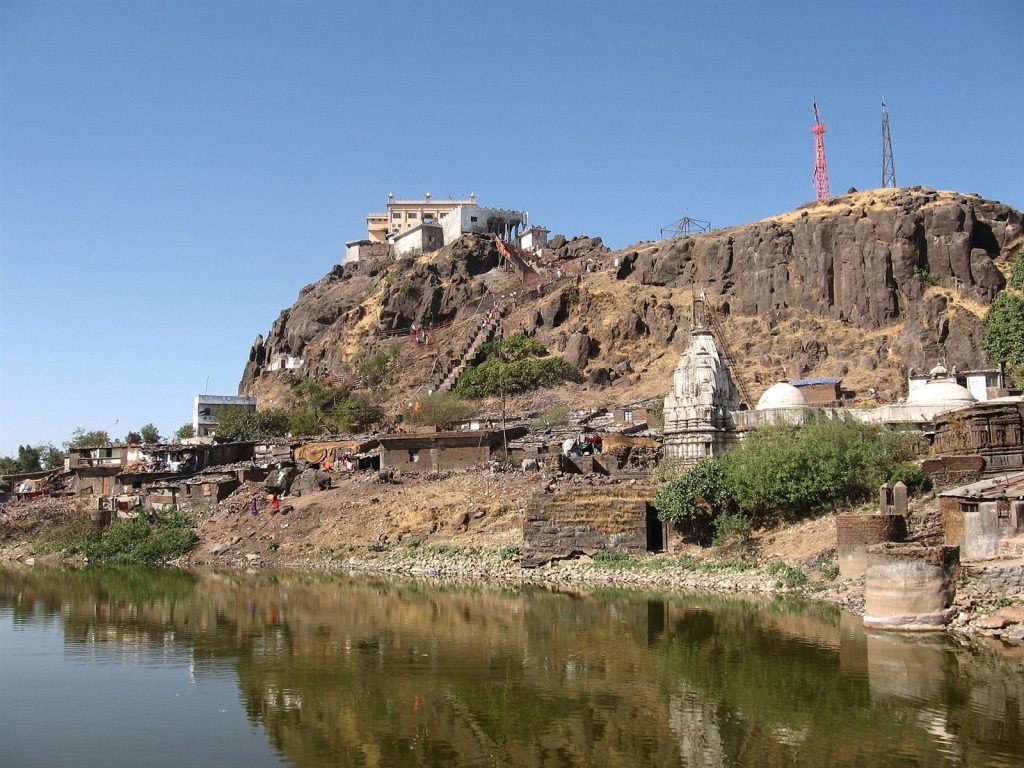
Pavagadh Summit
How to get there
Pavagadh lies inland from Vadodara, the nearest big city with air and rail links. From there you reach the base by road, then continue up either on foot or by ropeway for the final climb. Many visitors combine the summit with the Champaner ruins spread out below.
Best time to visit
The cooler, clearer months from about October to March give the best views and the most comfortable climb. Festival periods bring large crowds, so a weekday visit outside those times is calmer. Monsoon can make steps slippery and wrap the summit in mist.
Good to know
- Go early to avoid both heat and the heaviest crowds.
- Choose the ropeway if the full climb feels daunting.
- Carry water and wear grippy footwear for the steps.
- Weekdays are far quieter than weekends and festival days.
Frequently asked questions
How do you reach the Pavagadh summit?
You can climb the stepped path on foot or take a ropeway for the steeper upper section. Both bring you near the hilltop temple.
Is it a hard climb?
The walk up is steady and can be tiring, but the ropeway removes most of the effort for those who prefer it.
Is it crowded?
It can be very busy on weekends and during festivals; weekday mornings tend to be calmer.
The peak above the lost capital
Pavagadh's summit stands about 800 metres over the plain, crowned by the Kalika Mata temple — one of Gujarat's three great goddess seats and a Shakti Peetha, where a fragment of the goddess is held to have fallen. Below it spreads the UNESCO-listed Champaner landscape: the summit is the sacred apex of a hill that was also fortress, capital and battleground.
The temple itself is ancient at core, rebuilt over centuries, and in 2022 it was renewed with a gold-plated spire — restoring a shikhara the summit had lacked for five hundred years. The sanctum's presiding image of Kalika, flanked by Kali and Bahucharaji, receives an unbroken stream of pilgrims from opening to close.
Steps or ropeway
Two ways up. The pilgrim path climbs roughly 2,000 steps from the base through the fort gates and the hill's layered monuments — allow two to three hours up, and take it if you want the mountain rather than just the shrine. The ropeway from Manchi plateau lifts you over the steepest section in minutes, leaving a final stretch of around 250 steps to the temple door. Most visitors combine: vehicle or bus to Manchi, ropeway up, steps down.
Either way, the last flight belongs to everyone equally — the summit queue on a festival day is itself a spectacle, coconuts and chundadis passing hand to hand.
At the top
Darshan is the purpose; the view is the reward. On a clear day the plain runs unbroken to Vadodara's haze, with Champaner's mosques and tanks laid out like a map directly below — the one vantage from which the whole World Heritage landscape reads at once. Note the shrine of Sadanshah Pir on the temple's upper level, a Sufi presence the goddess's summit has accommodated for centuries — worth knowing as an emblem of the hill's layered faiths.
Practical notes
October to March is the comfortable season; the monsoon wraps the summit in cloud and makes the steps slick; summer climbing belongs to dawn. Navratri and Chaitra bring the great melas, when lakhs climb and queues run to hours — electrifying if you want the phenomenon, to be avoided if you want quiet darshan.
Start early regardless: the ropeway queues build by mid-morning on weekends. Footwear goes into deposit before the final steps; dress modestly; and mind the monkeys, which are professional thieves of prasad and spectacles alike. The summit pairs naturally with the Champaner ruins below — hill and city were one capital, and the day is best spent on both.