
Region
Ahmedabad, central Gujarat
Best time
Evenings; winter months overall
Ideal duration
One to two hours
Good for
Walks, families and city views
The Sabarmati banks in Ahmedabad have been reshaped into a broad riverfront with walkways, lawns and open spaces on both sides of the water. It has become one of the city's favourite places to stroll, especially in the evenings when the heat eases and families come out. The long, level promenade makes for an easy, unhurried walk with the river on one side and the city on the other.
This is very much an urban leisure space rather than a wild river landscape, so expect paved paths, seating, joggers, food stalls and events at different points along the banks. The scale of it is the appeal: you can walk a long stretch, watch the light change over the water, and get a sense of how the city relates to its river. It suits a relaxed pause more than a full day out.
What to see and do along the Sabarmati banks
Walking or cycling the promenade is the obvious pleasure, with wide views across the water and space to spread out. Sunset is a popular time, and the lit-up stretches in the evening have their own atmosphere.
At various points you may find gardens, markets, boating and occasional events or exhibitions. It also connects you to nearby parts of the city, so it works well as a break between other Ahmedabad sights.
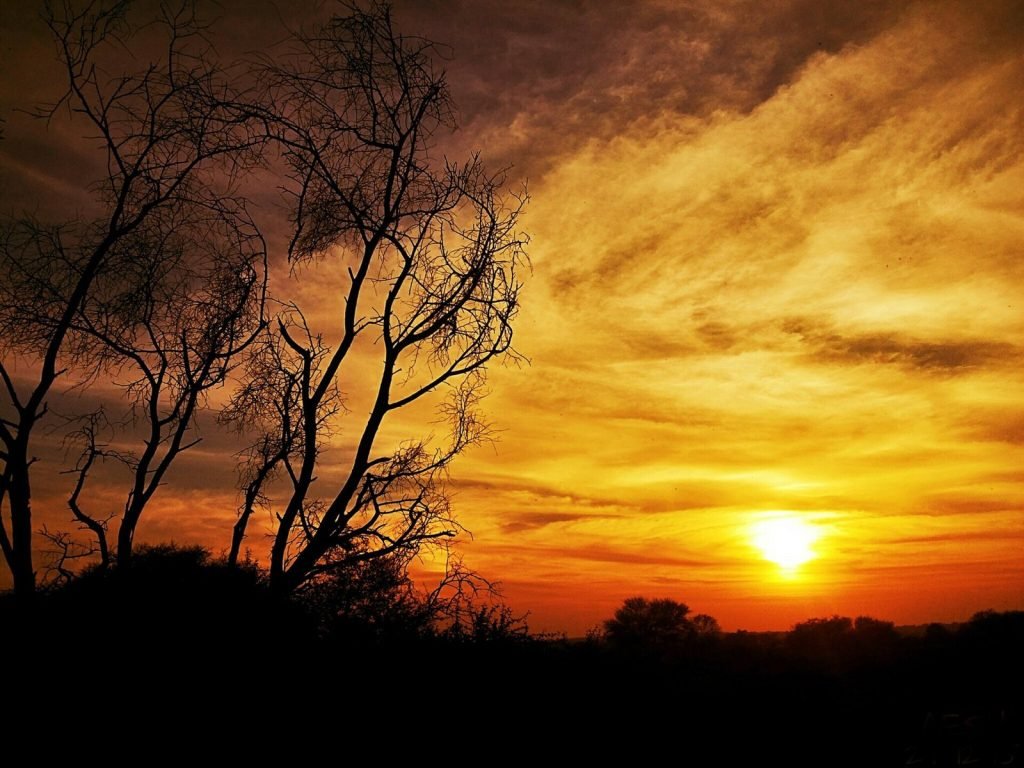
Sabarmati Banks
How to get there
The riverfront runs through central Ahmedabad and is easy to reach by taxi, auto or app cab from anywhere in the city. Several access points and parking areas line both banks, so you can join the promenade close to wherever you are staying.
Best time to visit the Sabarmati banks
Evenings are the most enjoyable, when temperatures drop and the promenade fills with people. Across the year, the winter months are the most comfortable for daytime walks; summer afternoons can be harsh out in the open.
Good to know
- Come at sunset or after dark for the best atmosphere.
- Carry water and sun protection by day.
- Weekends and holidays get busy.
- Pair it with other central Ahmedabad sights.
Frequently asked questions
Is the Sabarmati riverfront free to enter?
General access to the promenade is typically open, though specific attractions or events may charge; check locally.
Is it suitable for families?
Yes, the flat, open walkways and lawns make it easy for families and children.
When is it busiest?
Evenings, weekends and public holidays draw the largest crowds.
What the riverfront actually is
For most of Ahmedabad's history the Sabarmati was a seasonal river with an untidy edge — dry sand for much of the year, floods in the monsoon, and informal settlement along the banks. The Sabarmati Riverfront project, built out through the 2000s and 2010s, walled both banks, held water in the channel year-round, and turned roughly eleven kilometres of river edge on each side into continuous public space.
The result is two levels: a lower promenade running beside the water, and an upper level carrying roads, parks and gardens. It is one of the largest urban riverfront reclamations in India, and it changed how the city faces its river.
How to use it
Walk the lower promenade in the early morning or the last two hours of daylight — in between, the concrete holds heat and the walk is much less pleasant. The stretch between Ellis Bridge and Subhash Bridge is the liveliest; the flower park and the event grounds anchor the middle section, and Atal Bridge — the pedestrian S-curve with its kite-coloured canopy — is the centrepiece and the obvious destination for a first visit.
Boating operates on the impounded stretch, cycle tracks run along sections of the upper level, and the evening food stalls near the bridge ends are where the crowd gathers. Sunday morning brings the Ravivari — the old riverside flea market, relocated onto the lower bank — which is worth an hour on its own.
Birds, and the winter spectacle
The impounded water pulls in birds year-round — cormorants, egrets, gulls and terns — but the winter gathering of migratory gulls is the show. Through the cold months, thousands of black-headed and brown-headed gulls mass along the river, and feeding them from the bridges and the promenade edge has become an Ahmedabad winter ritual in itself. Early morning at Ellis or Nehru Bridge in December and January is the time and place.
Where it connects
The riverfront stitches together much of what a visitor does in Ahmedabad anyway. Sabarmati Ashram sits on the west bank upstream, and the walled city — the pols, Jama Masjid, Sidi Saiyyed and Bhadra Fort — is a short distance east of the river. Atal Bridge links the flower park to the event grounds, and the promenade makes a walkable spine between sights that would otherwise be separate auto rides.
A workable evening: reach the west bank an hour before sunset, walk the lower promenade to Atal Bridge, cross as the lights come on, and eat at the stalls on the far side.
Practical notes
Access points with parking are spaced along both banks, and entry to the promenade is free; the bridge, boating and some gardens are ticketed separately. October to March is the season — the winter gulls, comfortable evenings and the best light. The monsoon raises the river and parts of the lower promenade can close when gates upstream release water; the upper level stays open. Summer confines any visit to the first and last hours of the day.