
Region
Great Rann of Kutch, western Gujarat
Best time
Winter, especially around the full moon
Ideal duration
One to two days
Good for
Landscape lovers, photographers, festival travellers
The White Rann is the great salt flat of Kutch, an enormous, almost blinding expanse where the earth turns to white crust as far as the eye can reach. After the monsoon waters recede and dry, the seasonal marsh hardens into a shimmering plain that has become one of Gujarat's most famous sights. Standing on it, with the horizon dissolving into haze, is a genuinely surreal experience, particularly at sunset and under a bright moon when the salt seems to glow.
This landscape is at its most accessible in the cooler months, which is also when the region's well-known desert festival brings tents, crafts and cultural performances to its edge. Beyond the festival, the appeal is elemental: sheer emptiness, huge skies and light that shifts through the day. It is a place that photographs beautifully but is best simply stood in and absorbed. Come prepared for open, exposed terrain with few natural comforts.
What to see and do at the White Rann
The main experience is walking out onto the salt flat itself, ideally timed for sunset or a full-moon night when the white surface takes on an otherworldly glow. The sheer scale and silence are the point, so give yourself time to simply look and take it in.
During the winter festival season, the nearby tent city offers craft stalls, food and cultural programmes, along with camel rides and activities at the desert's edge. Sunrise is another rewarding moment. Whatever you plan, dress for wind and cold nights, and carry water for the exposed conditions.
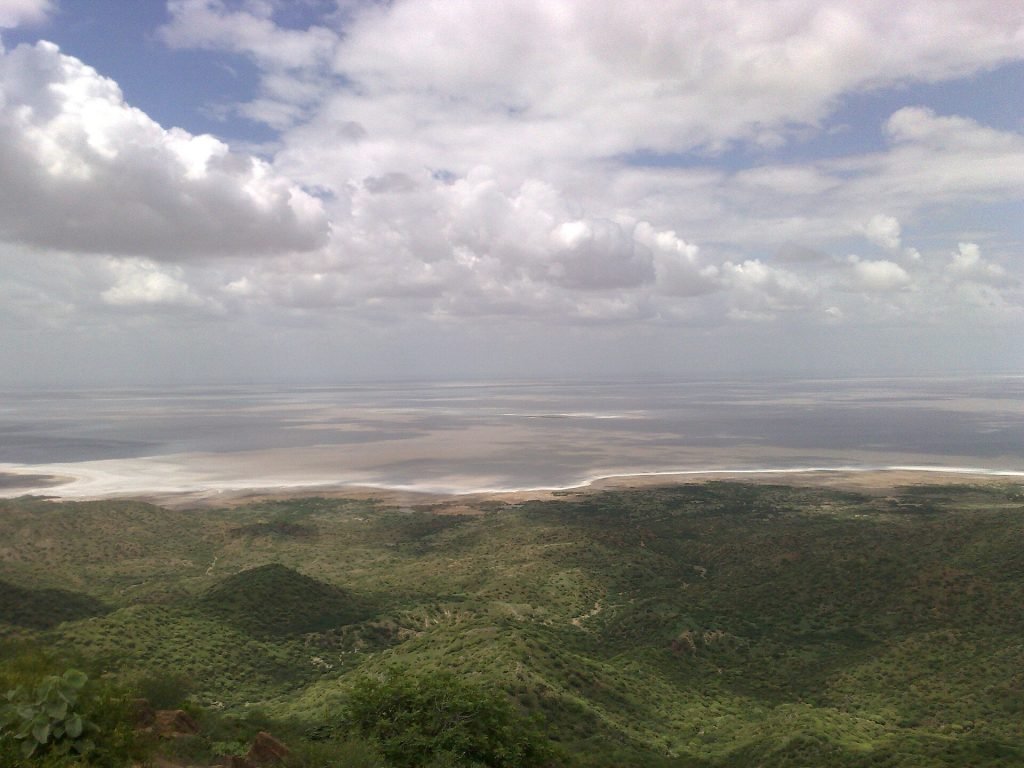
The White Rann
How to get there
The White Rann is reached from Bhuj, the gateway town of Kutch, with the salt flats lying beyond the village of Dhordo to the north. Access to the Rann typically involves a permit arrangement at a checkpoint, and most visitors travel by car or as part of an organised trip. Confirm current permit and access rules before you go, as these are managed and can change with the season.
Best time to visit the White Rann
Winter is the season for the White Rann, when the salt has dried to its brilliant white and the weather is cool enough to enjoy the exposed landscape. Full-moon nights are especially prized. During the monsoon the flats are underwater, and summer is punishingly hot, so the cooler months are the clear choice.
Good to know
- Plan around a full moon for the most magical nighttime views.
- Dress in layers, as desert nights can be surprisingly cold.
- Check permit and access requirements before travelling to the flats.
- Bring water and sun protection for the shadeless expanse.
Frequently asked questions
Why is the Rann white?
It is a vast salt marsh that floods in the monsoon and then dries, leaving a thick crust of white salt across the plain in the cooler months.
Do I need a permit?
Access to the Rann is generally managed through a permit or checkpoint. Requirements can change, so verify the current process before your trip.
When is the desert festival?
The well-known Rann festival runs through the winter season. Dates shift each year, so check the latest schedule before planning around it.
How a sea becomes a mirror
The White Rann is the monsoon's leftover, refined. Each summer the Arabian Sea and the rain push water across the Great Rann of Kutch, dissolving the ground's salt into a vast, shallow brine; each autumn the water evaporates faster than it can drain, and by November the brine has laid its salt back down as a crust — flat as a calm sea, white as paper, running to the horizon in every direction. The crust squeaks and crunches underfoot, polygonal plates tiling the surface, and the flatness plays tricks: distances collapse, camels appear to float, and the earth's curve becomes almost visible at the edges.
Moonlight is the Rann's signature performance. On full-moon nights the crust throws the light back like snowfield, bright enough to read by, and the horizon dissolves so completely that walking out feels like crossing into sky. The Rann Utsav — the tent-city festival that runs roughly November to February near Dhordo — is built around exactly this, with camel carts rolling visitors onto the white for the moonrise, folk musicians playing against the silence, and the festival's craft bazaars filling the days between.
Beyond the white
The salt flat is one organ of a larger body. The Banni grasslands south of it carry the herders' villages — Hodka, Ludiya, the bhunga roundhouses with their mirror-worked walls — whose crafts and music give the Utsav its content. Kalo Dungar, Kutch's highest point, looks down on the white from its northern edge with the famous magnetic-road curiosity on the climb. And the same brine that makes the crust feeds flamingo breeding grounds out in the flats — the Rann is a working ecosystem wearing a spectacle's face.
Practical notes
Access runs through Dhordo, about 85 kilometres from Bhuj; visitors need the simple Rann permit sold at the Bhirandiyara checkpoint en route. Full-moon dates book out furthest ahead — the Utsav's tents at the top of the market, Hodka's homestays and Bhuj's hotels beneath — and December–January gives the hardest, whitest crust with genuinely cold nights that need proper layers. Day visits are easy; sunset into moonrise is the sequence worth planning for. The season ends when the heat comes; by April the Rann is an anvil, and in the monsoon it returns, briefly, to being sea.