Home › Bharuch Festivals › Narmada Aarti
SACRED RIVER · EVENING AARTI · GHATSLamps upon the holy river — the evening aarti of the Narmada at Bharuch sends light and song across the water, a daily act of devotion to one of India's most sacred rivers.
The Narmada is one of the holiest rivers of India — revered as a goddess, so sacred that even its mere sight (“Narmada darshan”) is said to bestow blessing — and at Bharuch, where the great river nears the sea, its ghats are places of devotion crowned by the evening aarti. As dusk falls on the riverbank, the aarti unfolds: priests circle great flaming lamps before the river, conches sound, bells ring, and hymns to Maa Narmada rise as devotees gather on the steps. Small leaf-boats bearing lamps and flowers (deepdan) are set afloat to drift glowing on the dark water. The ritual — light, sound, water and devotion together — is deeply moving, a daily honouring of the river that has given life and faith to the region for millennia. The Narmada aarti is most elaborate on festival days and is part of the wider tradition of river-worship that also draws pilgrims on the Narmada Parikrama (the circumambulation of the entire river). For the visitor, the Narmada aarti at Bharuch offers a serene, luminous experience of Hindu river-devotion — best caught at dusk on the ghats. (The evening aarti of the sacred Narmada at Bharuch’s ghats; lamps, song and devotion; most elaborate on festival days.)
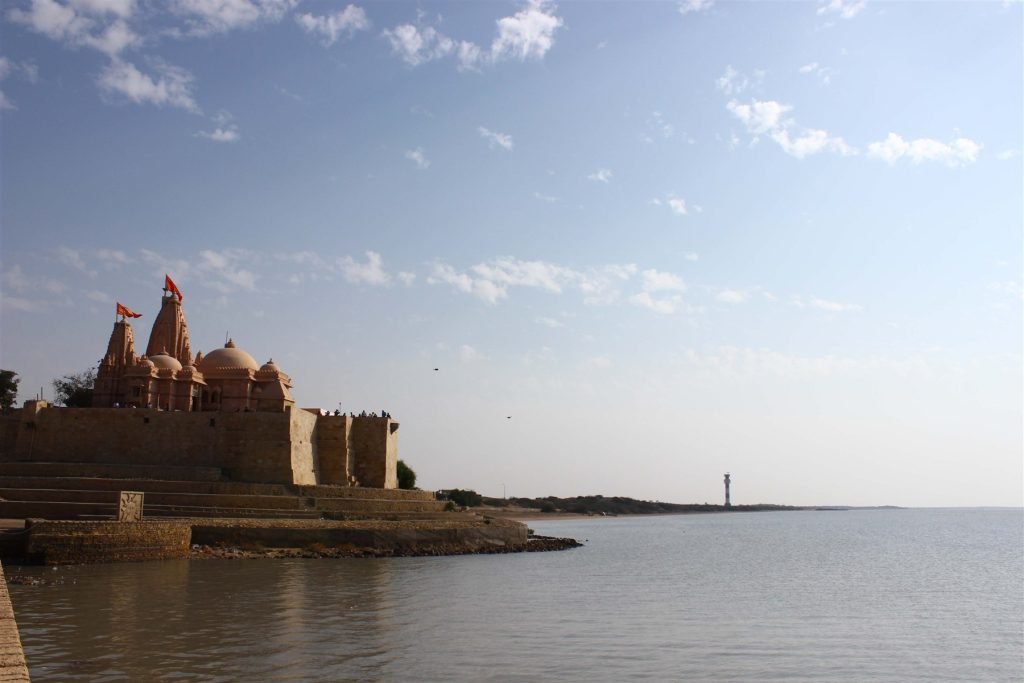
Narmada ghats, Bharuch. Source: Wikimedia Commons.
Narmada ghats. Wikimedia Commons.
The Narmada is worshipped as a goddess in her own right, not merely as a sacred river, and that distinction shapes everything about the aarti.
Tradition holds that the Narmada sanctifies by sight alone, where other holy rivers require bathing — which is why simply attending is enough.
At dusk the ghats at Bharuch fill for the lamp offering, with hymns, bells and the river carrying the light downstream.
It is a daily ritual rather than an occasional festival, performed every evening whether ten people come or a thousand.
Tiered brass lamps are circled before the water while the hymns are sung — the visual centre of the whole ritual.
The Narmada is one of the holiest rivers in India, and among the few worshipped as a goddess rather than named for one.
Dusk is the hour. The aarti is timed to the light going, and arriving late means standing at the back.
Deepdan follows — small leaf boats carrying a lamp and flowers, set on the current and watched until they go.
The hymns are addressed directly to Maa Narmada, and the crowd sings them rather than listening to them.
The reflected light on moving water is what people remember; photographs rarely do it justice.
THE AARTILamps circled before the river at dusk, every evening of the year.
THE CITYThe riverfront steps below the old town, where the ritual is performed.
Get to the ghats before dusk; the aarti is timed to the failing light and the good positions go early.
Watch the lamps circled before the water, which is the moment the whole ritual is built around.
Float a deepdan of your own — a leaf boat with a lamp and flowers, sold at the steps for a few rupees.
Listen to the hymns to Maa Narmada; the crowd sings along and joining in is expected rather than odd.
Stay a few minutes after it ends, when the lamps are still visible going downstream.
Come on a festival day for the fullest version, when the ritual is far more elaborate.
Narmada ghats. Wikimedia Commons.
At Bharuch, where the sacred Narmada nears the sea, the evening aarti honours the river revered as a goddess. At dusk, priests circle great lamps before the water, conches and bells sound, hymns to Maa Narmada rise, and devotees float glowing leaf-boats (deepdan). The ritual of light, sound and water is a deeply moving daily devotion, most elaborate on festival days. (The evening aarti of the sacred Narmada at Bharuch’s ghats; lamps, song and devotion; most elaborate on festival days.)
Our Bharuch travel guide maps out the other places worth your time here.
The evening aarti of the sacred Narmada
Held on the river ghats at Bharuch
Lamps, conches, bells and hymns to the river-goddess
Floating leaf-lamps (deepdan) on the water
The aarti happens at dusk every day of the year, so the season affects only the hour, not whether it runs.
Festival days and the monsoon months, when the river is high and fast, give the most dramatic version of it.
October to March is the most comfortable time to stand on the ghats; summer evenings are warm but bearable by the water.
⏰ At dusk daily; most elaborate on festival days — arrive a little early.
Vadodara / Surat.
Bharuch Junction.
On NH-48.
LIVING HERITAGE
Bhrigu’s City
A 2,000-year tapestry of traders, sages & faiths. Explore →
FAIR
Temple Melas
Faith with a fairground — the temple melas of Bharuch district gather devotees and villagers to its shrines on festival days, blending worship with the colour, trade and joy of a country fair. Explore →
COMMUNITY
Bohra Heritage
A distinctive community heritage — the Dawoodi Bohras have long been part of Bharuch’s fabric, bringing a refined culture of trade, distinctive dress, fine cuisine and elegant mosques. Explore →
CRAFT
Sujani Weaving
A weave unique to Bharuch — Sujani is a rare double-cloth handloom craft of Bharuch, producing soft, warm, air-filled quilted weaving found almost nowhere else. Explore →
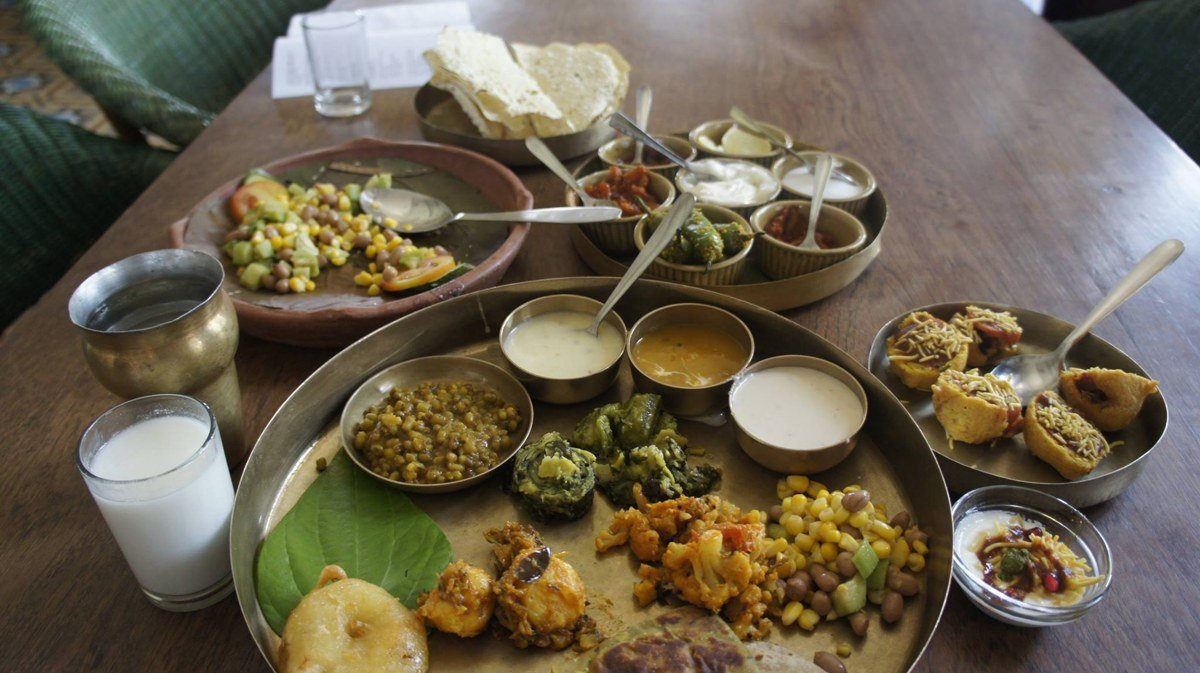
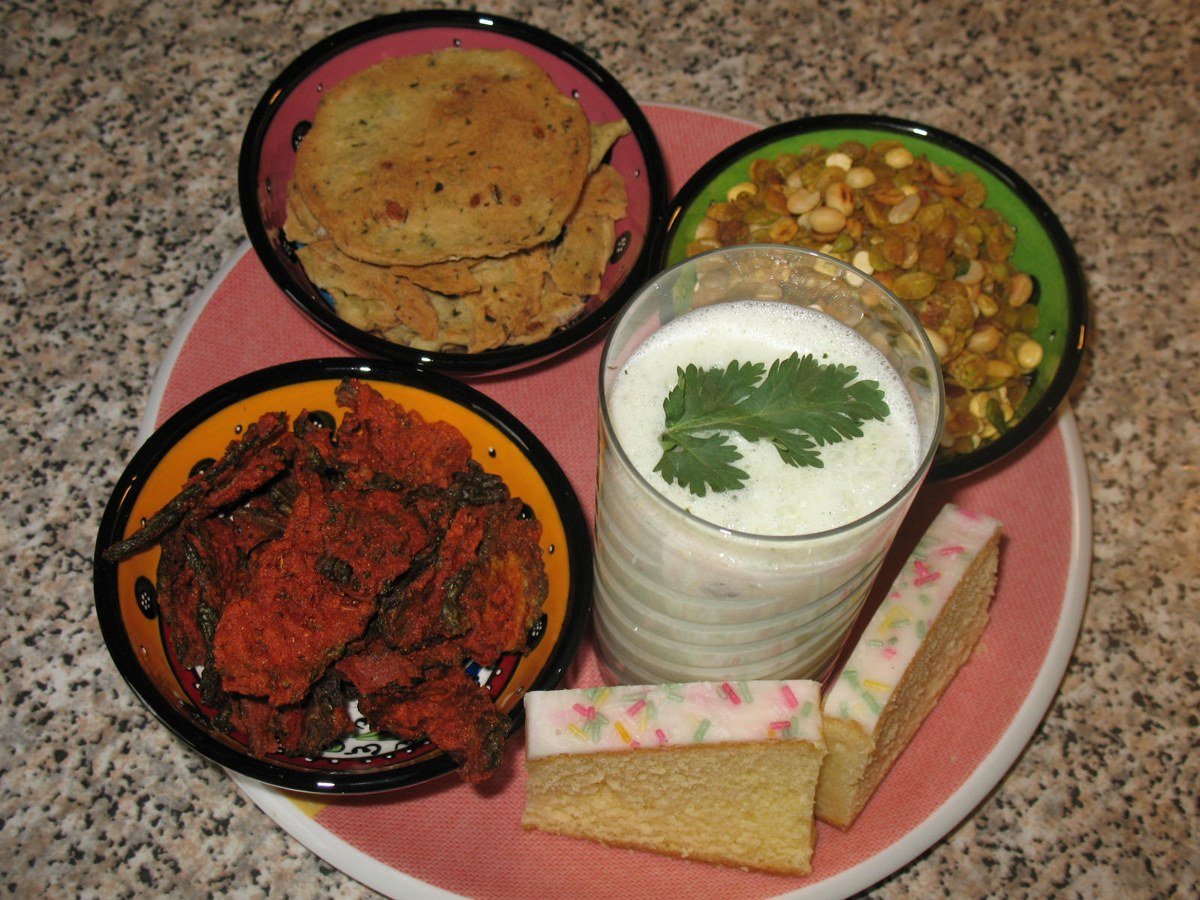
THALIHearty home cooking.
BOHRARich & distinctive.
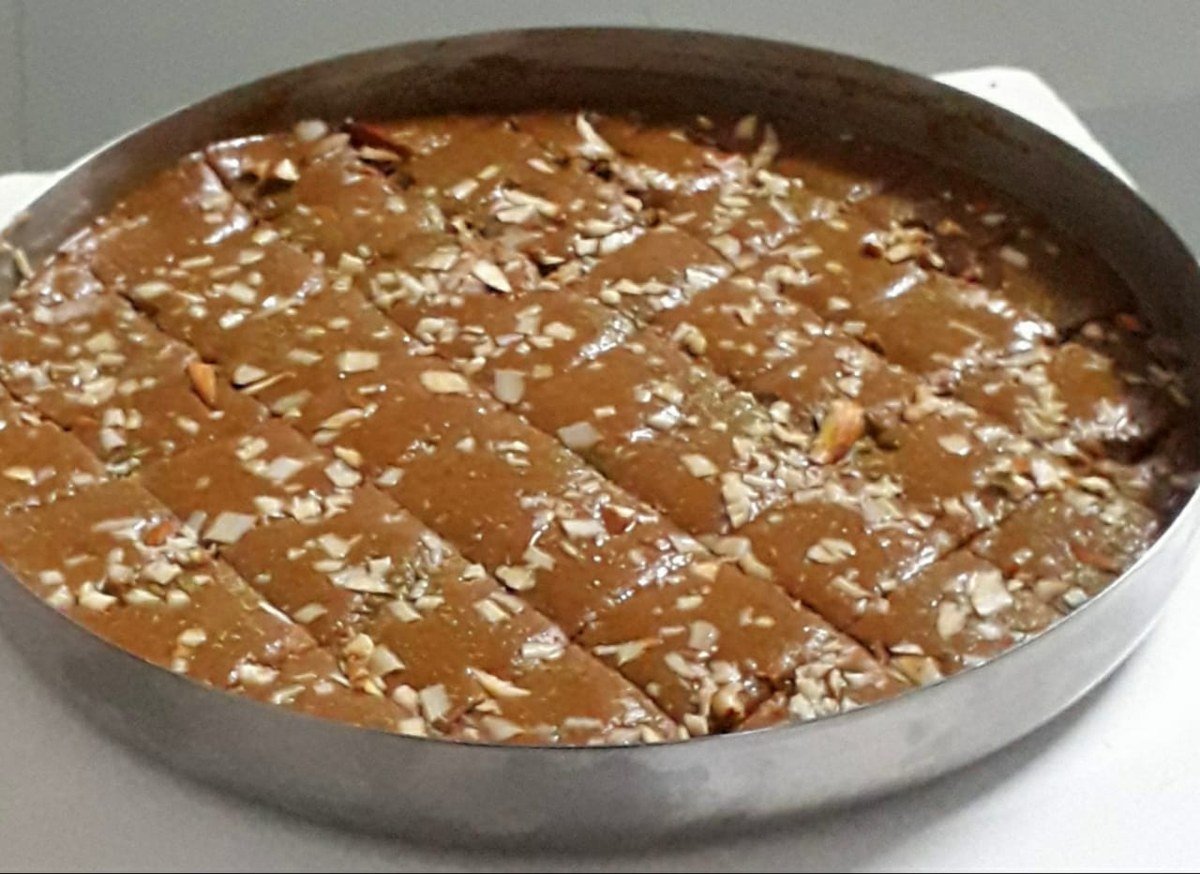
SUKHDIWheat-jaggery sweet.
CHAASSpiced buttermilk.
The evening lamp-worship of the Narmada, performed on the river ghats at Bharuch. Lamps are circled before the water to sung hymns, and worshippers float small leaf boats carrying lights onto the current.
At dusk, every day of the year. The timing shifts with the season, so ask locally on the day; on festival days the ritual is considerably more elaborate.
The Narmada is worshipped as a goddess in her own right. Tradition holds that she sanctifies by sight alone, where other sacred rivers require bathing — which is unusual and central to how she is venerated.
Deepdan — small leaf boats carrying a lamp and flowers, set on the river and carried downstream. They are sold at the steps and floating one is part of attending.
On the river ghats at Bharuch, below the old town on the Narmada. Chandod and Garudeshwar upstream hold their own aartis on the same river.
The Narmada Parikrama — the pilgrimage that circumambulates the entire river, down one bank and back up the other, traditionally taking over three years on foot.

India’s westernmost temple, by the sea
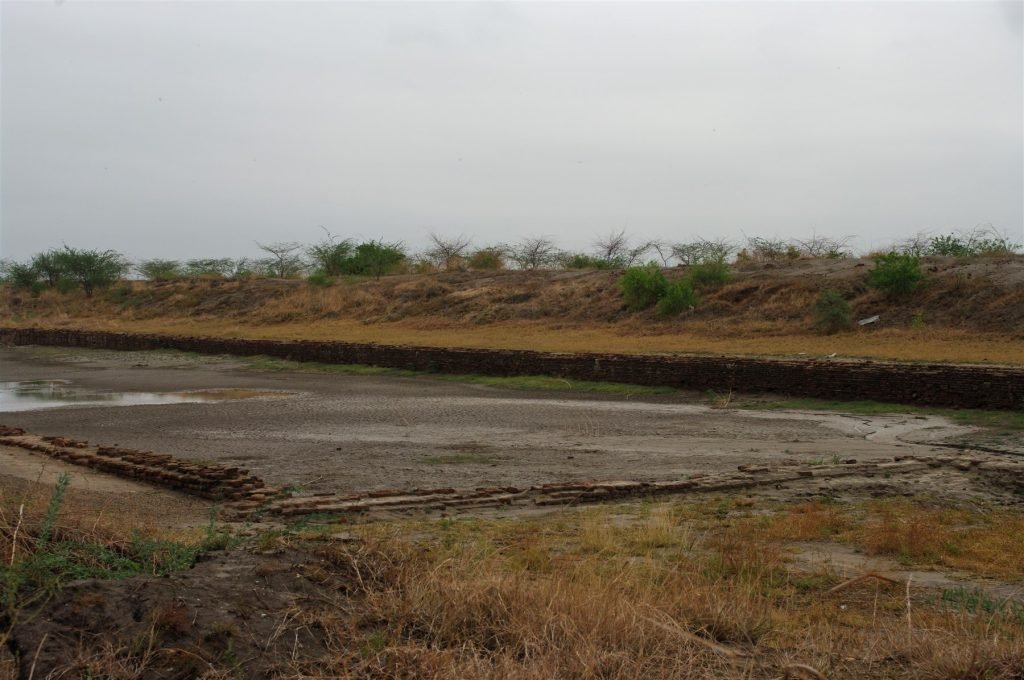
A 4,500-year-old Harappan port city
HERITAGEA historic 19th-century reading hall
COLONIALStately British-era civic architecture
The revered ashram-shrine of Bajrang Das Bapa — ‘Bapa Sitaram’ — at Bagdana, a great centre…
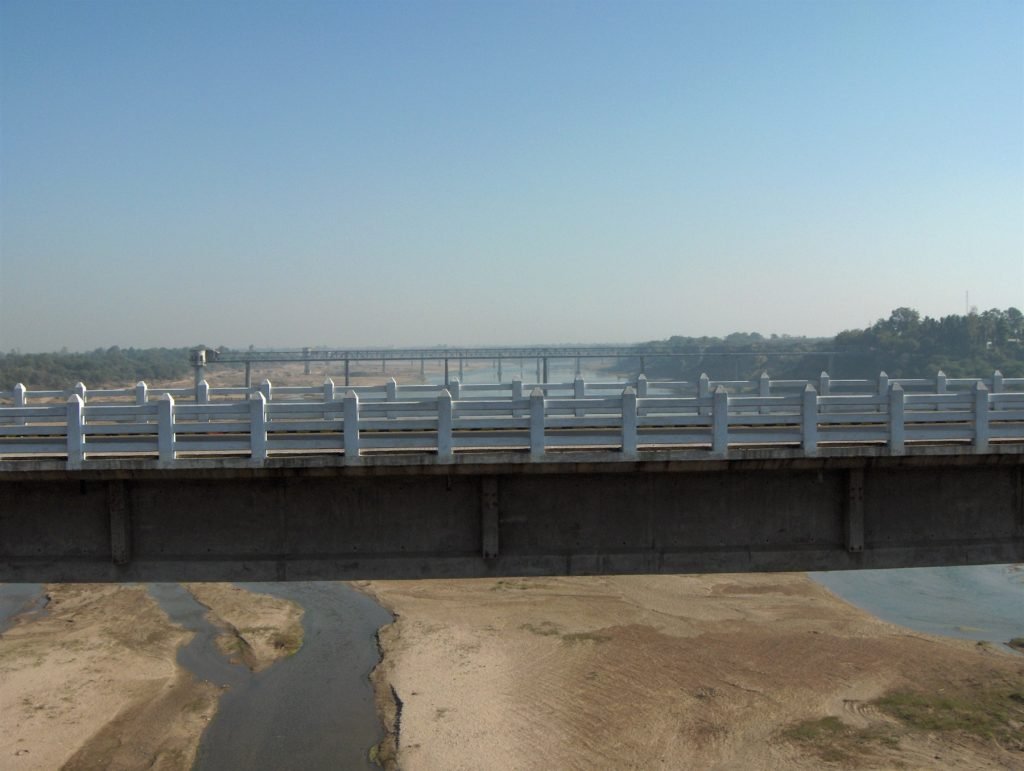
RIVERFRONTGreen riverbanks winding through the city
WHERE TO STAY
Compare live prices across the big booking sites and reserve in a few taps. Booking happens securely on the partner's site — we may earn a small commission at no extra cost to you.
Book directly on our partner sites — tap a provider to see live Gujarat hotels & prices:
SHOP THE REGION
Hand-picked crafts and trip gear, available on Amazon.
Published 24 June 2026 · Updated 3 July 2026
We’re an independent group of writers and travellers documenting every corner of Gujarat — one place, plate and festival at a time.
Search Gujarat Explorer
Find places, food, festivals and travel guides across Gujarat
Press Enter to search — or Esc to close
Plan Your Trip
Gujarat Explorer is an independent travel guide. We’re happy to help you shape an itinerary and point you to the right places, stays and experiences across Gujarat.
Book a Cab