Home › Sabarkantha Festivals › Polo Festival
FOREST CULTURE · RUINS · POLODeep in the Aravalli hills of Sabarkantha lies the Polo Forest at Vijaynagar — a hidden valley of 10th–15th-century temple ruins wrapped in dense woodland along the Harnav river, and a festival that celebrates this once-forgotten heritage.
The Polo Forest, near Vijaynagar in the Aravalli hills of Sabarkantha, hides a remarkable secret — a cluster of ruined Hindu and Jain temples from the 10th to 15th centuries, scattered through dense woodland along the Harnav river. Long forgotten and reclaimed by the forest, “Polo” (from the Marwari word for gateway) is now celebrated as a heritage-and-nature destination, drawing trekkers, birdwatchers and history lovers to its shaded trails and monsoon greenery.
Temples first rose in this Aravalli valley around the tenth century, Hindu and Jain together.
The valley served the hill kingdoms as a pass — 'Polo' derives from the Marwari word for gateway.
When the kingdoms fell, the forest closed over the temples and kept them for five centuries.
Today a heritage trail threads the woodland, linking the ruins along the Harnav.
Hindu and Jain temples stand together in the valley — a shared sacred landscape of the 10th to 15th centuries.
The Aravalli woodland is the other half of the site; the ruins live inside a genuine forest.
The old Shiva temple is the best-preserved shrine, its carving still crisp under the canopy.
The forest holds bears, leopards, and a strong bird list — wildlife is part of any walk here.
Shaded trails follow the river between the temple groups.
In the monsoon the whole valley turns deep green and the Harnav runs full.
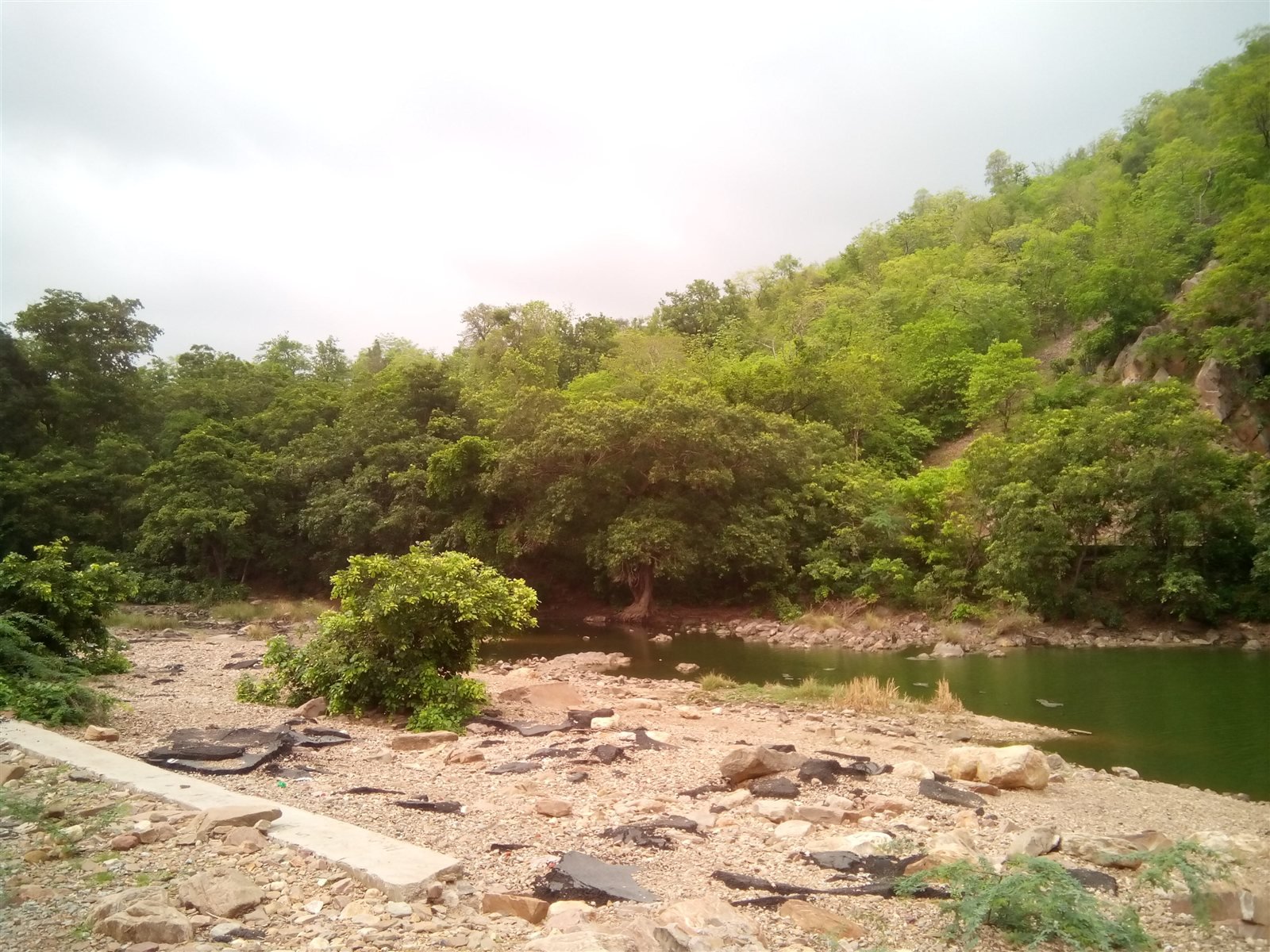
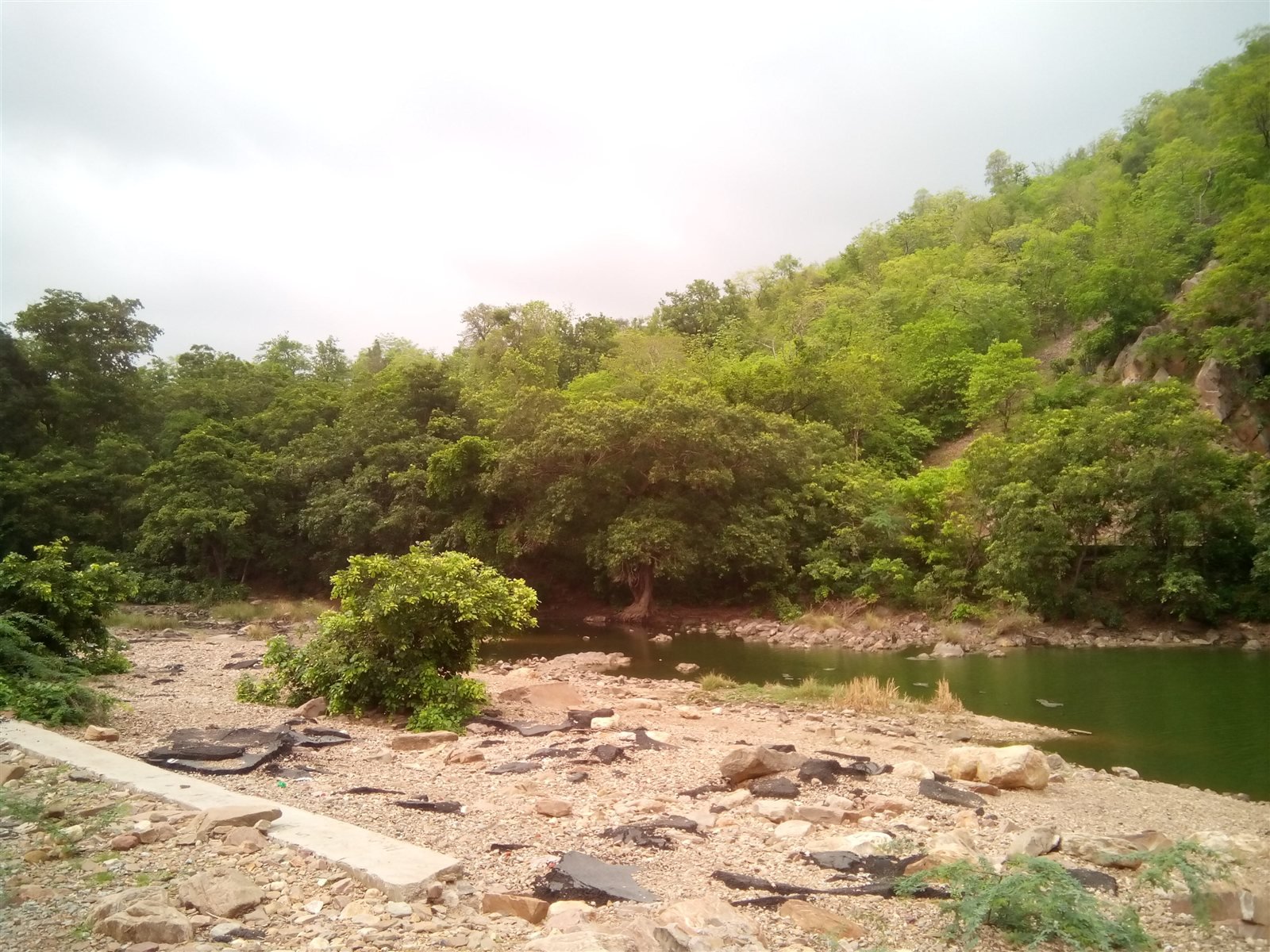
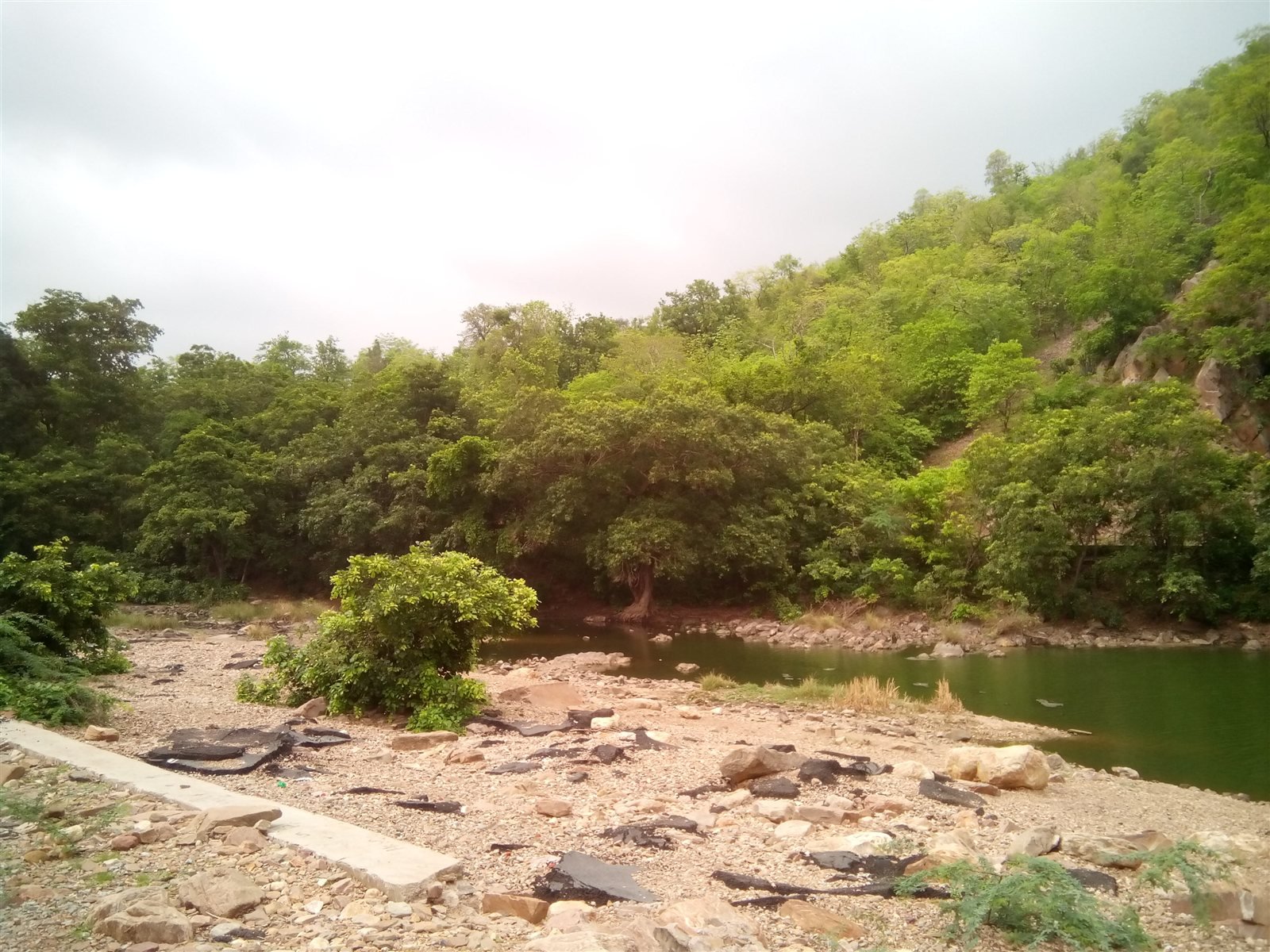
THE FORESTTrails and green along the Harnav valley.
THE RUINSRuined shrines in carved stone, kept by the forest.
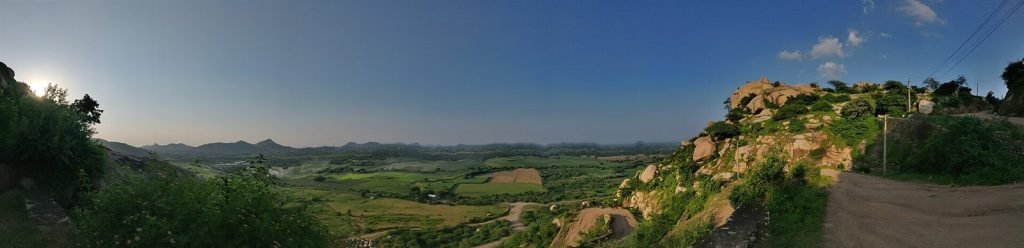
Enter via Vijaynagar, the gateway town to the Polo valley.
Walk the forest trails between the temple groups; the walking is the visit.
Find the ruins hidden in the woodland — some are steps off the trail and easy to miss.
Give the old Shiva temple proper time; it is the valley's best-preserved shrine.
Follow the Harnav river, which strings the whole site together.
Come in or just after the monsoon for the forest at its best.
What makes Polo special is the union of history and wilderness — carved temple pillars standing among trees, streams and birdsong, far from any town. Once the frontier between the plains and the hill kingdoms of the Aravallis, the valley has become a favourite weekend escape from Ahmedabad, especially after the rains, when nature festivals, guided treks and camping bring its forgotten archaeology quietly back to life.
Our Sabarkantha travel guide maps out the other places worth your time here.
The monsoon and the weeks after are the valley at its lushest — the classic Polo season.
November to February is cool and clear, ideal for longer walks among the ruins.
April to June is dry and hot, and the forest loses much of its point; best avoided.
⏰ Polo Forest is loveliest in the monsoon and the cool winter months; summers are dry and best avoided.
Ahmedabad (~160 km).
Himatnagar railhead.
Vijaynagar, Sabarkantha.
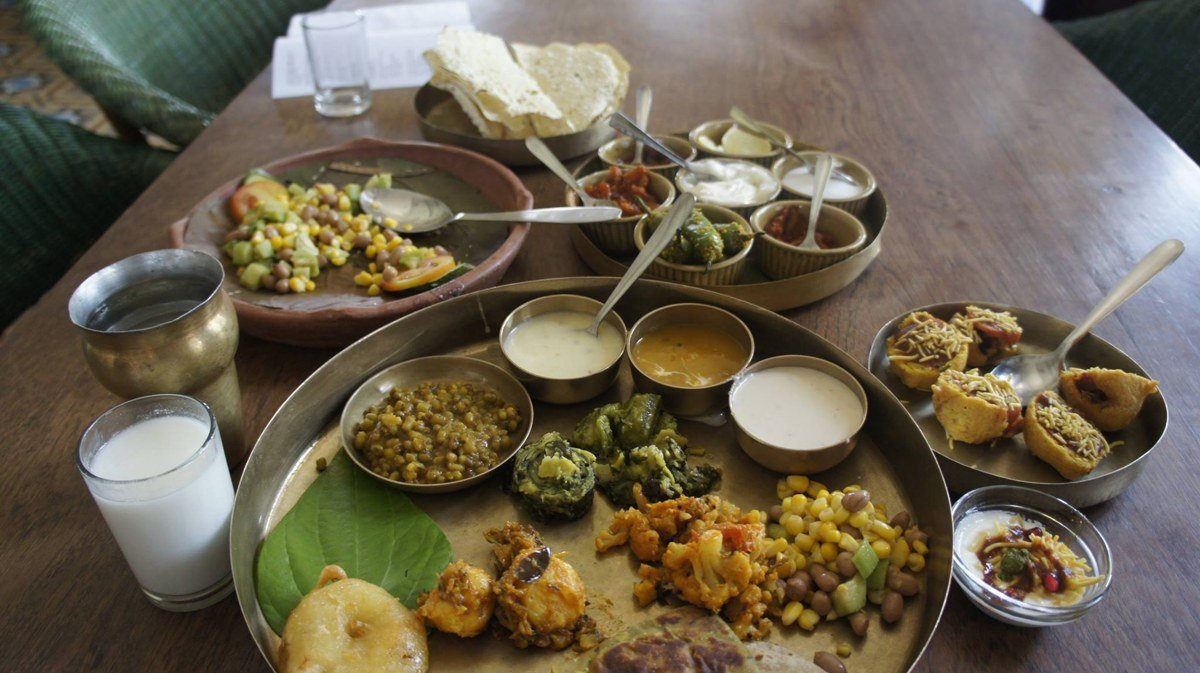
THALIA hearty spread.
LOCALSimple hill food.
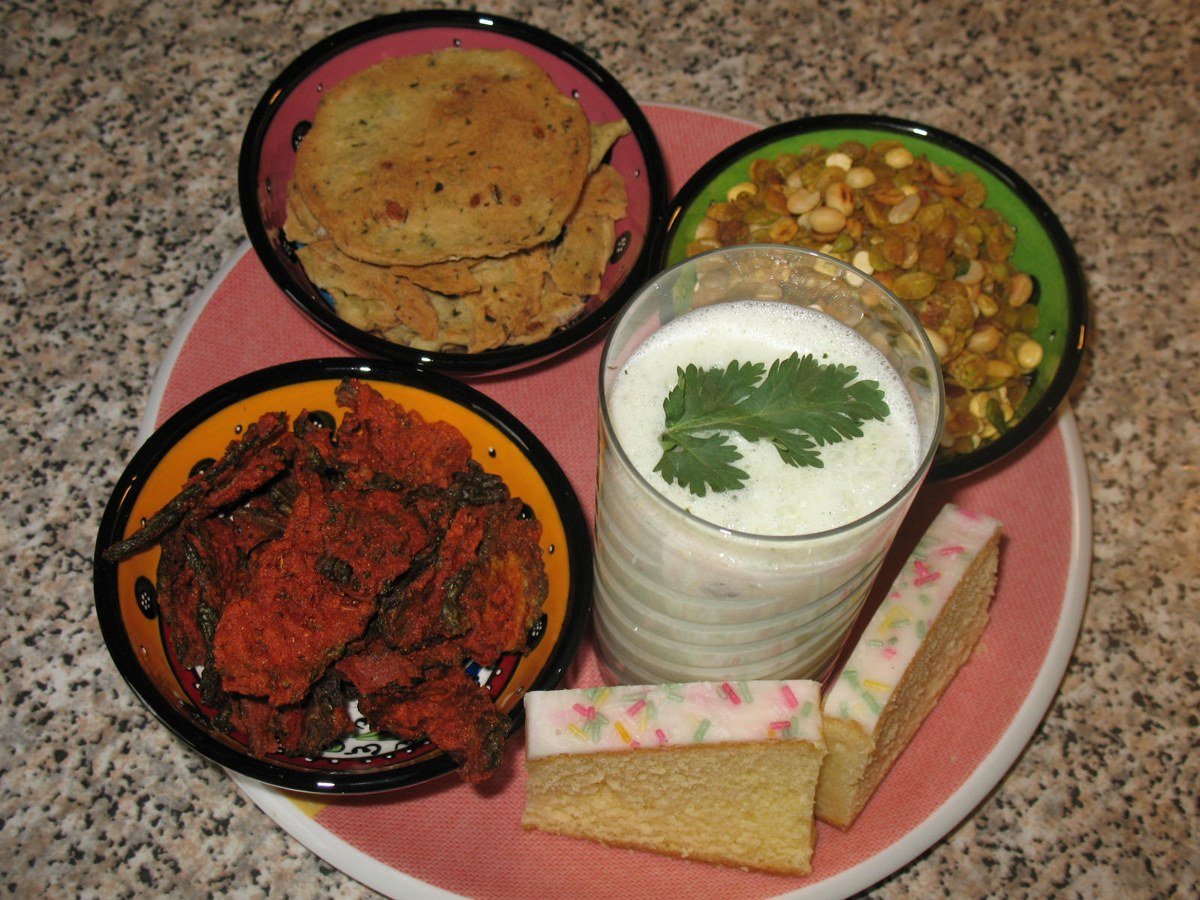
FARSANSavoury snacks.
CHAASSpiced buttermilk.
A forested valley near Vijaynagar in Sabarkantha district, hiding ruined 10th–15th-century Hindu and Jain temples in Aravalli woodland along the Harnav river.
'Polo' derives from the Marwari word for gateway — the valley was a pass between Gujarat's plains and the hill kingdoms of the Aravalli.
The ancient Shiva temple among the ruins — the best-preserved shrine in the forest, its carving still sharp after centuries under the canopy.
Trekking the forest trails, birdwatching, exploring the temple ruins, and camping in the woodland along the Harnav.
The monsoon and just after for the deep green, or the cool winter months for comfortable walking; summers are hot, dry and best avoided.
By road via Vijaynagar — about 65 km from Himatnagar and 160 km from Ahmedabad, a comfortable day trip or an easy overnight.

Vaishnav temple beside Damodar Kund
HERITAGEThe walled royal capital — palaces, bazaars & museums
Birdlife along the river’s edges
A central landmark temple of Rajkot
SALT PANSGlittering salt works at the Rann’s edge
A hall mapping India’s saints & sages
WHERE TO STAY
Compare live prices across the big booking sites and reserve in a few taps. Booking happens securely on the partner's site — we may earn a small commission at no extra cost to you.
Book directly on our partner sites — tap a provider to see live Gujarat hotels & prices:
SHOP THE REGION
Hand-picked crafts and trip gear, available on Amazon.
Published 24 June 2026 · Updated 3 July 2026
We’re an independent group of writers and travellers documenting every corner of Gujarat — one place, plate and festival at a time.
Search Gujarat Explorer
Find places, food, festivals and travel guides across Gujarat
Press Enter to search — or Esc to close
Plan Your Trip
Gujarat Explorer is an independent travel guide. We’re happy to help you shape an itinerary and point you to the right places, stays and experiences across Gujarat.
Book a Cab