Best time
October to March
Roads
Among the better state networks in India
Note
Gujarat is a dry state — no alcohol
Typical trip
7 to 12 days for a full loop
Gujarat is one of the best states in India to drive. The highway network is genuinely good by national standards, the distances between the major sights are long enough to make public transport frustrating and short enough to be comfortable in a car, and a very large proportion of what is worth seeing — stepwells, craft villages, wildlife sanctuaries, salt flats, coastline — is simply not reachable any other way.
It is also a state with some specific rules and practicalities that catch visitors out, from prohibition to border permits in the Rann. This guide covers whether to self-drive or hire a driver, the road conditions, the classic routes and realistic distances, fuel and tolls, and the things worth knowing before you set off.
Why drive Gujarat
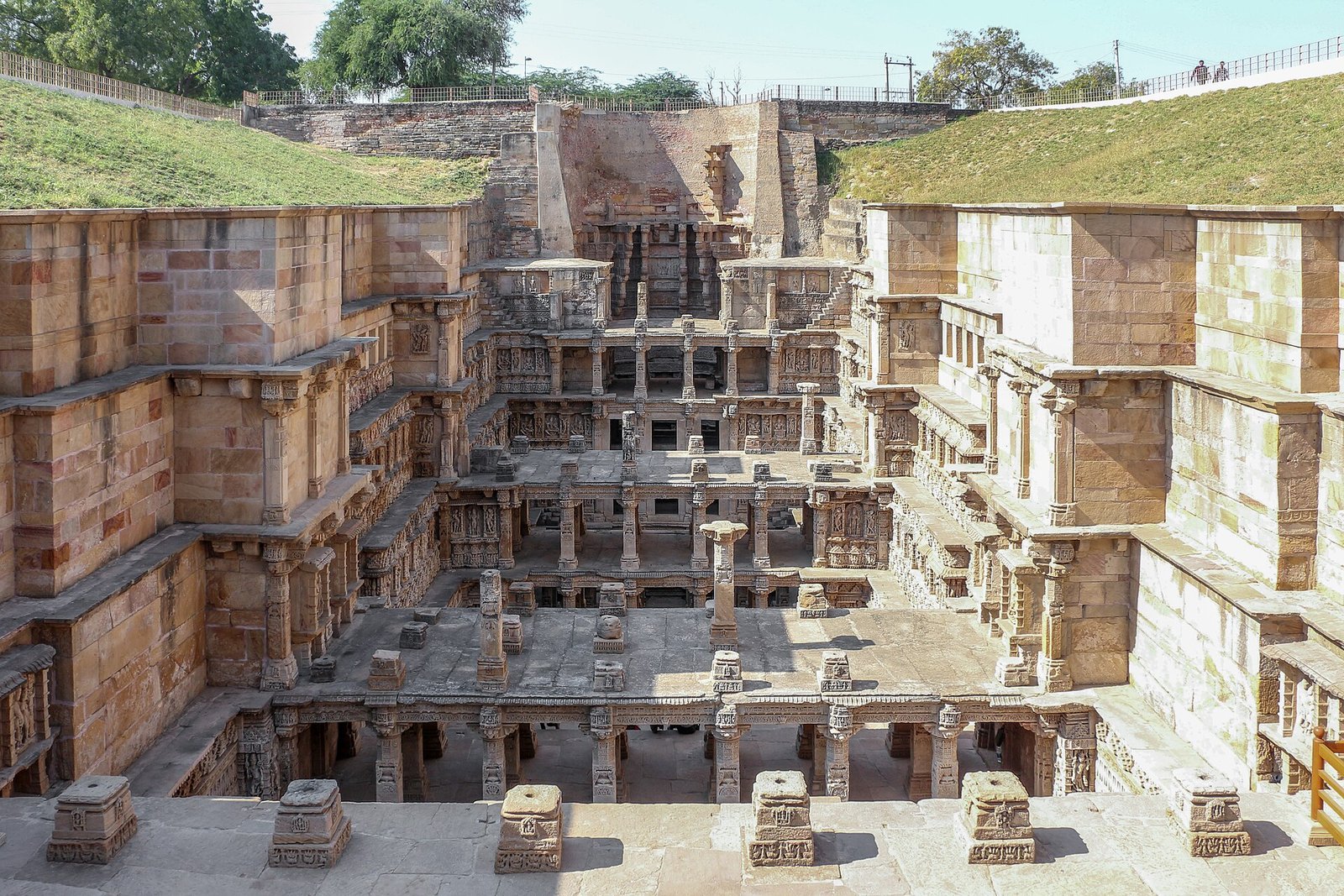
Because the good things are dispersed. The craft villages of Kutch, the white Rann at Dhordo, Dholavira on its island, Velavadar's grasslands, the stepwells at Adalaj and Patan, the Dang waterfalls, Gopnath's cliffs, the Little Rann's wild ass — none of these has useful public transport to the gate, and several have none at all. Trains and buses serve the cities well; they do not serve the sights.
And because the driving itself is enjoyable in a way that is rare in India. Gujarat's main highways are wide, well-surfaced and reasonably disciplined, traffic outside the big cities is manageable, and some of the roads are genuinely memorable — the causeway across the white salt from Khavda towards Dholavira, the coastal run through Saurashtra, the climb into the Dangs in the monsoon. For a country where road journeys are often endured rather than enjoyed, that counts for something.
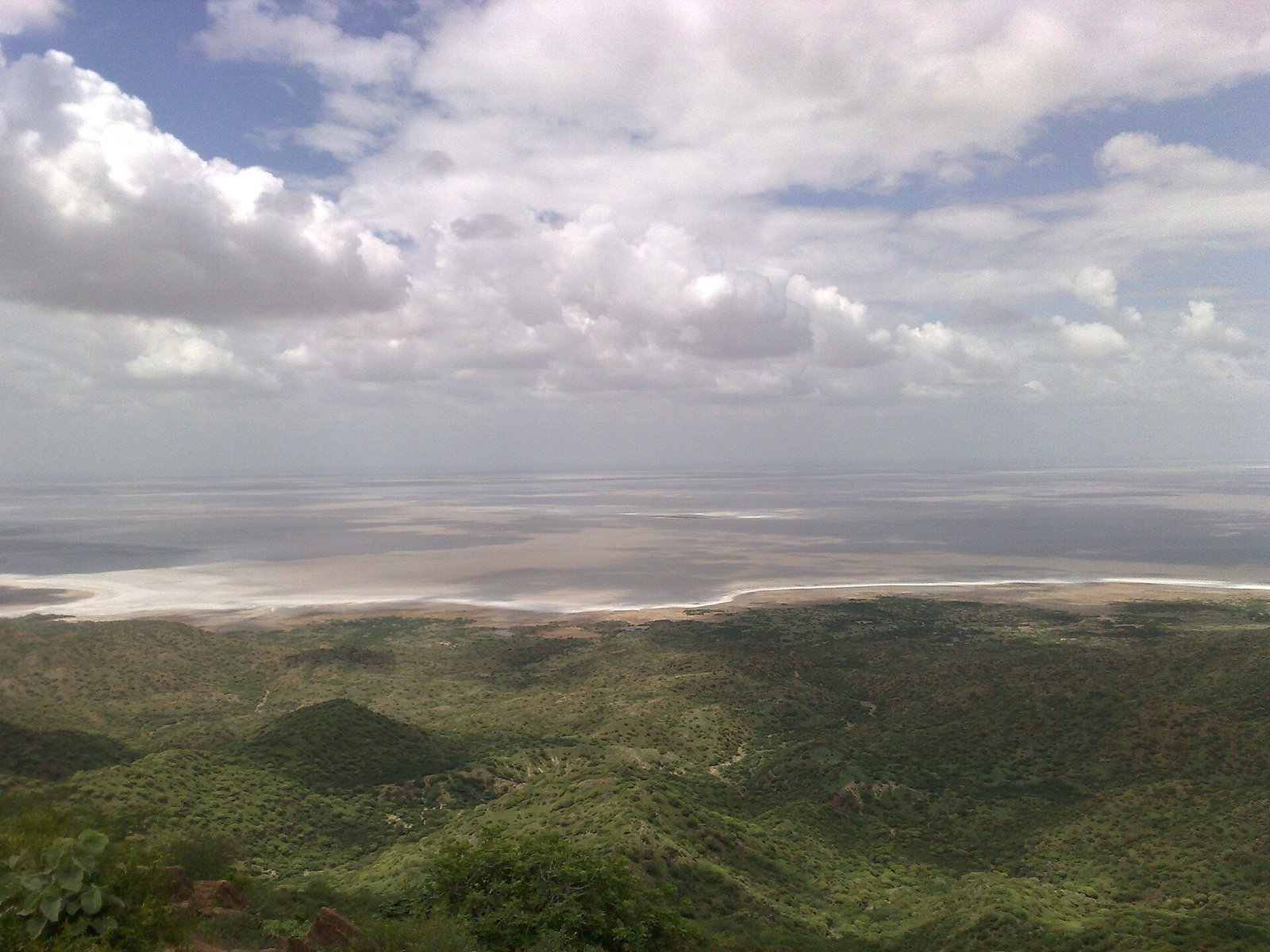
Good roads, long distances, and a state that genuinely rewards having your own vehicle.
Planning the trip
- Decide: driver or self-driveA hired car with a driver is the default and usually the better choice — comparable cost to self-drive hire, no parking or navigation stress, and a driver who knows the roads. Self-drive rental is available in the cities if you want independence.
- Pick one of the three classic loopsSaurashtra (Ahmedabad–Bhavnagar–Palitana–Gir–Somnath–Diu–Dwarka–Jamnagar–Rajkot); Kutch (Ahmedabad–Little Rann–Bhuj–craft villages–Dhordo–Dholavira–Mandvi); or North and Central (Ahmedabad–Adalaj–Modhera–Patan–Vadnagar–Champaner–Statue of Unity).
- Budget 250–350 km a day maximumIt sounds conservative and it is correct. Longer days leave no time at the sights, and arriving after dark in rural Gujarat is worth avoiding.
- Sort permits where neededThe Rann near Dhordo and Dholavira is a border area requiring a permit, taken at Bhirandiyara. Carry photo ID for everyone in the vehicle; foreign nationals should carry passports.
- Book the pinch points aheadGir safari permits, Rann Utsav tents, Velavadar and Little Rann lodges, and Dholavira village accommodation all sell out in the winter season.
- Plan around prohibitionGujarat is a dry state. Alcohol is not sold; visitors can apply for a permit through authorised channels, and Diu and Daman, being Union Territories, are not dry.
Roads, fuel and practicalities
The main corridors — the Ahmedabad–Vadodara–Surat axis, the routes to Rajkot and Bhuj, the Saurashtra coastal roads — are good, fast and well-provided with fuel and dhabas. Secondary roads are generally decent; the exceptions are hill roads in the Dangs, forest tracks in the sanctuaries, and the last stretches to remote sites like Dholavira and Gopnath, which are minor and unlit.
Fuel is widely available on the main routes but thins out badly in northern Kutch — fill up in Bhuj, Rapar or Khavda before heading into the Rann. Tolls apply on the expressways and major highways; keep cash and a FASTag-equipped vehicle if self-driving. Download offline maps, because signal is unreliable in Kutch, the Rann and the Dang hills. And avoid driving at night outside the cities: unlit roads, livestock, unmarked works and oncoming traffic on high beam make it genuinely unpleasant.
Where to stay along the way
The cities — Ahmedabad, Vadodara, Surat, Rajkot, Bhavnagar, Jamnagar, Bhuj — all have a full range from budget to comfortable, and they are the reliable overnight anchors on any loop. Ahmedabad's restored haveli hotels in the walled city are the most characterful urban stay in the state.
Where it is worth staying somewhere less comfortable for the sake of position: Dholavira village, so you can be on the ruins at opening; near Velavadar, for a dusk and dawn; a Banni village homestay in Kutch rather than the main tent city; the Zarwani forest campsite in Narmada district; and an Adivasi homestay near Don Hill in the Dangs. Heritage hotels — Balaram near Palanpur, Rajvant at Rajpipla, the Gopnath retreat — add character at intervals along the classic routes.
Best time to drive
October to March, and December to February for the western half of the state in particular. Winter gives you comfortable driving, cool mornings at the wildlife sites, the white Rann at its best and the whole coast at its most pleasant. This is also peak season, so book accommodation and permits well ahead.
April to June is hot everywhere and severe in Kutch, where it is among the hottest places in India — long drives are draining and the open sites are punishing. The monsoon, late June to September, floods the Rann and can close the Khavda causeway, but it is the right season for exactly one region: the Dangs, where the waterfalls run and the hill forest is at its best. If you are driving in the rains, expect standing water on secondary roads and check conditions locally before committing to hill or forest routes.
Practical tips
- Hire a car with a driver unless independence really matters to you; the cost is similar and the stress is much lower.
- Cap driving days at 250–350 km, and never plan to arrive anywhere rural after dark.
- Fill up before entering northern Kutch, and download offline maps for the Rann and the Dang hills.
- Carry photo ID for everyone for the Rann border permits; foreign nationals need passports.
- Remember Gujarat is dry — plan accordingly, and note that Diu and Daman are not.
Frequently asked questions
Is Gujarat good for a road trip?
Yes — it has one of the better highway networks in India, and most of its best sights, from Kutch's craft villages to Velavadar's grasslands, have no useful public transport.
Should I self-drive or hire a driver in Gujarat?
A car with a driver is the usual and generally better choice: similar cost to self-drive hire, no navigation or parking stress, and local road knowledge. Self-drive rental is available in the cities.
How many days do you need for a Gujarat road trip?
Seven days for one loop (Saurashtra, Kutch, or North and Central), ten to twelve for a fuller circuit. Budget 250–350 km per driving day.
Do I need permits to drive in the Rann of Kutch?
Yes. The Rann near Dhordo and Dholavira is a border area; permits are issued at Bhirandiyara and everyone in the vehicle needs photo ID, with passports for foreign nationals.
Is alcohol available in Gujarat?
No — Gujarat is a dry state. Visitors can apply for a permit through authorised channels, and the Union Territories of Diu and Daman are not dry.
Gujarat rewards a car more than almost any state in India, because the stepwells, salt flats, craft villages and grasslands that make it worth visiting are exactly the places buses do not go. Hire a driver, pick one loop rather than three, cap your days at 300 km, fill the tank before northern Kutch, keep everyone's ID in the car for the Rann permits, and travel between October and March. Then take the salt causeway at least one way.