
Region
Palitana, Bhavnagar district
Best time
November to February
Ideal duration
Part of a hill visit
Good for
Pilgrims, architecture, marble carving
Adishwar Temple is the principal shrine on the sacred Shatrunjaya hill above Palitana, dedicated to Adinath, also called Rishabhadeva, the first Jain tirthankara. It stands among the dense cluster of temples at the summit and is one of the main goals for pilgrims who make the long climb. The marble work here is fine and detailed, and the temple holds a place of special importance within the vast complex.
Reaching it means climbing the great stairway that ascends the hill, so the visit is bound up with the effort and devotion of the ascent. The shrine and its courtyard reward you with intricate carving, a serene atmosphere and the sense of standing at the heart of one of Jainism's holiest sites. Photography rules and dress codes apply, so follow the guidance on the day.
What to see and do
Study the carved marble of the main shrine, from the pillars and ceilings to the image of Adinath within. As the central temple of the summit, it draws the most attention among the many tuks along the ridge.
Take time in the surrounding courtyards and neighbouring temples, which together form an astonishing marble townscape on the hilltop. Observe the pilgrims and the rituals, and respect the quiet, sacred character of the place.
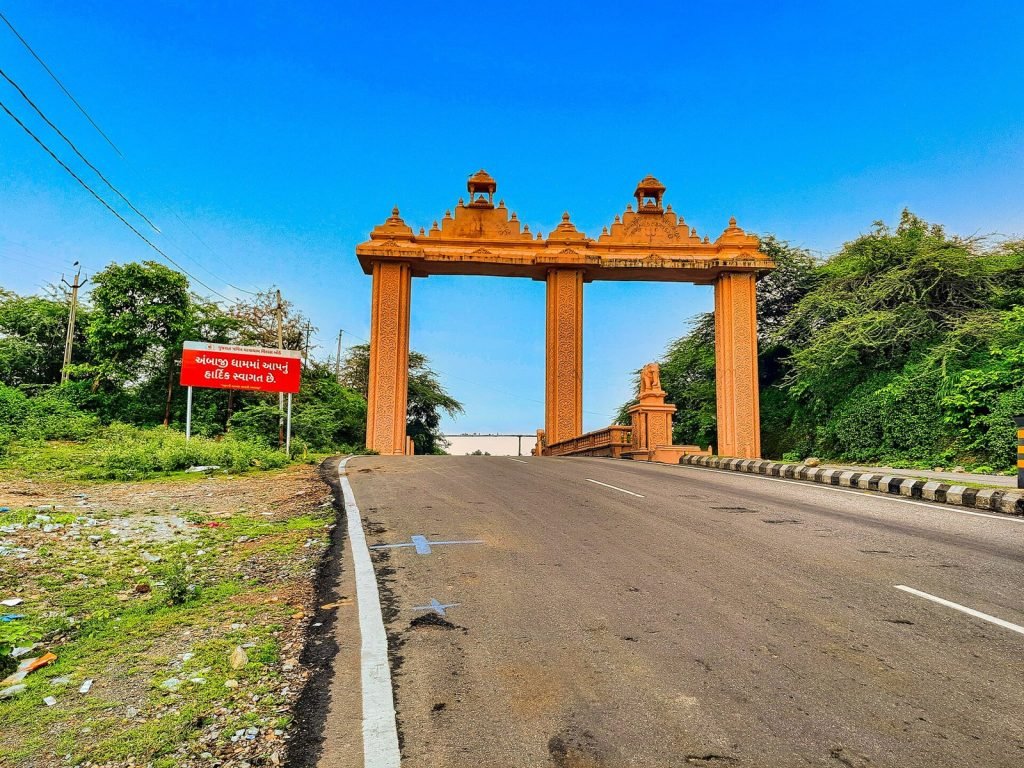
Adishwar Temple
How to get there
The temple is at the top of Shatrunjaya hill, reached on foot up the stairway from Palitana town. Palitana is connected by road to Bhavnagar, the nearest city with rail, bus and air links. From Bhavnagar, take a bus or taxi to Palitana, then climb the steps or arrange a doli if you need assistance to reach the summit.
Best time to visit Adishwar Temple
Winter, from November to February, offers the coolest conditions for the demanding climb to the summit shrine. Set out at dawn so you reach the top before the heat builds, and plan to descend well before the temples close in the evening. Avoid high summer and the monsoon, when the climb becomes tougher and less safe.
Good to know
- Start the ascent early to reach the temple in cooler air.
- Follow photography and dress rules, which can be strict at the shrine.
- Carry water for the climb, mindful of food restrictions on the hill.
- Allow time to see the neighbouring temples along the ridge.
Frequently asked questions
Which deity is Adishwar Temple dedicated to?
It honours Adinath, or Rishabhadeva, the first Jain tirthankara, and is the main shrine of the Shatrunjaya summit.
Do I have to climb to reach it?
Yes, it sits atop the hill, reached by the long stairway or by doli for those who need help.
Are cameras allowed inside?
Photography is often restricted at the shrines, so check and follow the rules posted on the day.
The climb, and why it matters
Adishwar cannot be reached by road. The only way up Shatrunjaya is the stepped path — roughly 3,500 steps rising some 600 metres from the foot of the hill at Palitana — and the ascent takes most people between one and a half and three hours. Doli chairs carried by porters are available for those who cannot walk it, but the great majority of pilgrims climb, and the effort is understood as part of the devotion rather than an obstacle to it.
Start before dawn. The stair is entirely unshaded, the marble underfoot holds heat, and the temples on the summit close in the early afternoon — nobody is permitted to remain on the hill overnight, because Shatrunjaya is reserved for the gods after dark. Carry water, though food is not taken up the hill.
Where Adishwar sits in the complex
Shatrunjaya carries somewhere in the order of 900 temples, grouped into nine walled enclosures known as tuks, each with its own principal shrine and subsidiary chapels. Adishwar stands in the largest and most important of them, and is the temple every pilgrim makes for. What that means in practice is that the summit is not a single monument but a marble town — courtyards opening into courtyards, spires in every direction, and a density of carved stone that photographs never convey.
The present temple dates largely from the sixteenth century, though the site has been built and rebuilt repeatedly across a thousand years, partly because it was sacked more than once and the community rebuilt each time. That cycle of destruction and restoration is itself part of what the hill commemorates.
Practical notes before you go
Leather is not permitted anywhere on the hill — belts, wallets and bags included. Dress is expected to be modest, and photography is restricted inside the shrines; check the signage and follow what the temple staff tell you on the day. The climb is free, though the doli service is charged and negotiated at the base.
November to February is the practical season. March through June makes the stair genuinely punishing, and the monsoon leaves the steps slippery. Palitana town at the foot has dharamshalas and simple hotels, and staying the night before to start the climb at first light is by far the best way to do it.