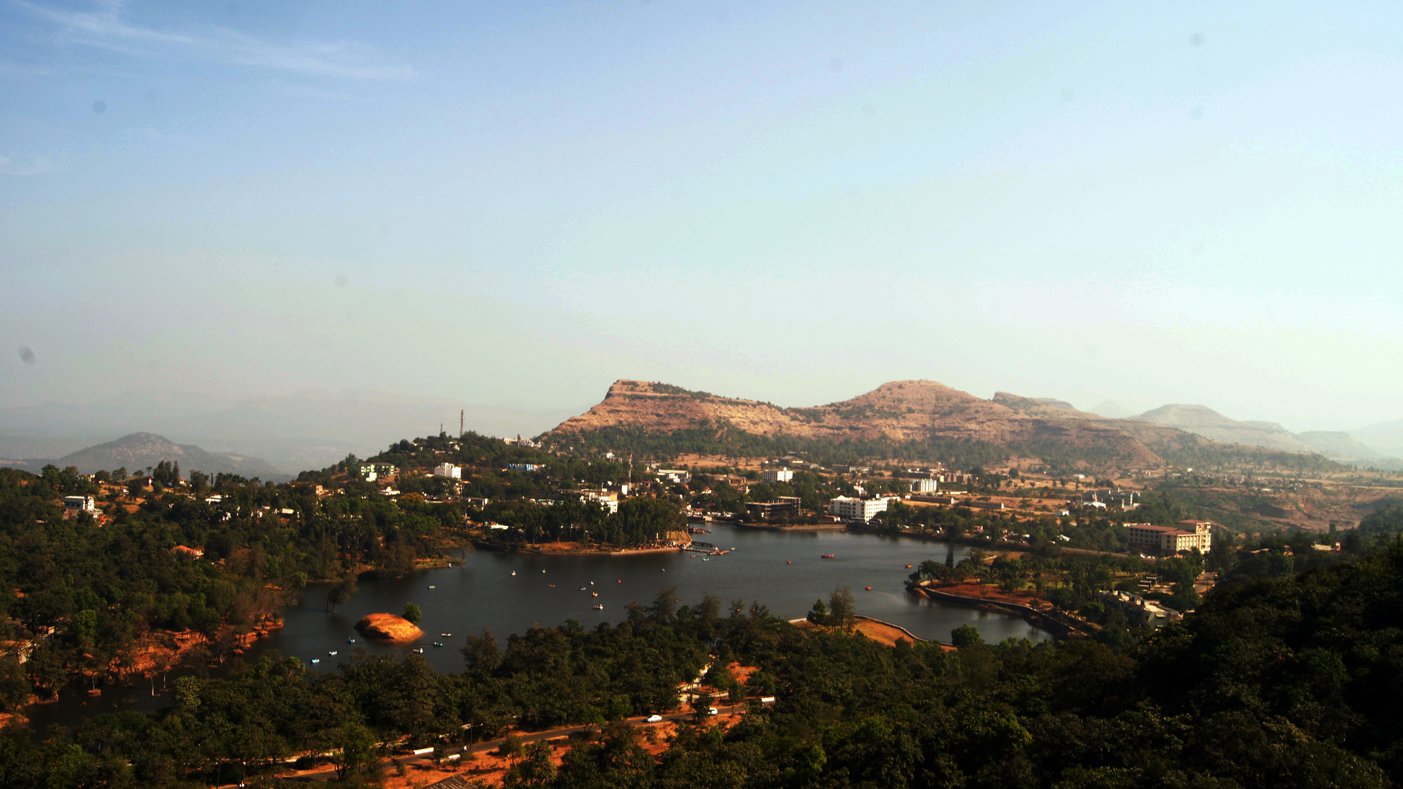
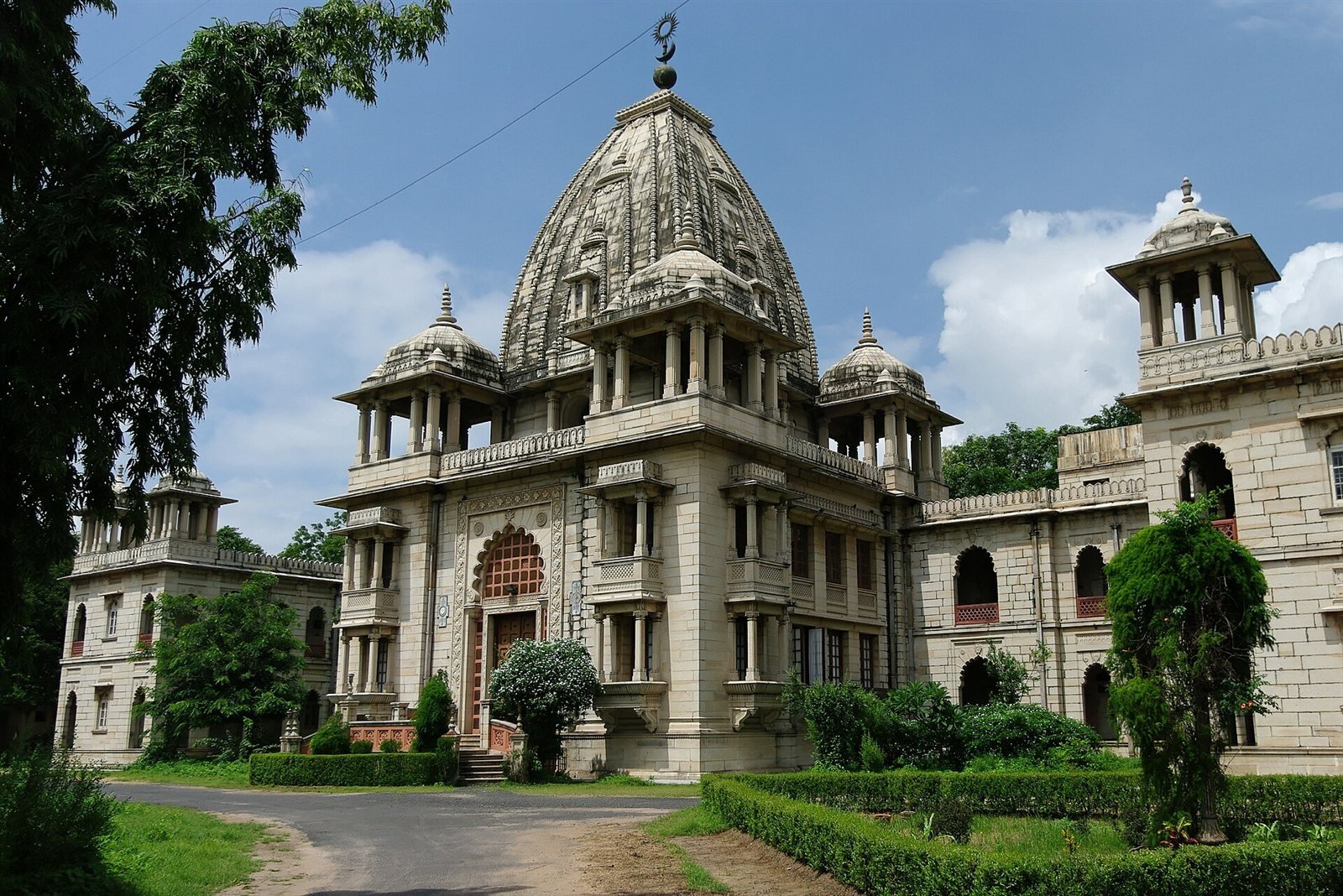
Gujarat is not a green state. It is salt desert, dry scrub, thorn forest, cotton plains and coastline, and its tourism runs on winter — on the months when the Rann is white and the heat is bearable and the birds have arrived. Then there is one small district in the far south-east, wedged against Maharashtra where the Western Ghats push into the state, that inverts all of it. The Dangs is best in the monsoon, and in August it does not look like Gujarat at all.
This is hill country: teak and bamboo forest on ridges and in valleys, streams in every fold, the highest rainfall in the state, and waterfalls that appear for four months and vanish for eight. It also holds Gujarat's only established hill station at Saputara, its tallest waterfall at Girmal, a hundred-year-old narrow-gauge railway, and a large Adivasi population whose Dang Darbar festival is one of the more remarkable events in the western Indian calendar.
The wettest corner of a dry state
The Dangs is small — one of the smallest districts in Gujarat — and almost entirely hilly and forested. Its position at the northern end of the Western Ghats means the monsoon hits it hard, and rainfall figures here run far above the state average, which is why the vegetation is completely different from anything else in Gujarat: moist deciduous teak forest, extensive bamboo, dense undergrowth in the rains, and a genuine hill-country feel.
The consequence for a visitor is a reversed season. From late June the rains arrive, and through July, August and September the district transforms — streams fill, waterfalls run hard, the forest turns an aggressive green, mist comes down on the ridges. By October it is still green with the water dropping. Through the winter it is clear, cool and pleasant but browning off, and by April it is dry, hot and brown. If your image of the Dangs comes from monsoon photographs, coming in February will disappoint you.
That also means travelling in a season most Gujarat itineraries avoid, which has practical implications: hill roads affected by rain, occasional landslips, leeches on forest paths, and heavy weekend traffic to Saputara from Gujarati and Maharashtrian cities. Midweek in September is the sweet spot — full water, drying tracks, and the crowds back at work.
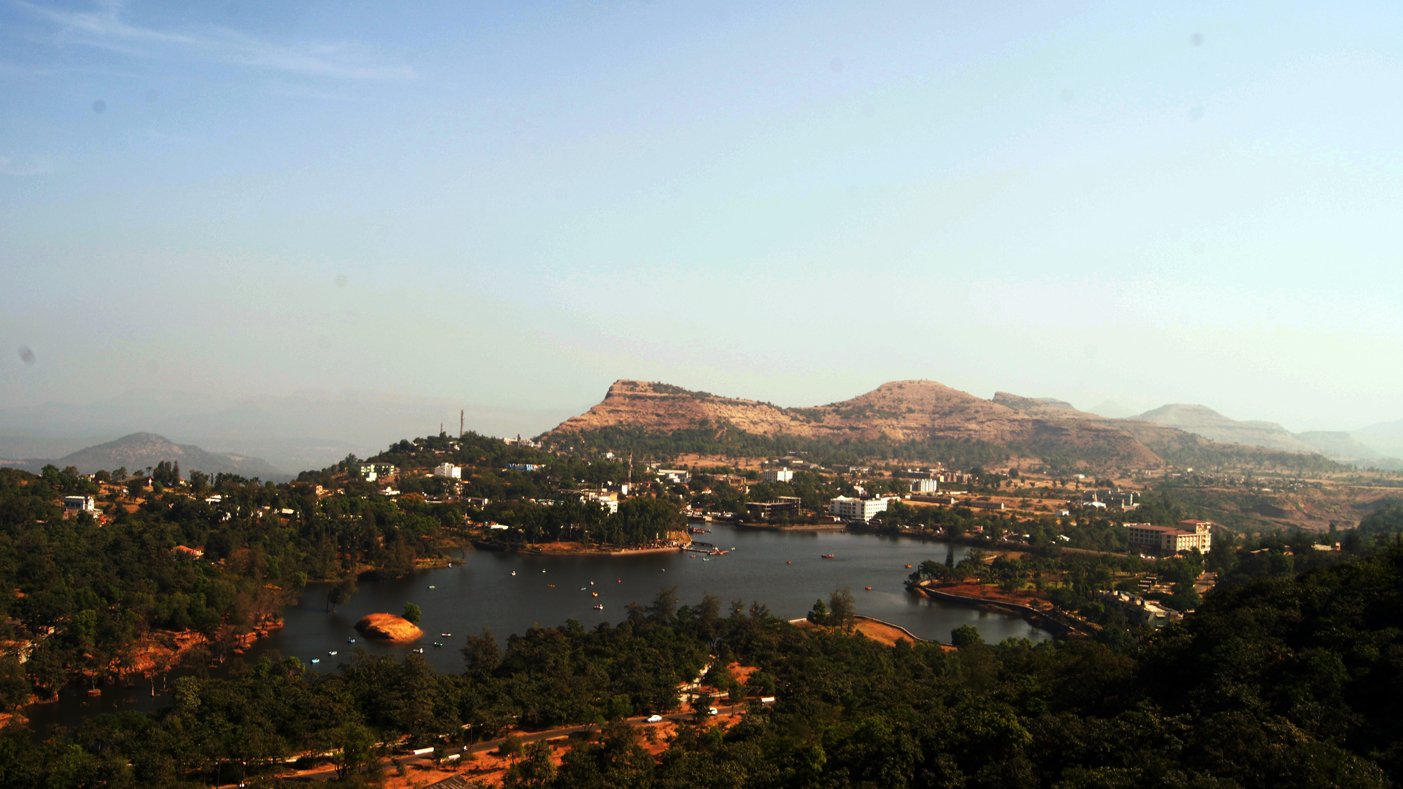
In August the Dangs stops looking like Gujarat and starts looking like the Western Ghats.
Waterfalls, and treating them seriously
The two headline falls are Girmal, generally cited as the tallest in Gujarat at around thirty metres, dropping through a rocky gorge deeper in the hills; and Gira, near the town of Waghai, wider and spread over a rock shelf with viewpoints close to the road. Beyond those, the district produces dozens of smaller cascades in the rains, many of them unnamed and unmarked, appearing wherever a stream meets a drop.
Wet rock beside a high-volume waterfall kills people across western India every single monsoon. The barriers are not there to spoil your photograph
This needs saying bluntly, because it is the one genuine risk in the district. Every monsoon, across the Western Ghats in Maharashtra and Gujarat, people drown at waterfalls — swept off wet rock, caught by a sudden surge upstream, or getting into pools with currents they could not see. Do not climb into the flow. Do not cross a stream above a fall. Do not ignore barriers or local instructions. Wear footwear with grip and accept that some viewpoints are as close as you should get.
With that observed, the falls are the reason to come, and they are best in the second half of the window. Late August through September gives you strong flow with tracks that have begun to firm up; early in the monsoon the roads can be at their worst and access restricted. Gira is the easy one and gives you the scale; Girmal needs a drive on minor hill roads and your own vehicle.
Saputara, Don and the Adivasi Dangs
Saputara is the district's only developed destination: a hill station at around a thousand metres with a lake, boating, a ropeway, viewpoints, a museum, a Gujarat Tourism hotel and a strip of private hotels and resorts. It is comfortable, busy at weekends, and the practical base for most visitors. Don Hill, slightly higher and barely developed, is the alternative for anyone who wants quiet — forest paths, sunrise viewpoints and Adivasi-run homestays, with no ropeway and no bazaar.
The district's Adivasi communities are central to what the Dangs is, and the Dang Darbar is the occasion when that is most visible. Held at Ahwa, the district headquarters, around Holi in spring, it is a large festival and fair rooted in the colonial-era practice of paying annual political pensions to the region's tribal chiefs, and it now involves several days of dance, music, markets and ceremony. It is entirely different in character from the monsoon trip, and worth a separate visit if the timing works.
Getting there and planning it
The Dangs is reached from the south Gujarat coast. Surat, roughly 160 km from Saputara, has the nearest airport and a main-line railway station; Bilimora, Navsari and Valsad are convenient railheads on the Mumbai–Delhi line, and Bilimora is the start of the narrow-gauge branch up to Waghai. Nashik in Maharashtra is also within reach, and Mumbai is around 250 km from Saputara.
Once in the district you need a vehicle. Buses connect Ahwa, Waghai and Saputara, but the waterfalls and Don Hill are on minor roads without useful services. Three days is a good length: one for Gira falls and the narrow-gauge line from the coastal side, one for Girmal and the interior, one for Don Hill or Saputara's viewpoints. Book accommodation ahead for monsoon weekends. Vansda National Park, just outside the district in Navsari, and the Purna sanctuary add moist-forest wildlife and birding to the itinerary for anyone with an extra day.
Forest, wildlife and the people who live in it
The Dangs is one of the few genuinely forested districts in Gujarat, and its moist deciduous woodland supports a different community of wildlife from the state's dry-country parks. Leopard, hyena, jungle cat, barking deer, four-horned antelope and a rich list of forest birds are present, and just outside the district in Navsari, Vansda National Park protects a compact patch of the same habitat and is the best place in Gujarat for moist-forest species — paradise flycatchers, hornbills, trogons and a strong showing of butterflies in the rains. The Purna sanctuary covers a larger area of similar country.
The district is also overwhelmingly Adivasi, and its communities — Dangi, Bhil, Kunbi, Warli and others — are central to any honest description of the place. Their agricultural calendar, their forest rights, their village markets and their festivals are the Dangs as it actually functions, rather than as a weekend backdrop. Community-run homestays and eco-camps around Don Hill and elsewhere are the best way to engage with that, and the money stays local. As anywhere, the basic courtesies apply: ask before photographing people, buy things, and remember that a village going about its business in the rain is not scenery.
If you go
- Come in the monsoon window, August to October, with September the best month. Winter is pleasant but the falls are gone.
- Never enter the flow or cross above a waterfall, and obey local barriers — monsoon drownings here are an annual occurrence.
- Travel midweek if you can; Saputara fills with weekend visitors from Gujarat and Maharashtra in the rains.
- Bring grippy footwear, rain protection and something for leeches on forest paths.
- Choose your base deliberately: Saputara for comfort and facilities, Waghai for the train and Gira, Don Hill for quiet.
The Dangs is the one part of Gujarat that is worth visiting in the rain, and in September it is unrecognisable as the same state: teak and bamboo hill forest, mist on ridges, streams in every fold and two serious waterfalls running hard. Come midweek in the second half of the monsoon, respect the water absolutely, ride the narrow gauge up from Bilimora if it is running, and give the district three days rather than a weekend.