Home › Jamnagar Festivals › Bandhani Tie-Dye
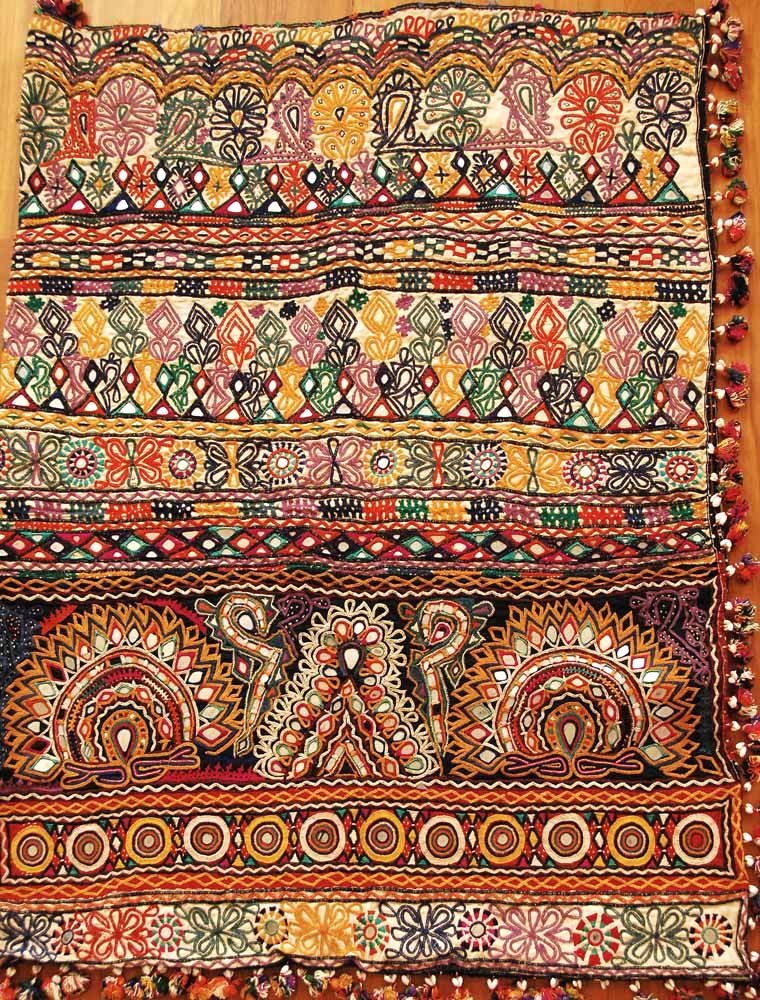
CRAFT · TIE-DYE · BANDHANIThousands of tiny knots, tied by hand and dyed in brilliant colour — Jamnagar is one of the great homes of Bandhani, the tie-dye craft whose dotted patterns bloom across Gujarat’s festive cloth.
Bandhani takes its name from bandhan, “to tie.” Artisans pinch and knot the cloth into thousands of minuscule points, then dye it so each tied spot resists the colour and stays pale — producing the craft’s signature fields of dots. Jamnagar’s water is said to give its Bandhani an especially deep, lasting brilliance, and the town’s dyers are known across Gujarat.
The cloth is folded and marked, then pinched into thousands of tiny points, each bound tight with thread so the dye cannot reach it. A single fine odhani can carry tens of thousands of these knots, all tied by hand.
The tied cloth goes into the dye bath, usually starting with the lightest colour. Where the thread grips, the fabric stays as it was.
For multi-coloured work the sequence repeats: untie some knots, re-tie others, dye again in a deeper shade, building the pattern up in stages.
The threads come off and the pattern appears — fields of pale dots against red, yellow or black, the ground colours of celebration.
Every dot is a knot tied by hand. There is no mechanised substitute, which is why fine bandhani costs what it does.
Red and yellow dominate because they are the auspicious colours — red for marriage, yellow for fertility and new motherhood.
The gharchola, the red-and-gold bridal odhani worked in a grid of squares, is the most prestigious form of the craft.
Count the dots per square inch to judge quality. The finest work packs them so tightly the ground almost disappears.
Jamnagar and Bhuj are the two great centres, with Jamnagar's dyers long credited with the deepest and most durable reds.
The technique is applied to odhanis, saris, dupattas, turbans and scarves, in silk, cotton and fine wool.
THE CRAFTTie, dye, untie, repeat — a resist technique built entirely on where the thread grips the cloth.
THE COLOURBandhani is worn at weddings and festivals and given at births and milestones; it is celebration cloth rather than everyday wear.
Visit a working dyeing yard in Jamnagar or Bhuj — the tying and the dye vats are usually in different places and both are worth seeing.
Watch the tying itself. It is done at speed with a fingernail or a small metal point, and the skill is in the evenness.
Ask to see a piece untied. The moment the pattern emerges from the knotted bundle is the whole point of the craft.
Learn to read the motifs — the grids, borders and figured fields all carry names and are used for specific occasions.
Buy according to use: a scarf or dupatta travels easily, a full gharchola is a serious purchase.
Judge by fineness. More dots, more evenly placed, means more hours of work — and it is the honest measure of value.
In Gujarat and Rajasthan, Bandhani is the fabric of joy — worn at weddings and festivals, gifted at milestones, and dyed in the auspicious reds and yellows of celebration. The bridal gharchola and the odhani are classic forms. Behind each piece lie hours of patient tying, a skill often passed down through families of dyers.
Our Jamnagar travel guide maps out the other places worth your time here.
Bazaars year-round.
Peak bridal buys.
Festive demand.
⏰ Bandhani is sold year-round in Jamnagar’s markets; the wedding and festival seasons are the liveliest.
Jamnagar Airport (~10 km).
Jamnagar Junction.
City craft bazaars.
SINCE 1964
The Endless Ram Dhun
Bala Hanuman’s non-stop chant — a Guinness world record. Explore →
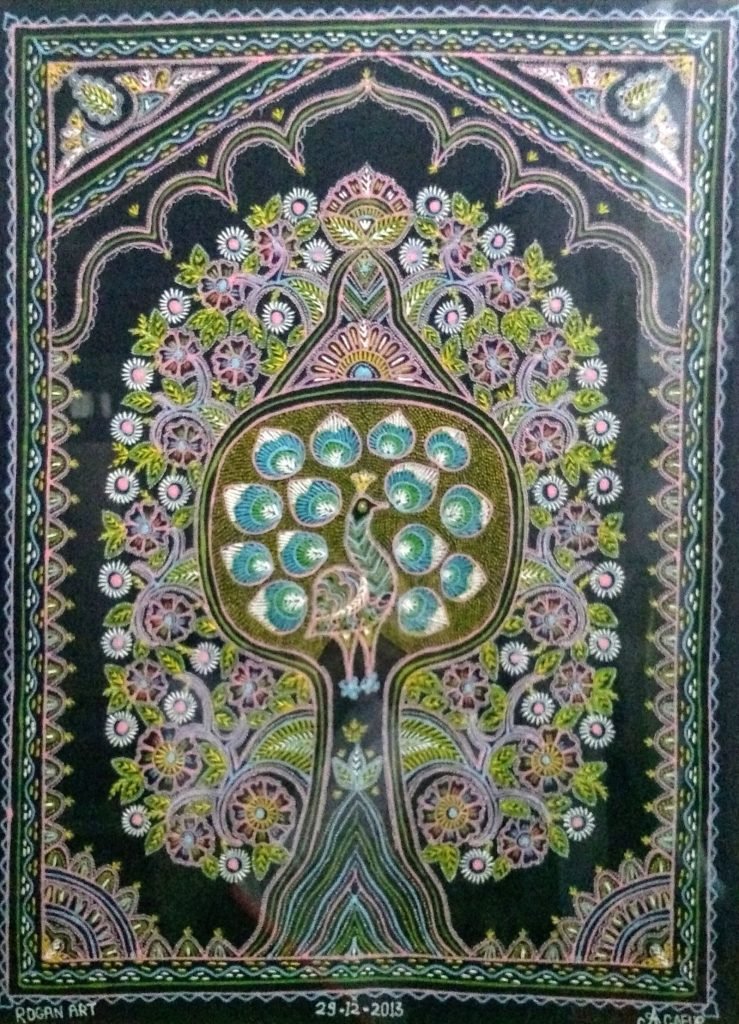
METAL
Brass Craft
Jamnagar is India’s brass city — a maze of workshops and bazaars where sheet and scrap are cut, spun and polished into everything from temple bells to the tiny components the world runs on. Explore →
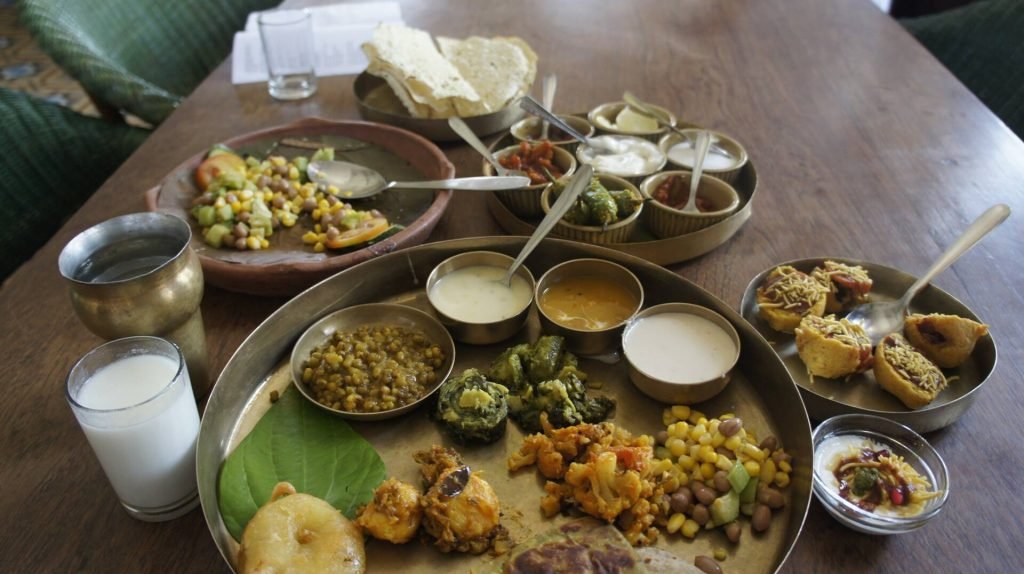
HEALING
Ayurveda
Jamnagar is India’s capital of Ayurveda — home to the country’s premier institute of Ayurvedic teaching and research, where the ancient science of life is studied, taught and practised for the world. Explore →
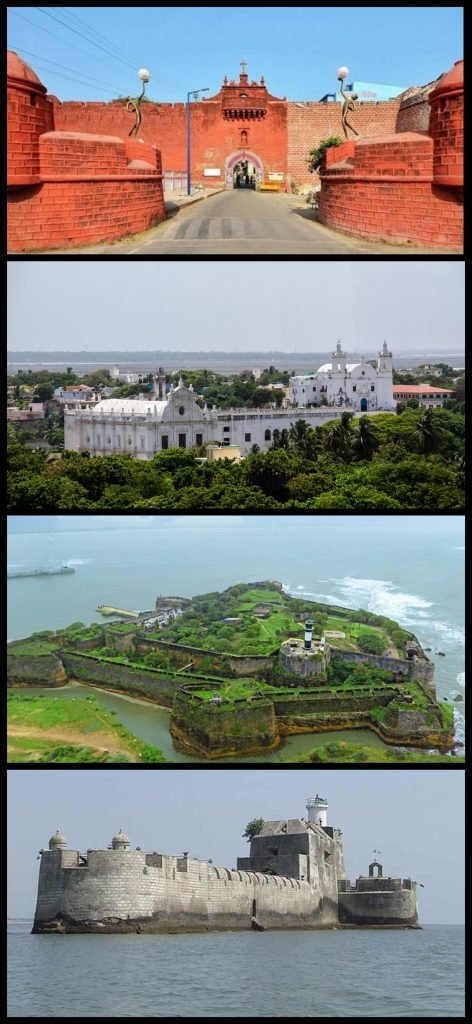
LEGACY
Ranji’s Cricket
Jamnagar gave cricket one of its immortals — Ranjitsinhji, the Jam Saheb whose wristy genius dazzled England, lent his name to the Ranji Trophy, and made this princely city a cradle of the Indian game. Explore →
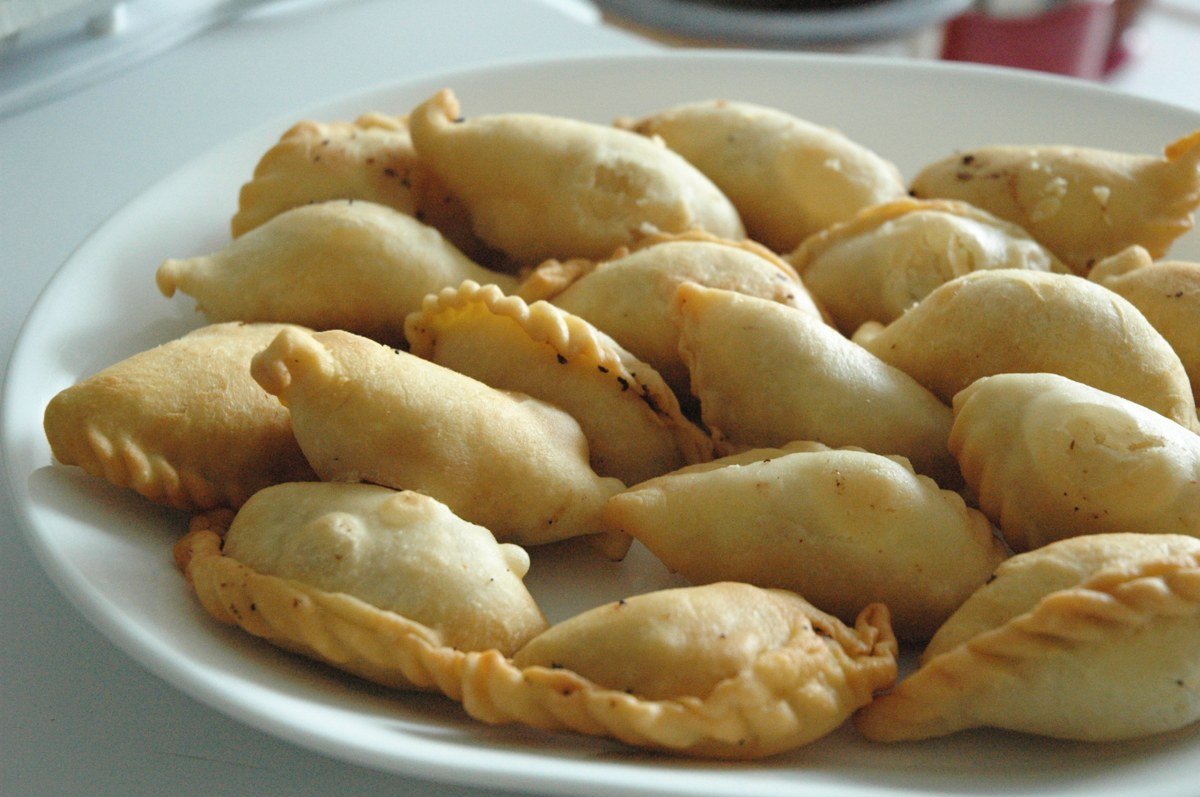
GHUGHRAA Jamnagar sweet.
KACHORISpiced and fried.
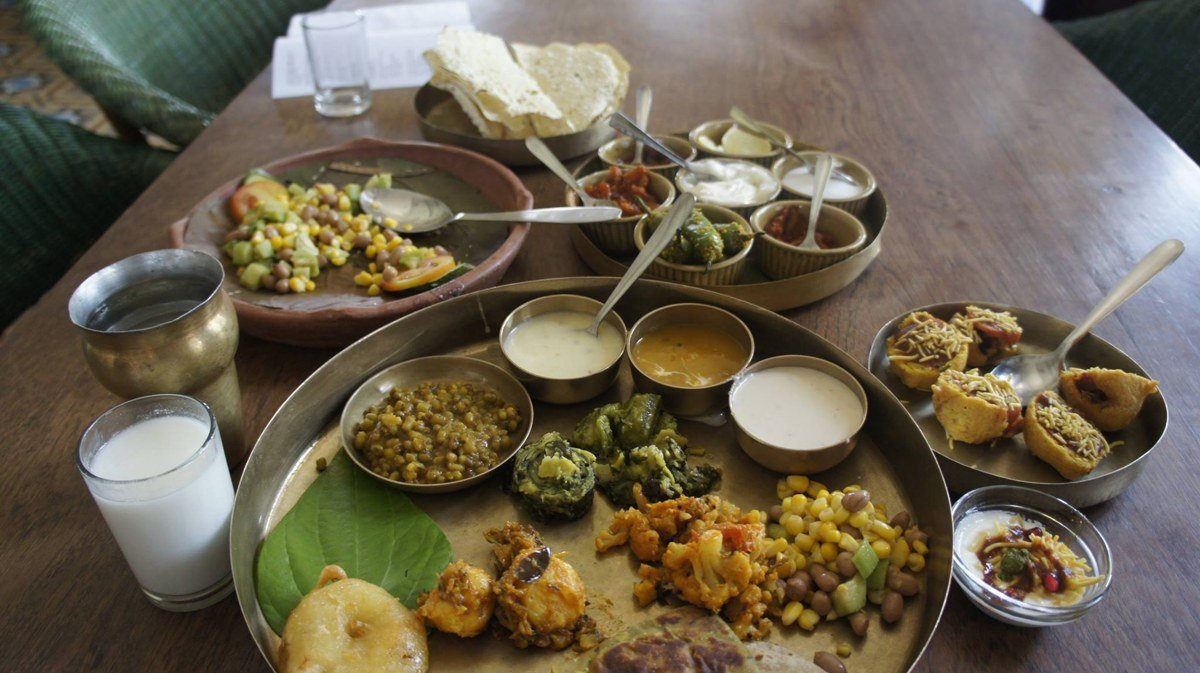
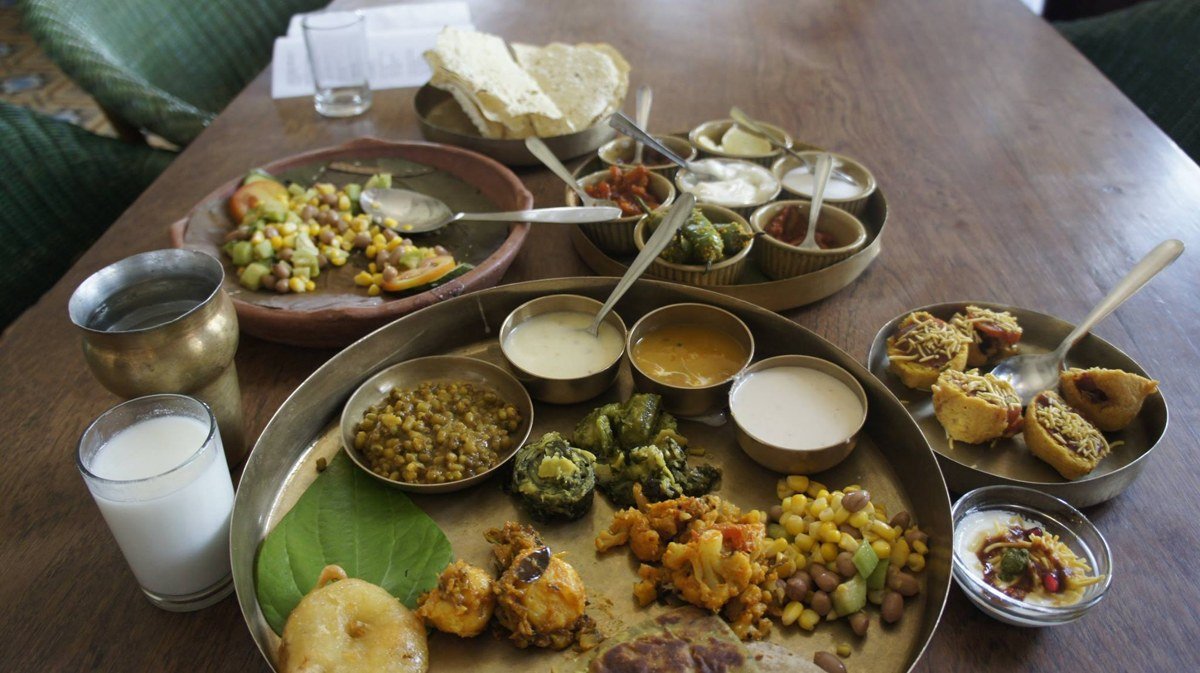
THALISaurashtra spread.
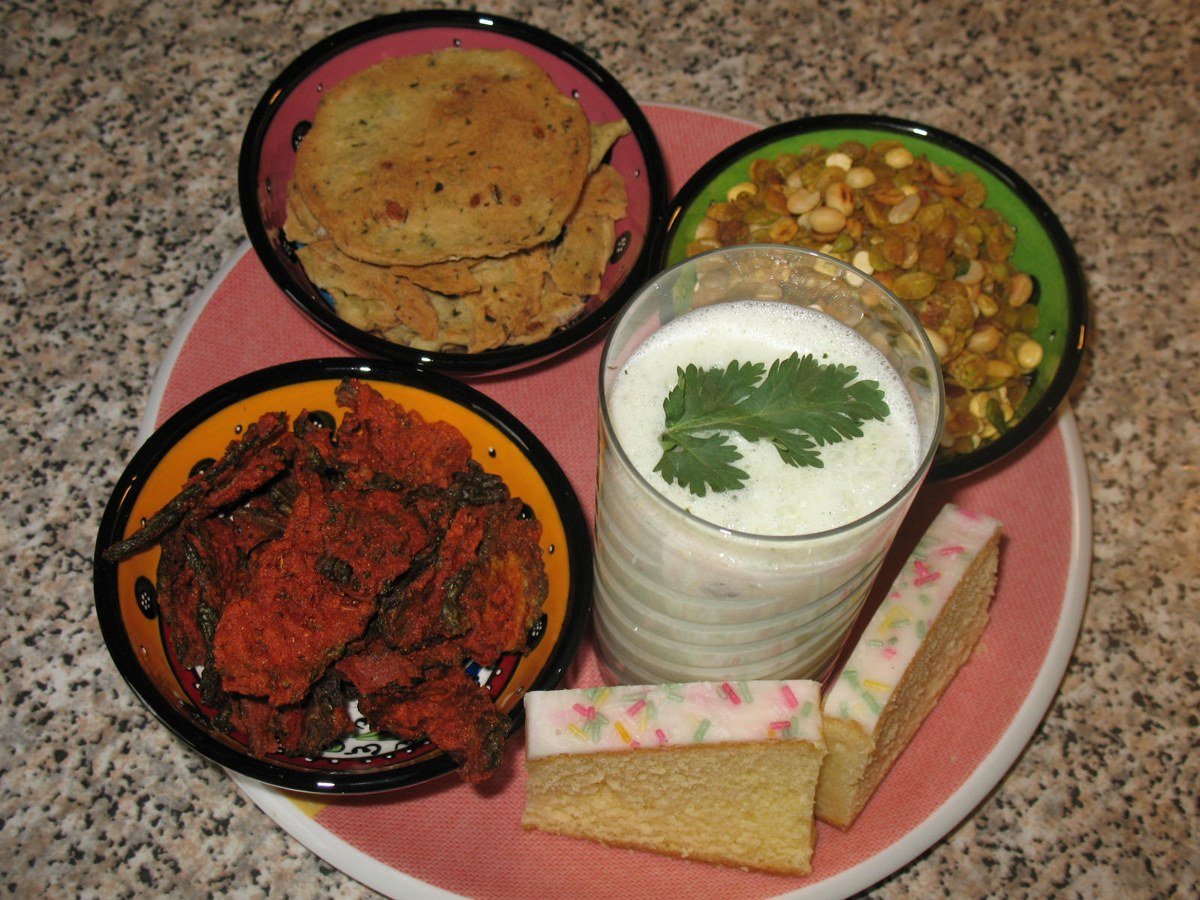
CHAASSpiced buttermilk.
A tie-dye craft in which cloth is knotted into thousands of tiny points and dyed, leaving a pattern of pale dots.
Jamnagar is one of Gujarat’s great Bandhani centres, its dyers famed for deep, lasting colour.
From the word bandhan, meaning "to tie" — the knots that define the craft.
Weddings and festivals especially — the bridal gharchola and odhani are classic Bandhani pieces.
Finer, denser and more even knots generally mark better, more skilled work.
Yes — Jamnagar’s craft bazaars let you see the tying and dyeing first-hand.

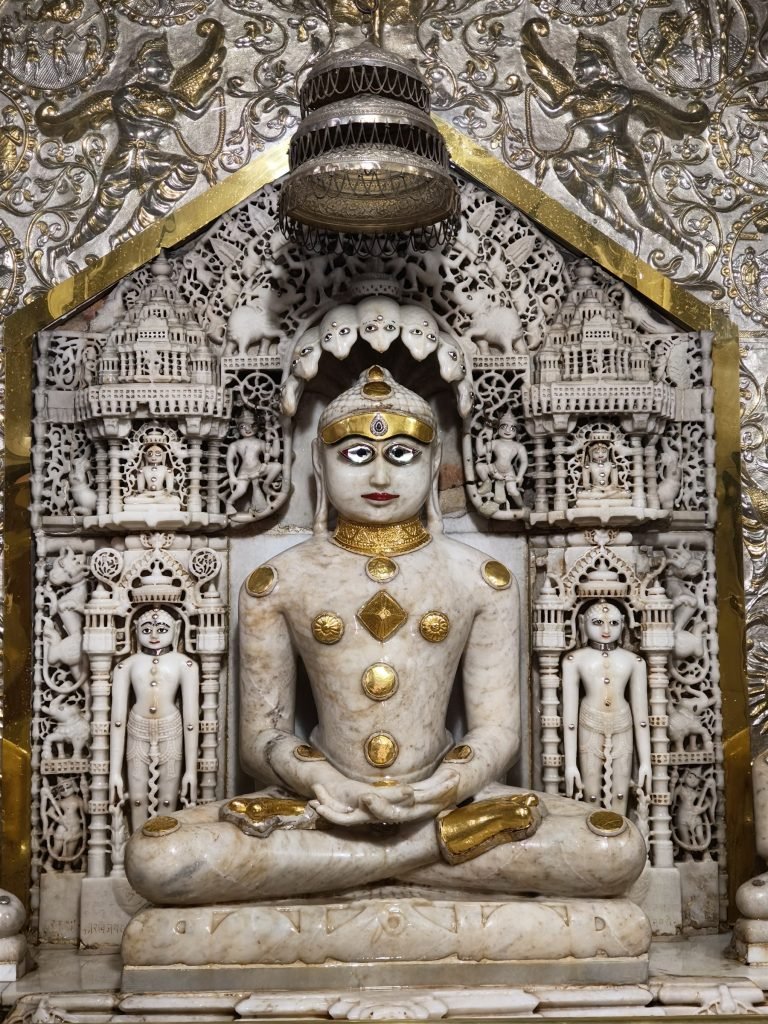
An exquisite white-marble Jain temple
Famed for its weights & scales craft

The first Swaminarayan temple in the world — a riot of carved, painted teak in the…
SEAFOODFamous bhajiya, locho and sea breeze
The tallest waterfall in Gujarat
Lakeside temples in Dahod
WHERE TO STAY
Compare live prices across the big booking sites and reserve in a few taps. Booking happens securely on the partner's site — we may earn a small commission at no extra cost to you.
Book directly on our partner sites — tap a provider to see live Gujarat hotels & prices:
SHOP THE REGION
Hand-picked crafts and trip gear, available on Amazon.
Published 24 June 2026 · Updated 3 July 2026
We’re an independent group of writers and travellers documenting every corner of Gujarat — one place, plate and festival at a time.
Search Gujarat Explorer
Find places, food, festivals and travel guides across Gujarat
Press Enter to search — or Esc to close
Plan Your Trip
Gujarat Explorer is an independent travel guide. We’re happy to help you shape an itinerary and point you to the right places, stays and experiences across Gujarat.
Book a Cab