
Region
Little Rann of Kutch
Best time
November to February
Ideal duration
Half a day
Good for
Birdwatching, wildlife, big skies
The Seasonal Flats of the Little Rann of Kutch are salt plains that transform completely with the calendar. During the monsoon they flood into a shallow inland sea, and as the water evaporates through winter they harden into a cracked, white and grey crust. This rhythm of flood and dry shapes the wildlife, the salt farming and the strange, shifting beauty of the region.
For visitors, the seasonal flats mean a landscape that never looks quite the same twice. In the productive winter months they draw huge numbers of birds and support the Indian wild ass on their grassy islands. It is a place for patient observation and wide-open scenery rather than quick sightseeing, best appreciated on a guided safari across the plains.
What to see and do on the seasonal flats
The great appeal of the seasonal flats is watching wildlife against an enormous, empty backdrop. As the waters recede in winter, the Indian wild ass, nilgai and smaller predators become easier to spot, and jeep safaris are the standard way to reach them. Sunrise and sunset over the pale flats create some of the most memorable scenes in Gujarat.
Birdwatching is superb when the shallow pools remain, with flamingos, cranes, pelicans and waders gathering to feed. The salt pans worked by local families add colour and human interest. Come with binoculars and a knowledgeable guide, and treat a visit as an unhurried immersion in a rare and dramatic wetland environment.
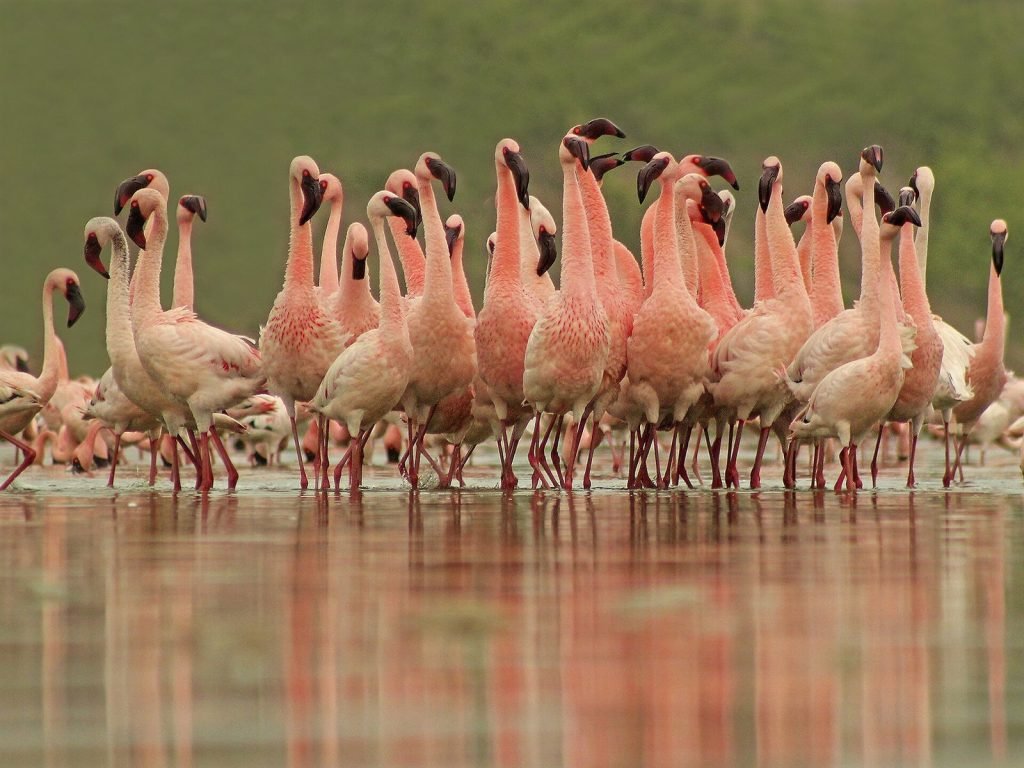
Seasonal Flats
How to get there
The seasonal flats are reached through fringe villages and towns of the Little Rann, such as Zainabad and Dhrangadhra, a few hours by road from Ahmedabad, the nearest major airport and rail hub. Lodges and camps on the edge of the Rann arrange the jeep safaris that take you onto the plains, which is the practical and safe way to see this terrain.
Best time to visit
Winter, from November to February, is the ideal window, when the flats have dried enough for safaris and both wildlife and migratory birds are plentiful. The monsoon floods the plains and halts access, while summer heat makes visits unpleasant. Plan around the cool, dry months and book through a recognised local operator for the best results.
Good to know
- Visit in the dry winter months for safe access and rich wildlife.
- Carry binoculars and a long lens for distant animals and birds.
- Book safaris through an established edge lodge or camp.
- Dress in layers, as flat mornings can be cold and still.
Frequently asked questions
Why are they called seasonal flats?
Because they flood in the monsoon and dry into salt plains through winter, changing dramatically with the seasons.
What is the best season to visit?
The dry winter months, when safaris run and wildlife and birds are abundant.
How do I access the flats?
Through fringe villages of the Little Rann on a guided jeep safari from a local lodge.
A landscape with two lives
The seasonal flats of the Little Rann's fringe are Gujarat's shape-shifting landscape: from June the monsoon rivers and sea surge flood them into a shallow inland sea, and from October the water burns off to leave salt-crusted plains that ring underfoot and run flat to a shimmering horizon. Neither state is the 'real' one — the alternation itself is the ecology, and everything that lives here is built around it.
The wet months belong to the breeders: this flooding is why the flats host some of India's great waterbird colonies, with flamingos and pelicans timing their nesting to the shallow, fish-rich water. The dry months belong to the grazers and the salt: wild ass herds range the crusted plains, and the Agariya salt farmers move onto the flats to work their pans through the winter — one of India's hardest livelihoods, carried on in family camps far from any road.
Reading the flats
Visit in the transition months and the landscape explains itself: October's retreating water leaves bird-crowded pools between drying pans; by January the surface is hard enough to drive, patterned in polygons of crystallised salt; by April the mirages are the only water in sight. The light is the flats' great gift — dawn and dusk turn the crust rose and violet, and the emptiness gives photographers horizons unbroken in every direction.
Practical notes
The flats are reached from the Little Rann's gateway villages — Dasada, Zainabad, Dhrangadhra — with local guides and safari operators who know which surfaces bear weight; never drive the flats unguided, as the crust hides soft mud that has swallowed vehicles whole. November to February is the season for comfort, wildlife and the salt harvest together; the monsoon months close the flats entirely.
Combine the flats with the Wild Ass Sanctuary's safaris and a visit to an Agariya salt camp — arranged through the gateway operators, and best done with the respect owed to working families in a punishing place. Carry water, sun cover and dark glasses; the glare off salt is fiercer than any beach.