
Region
Aravalli / Sabarkantha, Northeast Gujarat
Best time
October to March
Ideal duration
Half a day
Good for
Temple art, carving, pilgrimage heritage
Shamlaji Carvings refer to the detailed stone sculpture and ornament at the historic Shamlaji temple, a major pilgrimage site in the Aravalli foothills of northeastern Gujarat, near the Rajasthan border. The temple, dedicated to a form of Vishnu, is known both for its living devotion and for the craftsmanship worked into its stone. The carvings reward close attention and reflect the long artistic tradition of temple building in this region.
For visitors drawn to art and heritage, the shamlaji carvings are the highlight of the temple town. Figures, panels and decorative detail cover the stone, and the setting beside the Meshvo river adds to the atmosphere. Shamlaji is an active place of worship, so you will see the carvings amid the flow of pilgrims and ritual. Come to appreciate both the devotion and the artistry, and give the stonework the slow look it deserves.
What to see and do among the Shamlaji Carvings
The temple's stone sculpture is the reason to visit. Look closely at the figures, panels and ornament worked into the walls and pillars, which show the skill of the craftsmen who shaped them. The living worship around you gives the art a context that a museum never could.
The temple's setting near the Meshvo river and the surrounding Aravalli hills makes it easy to combine with the nearby lake and backwaters. As an active shrine, Shamlaji has customs around dress, footwear and photography, so follow them respectfully. Festival times bring large crowds and heightened energy for those who wish to experience it.
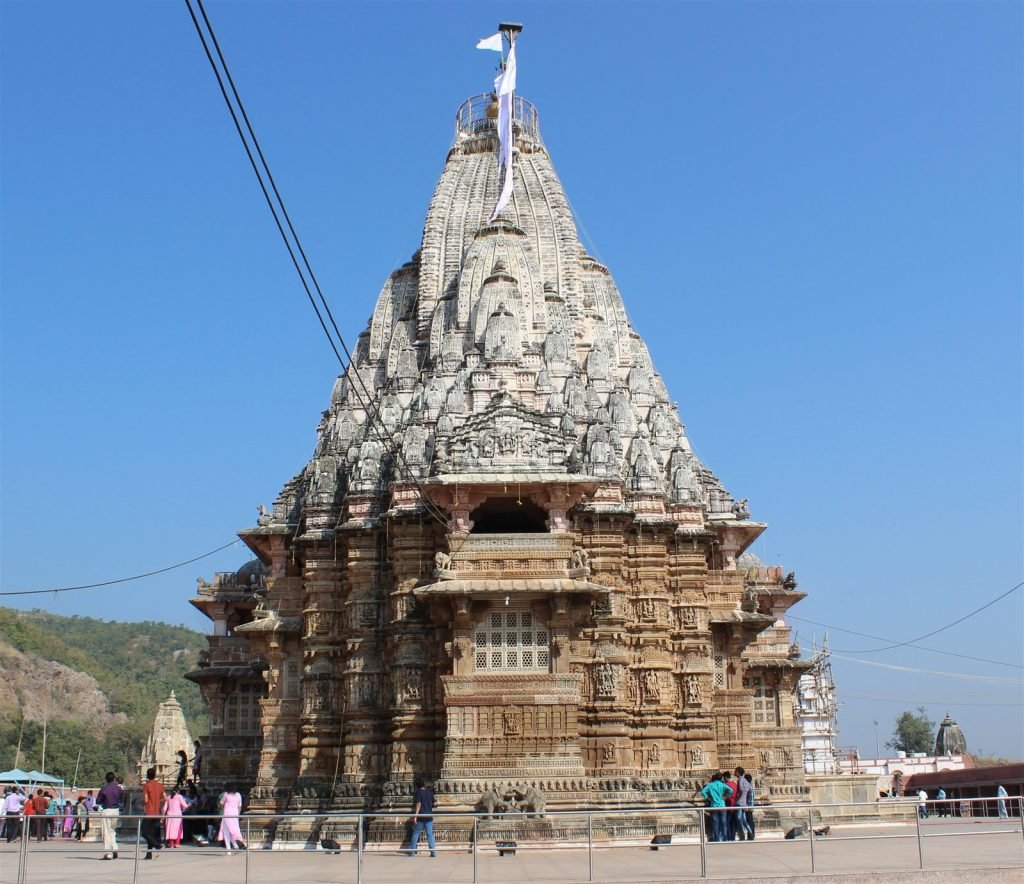
Shamlaji Carvings
How to get there
Shamlaji lies in the Aravalli foothills of northeastern Gujarat, near the Rajasthan border, on the main highway toward Rajasthan. This makes it well connected by road, with regular buses and taxis serving the pilgrimage route. Himatnagar is the nearest larger town on the rail network, with road links to Shamlaji.
Best time to visit
October to March offers the most comfortable weather for exploring the temple and its carvings. Major festivals, particularly the well-known fair associated with Shamlaji, bring very large crowds and a vivid atmosphere; some travellers seek this out while others prefer quieter days for a closer look at the art.
Good to know
- Take your time with the carvings, which reward close looking.
- Follow temple customs on dress, footwear and photography.
- Combine the visit with Meshvo Lake and the backwaters nearby.
- Expect big crowds during the Shamlaji fair season.
Frequently asked questions
What are the Shamlaji Carvings?
The detailed stone sculpture and ornament of the historic Shamlaji temple in northeastern Gujarat, a major Vishnu pilgrimage site.
Is Shamlaji an active temple?
Yes. It is a living place of worship, so the carvings are seen amid pilgrims and ritual, and temple customs apply.
What else is nearby?
The Meshvo river, Meshvo Lake and the backwaters, plus the surrounding Aravalli hills.
Reading the stones at Shamlaji
Shamlaji's temple is north-eastern Gujarat's great shrine — Vishnu worshipped as Shamaliyo Dev, the dark one — and its fabric is a textbook of the region's carving. The present structure, largely of the fifteenth and sixteenth centuries, stands on ground sacred far longer: sculpture recovered around Shamlaji runs back to the Gupta age, and pieces from this valley — the celebrated grey-schist figures now in museums — count among western India's finest early carving.
The temple you walk around carries that lineage forward. The outer walls rise in carved registers: elephants at the base — the classic gaja-thara — then bands of figures, deities in their niches, dancers and musicians at bracket level, and the tower's diminishing storeys above. The two-storeyed mandapa is the interior's pride, its balconies and ceiling worked with the same density.
What to look for
Take the circumambulation slowly and the walls organise themselves: Vishnu's forms in the principal niches, the guardians at the corners, and scenes from the epics threading between. The elephant frieze repays close attention — no two animals quite alike. Look too for the older fragments built into the fabric and standing loose in the precinct: worn Gupta-flavoured torsos and panels beside their medieval successors, a thousand years of the valley's carving in one courtyard.
Morning light works best on the east-facing entrance and the riverside flank; late afternoon fires the tower. Photography of the exterior is open; ask before shooting inside the sanctum area.
Practical notes
Shamlaji stands beside the Meshvo river just off the Ahmedabad–Udaipur highway, about two hours from Ahmedabad. The temple is free and open through the day around the usual midday break; dress modestly and expect real crowds on Saturdays, the deity's day, and at the great Kartik Purnima fair, when lakhs of Adivasi pilgrims fill the valley.
Pair the carvings with the Dev ni Mori story at Meshvo reservoir nearby — the valley's Buddhist chapter — and with Polo Forest's ruined temples an hour north for the full Aravalli heritage day.