
Region
Anand district, mainland Gujarat
Best time
October to February
Ideal duration
Half a day
Good for
History and heritage travellers
Khambhat Port sits at the head of the gulf that shares its name, and for centuries it was one of western India's busiest maritime gateways. Ships once carried textiles, beads and spices out from here, long before silting changed the coastline. Today the harbour is a quieter working waterfront rather than a grand seaport, but the sense of an old trading town still lingers in its lanes and old buildings.
You come here for atmosphere and layered history rather than a polished tourist attraction. The tidal reach of the gulf means water levels shift dramatically through the day, and boats sit on mud when the sea pulls back. Expect a lived-in town where fishing, bead-craft and everyday commerce carry on around traces of a much older Khambhat, once known to foreign traders as Cambay.
What to see and do at Khambhat Port
Walk the waterfront to watch the tide and local boats, and take in the wide, muddy sweep of the gulf. The scale of the tidal range here is the main spectacle, so timing your visit around high water usually gives the most striking view.
Pair the port with the old town itself. Khambhat is dotted with historic mosques, Jain temples and workshops where craftspeople still cut and polish agate. A slow wander through the bazaar lanes tends to reveal more of the town's character than the harbour alone.
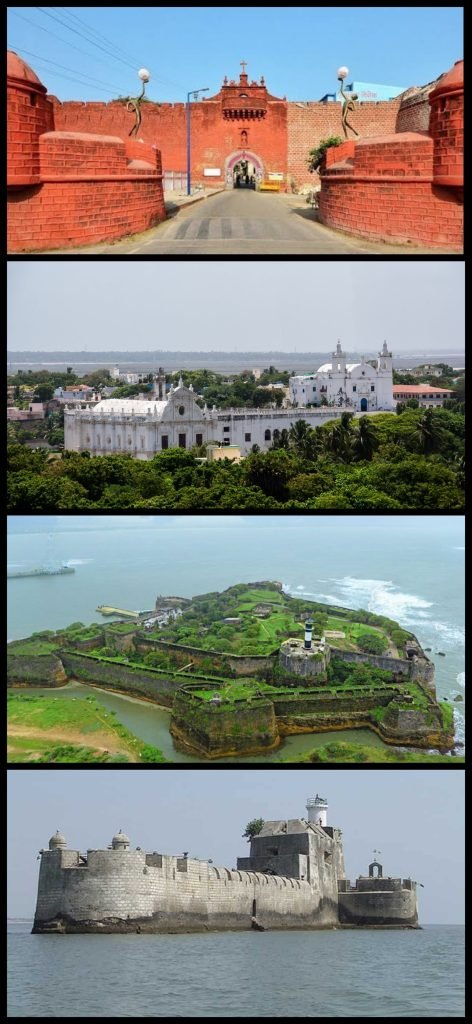
Khambhat Port
How to get there
Khambhat lies in Anand district and is usually reached by road from Anand, Nadiad or Vadodara, which are the nearest larger hubs with train connections. Buses and shared vehicles serve the town, and hiring a car gives you the most flexibility to explore the port and surrounding sights in one trip.
Best time to visit Khambhat Port
The cooler, drier months from roughly October to February are the most comfortable for walking the waterfront and old town. The monsoon can make the coastal fringe muddy and grey, while late spring turns hot and humid, so plan around the winter window if you can.
Good to know
- Check rough tide timing locally, since the harbour looks very different at high and low water.
- Wear shoes you don't mind getting muddy near the waterfront.
- Combine the port with Khambhat's mosques, temples and bead workshops for a fuller day.
- Carry water and sun cover, as shade near the open shore is limited.
Frequently asked questions
Is Khambhat Port a major seaport today?
No. Silting reduced its importance over the centuries, so it now functions mainly as a local fishing and working waterfront rather than a large commercial port.
How much time do I need here?
A half day is usually enough to see the waterfront and combine it with a walk through the old town.
Is it a beach destination?
Not really. This is a tidal gulf with mudflats rather than a sandy swimming beach, so come for history and scenery instead.
The port that named an ocean's trade
For centuries 'Cambay' meant Gujarat to the world. Khambhat, at the head of the gulf that still carries its name, was the subcontinent's premier western port through the medieval era — the harbour where the Delhi Sultanate and then the Gujarat Sultans banked their customs revenue, where Marco Polo and Ibn Battuta noted the wealth, and where ships cleared for Aden, Hormuz, Malacca and the African coast loaded with textiles, indigo and the town's own agate work. The port's fall was geological, not commercial: the gulf's ferocious tides silted the channels until the sea itself withdrew, and the trade moved to Surat and then Bombay, leaving Khambhat beached beside its own history.
The town keeps more of that history than its quiet suggests. The Jami Masjid of 1325 is one of India's earliest surviving congregational mosques, built largely from repurposed temple stone with a colonnaded court of real grandeur; the old quarters carry merchant havelis, Jain temples and the tombs of foreign traders; and the shoreline's emptiness — mudflats running to the horizon where fleets once anchored — is its own museum exhibit.
The agate thread
One trade never left. Khambhat has cut and polished agate and carnelian for something like five thousand years — beads from workshops in this region reached Mesopotamia in Harappan times, and the lapidaries' lanes still work the banded stone from the Rajpipla mines into beads, bowls and jewellery. Watching the cutters at their wheels connects the town's present to the oldest continuous craft economy on earth, and the finished work makes Khambhat's signature souvenir. The town's other export is edible: halvasan and sutarfeni, sweets whose names carry Cambay's flavour across Gujarat.
Practical notes
Khambhat lies about 90 minutes from both Vadodara and Ahmedabad's southern edge, an easy day trip. Give the Jami Masjid and the old-town walk a morning, ask for the agate workshops (locals will point the way), and read the vanished port in the shore's silence. October to March is the season; the gulf's extreme tides make the flats genuinely dangerous to wander — admire the sea's absence from firm ground.