Teen Darwaza — literally ‘three gates’ — is one of the oldest and grandest gateways in India still in everyday use. Built in 1415 by Ahmad Shah I, its three tall, finely buttressed arches once formed the ceremonial entrance from the royal square (Maidan Shahi) towards the Bhadra citadel.
Six hundred years on, the arches still straddle a busy bazaar, with shops, hawkers and traffic streaming beneath them as they have for centuries. A lamp here is said to have been kept burning continuously for generations — a small, stubborn flame that has outlasted dynasties.
It is less a monument behind a fence than a living piece of the city you simply walk through.
The triple arches, still framing the daily bazaar.
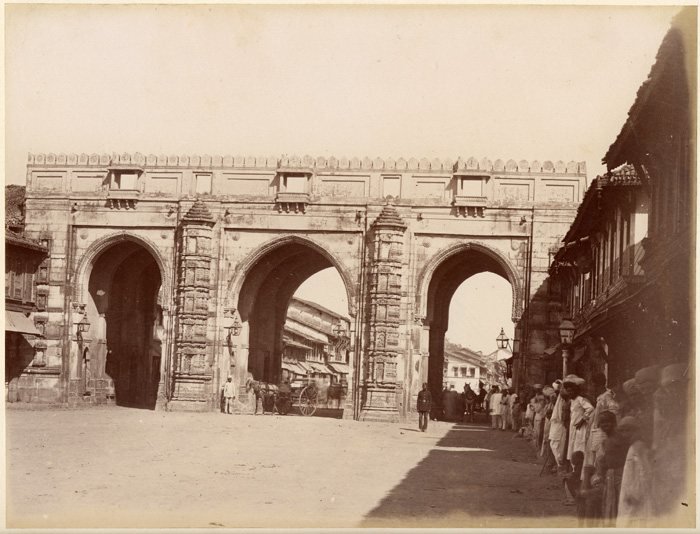
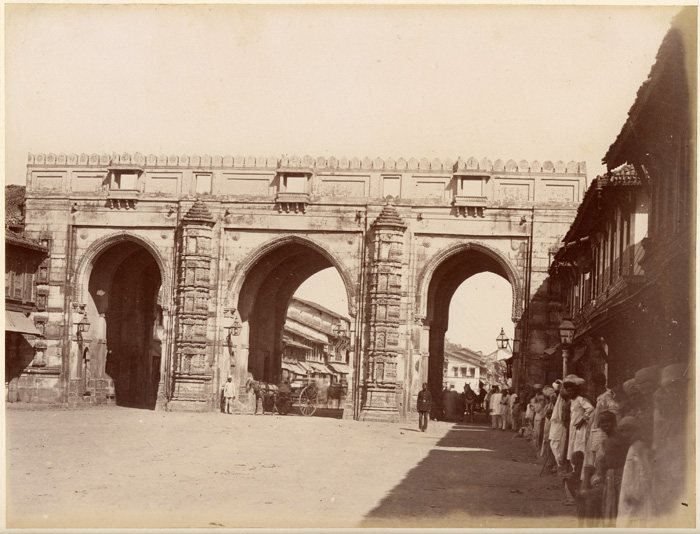
The gateway in a 19th-century photograph.
Ahmad Shah I builds the triple gate as the ceremonial entrance to the royal square.
Royal processions pass beneath it between the maidan and Bhadra Fort.
A lamp at the gate is said to be kept perpetually alight for generations.
Still a working gateway, threaded by one of the old city's busiest bazaars.
One of India's oldest gateways, still in daily public use.
Shops and hawkers crowd beneath the arches just as they always have.
A flame here is said to have burned continuously for centuries.
No ticket — you simply walk through it on Gandhi Road.
Arches, light and crowds make for vivid documentary photos.
A natural starting point for exploring the walled city.
THE GATEThree tall, buttressed arches over the street.
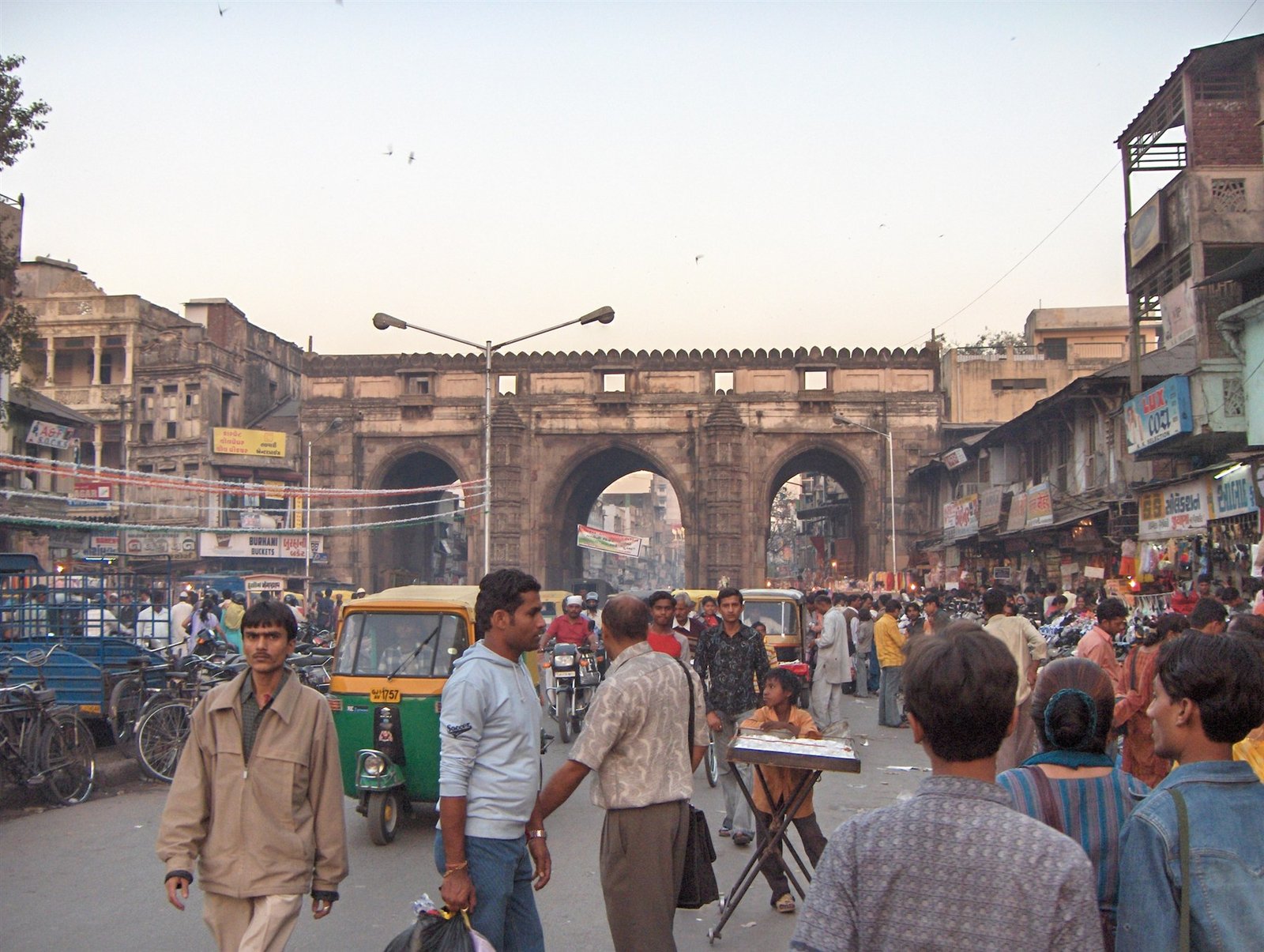
STREET LIFEShops and crowds streaming beneath the gate.
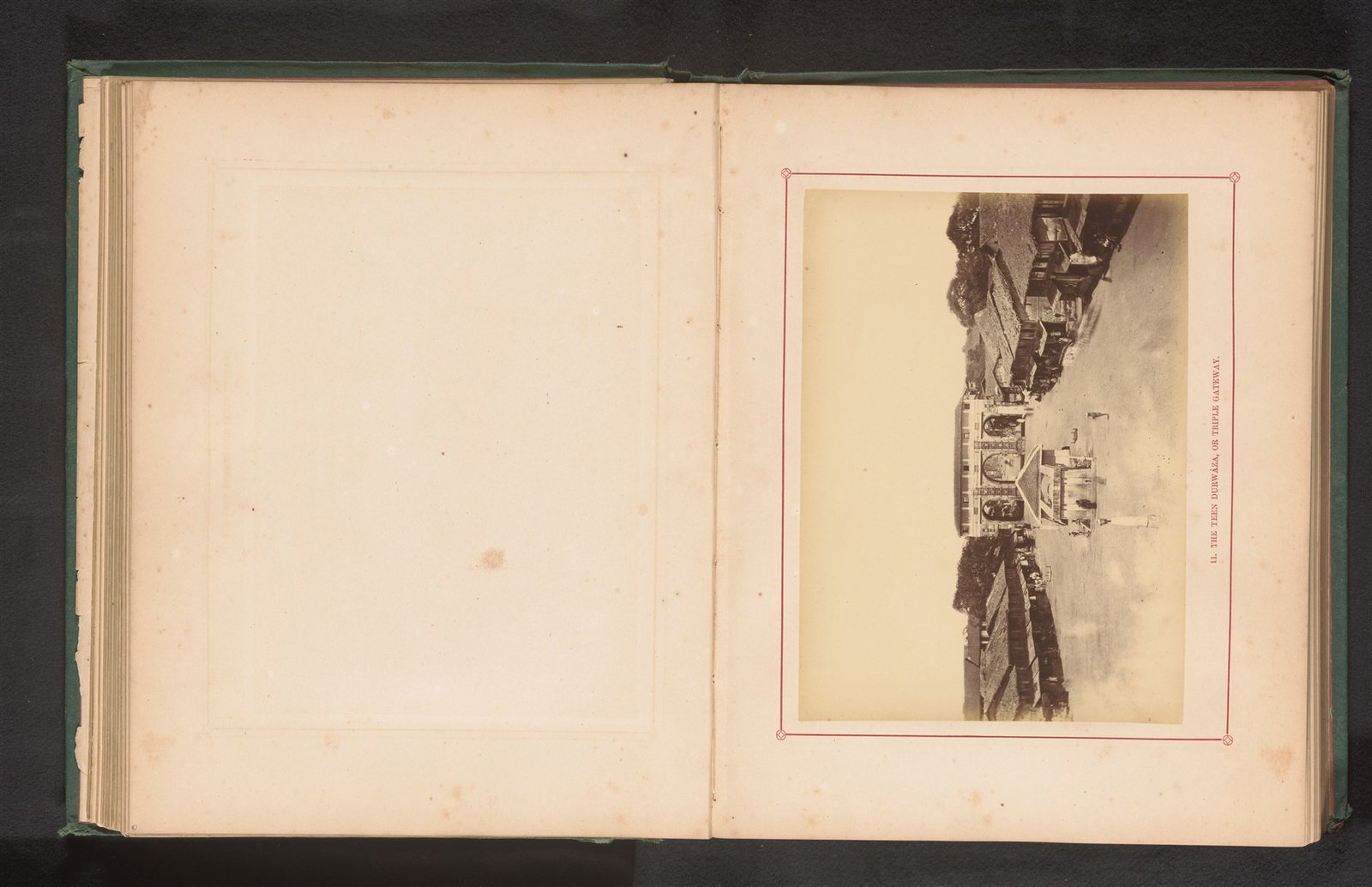
HERITAGEThe gate captured over a century ago.
Pass beneath all three gates and feel six centuries underfoot.
Pause to take in the colour and chaos of the surrounding market.
Find the niche where a flame is said to have burned for generations.
Notice the buttresses and carved bands of the Sultanate masonry.
Browse the fabric and trinket stalls that crowd the gateway.
Use it as the gateway to Bhadra Fort and the old-city route.
Buttressed Sultanate arches over Gandhi Road.
Teen Darwaza is a triple-arched gateway of dressed yellow stone, built in the confident early-Sultanate manner. Its three openings — a tall central arch flanked by two slightly lower ones — are framed by sturdy semi-octagonal buttresses and crowned with carved bands and small windows.
The gate was designed as ceremonial architecture, marking the approach to the royal Maidan Shahi and the Bhadra citadel beyond. Its proportions still command the street: even hemmed in by the modern bazaar, the arches lift the eye and frame the life passing beneath them.
This is one of many places worth seeing here — the full guide to Ahmedabad has the rest.
Triple Sultanate arches
Semi-octagonal buttresses
Carved stone bands & windows
Ceremonial axis to Bhadra
Cool and bright — the most pleasant time to be out across Ahmedabad.
The city greens up and the heat breaks with brief, refreshing showers.
Hot and dry, often 40°C+. Best enjoyed early morning or after sunset.
⏰ Mornings are calmer for photos; evenings buzz with bazaar life and warmer light on the stone.
SVP International Airport is about 9 km away — roughly a 25-minute cab ride.
Ahmedabad Junction (Kalupur) is around 2.5 km from the gate.
On Gandhi Road; Lal Darwaza bus hub is a two-minute walk.
STREET & STONE
Early morning is clean and quiet; evening adds warm light and energy.
The three arches framed over the street, with the bazaar life beneath.
Let people and stalls fill the frame — they are the gate's story.
Shoot through the central arch to layer street scenes beyond.
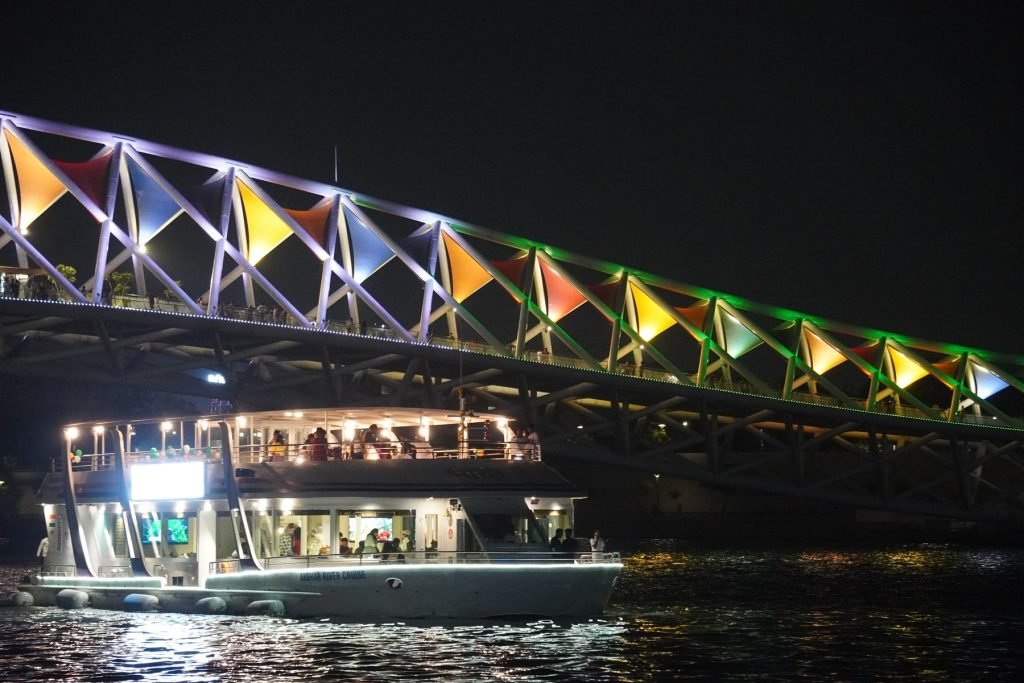
MODERNPromenade & the flower-shaped Atal Bridge
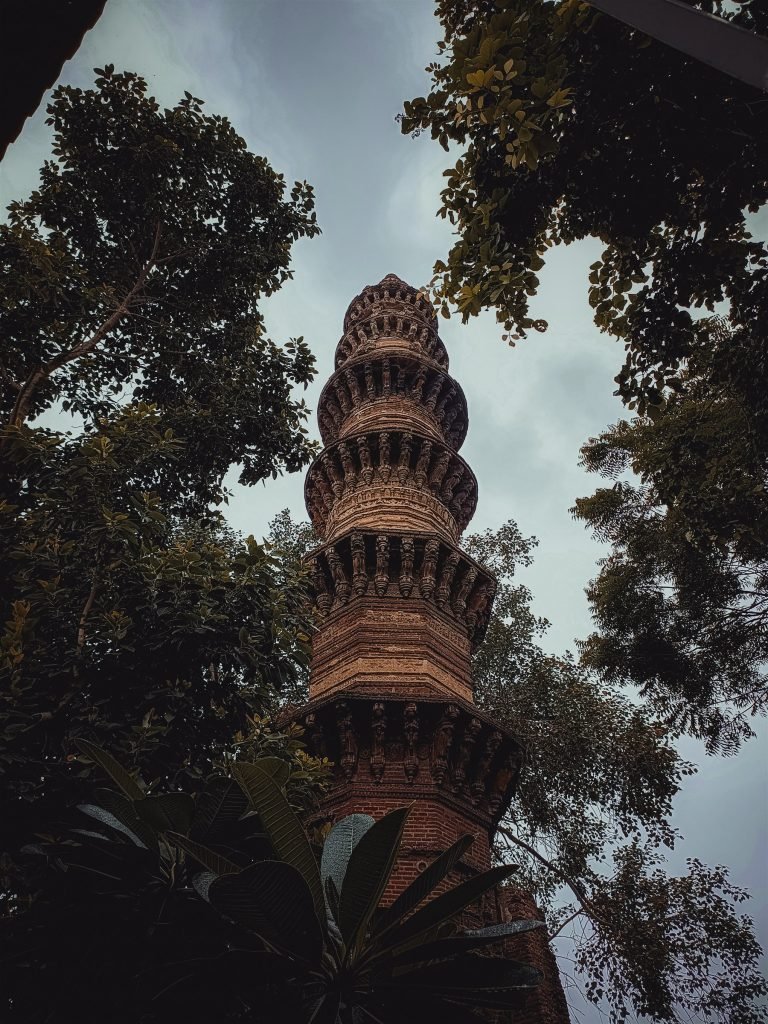
CURIOSITYThe mysterious ‘shaking minarets’

◐ Early light · facades
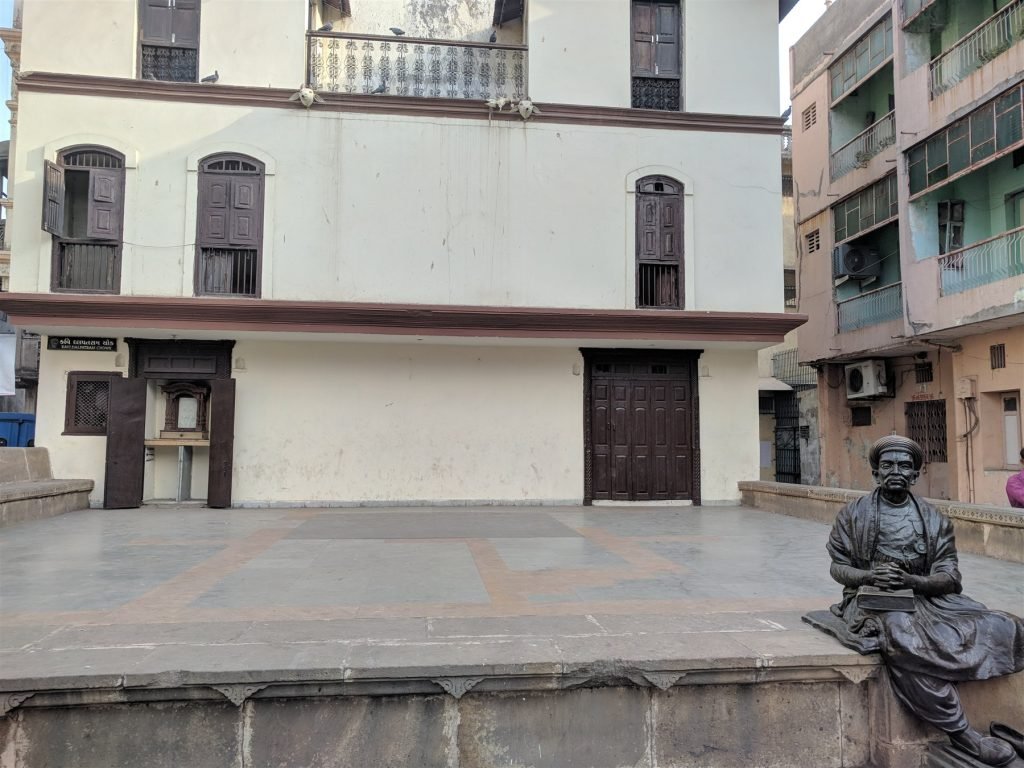
HERITAGEA perfectly preserved pol square

The royal ladies’ tombs of the sultans — ornate marble cenotaphs hidden inside a bustling old-city…
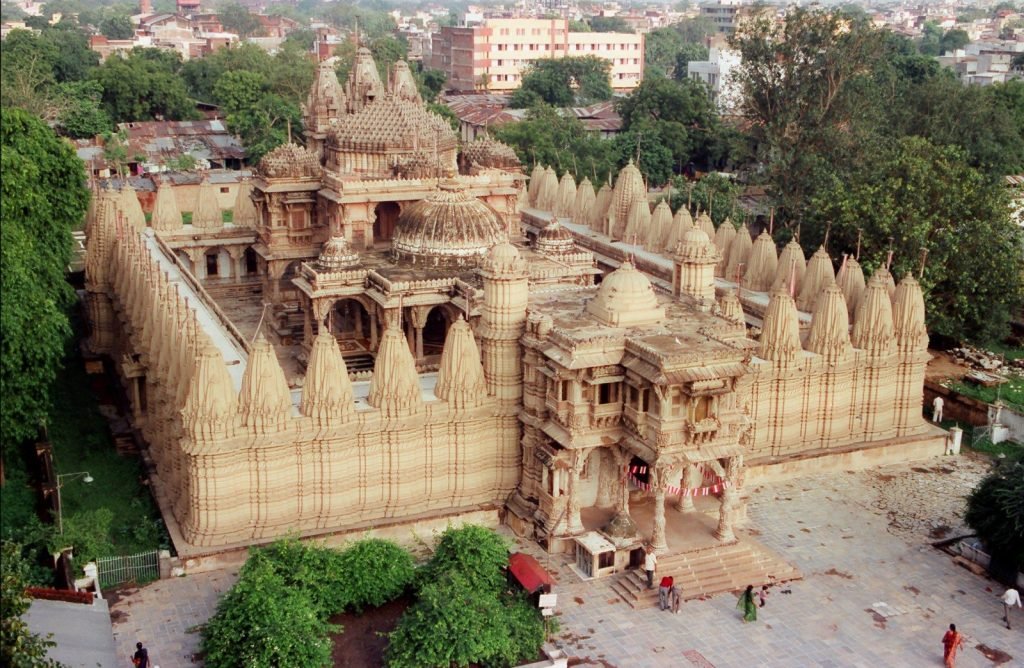
SPIRITUALExquisite 1848 white-marble Jain temple
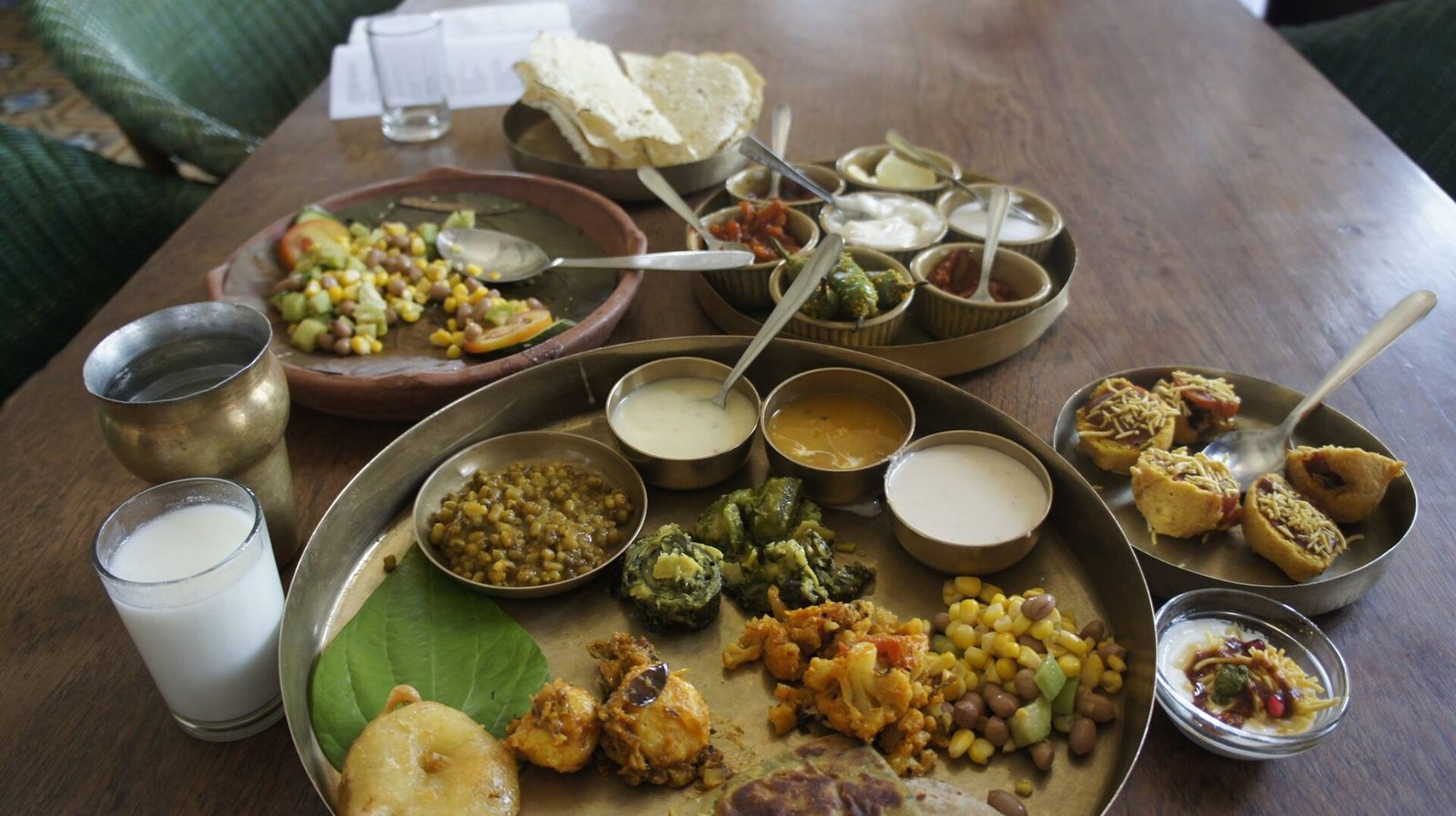
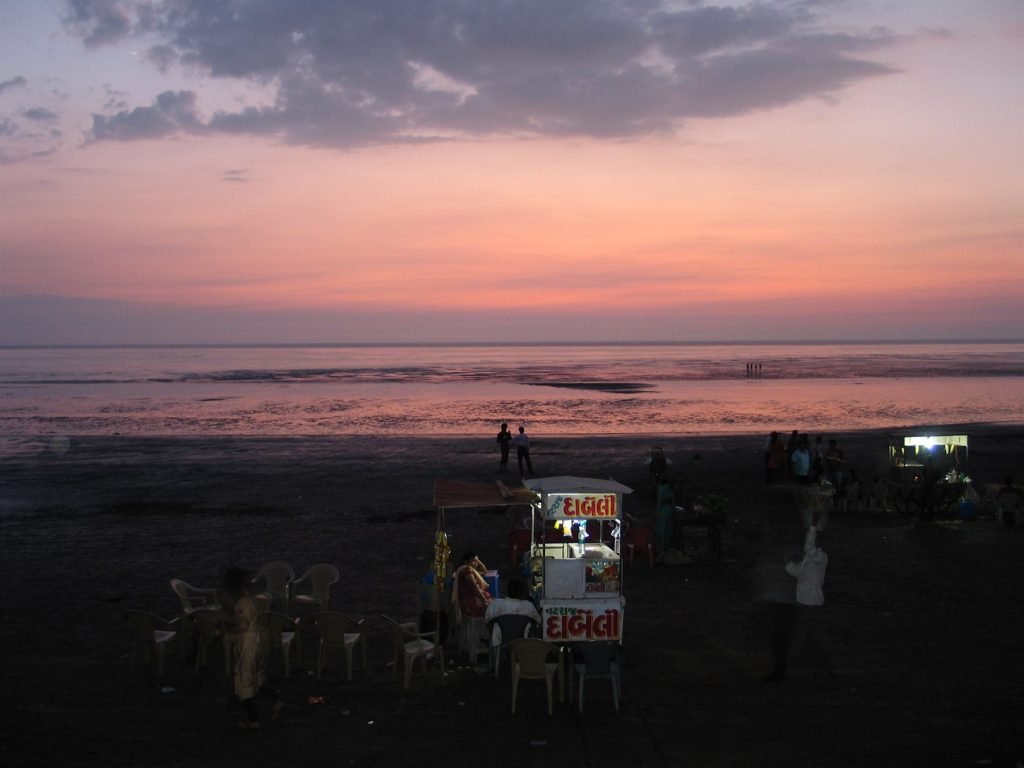
STREET FOODBy night the old jewellers' square turns into a buzzing street-food bazaar.

SNACKSAn evening lane of carts serving Gujarati chaat, sandwiches and sweets.
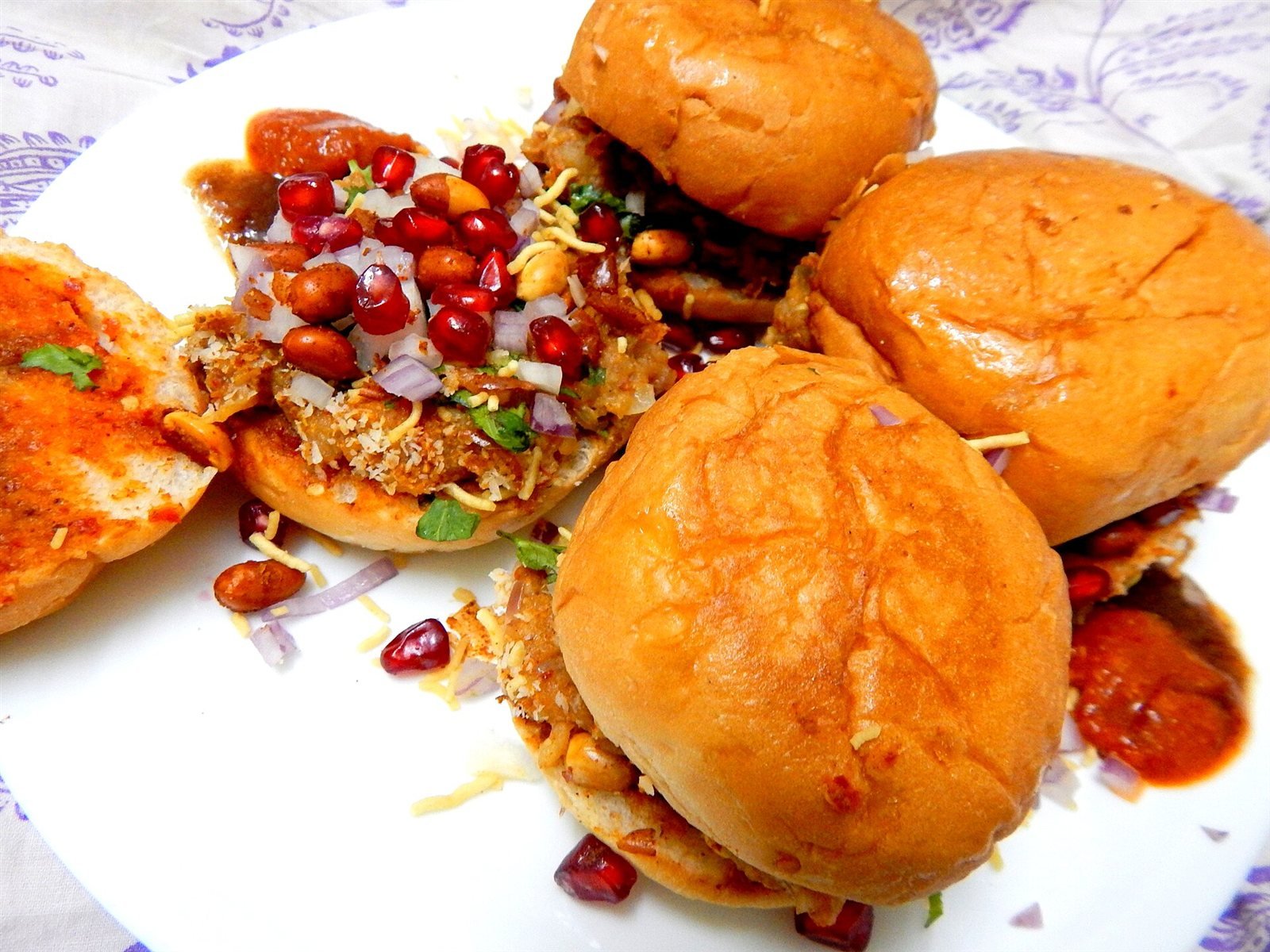
CLASSICSFresh fafda-jalebi, dabeli and khaman in the lanes of the walled city.
Ahmedabad is famously veg-friendly — expect superb thalis and farsan.
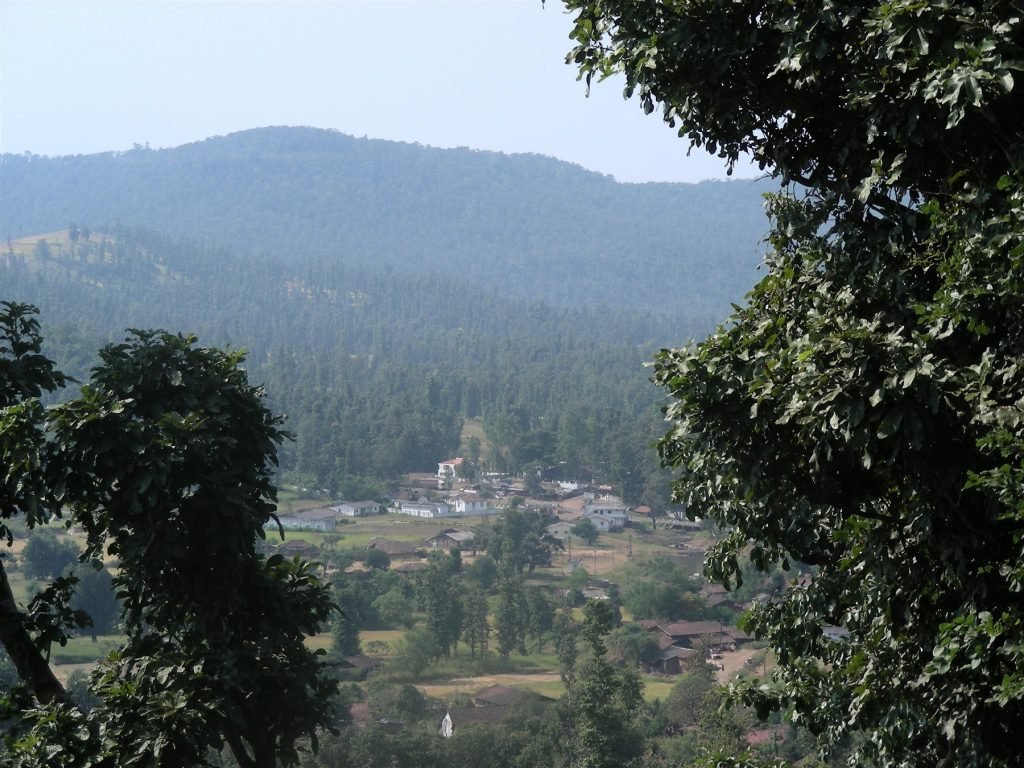
On Gandhi Road in the walled city of Ahmedabad, about 2.5 km from the railway station.
'Three gates' — for its three tall arches.
In 1415, by Sultan Ahmad Shah I.
No; it spans a public street and is free to walk through.
It's open at all hours, busiest through the day with the bazaar.
A flame at the gate said to have been kept burning continuously for generations.
About 20–30 minutes, longer if you browse the bazaar.
Yes — the gateway is wrapped in a lively market of fabric and trinket stalls.
Lal Darwaza bus hub is a two-minute walk; the railway station is ~2.5 km away.
Bhadra Fort and Jama Masjid are steps away; Sidi Saiyyed is a short walk.
5Watch Warli artists paint tribal folklore
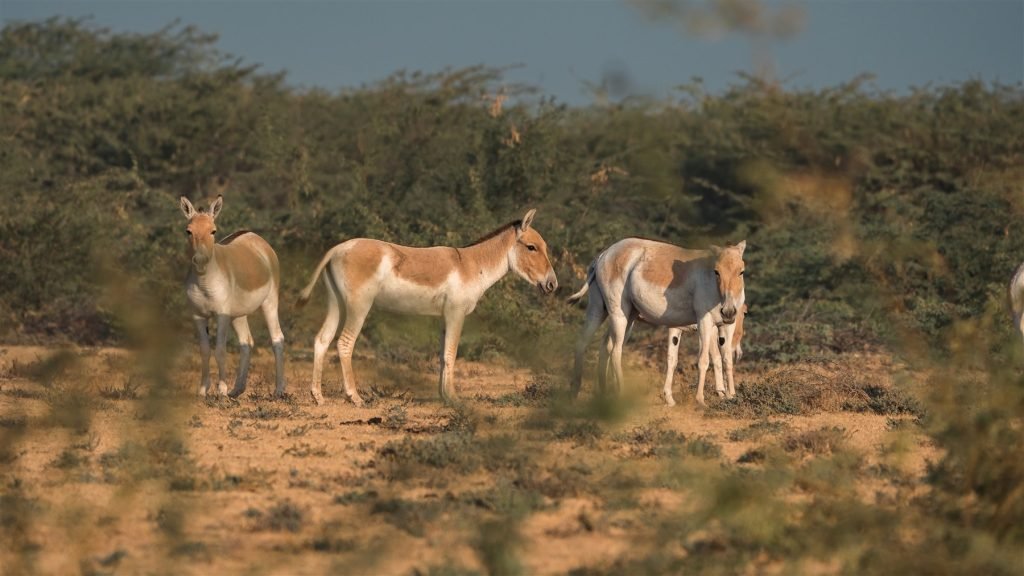
WILDLIFEThe last refuge of the Indian khur
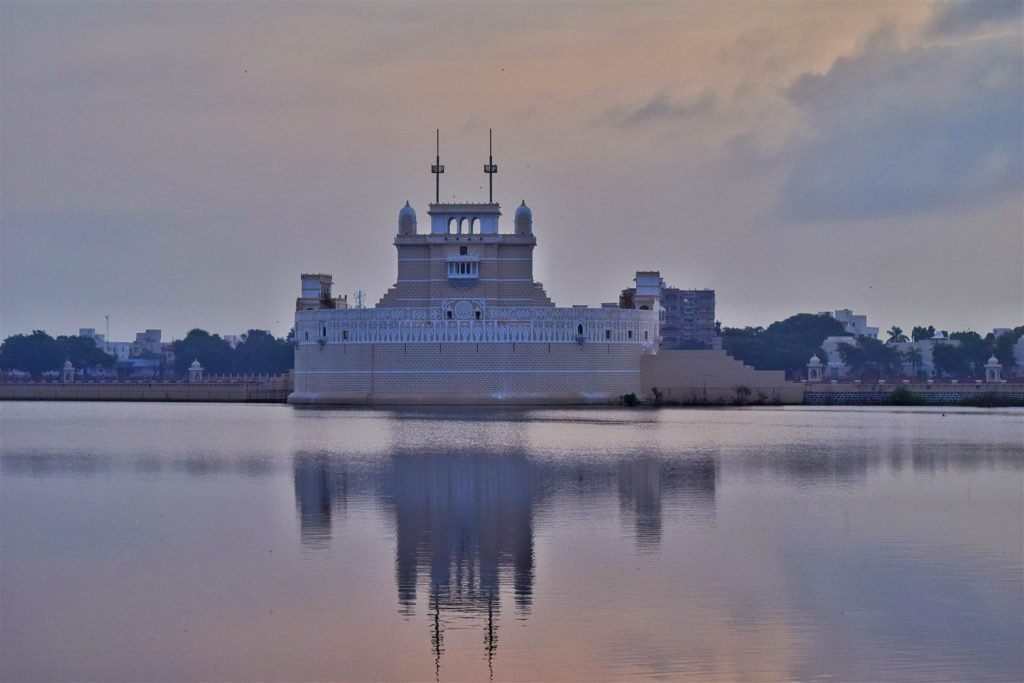
FORTAn island fort-museum in the middle of Ranmal Lake
COASTQuiet creeks and coastal villages
HILLSMisty Ghat plateau above Dharampur

Sacred groves of the Bhil people
WHERE TO STAY
Compare live prices across the big booking sites and reserve in a few taps. Booking happens securely on the partner's site — we may earn a small commission at no extra cost to you.
Book directly on our partner sites — tap a provider to see live Gujarat hotels & prices:
SHOP THE REGION
Hand-picked crafts and trip gear, available on Amazon.
Published 24 June 2026 · Updated 24 August 2026
We’re an independent group of writers and travellers documenting every corner of Gujarat — one place, plate and festival at a time.
Search Gujarat Explorers
Find places, food, festivals and travel guides across Gujarat
Press Enter to search — or Esc to close
Plan Your Trip
Gujarat Explorers is an independent travel guide. We’re happy to help you shape an itinerary and point you to the right places, stays and experiences across Gujarat.
Book a Cab