Bhavnagar is not on the tourist trail and does not much mind. It is a working city in eastern Saurashtra, founded in 1723 as a port by Bhavsinhji Gohil, prosperous for two centuries on trade across the Gulf of Khambhat, and now better known as the gateway to Palitana's temple hill, Velavadar's blackbuck grasslands and the shipbreaking yards at Alang. Most visitors treat it as a place to sleep.
It deserves rather better, and its best asset is one almost no Indian city of its size has: a large protected urban forest. Victoria Park covers several hundred hectares on the edge of town — woodland, scrub, wetland and a lake, with a genuine bird list and a nature education centre — and it exists because a nineteenth-century princely administration set land aside and nobody subsequently built on it. There is also a hilltop temple, a good old library, a heritage palace hotel and a Gandhi museum.
A forest inside a city
Victoria Park was established in the nineteenth century during the reign of the Bhavnagar rulers and named, as such things were, for the Empress. What it protects is a substantial tract of dry deciduous woodland and scrub on the city's edge, with water bodies including the Gaurishankar Lake area, and it functions now as a nature reserve and a piece of green infrastructure that most Indian cities can only wish for.
The birding is genuinely good: a long list of resident and migratory species across woodland, scrub and water habitats, with waterbirds on the lake in winter, raptors, owls, woodpeckers and a good showing of passerines. Mammals include jackal, mongoose, porcupine, nilgai and the usual small carnivores, and reptiles are well represented. There is a nature education centre and interpretation, and walking trails through the woodland.
For a visitor, it is a pleasant and unexpected two hours, best in the early morning when the birds are active and the light is good. It is also a useful demonstration of something: Bhavnagar's princely administration was an unusually competent one, with a reputation for early investment in education, water supply, railways and public amenity, and the park is one of the more visible legacies of that.
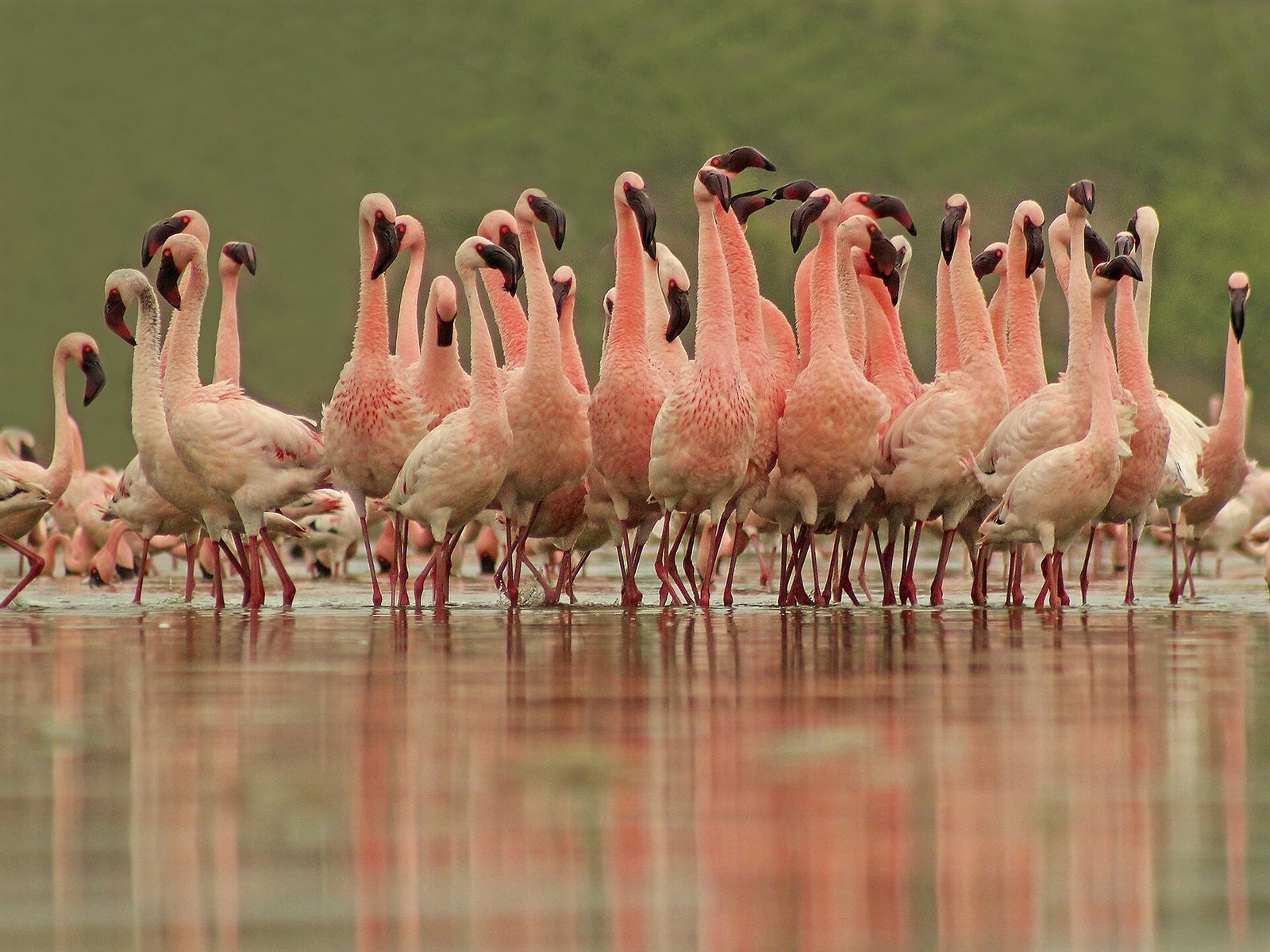
Several hundred hectares of urban forest inside a working port city.
The city the Gohils built
Bhavnagar was founded deliberately, as a port, replacing the older Gohil seat at Sihor about twenty kilometres inland. Its position on the Gulf of Khambhat gave it access to the trade of the gulf and, through it, to Bombay and beyond, and the state grew wealthy on it. The old city around the darbargadh and the bazaars retains that character — dense lanes, merchant buildings, a working commercial quarter — and it is worth a walk, though it is not a preserved heritage precinct.
Founded in 1723 as a port, and its rulers spent the proceeds on schools, water, a railway and a public library
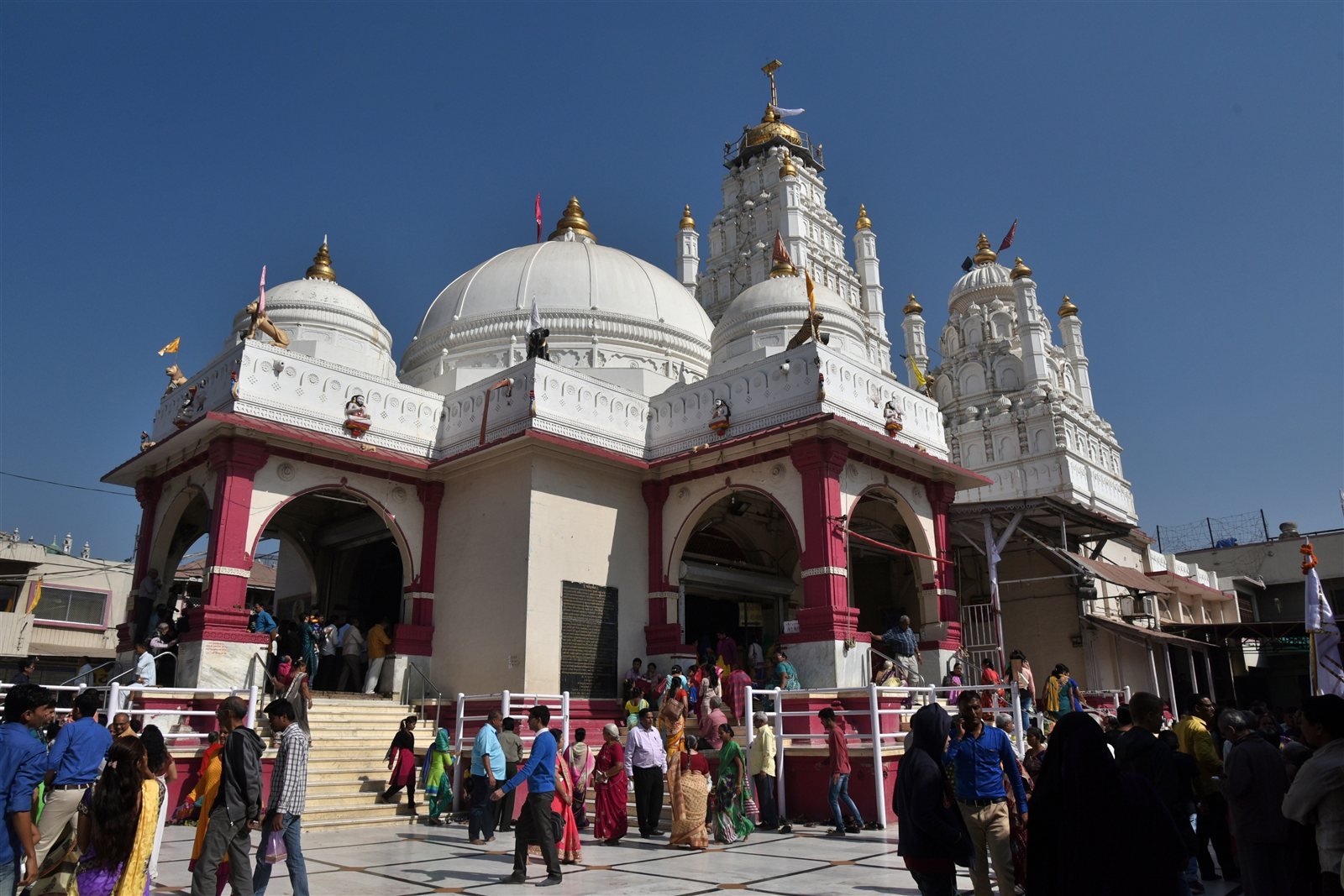
Three buildings stand out. Takhteshwar Mahadev, a white marble Shiva temple on a small hill in the middle of the city, gives the best view over Bhavnagar and out towards the gulf, and is a good early-evening stop. The Barton Library, founded in the nineteenth century, is a handsome old institution with a museum attached and one of the older public libraries in the region. And Nilambag Palace, built in the 1850s as the royal residence, now operates as a heritage hotel and is comfortably the most characterful place to stay in the city.
There is also Gandhi Smriti, a museum and memorial in the city holding material on Gandhi, who studied at Samaldas College in Bhavnagar as a young man before going to London. It is a modest institution and a genuine connection: this is one of the places where an ordinary provincial education preceded a very unusual life.
What Bhavnagar is really the base for
The honest position is that Bhavnagar's greatest value to a traveller is as a hub, and it is an excellent one. Palitana and the nine hundred Jain temples of Shatrunjaya hill are 55 km away, and the pre-dawn climb is best done from a Bhavnagar or Palitana base. Velavadar Blackbuck National Park — India's largest blackbuck population, Indian wolves and a world-class winter harrier roost — is about 65 km. Gopnath's low cliffs and quiet shore are 75 km south. Sihor, the old Gohil capital and a bell-metal craft town, is 20 km inland.
And there is Alang, roughly 50 km down the coast, the largest shipbreaking yard in the world, where the exceptional tidal range of the Gulf of Khambhat allows enormous vessels to be run aground and dismantled. Access to the yards themselves is restricted and requires permission from the maritime authorities; visitors should not expect to walk in. What is accessible is the extraordinary roadside market of salvaged ship fittings — furniture, lifebuoys, instruments, timber, crockery — which is a genuinely strange and fascinating place to browse.
Practicalities
Bhavnagar has an airport with domestic connections, a railway station with services from Ahmedabad and across Saurashtra, and good road links — it is roughly 200 km from Ahmedabad, about three and a half hours, and 170 km from Rajkot. Local autos and taxis cover the city easily, and a hired car is what you want for Palitana, Velavadar, Gopnath and Alang.
November to February is the comfortable season, and it coincides with the harrier roost at Velavadar and the best conditions for climbing Shatrunjaya. April to June is hot and humid on this coast. The city has a proper range of hotels, from budget to the Nilambag Palace, and it is the sensible base for three or four days of eastern Saurashtra. Give the city itself a morning — Victoria Park at first light, Takhteshwar at dusk — rather than treating it purely as a bed.
Why a princely state built a park
Victoria Park is not an accident, and the reason it exists tells you something about Bhavnagar. The Gohil rulers of the state ran an administration with an unusual reputation for public investment: Bhavnagar was among the earlier princely states to build a railway, to establish a public library and museum, to invest seriously in schools and a college, and to lay out formal water supply and civic amenities. Setting aside several hundred hectares of woodland on the city's edge was of a piece with that.
The state's wealth came from the port and the trade of the Gulf of Khambhat, and its rulers spent a notable share of it on things that outlast a dynasty. That is why a mid-sized working city in eastern Saurashtra has an urban forest, an old public library with a museum attached, a college that educated Gandhi, and a palace from the 1850s still standing and in use. None of it is presented as a heritage trail, and all of it is legible in a morning's walk if you know to look for it.
If you go
- Do Victoria Park at first light for the birding, and Takhteshwar Mahadev at dusk for the view over the city and gulf.
- Stay at Nilambag Palace if the budget allows — the most characterful accommodation in eastern Saurashtra.
- Use Bhavnagar as a three- or four-day base for Palitana, Velavadar, Gopnath and Sihor.
- Do not expect to enter the Alang yards; access is restricted, but the salvaged-fittings market on the road is remarkable.
- Come November to February, when the coast is comfortable and Velavadar's harrier roost is at full strength.
Bhavnagar is a working city that quietly earns a morning of its own. Walk Victoria Park's several hundred hectares of urban woodland at first light, climb to Takhteshwar for the view at dusk, look into the Barton Library, sleep in a palace built in the 1850s — and then use it as the base for Shatrunjaya's nine hundred temples, Velavadar's blackbuck and the strangest market in Gujarat, out on the road to Alang.