
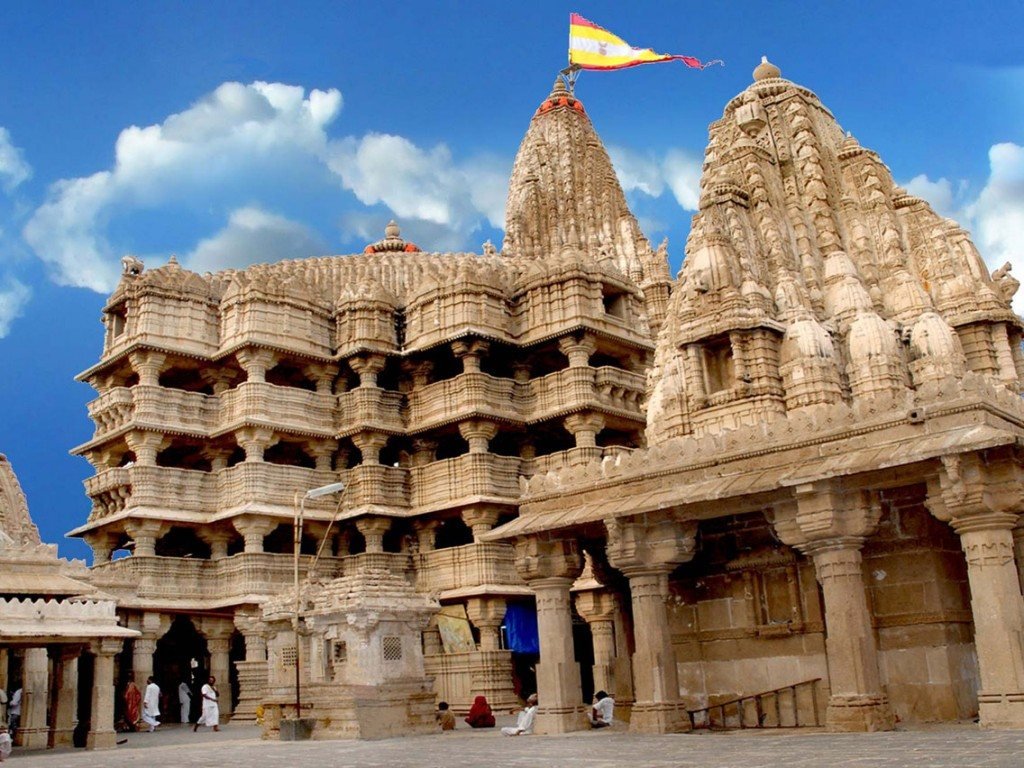
Painted Jain woodwork
Tucked into the lanes of old Surat, the Chintamani Parshwanath Jain Temple (Derasar) is one of the city’s hidden artistic treasures. Dating in parts to the 17th century, this Jain temple is celebrated above all for its richly painted and carved wooden interiors — ceilings, brackets and panels covered with intricate paintings depicting Jain teachers, devotional scenes, motifs and figures of the period, said to include glimpses of contemporary life and even European traders of the time.
It is a rare survival of old Gujarati temple craftsmanship, a quiet, exquisite contrast to the bustle of the surrounding old city. A gem for lovers of art and heritage.
A Jain temple; modest dress, remove footwear; leather is not allowed inside.
Painted woodwork that rarely survives
Painted ceilings.
The temple's older sections date in parts to the seventeenth century, a rare survival from old Surat.
Parshwanath, the twenty-third Jain Tirthankara, presides over the shrine as its principal deity.
Its greatest glory is the richly painted and carved wooden interior — the heart of the temple's fame.
Today it endures as a rare artistic survival, a quiet treasure amid the busy old-city lanes.
Reasons to make the time
Painted woodwork
The intricate painted ceilings are the temple's treasure, scene after scene in colour and gold.
17th-c. derasar
Parts of the temple date to the seventeenth century — old Surat's rare survivor.
Period scenes
Even the European traders of the port recorded their admiration for it.
Carved panels
The wood carving throughout shows Surat's craftsmen at their finest.
Hidden gem
It hides in the old lanes, unknown even to most Surtis.
Jain heritage
And it remains a living shrine, in daily Jain worship.
What to look for inside
Painted ceilings
Jain scenes.
Chintamani
A 17th-c. temple.
How to spend an hour or two
See the painted ceilings
Study the intricate Jain art of the painted ceilings, the temple's glory.
Admire the woodwork
Look closely at the carved wooden panels and brackets.
Seek darshan
Take darshan of Parshwanath, the presiding Tirthankara.
Sense the Jain heritage
Feel it as a living shrine; worship continues daily.
Find it in the lanes
Treasure the find — few visitors to Surat ever learn it exists.
Respect the rules
Observe the forms: no leather inside, footwear off, quiet voices.
A painted Jain temple
The Chintamani Parshwanath Jain Temple, in old Surat, is a 17th-century derasar celebrated for its richly painted and carved wooden interiors — ceilings and panels of Jain scenes and period figures, a rare survival of old Gujarati craftsmanship. A quiet artistic treasure.
The rest of the district is covered in our Surat travel guide.
If this is what you travel for, browse temples across Gujarat.
No leather inside.
A 17th-century Jain derasar
Richly painted woodwork
Jain scenes & period figures
A rare artistic survival
When to go
October to March is the ideal season for combining the derasar with old Surat on foot.
The monsoon leaves the old city green and atmospheric, and the temple visit is indoors in any case.
In the hot, humid months, start early and make the derasar the morning's first stop.
⏰ Visit at aarti time in the cooler months; combine it with Surat's other sights.
Timings & entry
- Open at worship hours
- Morning & evening aarti
- Best in the cool season
- An easy Surat stop
- Free darshan
- Modest dress; remove footwear
- No leather items inside
- Photography may be limited
Getting there
By Air
Surat airport (~15 km).
By Rail
Surat railway station.
By Road
In/around Surat.
At Chintamani Jain Temple
ART & FAITH
A jewel of Jain art
What to shoot
The painted ceilings, where photography is permitted.
Detail
The carved woodwork of the halls.
Setting
The old derasar in its lane.
Best light
Daytime, when light reaches the interior.
Know before you go
More to see close by
 NATURE
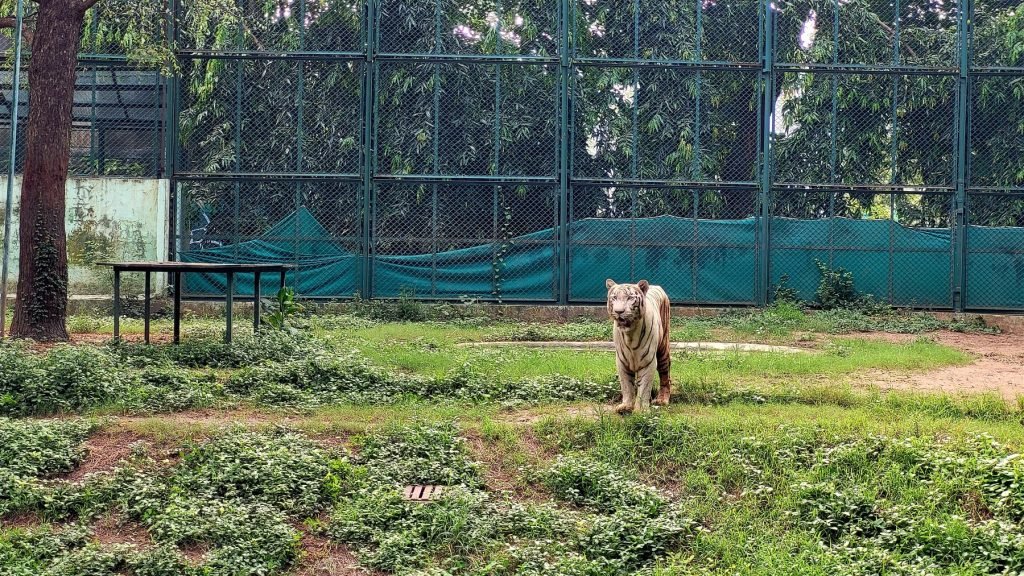
Sarthana Nature Park
A riverside zoo & botanical garden
 HERITAGE
Chowk Bazaar
The throbbing heart of the old textile city
 MODERN
Science Centre
Planetarium, museum & diamond gallery
Dutch & Armenian Churches
Relics of Surat’s trading-port era

Swaminarayan Temple
A vibrant community temple in the old city
 SEAFOOD
Dumas Food Street
Famous bhajiya, locho and sea breeze
Where to eat near Chintamani Jain Temple
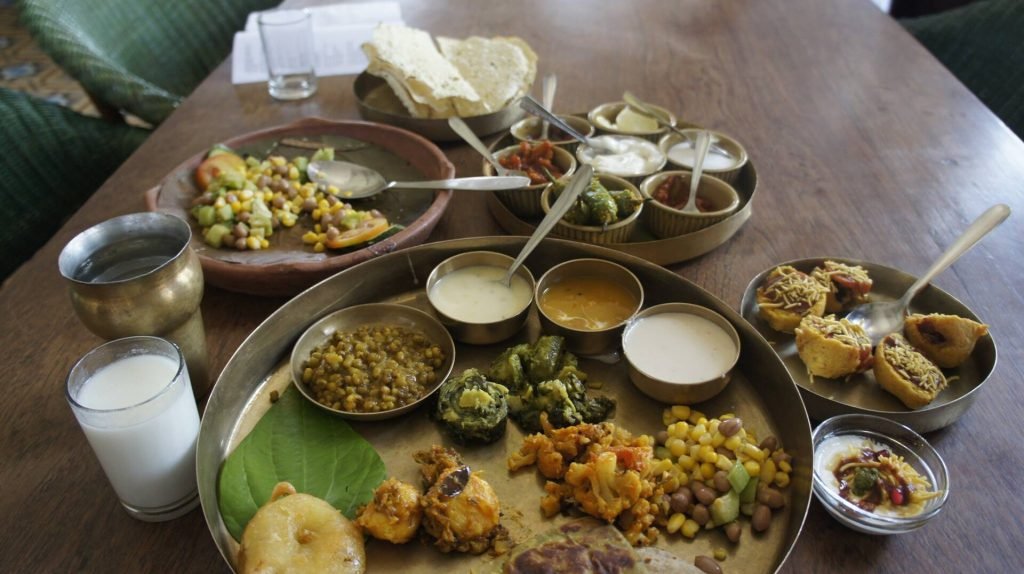
Surti meals
Sweet-savoury thalis.
Locho & khaman
Surat's soft farsan.
Surti street food
Ghari, undhiyu & more.
Foodie city
Famous for locho, undhiyu, ghari & ponk.
Chintamani Jain Temple FAQ
What is Chintamani Jain Temple?
Tucked into the lanes of old Surat, the Chintamani Parshwanath Jain Temple (Derasar) is one of the city's hidden artistic treasures. Dating in parts to the 17th century, this Jain temple is celebrated above all for its richly painted and carved wooden interiors — ceilings, brackets and panels covered with intricate paintings depicting Jain teachers, devotional scenes, motifs and figures of the period, said to include glimpses of contemporary life and even European traders of the time.
Where is it?
In the lanes of old Surat, near the fort and river quarter — ask locally, as the derasar hides in plain sight.
When should I visit?
October to March, in the morning around aarti time, when the temple is open, attended and at its best.
Is there an entry fee?
Free.
What's nearby?
Surat's fort, beaches, lake and food streets.
How long does it take?
About 30 minutes.
Related places across Gujarat
Ramnath Mahadev
An old and revered Shiva temple

Koteshwar Mahadev
Neighbourhood shrines across the city
 SACRED
Triveni Sangam
Where three rivers meet the Arabian Sea
 GARDEN
Jubilee Garden
A colonial-era park in the city heart
 6
6Guhai Backwaters
A peaceful birding spot off the map

Tribal Deities
Sacred groves deep in the teak woods
WHERE TO STAY
Find your stay in Gujarat
Compare live prices across the big booking sites and reserve in a few taps. Booking happens securely on the partner's site — we may earn a small commission at no extra cost to you.
Book directly on our partner sites — tap a provider to see live Gujarat hotels & prices:
SHOP THE REGION
Bring home Gujarat — & travel essentials
Hand-picked crafts and trip gear, available on Amazon.
Published 24 June 2026 · Updated 24 August 2026
We’re an independent group of writers and travellers documenting every corner of Gujarat — one place, plate and festival at a time.