
Region
Patan, North Gujarat
Best time
October to March
Ideal duration
A few hours
Good for
Shopping, crafts, city life
The Patan bazaars are the busy market streets of Patan, a historic town in North Gujarat best known for its ancient stepwell and its famous Patola silk. Wandering these markets gives you a taste of everyday town life alongside a chance to see and buy traditional crafts, from the intricate double-ikat Patola sarees to local textiles, brassware and snacks. For travellers keen on crafts and atmosphere, the bazaars are a rewarding complement to Patan's monuments.
Patan was once a grand capital, and its old quarters still carry that layered character in their lanes, temples and workshops. The Patola weaving tradition, passed down through a few families, is a highlight, and some workshops welcome visitors to watch the painstaking process. The markets fit naturally with a visit to Rani ki Vav and Modhera. Come to browse, watch artisans at work and soak up the town's trading energy.
What to see and do in the Patan bazaars
Exploring the market lanes is the main pleasure, taking in textile shops, craft stalls, temples and street food. The star attraction is Patola silk, and visiting a weaving workshop to see the double-ikat technique, where threads are dyed to a pattern before weaving, is a memorable experience. Prices for genuine Patola are high given the labour involved, so ask questions and buy from reputable sources.
Beyond textiles, look for other local crafts, brass items and everyday market goods that reveal how the town lives. The bazaars sit close to Patan's heritage sights, so you can easily combine shopping with a visit to the Rani ki Vav stepwell. Facilities are those of a working town, so go with a relaxed attitude and time to browse at leisure.
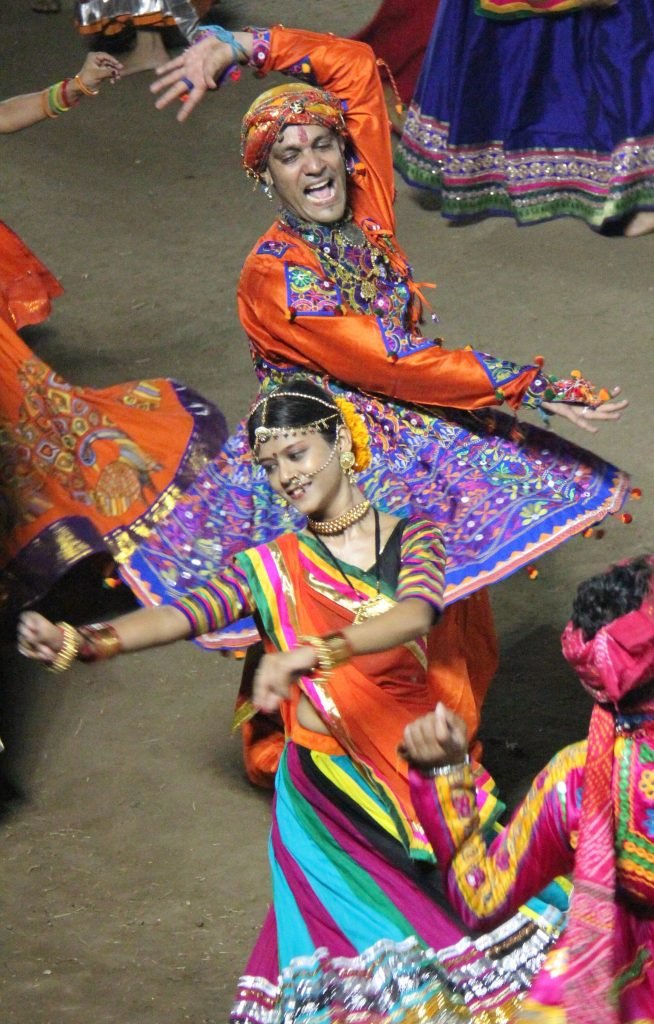
Patan Bazaars
How to get there
Patan lies in North Gujarat and is reached by road and rail from Ahmedabad and Mehsana. The town has rail links and is served by buses and taxis. The nearest major airport is in the Ahmedabad area. Once in Patan, the bazaars and heritage sights are close together and easily explored on foot or by short auto rides.
Best time to visit
The cooler months from October to March are the most comfortable for walking the markets. Daytime is best for seeing workshops and shops open and busy. Summers in North Gujarat are hot, so morning visits are wiser then. The bazaars operate year-round, but comfort and craft-watching favour the winter season.
Good to know
- Visit a Patola workshop to see the weaving process firsthand.
- Buy genuine Patola from reputable sellers and ask questions.
- Combine the bazaars with Rani ki Vav and Modhera.
- Carry cash, as smaller shops may not take cards.
Frequently asked questions
What is Patan famous for?
Its ancient Rani ki Vav stepwell and its Patola double-ikat silk weaving tradition.
Can I watch Patola being woven?
Yes. Some family workshops welcome visitors to see the intricate double-ikat process.
Is genuine Patola expensive?
Yes, because it is extremely labour-intensive. Buy from trusted sources and expect high prices for authentic pieces.
Market lanes of the old capital
Patan's bazaars thread the town the Solanki capital left behind — trading lanes that have run continuously since Anhilwad's medieval heyday, now selling cloth, brass, produce and festival goods to the district the town still serves. Walking them stitches the monuments together: the derasars rise between shopfronts, the Gyan Mandir's lane opens off a spice row, and the patola workshops sit behind doors a stranger would pass without a glance.
The textile inheritance shows everywhere. Beyond the celebrated double-ikat patola — woven by appointment to connoisseurs — the bazaars trade the everyday versions: single-ikat saris, mashru's satin stripes revived on local looms, and bandhani from the region's dyers. Distinguish honestly and buy accordingly: genuine Patan patola comes from the Salvi workshops with documentation and a serious price; the bazaar's colourful cousins are lovely and cost a hundredth as much.
Walking the lanes
Morning is the bazaars' best self — shutters rising, temple bells from the derasars, breakfast fafda frying — and an unhurried loop from the Panchasara temple through the cloth lanes to the Gyan Mandir covers the heart. Ask directions freely; Patan is unhassled by tourism, and shopkeepers point with genuine helpfulness. The town's small eateries do Gujarati breakfast and thali honestly.
Practical notes
Pair the bazaar hour with Patan's headline monuments — Rani ki Vav is minutes away by auto, Sahastralinga beside it — and let the market lanes be the living counterpoint to the carved past. October to March suits the walking; festival seasons, Diwali above all, turn the lanes brilliant and busy.
Patan sits two hours from Ahmedabad, with Modhera's Sun Temple on the natural route — the classic north Gujarat day, with the bazaars as its unscripted middle chapter.